
How Ankle Stiffness Is Secretly Making Your Lower Back Work Too Hard
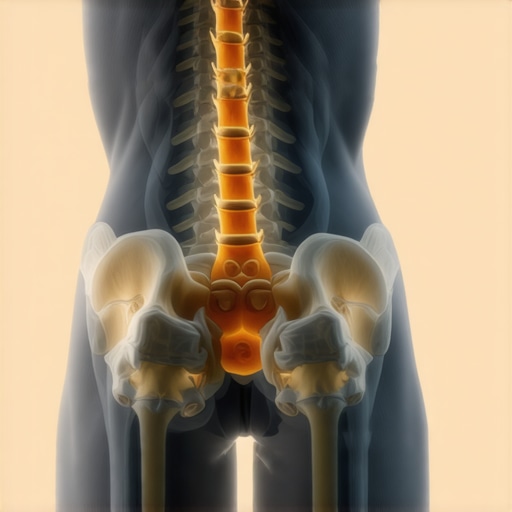
Imagine this: you’re finally standing up after a long day, only to feel that familiar twinge in your lower back. It catches you off guard and leaves you wondering, “Why does my back ache even when I haven’t lifted anything heavy?” For years, I brushed off my ankle stiffness as a minor inconvenience—that occasional tightness I thought would loosen over time. But one day, it hit me—those stiff, unyielding ankles weren’t just a minor annoyance; they were secretly overworking my lower back, causing pain that kept recurring despite my best efforts to fix it.
The Hidden Link Between Your Ankles and Lower Back Pain
Here’s the truth that finally clicked for me: restricted ankle mobility can cause your lower back to compensate, working overtime to keep you balanced and moving. It’s a bit like a domino effect—when your ankles are stiff, your gait shifts, leading your pelvis and spine to do extra work to keep you upright. This extra strain often results in persistent lower back discomfort, which can seem unrelated at first glance. Early on, I made the mistake of focusing solely on my back muscles, neglecting the root cause—my ankles. Recognizing this connection was a game-changer, and I want you to discover it too, so you don’t waste years chasing symptoms instead of the real cause.
Skeptical? You’re Not Alone
Many folks believe that back pain is solely a spinal issue. When I first heard about ankle mobility affecting my back, I was dubious. But science supports this connection—studies have shown that restricted ankle movement can alter gait and increase stress on the back, potentially leading to pain and injury (source: Body Renew Therapy). My early mistake was dismissing small joint issues as irrelevant, assuming my back weakness was a given. Instead, I realized that fixing my ankles could reduce back strain and improve overall mobility.
So, if you’ve been battling stubborn lower back pain, especially after activities that involve standing or walking, there’s a chance that stiff ankles are quietly making your back work harder than it should. The good news? You can address this with simple, targeted movements and exercises that restore ankle flexibility, easing the burden on your spine. Up next, I’ll share the practical steps I took—and you can try—to loosen those ankles and give your back a well-deserved break.
Assess Your Ankle Mobility
Start by checking your ankle flexibility. Sit on the floor with one leg extended and the other bent. Using a stopwatch, gently dorsiflex your ankle—lift your toes toward your shin—and note how much movement you have. Limited range indicates stiffness. I measured my ankle mobility after feeling persistent lower back discomfort for months; my initial test revealed significant restriction, confirming the link between stiff ankles and back issues. Recognizing this was my first step toward relief.
Implement Targeted Ankle Flexibility Exercises
Next, incorporate specific stretches to improve ankle mobility. For example, try the 30-second ankle mobility drill: kneel on one knee, with the foot flat on the ground, then gently push the knee forward over the toes without lifting the heel. Repeat 10 times per foot. I did this before my morning shower; initially, it felt awkward, but within a week, my ankles felt looser, and I noticed less back tension during daily activities.
Adopt Proper Movement Patterns During Daily Activities
Be conscious when walking or standing—aim for a natural gait. Focus on heel-to-toe stepping and avoid excessive toe-scraping or stiff-legged walking. I caught myself walking stiffly after hours at the computer; consciously adjusting my stride improved my ankle mobility and reduced back strain. Think of your ankles as the foundation of your movement—small tweaks here greatly affect overall stability.
Integrate Strengthening Exercises for Active Support
Strengthen your ankle muscles with balance drills like standing on one foot. Use a chair or wall for support if needed. Stand on your right foot for 30 seconds, then switch. Progress to closing your eyes or standing on a soft surface. During my practice, I fell a few times, but gradually, my balance improved, making my ankles more resilient and reducing compensatory back movements.
Monitor Progress and Adjust Routine
Keep track of ankle flexibility and back discomfort levels weekly. Use a simple journal or app to record improvements. If progress stalls, revisit earlier steps or consult experts. Persistence paid off for me—I continued these exercises, and within a month, my lower back pain diminished significantly. Remember, consistent small efforts yield the best results in restoring mobility and relieving pain.
<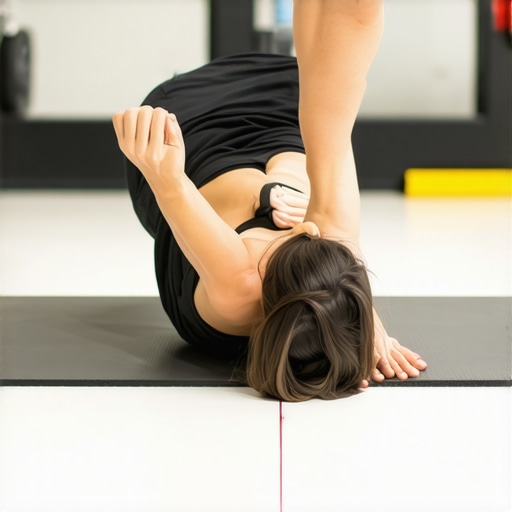 }Many individuals mistakenly believe that pinpointing symptoms like sciatica or neck pain involves only addressing the obvious—like herniated discs or muscular strains. While these are valid concerns, the deeper nuance often lies in how our body’s interconnected systems mislead us. For instance, common myths suggest that nerve pain always stems from just nerve injury, but research indicates that poor joint mobility, especially in areas like the ankles or hips, can trigger nerve symptoms upstream, such as sciatica or cervical discomfort (source). One advanced mistake is oversimplifying the cause and solely focusing on symptom relief without correcting foundational mobility restrictions, which often leads to recurrent issues. Moreover, many are unaware that chronic pain can be exacerbated by dysfunctional movement patterns ingrained over time, such as compensatory walking styles or poor posture habits. These imbalances intensify joint stress, nerve compression, and muscular strain, forming a cycle that’s tough to break without a nuanced approach. An often-overlooked trap is believing stretching alone is sufficient; but without strengthening the supporting muscles and restoring proper joint function, flexibility gains may be temporary (see effective exercises). Addressing the root of mobility problems demands a comprehensive assessment and targeted interventions. Curious how to dive deeper? Check out our detailed strategies for understanding posture and pain, or explore proven solutions for restoring neck and back mobility. Remember, quick fixes may mask symptoms temporarily, but knowing the real enemy—hidden movement dysfunctions—is the key to lasting relief. Have you ever fallen into this trap? Let me know in the comments.Maintaining your progress in mobility and pain management requires reliable tools and consistent habits. Personally, I depend heavily on a few key items that ensure my routine stays effective over the long term. First, a high-quality foam roller has become indispensable. I opt for a dense, 36-inch foam roller because it provides the right amount of pressure to release deep tissue tension without causing discomfort. Regular use—about 5 minutes daily—helps keep my muscles pliable and reduces the likelihood of recurring stiffness, especially after long sitting periods.
Another essential tool is a set of resistance bands. I use light to medium resistance bands for targeted stretching and strengthening exercises. These bands are versatile; I can perform ankle mobilizations, hip external rotations, and even shoulder stabilization drills. I find that incorporating resistance bands into my daily mobility routine improves muscle support and prevents joint restrictions from creeping back.
Technology also plays a crucial role. I rely on a simple, ergonomic app to remind me to perform brief mobility exercises throughout the day. Features like customizable intervals and exercise tracking help me stay accountable. For those interested, exploring apps like [Body Renew Therapy](https://bodyrenewtherapy.com/mobility-mastery-daily-tips-to-keep-your-spine-and-joints-healthy) can bridge the gap between passive stretching and active maintenance.
Progress isn’t just about tools; it’s about embedding sustainable habits. Recording your mobility sessions weekly allows you to see tangible improvements and adjust routines accordingly. Gradually, I’ve noticed my posture improving and pain episodes decreasing, reinforcing the importance of consistency.
Looking ahead, the trend points toward integrating smart wearable devices capable of real-time posture correction and mobility tracking. These innovations promise to make maintenance more interactive and personalized, helping prevent setbacks before they occur.
How do I keep my mobility practices effective over time?
The answer lies in structured routines and smart tool choices. Your arsenal should include quality foam rollers, resistance bands, and digital reminders that keep mobility exercises integrated into your daily life. Remember, the key to lasting results is consistent, mindful practice with the right equipment. I recommend trying the targeted ankle mobilization with resistance bands today. It’s a game-changer for reducing back strain linked to ankle stiffness, as supported by recent research emphasizing joint mobility’s role in chronic pain management (source). Keep experimenting and stay committed—your future self will thank you.
In my journey to heal persistent back and neck pain, I learned some invaluable lessons that no quick fix or superficial treatment could teach. These insights transformed my approach from reactive to proactive, empowering me to regain control over my mobility and well-being.
What Nobody Told Me About The Power of Consistent Movement
The biggest revelation was that small, daily movements outperform sporadic intense sessions. I used to think that long gym sessions or intensive stretches were the key, but it’s the consistent, gentle mobility exercises—like ankle mobilizations or posture check-ins—that truly made a difference. This routine fostered resilience, allowing my body to adapt and heal from within.
The Surprising Role of Mindful Posture in Healing
It wasn’t just about exercises; becoming consciously aware of my daily posture played a crucial role. Whether working at my desk or walking around, I started noticing how subtle misalignments accumulated over time. Correcting my habits—like adjusting my monitor height or supporting my lower back—helped me break free from the cycle of chronic pain. It’s these small, mindful adjustments that often go unnoticed but hold tremendous healing potential.
Overcoming The Fear of Movement and Reinjury
Fear of aggravating pain can be paralyzing, but I discovered that gentle, controlled movements actually reduce pain and rebuild confidence. Moving smartly, respecting my body’s limits, and avoiding sentiments of stiffness or fragility allowed me to re-establish trust in my mobility. This mindset shift is vital—your body is resilient, and movement is medicine, not enemy.
Understanding the Interconnectedness of Joints and The Nervous System
I realized that issues like ankle stiffness or hip tightness don’t just affect those areas—they influence my entire nervous system and spinal health. Addressing joint restrictions liberates nerve pathways and restores proper function. Practicing targeted stretching and strengthening for these small joints pays dividends in alleviating big pains.
Command Your Recovery with Knowledge and Patience
Perhaps the most powerful lesson was that healing isn’t linear. Progress requires patience and continuous learning. Equipping myself with reliable tools like resistance bands and foam rollers, staying committed, and celebrating small victories kept me motivated. Remember, the path to lasting relief is built one mindful step at a time.
Make Your Next Step Count
Don’t wait for pain to become unbearable before acting. Incorporate consistent mobility routines, cultivate awareness of your posture, and embrace movement as a healing tool. Your journey toward a pain-free, resilient body starts today. If you’re curious about more personalized strategies or want to share your experience, I’d love to hear your story—drop a comment below and let’s support each other in this healing process.