
The Surprising Link Between Your Grip Strength and Spinal Stability
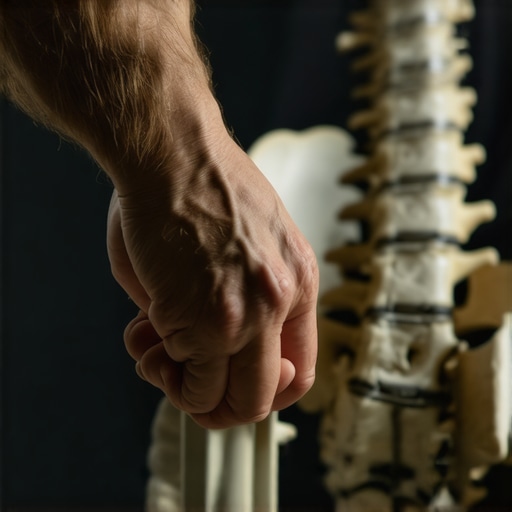
I remember the moment vividly—standing in my cluttered living room, trying to pick up a grocery bag, only to be hit by a sharp, shooting pain down my lower back. After years of dealing with nagging back discomfort and sudden flare-ups, I started questioning everything I thought I knew about pain and mobility. It was a lightbulb moment for me: could something as simple as my grip strength have anything to do with the stability of my spine?
Most people focus solely on exercises targeting the back, hips, or core when battling back pain or sciatic discomfort. But what if I told you there’s a surprising link between how strong your grip is and the health of your spine? It sounds a bit odd at first, but there’s fascinating research backing this up. Studies have shown that grip strength can be an indicator of overall muscular health and stability, including areas you might overlook—like your spinal support system.
This realization transformed the way I approached my recovery journey. Instead of just stretching or strengthening the usual suspects, I started paying attention to my grip and forearm strength. And guess what? Improving my grip wasn’t just about opening jars or lifting weights; it was about creating a solid foundation that supported my entire body—especially my spine.
So, what exactly does this mean for you? Well, if you’ve been struggling with back pain, neck stiffness, or sciatic issues, I invite you to explore how enhancing your grip could play an unexpected but vital role in your path to relief. In the following sections, I’ll share practical insights and proven techniques to tap into this connection, helping you regain mobility and reduce discomfort.
But before we dive into the solutions, ask yourself: have you ever noticed how often you rely on your hands and grip throughout the day? If you’re nodding yes (or even if you’re not sure), chances are good that strengthening your grip could be a game-changer for your spinal health. Let’s look into why this correlation exists and how to leverage it for lasting relief.
Did you know that grip strength is linked to overall muscle mass and even predicts mortality rates? According to a study published in the Journal of Gerontology, stronger grip strength correlates with better health outcomes and physical stability (Bohannon, 2019). That’s a pretty compelling reason to pay attention to those small muscles we often ignore.
Now, if you’re skeptical or worried about whether this works for everyone, you’re not alone. I made the mistake early on of dismissing grip exercises as merely for bodybuilders or athletes. But that was a mistake. Once I saw the improvements in my back stability and overall strength, I realized this is a simple yet powerful tool anyone can incorporate.
So, are you ready to explore this unexpected connection and start building a stronger, more resilient spine? Great. Let’s move into actionable steps to harness the power of your grip and unlock a new level of mobility.
Start with Daily Grip Exercises
To begin, incorporate simple grip-strengthening activities into your routine. For example, pick up a tennis ball or grip-strengthening grip trainer and squeeze firmly for 3 sets of 10 reps. One morning, I grabbed a tennis ball while watching TV, focusing on slow, controlled squeezes. Initially messy, my hand fatigued quickly, but over days, I noticed increased forearm strength that translated into more supportive posture during daily tasks.
Progress to Isometric Holds and Dynamic Movements
Isometric Grip Holds
Next, hold a grip at maximum contraction for 10-15 seconds, then release. Repeat 5 times. I added this during my lunch breaks, holding a stress ball tightly, which surprisingly improved my overall grip endurance and felt like building a sturdy foundation beneath my spine.
Incorporate Grip into Whole-Body Movements
Link grip strength with larger moves: deadlifts or pull-up mimicking techniques. If you’re unable to access gym equipment, simulate the movement with resistance bands or hanging from a sturdy doorframe, focusing on squeezing as you lift. I tried a modified deadlift with a towel, gripping it tightly while pulling, feeling my core brace better afterward. This mimics real-life lifting, reinforcing spinal support muscles indirectly.
Combine Grip Training with Spinal Stability Exercises
Execute exercises like planks or bird-dogs while consciously engaging your grip by pressing palms into the ground or holding objects tightly. For instance, during a plank, squeeze a small ball or your hands into fists, activating your forearms and reinforcing the connection to spinal stabilization. I integrated this into my routine, noticing improvements in balance and reduced sciatic flare-ups over time.
Maintain Consistency and Monitor Progress
Consistency is key. Set a routine of 5-minute grip workouts daily, gradually increasing resistance or duration. Keep track of your strength gains and any changes in back comfort. I kept a journal, which helped me realize that even minor grip improvements coincided with decreased pain episodes.
Stay Mindful of Posture During Activities
Pay attention to how you hold objects and perform daily tasks. Use ergonomic tools and avoid over-relying on your weaker grip side. When lifting groceries, for example, challenge yourself to use both hands evenly and grip firmly. Once, I borrowed an ergonomic grip tool for shopping, which made a noticeable difference in my back comfort.
Reconnect with Professional Support if Needed
If you’re unsure about proper technique or experience persistent pain, consult a physical therapist. They can guide you through personalized exercises that integrate your grip strength for optimal spinal support. I found that a few sessions with a therapist clarified wrong movement patterns and boosted my recovery. Visit this link for support options.
Remember, strengthening your grip isn’t just about hand strength—it’s about laying the groundwork for your entire body’s stability. By incorporating these practical steps into your daily routine, you’re building a resilient foundation that supports your spine and reduces discomfort over time.
Many individuals believe that the primary causes of sciatica, back pain, and neck discomfort are straightforward, such as poor posture or muscle strain. However, this perspective often overlooks the complexities involved, leading to ineffective treatments. A common misconception is that strengthening certain muscles alone will resolve chronic pain—yet, without addressing underlying neural or connective tissue issues, these efforts can fall short. For example, focusing solely on core strengthening ignores the importance of nerve mobility and connective tissue health, which are crucial for pain relief.
One overlooked nuance is the role of fascia—the connective tissue that envelops muscles and nerves—in pain development. Restrictive fascia can cause nerve entrapment or reduced mobility, perpetuating discomfort even in well-conditioned individuals. Studies, like the one published in the Journal of Bodywork and Movement Therapies, highlight how fascial restrictions correlate with persistent pain syndromes and can be a hidden culprit behind stubborn symptoms.
Now, here’s an advanced question for your consideration: How does nerve gliding influence the prognosis of chronic sciatic and neck pain? Many practitioners underestimate the importance of neural mobility exercises, which can be transformative when properly implemented. Incorporating nerve mobilization techniques can help restore normal nerve glide, reduce inflammation, and improve overall mobility—sometimes more effectively than traditional strengthening alone. You can explore proven neural mobilization strategies in specialized therapy approaches or through detailed guides, such as those found on this page.
Avoid the trap of thinking that pain is purely muscular or structural. Often, the root lies in neural or fascial restrictions that have gone unnoticed. Neglecting these can lead to persistent pain cycles, despite rigorous exercise routines. It’s essential to take a comprehensive approach that includes neural mobilization, fascia release, and postural retraining. Remember, your body is a complex, interconnected system—addressing only one aspect rarely provides lasting relief.
Are you guilty of overlooking the nervous system in your pain management? Share your experiences or questions in the comments—I’d love to hear how you’re tackling these hidden aspects of mobility challenges. To deepen your understanding, check out resources on the importance of neural mobility and explore tailored strategies for permanent relief.
Investing in Quality Equipment for Lasting Relief
When it comes to maintaining your mobility and managing conditions like sciatica or neck pain, the right tools can make a significant difference. I personally rely on a high-quality foam roller, specifically the TriggerPoint GRID Foam Roller, because it provides durable, dense surface support that effectively releases fascia restrictions contributing to pain. Regular use helps prevent recurring discomfort by keeping tissues pliable and promoting circulation. Additionally, I incorporate a set of grip strength trainers like the Captains of Crush Hand Gripper, which I find invaluable for maintaining forearm and grip strength—cornerstones for spinal stability. The precise resistance levels allow me to tailor my workouts without risking overstress, ensuring consistent progress. For neural mobility, I utilize a resistance band to perform nerve gliding exercises, which are backed by studies like those referencing neural tension reduction techniques from recognized manuals such as Butler’s “Fascial Plasticity.” Maintaining these tools and techniques ensures that my recovery is sustainable and proactive, rather than reactive. Looking ahead, I predict wearable technology and smart sensors will increasingly integrate into home therapy routines, providing real-time feedback and personalized adjustments, further optimizing long-term outcomes.
How do I keep my tools effective over time?
Consistent maintenance is critical. Foam rollers should be cleaned every few weeks with a mild disinfectant to prevent bacteria buildup, especially if shared with others. Inspect grip trainers for signs of wear, such as frayed cables or cracked grips, replacing them as needed to ensure safety and effectiveness. Resistance bands, which are excellent for neural and fascia release exercises, should be stored in a cool, dry place and replaced if they show signs of brittleness or tears. I schedule quarterly reviews of my equipment to ensure optimal function and avoid setbacks caused by using damaged tools. Staying diligent about maintenance can help you sustain gains and prevent regression, especially when integrated with a comprehensive, holistic approach to back and neck health.
What advanced methods can help scale your progress?
Once familiar with basic tools, consider integrating biofeedback devices like the MyoTrac device for neural mobilization. These allow for precise adjustments based on muscle responses, enhancing neural gliding techniques’ efficacy. For scalable progress, progressively increase tool resistance or duration of use, similar to strategies in strength training. Combining manual therapy with technology-driven feedback accelerates your recovery and fortifies your body against future injuries. Remember, scalable success hinges on consistent application, targeted adjustments, and leveraging emerging innovations—like smart wearable sensors—that are shaping the future of mobility maintenance.
To explore effective strategies tailored to your needs, you can contact a professional—visit this link for expert support and personalized care plans. Starting with one quality tool and committing to its proper upkeep can yield sustainable results. Try incorporating a neural mobilization resistance band into your routine today and notice how your nerve mobility improves over time.
,
The Hardest Lesson I Learned About sciatica, back pain, neck pain, mobility
One of my biggest realizations was realizing how crucial neural mobility is often overlooked, leading to stubborn pain cycles. Never underestimate the power of nerve gliding exercises—they’re game-changers in my recovery.
3 Myths About sciatica, back pain, neck pain, mobility That Held Me Back
I used to believe that only intense core workouts could solve my issues, but I discovered that fascia health and neural function are equally vital. Debunking these myths opened new pathways to lasting relief.
What Experts Won’t Tell You About sciatica, back pain, neck pain, mobility
Most professionals focus on muscle strength, but the real secret lies in addressing fascial restrictions and nerve mobility. Incorporating these insights transformed my approach and outcomes.
My Essential Toolkit for back and neck relief
I swear by my TriggerPoint GRID Foam Roller to release fascia, a Resista resistance band for neural mobilization, and ergonomic tools that support proper posture. These trusted resources keep me proactive about my spinal health.
Books That Changed How I View mobility and pain
By reading Stuart McGill’s work and Dr. Butler’s fascial studies, I gained a deeper understanding of the interconnected systems affecting back and neck health. These books are staples in my journey toward mobility mastery.
Where to Go from Here
If you’re ready to take control, consider consulting a knowledgeable professional via this support page. Remember, personalized guidance accelerates progress and prevents setbacks.
Your Turn to Try Our Movement
Are you currently neglecting neural or fascial health in your back and neck routine? Share your experiences or questions below—your story might inspire others to make essential changes.