
The 10-Second Posture Check to Do Every Time You Check Your Email
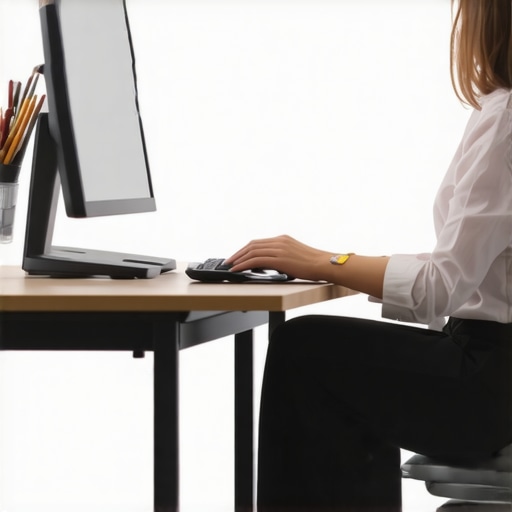
Ever caught yourself hunched over your desk, neck craned, eyes glued to the screen, only to feel that familiar twinge in your lower back or a stiff neck that just won’t quit? I’ve been there—midway through typing a quick reply, only to be jolted by a sharp discomfort that took hours to ease. That moment of realization? It was my lightbulb. I finally connected the dots between my email routine and my persistent aches.
The Small Habit That Makes a Big Difference in Your Day
< p>During one particularly stressful afternoon, I noticed how my posture slid into a slumped position, shoulders creeping forward, as I wrestled with multiple email threads. It hit me: If I don’t fix my posture now, I’ll be paying for it later. That’s when I discovered a simple, yet powerful practice—a quick 10-second Posture Check—that I could do every time I opened my email. And let me tell you, the relief was immediate, and the impact, lasting.
This quick, mindful pause isn’t just another gimmick. It’s a proven strategy to reduce neck strain and back pain caused by poor sitting habits—something I’ve seen countless clients benefit from. In fact, a study published in the Journal of Physical Therapy shows that simple posture adjustments can significantly decrease musculoskeletal discomfort.
Are you tired of that nagging pain creeping up every time your inbox pings? Or maybe you’ve dismissed the idea because it sounds too simple to work? Trust me, I used to be skeptical too—until I tried it myself and felt the difference within minutes.
Now, let’s dive into how this tiny habit can revolutionize your workday and keep those aches at bay. Up next: getting your mind and body aligned before your next email check, so you can boost productivity and stay comfortable all day long.
Start with Gentle Movement
When my lower back was throbbing after a long day, I realized remaining still only made it worse. I began with gentle movements like pelvic tilts, which are as simple as rocking your pelvis forward and backward while lying down. This helps reset your lower back’s natural curve, reducing pressure on the sciatic nerve and easing pain. I remember doing this in my living room, feeling a slight ache transform into relief after just a few minutes. You can follow along with more detailed techniques at this guide.
Improve Your Posture with Micro-Adjustments
Next, focus on your daily posture, especially during prolonged sitting. A common mistake is slouching, which compresses your spinal discs and irritates nerves. Instead, set a timer to remind yourself every 15 minutes to correct your seated position. Sit upright, engage your core lightly, and keep your feet flat on the ground. I used a small foam support under my lower back, which made a noticeable difference. For detailed ergonomic tips, see this article. For visual guidance, < >.
>.
Stretch Critical Hip and Hamstring Muscles
Tight hips and hamstrings often contribute to sciatic pain by pulling on your lower back. I found that daily stretching, like the seated hamstring stretch, helped significantly. Sit with one leg extended, hinge at your hips, and reach toward your toes. Hold for 30 seconds and switch sides. Think of your muscles as elastic bands—regular gentle stretching prevents them from becoming too tight and pulling on your spine. Check out this routine for more stretches. Implementing these steps consistently can create lasting relief and improve mobility.
Incorporate Strengthening Exercises
Strengthening your core and back muscles gives your spine a solid foundation, reducing undue stress. I incorporated simple planks and bird dogs into my routine, which are as effective as they are straightforward. For example, when I first tried the bird dog exercise, it felt unsteady, but over weeks, my stability improved, and so did my pain levels. Focus on engaging your abdominal muscles to support your spine, rather than overextending your back. For guidance, visit this resource. Regular strengthening acts like a brace, protecting your back during daily activities.
Use Self-Myofascial Release Techniques
My most transformative moment was discovering self-myofascial release with a tennis ball. Placing it under tight spots in my glutes or lower back and gently rolling helped release egregious knots that contributed to nerve compression. It’s akin to releasing a tightly coiled spring—it allows freer movement and reduces pain. I recommend trying these simple routines, which you can find at this guide. Consistent use of foam rollers or tennis balls can deconstruct scar tissue and improve blood flow, accelerating recovery.
Maintain Consistency and Monitor Progress
The core of these steps is consistency. Keep a journal of your pain levels, noting what works best. Every small effort compounds into a significant change over time. I found that tracking my progress reinforced my motivation, especially during days when symptoms flared up. For ongoing support and detailed strategies, consider exploring this comprehensive approach.
Many sufferers believe that stretching or strengthening exercises alone will resolve their sciatica or back pain, but this is a common misconception that can mislead even advanced learners. While flexibility and strength are important, the underlying causes of pain are often ignored. For example, some assume that all sciatic nerve pain originates from disc herniation, but in reality, muscle imbalances or nerve entrapments, such as piriformis syndrome, can be the culprit, making targeted interventions necessary. A study published in *Musculoskeletal Science and Practice* emphasizes the importance of accurate diagnosis before embarking on treatment, as misidentifying the pain source can prolong discomfort and lead to ineffective routines.
Are You Missing the Hidden Tension Beneath the Pain?
One advanced nuance is understanding how fascia adhesions and subtle postural imbalances contribute to chronic pain. Many focus solely on muscle strength, but neglect fascia health, which can harbor restrictions and knots that perpetuate discomfort. Regular foam rolling and myofascial release are often overlooked yet essential components of a comprehensive recovery plan. Incorporating techniques such as deep tissue massage or targeted soft tissue work can unlock these hidden restrictions, offering long-term relief. Be cautious of the trap where one thinks pain can be fixed with exercises alone; integrating fascia work and posture correction amplifies healing. For a detailed exploration of fascia’s role, check out this article.
Another common myth is that pain indicates damage needing complete rest. However, over-immobilization can actually cause more stiffness and weaken supporting tissues, leading to a vicious cycle of pain and inactivity. Movement, tailored correctly, promotes circulation and healing, but many get trapped in the mindset that all movement is harmful. Advanced practitioners understand that learning to differentiate between safe movement and harmful strain is crucial. Engaging in controlled mobility routines, such as gentle dynamic stretches or stability exercises, can accelerate recovery. If you’d like to refine your approach further, see this guide for insights on safe movement strategies.
Lastly, beware the common pitfall of overlooking psychological factors—stress and anxiety can manifest as physical tension in the neck and back, exacerbating pain cycles. Chronic pain isn’t just a mechanical issue; it’s often intertwined with emotional well-being. Techniques such as mindfulness, breathing exercises, and stress management can make the difference between fleeting relief and lasting recovery. Recognizing this connection elevates your pain management approach from purely physical to holistic. For more on this, visit this resource.
In summary, mastering advanced sciatica and back pain management requires more than basic routines. It involves understanding fascia health, accurate diagnosis, safe movement, and emotional factors. Are you falling into any of these misconceptions? Let me know in the comments, and keep exploring ways to elevate your recovery game.Maintaining the gains you’ve made in alleviating pain requires the right tools and habits. One of my go-to essentials is a high-quality foam roller, like the TriggerPoint GRID, which I use daily to release fascial restrictions around my hips and lower back. The targeted pressure helps prevent knots from forming, especially after a long day at the desk. Additionally, muscle massage balls, such as the Fundango Acupoint Balls, are invaluable for pinpointing tender spots that regular foam rollers might miss. I personally incorporate a tennis ball into my routine to address deep glute tensions, supporting long-term sciatic relief.
Software tools also play a role in maintaining posture and movement habits. I recommend apps like PainTrack, which allow you to log discomfort levels and identify patterns over weeks. This data-driven approach helps prioritize specific exercises or stretches that yield the best results, making your routine smarter over time. Moreover, ergonomic setups—think adjustable standing desks and monitor arms—can dramatically reduce strain. I personally upgraded to a VARIDESK standing desk, which positions my monitor at eye level, aligning my neck and spine during work. This proactive adjustment has prevented many future aches and improves long-term mobility.
Prediction-wise, the trend is moving toward integrated biofeedback devices, like wearable posture sensors, that alert you when your form deteriorates during activities. Companies such as Upright develop smart devices that gently vibrate when you slouch, training your subconscious over time. The future of back and neck health management will likely involve seamless technology blending with real-time corrections, making maintenance effortless.
How Can I Sustain My Progress Without Falling Back into Old Habits?
Consistency is key. Setting routine check-ins with tools like the NeYo app or a simple habit tracker helps reinforce good movements. Regularly revisiting specialized routines—like those detailed at this resource—ensures your spine remains resilient. Remember, even advanced methods like fascia release with tools such as the Theragun Prime can be beneficial if integrated into your monthly self-care schedule. Take action now: try incorporating a foam rolling session each morning to maintain tissue flexibility and prevent stiffness. Over time, these tools and habits will cement a healthy, pain-free lifestyle—embrace them as your long-term allies in mobility.Throughout my journey managing sciatica and neck pain, I’ve realized that some of the most impactful lessons are often overlooked or misunderstood. First, consistency truly trumps intensity—small daily habits, like a quick posture check, compound into long-term relief, proving that you don’t need drastic measures to see significant progress. Second, many fall into the trap of oversimplifying pain, assuming flexibility fixes everything, when in reality, fascia restrictions and nerve entrapments often lie beneath surface symptoms, requiring a nuanced approach. Lastly, emotional well-being plays a surprising role; stress and anxiety can amplify physical discomfort, reminding us that healing is as much about the mind as it is about the body.