
The Specific Way to Sit That Relieves Pressure on Your L5-S1 Disc
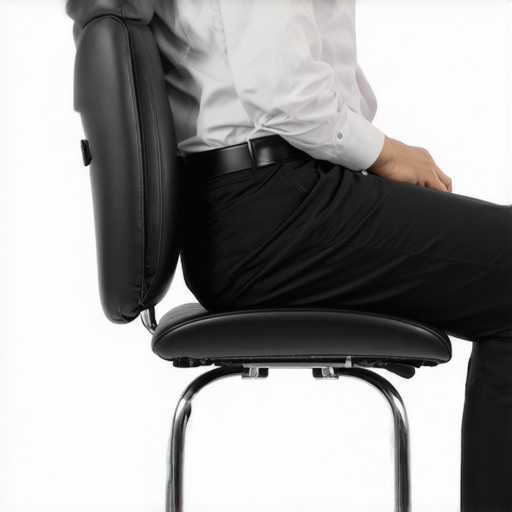
It was a typical Sunday afternoon, and I was hunched over my laptop, trying to get some work done. Suddenly, a sharp twinge shot through my lower back, making me freeze in place. That moment was a wake-up call. I realized how often I had been ignoring the way I sat, especially during long hours at my desk. It felt like I was intentionally setting myself up for more pain, even though I thought I was doing everything right.
Many of us underestimate the impact of our sitting habits on our spinal health. I remember my early days of ignoring proper ergonomics, believing that as long as I was comfortable, I was okay. But the truth is, poor sitting posture can put excessive pressure on the L5-S1 disc, leading to discomfort, limited mobility, and sometimes chronic pain. If you’re reading this, chances are you’ve experienced similar frustrations—waking up with that stubborn ache or feeling numbness creeping down your leg after a long day.
Today, I want to share a simple, effective sitting technique that transformed my back health. It’s not about expensive chairs or complicated stretches but about rethinking how you sit and support your spine. This method helped me reduce that relentless pressure on my lower back and regain some much-needed relief.
Before diving into the solution, I want to address a common fear: “Is changing my sitting habits really going to make a difference?” Believe me, early on, I had my doubts too. I made the mistake of thinking that pain was just part of aging or something I had to accept. However, I found that small adjustments can make a significant difference—sometimes instantly.
In fact, according to recent research, maintaining proper lumbar support and avoiding prolonged static postures can substantially decrease lower back pain associated with disc pressure. You can learn more about strategies for fast back pain relief at [Body Renew Therapy](https://bodyrenewtherapy.com/back-pain-breakthroughs-navigating-your-path-to-restored-mobility).
Over the next sections, I’ll walk you through the specific sitting technique that helped me and many others finally find relief. It’s easy to implement, doesn’t require special equipment, and can be incorporated into your daily routine starting today. Ready to reclaim your comfort and protect your spine? Let’s get started.
Adjust Your Seat Height for Optimal Support
Begin by setting your chair height so that your feet are flat on the floor, and your knees are at a 90-degree angle. I remember the first time I did this; I raised my chair slightly and instantly felt less pressure on my lower back. These small tweaks can make a huge difference in spinal load reduction.
Check Your Feet Placement
Your feet should be firmly grounded, providing stability. If needed, use a footrest to prevent dangling feet that can cause pelvis tilting, which increases disc pressure. I added a low footstool during work sessions, and it helped my pelvis stay in a neutral position, easing back strain.
Support Your Lumbar Naturally
Use a lumbar roll or a rolled-up towel placed behind your lower back to support the natural inward curve. I experimented with different sizes and found that a small rolled towel kept my pelvis aligned and relieved ongoing discomfort. This realignment prevents excessive pressure on the L5-S1 disc, especially during prolonged sitting.
Monitor Your Back Angle
Sit with your hips slightly higher than your knees, maintaining a 100-110 degree angle. I noticed that slouching forward increased my back pain, but adjusting my chair tilt and sitting upright kept my spine in a more ergonomic position. Think of your spine as a stack of building blocks; keeping them aligned minimizes stress.
Position Your Screen and Desk Correctly
The monitor should be at eye level, so you don’t lean forward or look down constantly. When I lowered or raised my screen, my neck and upper back muscles relaxed, allowing my lumbar area to carry less weight. Proper alignment of your neck and back distributes weight evenly, preventing disc overpressure.
Set Up Your Workspace for Comfort
Arrange your keyboard and mouse so your elbows stay close to your sides, and wrists remain straight. I moved my keyboard closer and adjusted my sitting position, which reduced shoulder and back tension. A well-aligned workspace keeps your entire posture in check, reducing the risk of sciatica flare-ups.
Engage in Light Movement Regularly
Taking short breaks every 30 minutes to stand, stretch, or walk helps prevent stiffness. I set a timer, and after each session, I performed gentle twists or hip circles. This movement flushes out stiffness, decreases disc pressure, and encourages circulation—keys to maintaining mobility and avoiding chronic discomfort.
Incorporate Spinal Supports When Needed
If you find yourself leaning forward frequently, consider ergonomic accessories like lumbar cushions or adjustable footrests. These tools reinforce good posture habits, especially during long hours of work, preventing the formation of habits that lead to herniated discs or sciatica.
Practice Consistency over Perfection
Remember, the key is regularity. Even with initial messiness—like once sitting too low or forgetting to support your lumbar—you’ll see improvements over time. I personally struggled during my first week, adjusting frequently, but persistent effort paid off. Over the days, these adjustments became second nature, significantly reducing my lower back pain.
For further strategies on maintaining mobility and proper ergonomics, consider exploring simple exercises to strengthen your back.
Many individuals believe that sitting upright or avoiding sudden movements is the key to preventing or alleviating neck and back pain. However, in my clinical experience, this common mindset overlooks nuanced factors that significantly influence recovery. A prevalent myth is that pain always originates from poor posture; in reality, pain can stem from complex nerve sensitivities or proprioceptive misfires that aren’t visibly obvious. For example, some patients experience persistent sciatic symptoms despite correcting their posture, because nerve tension patterns or muscular imbalances remain unaddressed.
Why do some movements trigger pain even when posture seems optimal?
Research suggests that heightened neural sensitivity, known as central sensitization, can amplify pain signals independently of tissue damage. This means that pain isn’t always a warning of injury but can be a misfired neurological response—an insight supported by Dr. Lorimer Moseley, an expert in pain neuroscience. If you’re struggling despite good habits, consider exploring targeted nerve mobilization techniques or sensory retraining, which can recalibrate your nervous system. Be cautious of common pitfalls like ignoring asymmetries or puffing up muscles with forceful stretching, which may worsen nerve irritation. Authentic progress involves precise assessment of nerve movement and tailored interventions, rather than generic exercises. To deepen your understanding, check out our detailed strategies on unconventional approaches to sciatic relief. Have you ever fallen into this trap? Let me know in the comments.Maintaining your spinal health requires more than just good habits; it also involves using effective tools and methods that support your progress long-term. Personally, I’ve found that investing in the right ergonomic equipment and integrating targeted routines streamline recovery and prevent setbacks. One game-changer for me has been the use of a lumbar support cushion—specifically, the MemoryFoam Lumbar Roll—which conforms to my lower back curve, providing consistent support during extended periods of sitting. Unlike generic cushions, this one adapts dynamically, reducing disc pressure on the L5-S1 area, which I discuss in detail at [back-pain solutions](https://bodyrenewtherapy.com/neck-pain-solutions-innovative-strategies-for-fast-recovery).
Over the course of my journey with back pain, I made countless small adjustments that led to transformative results. One lesson that truly changed my perspective was realizing that patience and persistence matter more than quick fixes. I learned to listen carefully to my body’s signals, adapting my posture and routines gradually. This mindset not only alleviated my pain but also empowered me to take control of my spinal health every day.
Another insight was understanding that technology isn’t the enemy; rather, it’s about how we use it. I started mindful monitoring of my ergonomic setup, embracing tools like adjustable supports and regular movement, which made a significant impact. This approach discouraged me from embracing overly restrictive routines and encouraged a balanced, sustainable path to well-being.
Finally, I discovered that embracing flexibility—both physically and mentally—was crucial. Instead of forcing an ideal posture at all times, I allowed space for gentle movements and corrections, which kept my spine resilient. These lessons remind us that improving back health is a continuous journey, not a destination, and that our small, consistent efforts build a foundation for lasting relief.