
4 Signs Your Shoulder Pain Is Actually a C6 Nerve Issue
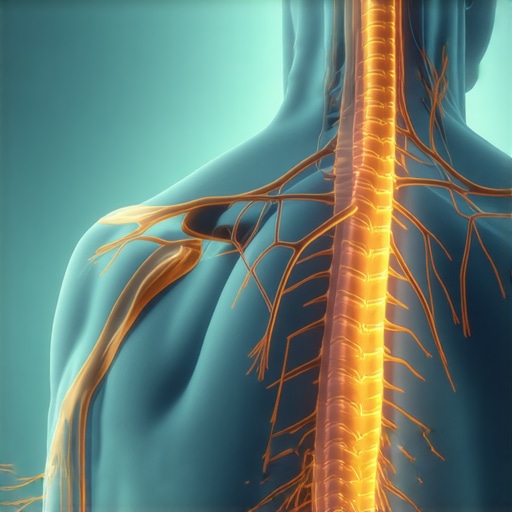
I remember the moment clearly—as I was reaching for my coffee in the morning, a sharp, shooting pain shot through my shoulder, leaving me momentarily gasping. It wasn’t just a typical ache from sleeping wrong or straining after a workout; it was something deeper, something that puzzled me. For days, I felt the discomfort lingering, slowly turning into frustration and concern. That lightbulb moment made me realize I needed to look beyond surface symptoms and understand what was really happening inside my body.
Recognizing the Hidden Culprit Behind Shoulder Pain
If you’ve ever experienced persistent shoulder pain that just won’t go away, especially if it radiates down your arm or causes numbness, you’re not alone. Many people dismiss these sensations as minor issues—something that will resolve on its own or with simple stretches. But what if I told you those seemingly harmless pains could be signs of a more serious nerve involvement, specifically involving your cervical spine and the C6 nerve root?
The truth is, shoulder pain can sometimes be a red flag for nerve impingements originating in your neck. The C6 nerve root emerges from your cervical spine and can be the source of pain, tingling, or weakness in your shoulder and arm—symptoms often mistaken for regular muscle strain. Recognizing these signs early can save you months of discomfort and prevent nerve damage.
Is Your Pain Image Worth the Alarm?
Early on, I made the mistake of ignoring the warning signs. I thought it was just a pulled muscle or pinched nerve that would fade away. It wasn’t until I learned about the significance of nerve involvement in shoulder pain that I started taking my recovery seriously. Even common remedies, if applied without understanding the root cause, can sometimes worsen the condition.
If you’re wondering whether your shoulder pain might be related to a nerve problem, pay close attention to the pattern of your symptoms, especially if they include arm or hand numbness, weakness, or tingling. Don’t ignore these signals—your body’s way of telling you something isn’t right. For a comprehensive understanding, check out this insightful article on how nerve issues can mimic other common ailments.
Knowing how to identify the signs can help you decide whether to seek professional help early, rather than accumulating unnecessary pain or risking nerve damage. Keep reading, and I’ll guide you through the key symptoms that indicate your shoulder pain might be more than just muscular tension—and how addressing your C6 nerve health can make a real difference in regaining your mobility and comfort.
Focus on Correct Posture Alignment
Start by evaluating your daily posture, especially during work or screen time. Think of your spine as a stack of carefully balanced blocks; misalignment like forward head posture weakens the cervical and shoulder areas. To correct this, regularly practice simple posture exercises such as chin tucks or shoulder blade pinches, which can be integrated into your day using tips from mobility mastery. I personally implemented these during my midday breaks and noticed immediate relief in shoulder tension, although it took consistency to see lasting benefits.
Develop a Targeted Stretching Routine
Stretching tight muscles in the neck and shoulders reduces nerve compression. Incorporate movements like doorway stretches or neck tilts, which gently open space around your cervical nerves. Remember, stretching should feel like easing rather than forcing; overstretching can irritate nerves further. When I experimented with daily stretches, I felt a decrease in numbness and improved range of motion, especially after using a simple tennis ball massage to release deep muscular knots as described in tennis ball techniques. Consistency was key – a few minutes daily gradually restored my comfort.
Strengthen Supporting Muscles
Weak shoulder and neck muscles can perpetuate nerve impingement. Focus on exercises that reinforce your upper back and core, creating a stable foundation. Think of your body like a building: if the support beams weaken, the structure becomes unstable. Engaging in targeted strength routines, such as prone scapular retractions or resistance band exercises, can improve stability. I found that integrating beginner-friendly routines from mobility exercises helped my shoulders become less prone to pain and improved nerve function over weeks. Remember, proper form prevents further injury; consider consulting a professional for personalized guidance.
Implement Gentle Mobilization Techniques
Mobilization helps restore movement and reduce nerve compression by gently moving joints. Techniques like neck circles or shoulder rolls can deliver immediate relief, much like oiling a stubborn hinge. These can be performed multiple times a day, especially after periods of inactivity. I experienced noticeable improvements after practicing slow, controlled movements, which also helped reduce stiffness. For a comprehensive approach, explore practices such as gentle spinal decompression or specific mobilization drills from mobility management guides. Always ensure movements are pain-free and stop if discomfort increases.
Monitor and Adjust Your Activities
Constantly assess how daily tasks influence your symptoms. If certain activities worsen pain, modify them to avoid aggravating the nerve. For example, rearranging your workspace or adjusting your sleeping position can make a big difference. Use ergonomic principles—like positioning screens at eye level—to prevent strain. Remember, familiar routines like reaching for objects or sleeping positions can sustain nerve compression if not adjusted. I kept a pain diary to identify triggers, making it easier to implement changes that reduced flare-ups. Quick tips from ergonomic tips can guide small but impactful adjustments.Many people hold onto misconceptions about sciatica, back pain, neck pain, and mobility that can hinder recovery and proper management. A widespread myth is that all back pain stems from poor posture or muscle strain, but in my experience, this oversimplification often leads to overlooked nerve involvement, especially issues related to the lumbar or cervical roots. For instance, believing that pain will resolve on its own ignores signs of nerve compression, which, if left untreated, might result in chronic issues or even nerve damage, as highlighted in recent studies emphasizing early intervention.
A common falsehood is that stretching always helps, but this can be risky if done incorrectly or without understanding the pain’s origin. Overstretching a nerve or joint might exacerbate symptoms instead of alleviating them. Instead, targeted mobility techniques, like those discussed in [mobility mastery](https://bodyrenewtherapy.com/mobility-mastery-daily-tips-to-keep-your-spine-and-joints-healthy), can be safer and more effective.
An advanced mistake many make involves ignoring the body’s subtle signals in favor of generic exercises. For example, blindly doing core routines or flexibility drills without professional guidance can worsen existing nerve impingements or disrupt spinal balance. To prevent this, paying close attention to specific symptoms such as numbness, tingling, or weakness—especially in combination with pain—is crucial. For comprehensive insights, explore [key symptoms to watch](https://bodyrenewtherapy.com/is-your-back-pain-a-sign-of-something-more-serious-key-symptoms-to-watch).
Have you ever fallen into this trap? Let me know in the comments.
When dealing with persistent back or neck pain, it’s not just about more stretching or aggressive workouts but understanding the nuanced interplay between muscles, joints, and nerves. Misconceptions like the idea that pain always correlates with injury severity can lead to unnecessary fear or avoidance of movement, which can worsen mobility over time. Instead, gentle mobilization and cautious activity modifications can facilitate healing, as detailed in [restoring spinal mobility](https://bodyrenewtherapy.com/back-pain-breakthroughs-navigating-your-path-to-restored-mobility).
Furthermore, many overlook the importance of optimizing daily habits—like sitting posture, sleep position, or ergonomic workspace setups—that subtly influence nerve health and overall mobility. Addressing these factors requires an advanced understanding of biomechanics and nerve pathways, emphasizing that quick fixes rarely suffice.
In sum, separating myths from facts in the realm of sciatica and back pain involves recognizing the complexity of nerve involvement, appreciating the body’s signals, and adopting personalized, evidence-based strategies. Your journey towards pain-free movement benefits from this nuanced perspective. Remember to stay informed and consult professionals for tailored guidance.
Investing in Quality Equipment for Long-Term Relief
To truly maintain progress in managing sciatica, back pain, neck discomfort, and mobility, leveraging the right tools is vital. I personally swear by ergonomic office setups, such as adjustable sit-stand desks, which allow me to switch positions throughout the day and prevent stiffness. Additionally, foam rollers with firm but gentle surfaces help me perform self-myofascial release, reducing muscular knots that could impinge nerves. For example, a high-density foam roller effectively targets the psoas and quadratus lumborum muscles—common culprits in lower back pain—and I’ve found consistent use diminishes flare-ups over time.
When it comes to mobility, resistance bands serve as versatile aids for strengthening supporting muscles. I prefer looped bands for their compactness and portability, enabling me to perform shoulder and hip stability exercises anywhere—be it at home or during travel. Regularly integrating these into my routine helps sustain improvements in posture and prevents regression, which is especially important for maintaining spinal alignment long-term.
Harnessing Digital Tools for Monitoring and Progress
Technology plays an increasing role in injury prevention and mobility maintenance. I use specialized apps to track my daily stretches and exercises, which provides accountability and tracks subtle improvements. For instance, apps offering guided mobility routines based on your specific pain points can help ensure consistency and proper form, reducing the risk of injury. Moreover, telehealth platforms allow me to consult with physiotherapists to adjust my routines as needs evolve, which is less intimidating than frequent in-person visits and offers expert oversight.
In the future, I predict wearable devices—like smart posture sensors—will become standard equipment, alerting you when your position deviates from healthy norms. Early warnings about poor posture can prevent the onset of chronic issues, making technology an indispensable part of self-care.
How do I keep my progress sustainable over time?
The key to lasting results is regularity coupled with periodic reassessment. I schedule weekly check-ins with my mobility specialist via online platforms, ensuring my routines adapt to any new challenges or changes in symptoms. Incorporating small but consistent habits—like using a tennis ball for deep tissue massage or performing brief mobility drills during breaks—reinforces the gains made through more intensive sessions.
For example, dedicating just five minutes daily to mobility mastery tips can maintain and even improve spinal and joint health. This ongoing maintenance not only preserves your progress but also attends to the body’s natural aging process, which tends to decrease flexibility and support structures over time.
Questions to Consider: How do I maintain my progress over time?
Understanding that injuries are not static is crucial. Regularly updating your toolbox with new techniques, tools, and knowledge, as explained in mobility mastery, ensures you stay ahead of setbacks. Try implementing a weekly mobility check or scheduling routine self-assessment sessions to catch issues early before they become significant barriers. Remember, maintaining health is an ongoing journey, and equipping yourself with the right tools and knowledge makes that journey smoother and more sustainable.
Unspoken Truths About Chronic Pain That Changed My Perspective
One of the most surprising revelations was how deeply misconceptions about nerve involvement can hinder progress. I used to believe that pain was solely a muscle issue, but understanding the role of nerve roots, especially the C6 nerve, opened new pathways for healing. This insight emphasized that patience and targeted techniques are essential for real recovery.
Another lesson was recognizing the importance of daily habits—small adjustments in posture, activity, and ergonomics — can cumulatively make a significant difference. Implementing ergonomic principles from ergonomic tips transformed my approach to movement and comfort, proving that consistency trumps intensity.
Lastly, I learned that trusting the process—embracing gentle mobilization and supporting muscles—can be more powerful than aggressive treatments. The journey taught me that understanding my body’s signals and responding with patience is key to sustainable mobility and pain relief.
Tools That Made My Path Clearer
My essential toolkit includes simple yet effective items such as a high-density foam roller, which helped release deep muscular tension, and resistance bands for strengthening. I found that incorporating resources like mobility exercises tailored to my needs improved my stability significantly. These tools empower you to take control and make progress in your own space.
Additionally, digital apps for tracking routines and telehealth consultations with professionals provided accountability and expert guidance, keeping me motivated. These modern resources bridge the gap between self-care and professional support, making the journey of improvement more tangible and less daunting.
Your Next Chapter Starts Today
Remember, the road to pain-free movement isn’t paved overnight, but every small step counts. With patience, curiosity, and the right tools, you can reclaim your mobility and enjoy life without discomfort. Embrace the process, stay informed through trusted resources, and always listen to your body’s subtle cues. Your future self will thank you for taking action today.
Have you found a particular technique or habit that helped you manage back or neck pain? Share your story below—your experience might inspire someone else’s healing journey.
}#}#}#}#}#}#}#}#}#}#}#}#}#}#}#}#}#}#}#}#}#}#}#}#}#}#}#}#}#}#}#}#}#}#}#}#}#}#}#}#}#}#}#}#}#}#}#}#}#}#}#}#}#}#}#}#}#}#}#}#}#}#}#}#}#}#}#}#}#}#}#}#}#}#}#}#}#}#}#}#}#}#}#}#}#}#}#}#}#}#}#}#}#}#}#}#}#}#}#}#}#}#}#}#}#}#}#}#}#}#}#}#}#}#}#}#}#}#}#}#}#}#}#}#}#}#}#}#}#}#}#}#}#}#}#}#}#}#}#}#}#}#}#}#}#}#}#}#}#}#}#}#}#}#}#}#}#}#}#}#}#}#}#}#}#}#}#}#}#}#}#}#}#}#}#}#}#}#}#}#}#}#}#}#}#}#}#}#}#}#}#}#}#}#}#}#}#}#}#}#}#}#}#}#}#}#}#}#}#}#}#}#}#}#}#}#}#}#}#}#}#}#}#}#}#}#}#}#}#}#}#}#}#}#}#}#}#}#}#}#}#}#}#}#}#}#}#}#}#}#}#}#}#}#}#}#}#}#}#}#}#}#}#}#}#}#}#}#}#}#}#}#}#}#}#}#}#}#}#}#}#}#}#}#}#}#}#}#}#}#}#}#}#}#}#}#}#}#}#}#}#}#}#}#}#}#}#}#}#}#}#}#}#}#}#}#}#}#}#}#}#}#}#}#}#}#}#}#}#}#}#}#}#}#}#}#}#}#}#}#}#}#}#}#}#}#}#}#}#}#}#}#}#}#}#}#}#}#}#}#}#}#}#}#}#}#}#}#}#}#}#}#}#}#}#}#}#}#}#}#}#}#}#}#}#}#}#}#}#}#}#}#}#}#}#}#}#}#}#}#}#}#}#}#}#}#}#}#}#}#}#}#}#}#}#}#}#}#}#}#}#}#}#}#}#}#}#}#}#}#}#}#}#}#}#}#}#}#}#}#}#}#}#}#}#}#}#}#}#}#}#}#}#}#}#}#}#}#}#}#}#}#}#}#}#}#}#}#}#}#}#}#}#}#}#}#}#}#}#}#}#}#}#}#}#}#}#}#}#}#}#}#}#}#}#}#}#}#}#}#}#}#}#}#}#}#}#}#}#}#}#}#}#}#}#}#}#}#}#}#}#}#}#}#}#}#}#}#}#}#}#}#}#}#}#}#}#}#}#}#}#}#}#}#}#}#}#}#}#}#}#}#}#}#}#}#}#}#}#}#}#}#}#}#}#}#}#}#}#}#}#}#}#}#}#}#}#}#}#}#}#}#}#}#}#}#}#}#}#}#}#}#}#}#}#}#}#}#}#}#}#}#}#}#}#}#}#}#}#}#}#}#}#}#}#}#}#}#}#}#}#}#}#}#}#}#}#}#}#}#}#}#}#}#}#}#}#}#}#}#}#}#}#}#}#}#}#}#}#}#}#}#}#}#}#}#}#}#}#}#}#}#}#}#}#}#}#}#}#}#}#}#}#}#}#}#}#}#}#}#}#}#}#}#}#}#}#}#}#}#}#}#}#}#}#}#}#}#}#}#}#}#}#}#}#}#}#}#}#}#}#}#}#}#}#}#}#}#}#}#}#}#}#}#}#}#}#}#}#}#}#}#}#}#}#}#}#}#}#}#}#}#}#}#}#}#}#}#}#}#}#}#}#}#}#}#}#}#}#}#}#}#}#}#}#}#}#}#}#}#}#}#}#}#}#}#}#}#}#}#}#}#}#}#}#}#}#}#}#}#}#}#}#}#}#}#}#}#}#}#}#}#}#}#}#}#}#}#}#}#}#}#}#}#}#}#}#}#}#}#}#}#}#}#}#}#}#}#}#}#}#}#}#}#}#}#}#}#}#}#}#}#}#}#}#}#}#}#}#}#}#}#}#}#}#}#}#}#}#}#}#}#}#}#}#}#}#}#}#}#}#}#}#}#}#}#}#}#}#}#}#}#}#}#}#}#}#}#}#}#}#}#}#}#}#}#}#}#}#}#}#}#}#}#}#}#}#}#}#}#}#}#}#}#}#}#}#}#}#}#}#}#}#}#}#}#}#}#}#}#}#}#}#}#}#}#}#}#}#}#}#}#}#}#}#}#}#}#}#}#}#}#}#}#}#}#}#}#}#}#}#}#}#}#}#}#}#}#}#}#}#}#}#}#}#}#}#}#}#}#}#}#}#}#}#}#}#}#}#}#}#}#}#}#}#}#}#}#}#}#}#}#}#}#}#}#}#}#}#}#}#}#}#}#}#}#}#}#}#}#}#}#}#}#}#}#}#}#}#}#}#}#}#}#}#}#}#}#}#}#}#}#}#}#}#}#}#}#}#}#}#}#}#}#}#}#}#}#}#}#}#}#}#}#}#}#}#}#}#}#}#}#}#}#}#}#}#}#}#}#}#}#}#}#}#}#}#}#}#}#}#}#}#}#}#}#}#}#}#}#}#}#}#}#}#}#}#}#}#}#}#}#}#}#}#}#}#}#}#}#}#}#}#}#}#}#}#}#}#}#}#}#}#}#}#}#}#}#}#}#}#}#}#}#}#}#}#}#}#}#}#}#}#}#}#}#}#}#}#}#}#}#}#}#}#}#}#}#}#}#}#}#}#}#}#}#}#}#}#}#}#}#}#}#}#}#}#}#}#}#}#}#}#}#}#}#}#}#}#}#}#}#}#}#}#}#}#}#}#}#}#}#}#}#}#}#}#}#}#}#}#}#}#}#}#}#}#}#}#}#}#}#}#}#}#}#}#}#}#}#}#}#}#}#}#}#}#}#}#}#}#}#}#}#}#}#}#}#}#}#}#}#}#}#}#}#}#}#}#}#}#}#}#}#}#}#}#}#}#}#}#}#}#}#}#}#}#}#}#}#}#}#}#}#}#}#}#}#}#}#}#}#}#}#}#}#}#}#}#}#}#}#}#}#}#}#}#}#}#}#}#}#}#}#}#}#}#}#}#}#}#}#}#}#}#}#}#}#}#}#}#}#}#}#}#}#}#}#}#}#}#}#}#}#}#}#}#}#}#}#}#}#}#}#}#}#}#}#}#}#}#}#}#}#}#}#}#}#}#}#}#}#}#}#}#}#}#}#}#}#}#}#}#}#}#}#}#}#}#}#}#}#}#}#}#}#}#}#}#}#}#}#}#}#}#}#}#}#}#}#}#}#}#}#}#}#}#}#}#}#}#}#}#}#}#}#}#}#}#}#}#}#}#}#}#}#}#}#}#}#}#}#}#}#}#}#}#}#}#}#}#}#}#}#}#}#}#}#}#}#}#}#}#}#}#}#}#}#}#}#}#}#}#}#}#}#}#}#}#}#}#}#}#}#}#}#}#}#}#}#}#}#}#}#}#}#}#}#}#}#}#}#}#}#}#}#}#}#}#}#}#}#}#}#}#}#}#}#}#}#}#}#}#}#}#}#}#}#}#}#}#}#}#}#}#}#}#}#}#}#}#}#}#}#}#}#}#}#}#}#}#}#}#}#}#}#}#}#}#}#}#}#}#}#}#}#}#}#}#}#}#}#}#}#}#}#}#}#}#}#}#}#}#}#}#}#}#}#}#}#}#}#}#}#}#}#}#}#}#}#}#}#}#}#}#}#}#}#}#}#}#}#}#}#}#}#}#}#}#}#}#}#}#}#}#}#}#}#}#}#}#}#}#}#}#}#}#}#}#}#}#}#}#}#}#}#}#}#}#}#}#}#}#}#}#}#}#}#}#}#}#}#}#}#}#}#}#}#}#}#}#}#}#}#}#}#}#}#}#}#}#}#}#}#}#}#}#}#}#}#}#}#}#}#}#}#}#}#}#}#}#}#}#}#}#}#}#}#}#}#}#}#}#}#}#}#}#}#}#}#}#}#}#}#}#}#}#}#}#}#}#}#}#}#}#}#}#}#}#}#}#}#}#}#}#}#}#}#}#}#}#}#}#}#}#}#}#}#}#}#}#}#}#}#}#}#}#}#}#}#}#}#}#}#}#}#}#}#}#}#}#}#}#}#}#}#}#}#}#}#}#}#}#}#}#}#}#}#}#}#}#}#}#}#}#}#}#}#}#}#}#}#}#}#}#}#}#}#}#}#}#}#}#}#}#}#}#}#}#}#}#}#}#}#}#}#}#}#}#}#}#}#}#}#}#}#}#}#}#}#}#}#}#}#}#}#}#}#}#}#}#}#}#}#}#}#}#}#}#}#}#}#}#}#}#}#}#}#}#}#}#}#}#}#}#}#}#}#}#}#}#}#}#}#}#}#}#}#}#}#}#}#}#}#}#}#}#}#}#}#}#}#}#}#}#}#}#}#}#}#}#}#}#}#}#}#}#}#}#}#}#}#}#}#}#}#}#}#}#}#}#}#}#}#}#}#}#}#}#}#}#}#}#}#}#}#}#}#}#}#}#}#}#}#}#}#}#}#}#}#}#}#}#}#}#}#}#}#}#}#}#}#}#}#}#}#}#}#}#}#}#}#}#}#}#}#}#}#}#}#}#}#}#}#}#}#}#}#}#}#}#}#}#}#}#}#}#}#}#}#}#}#}#}#}#}#}#}#}#}#}#}#}#}#}#}#}#}#}#}#}#}#}#}#}#}#}#}#}#}#}#}#}#}#}#}#}#}#}#}#}#}#}#}#}#}#}#}#}#}#}#}#}#}#}#}#}#}#}#}#}#}#}#}#}#}#}#}#}#}#}#}#}#}#}#}#}#}#}#}#}#}#}#}#}#}#}#}#}#}#}#}#}#}#}#}#}#}#}#}#}#}#}#}#}#}#}#}#}#}#}#}#}#}#}#}#}#}#}#}#}#}#}#}#}#}#}#}#}#}#}#}#}#}#}#}#}#}#}#}#}#}#}#}#}#}#}#}#}#}#}#}#}#}#}#}#}#}#}#}#}#}#}#}#}#}#}#}#}#}#}#}#}#}#}#}#}#}#}#}#}#}#}#}#}#}#}#}#}#}#}#}#}#}#}#}#}#}#}#}#}#}#}#}#}#}#}#}#}#}#}#}#}#}#}#}#}#}#}#}#}#}#}#}#}#}#}#}#}#}#}#}#}#}#}#}#}#}#}#}#}#}#}#}#}#}#}#}#}#}#}#}#}#}#}#}#}#}#}#}#}#}#}#}#}#}#}#}#}#}#}#}#}#}#}#}#}#}#}#}#}#}#}#}#}#}#}#}#}#}#}#}#}#}#}#}#}#}#}#}#}#}#}#}#}#}#}#}#}#}#}#}#}#}#}#}#}#}#}#}#}#}#}#}#}#}#}#}#}#}#}#}#}#}#}#}#}#}#}#}#}#}#}#}#}#}#}#}#}#}#}#}#}#}#}#}#}#}#}#}#}#}#}#}#}#}#}#}#}#}#}#}#}#}#}#}#}#}#}#}#}#}#}#}#}#}#}#}#}#}#}#}#}#}#}#}#}#}#}#}#}#}#}#}#}#}#}#}#}#}#}#}#}#}#}#}#}#}#}#}#}#}#}#}#}#}#}#}#}#}#}#}#}#}#}#}#}#}#}#}#}#}#}#}#}#}#}#}#}#}#}#}#}#}#}#}#}#}#}#}#}#}#}#}#}#}#}#}#}#}#}#}#}#}#}#}#}#}#}#}#}#}#}#}#}#}#}#}#}#}#}#}#}#}#}#}#}#}#}#}#}#}#}#}#}#}#}#}#}#}#}#}#}#}#}#}#}#}#}#}#}#}#}#}#}#}#}#}#}#}#}#}#}#}#}#}#}#}#}#}#}#}#}#}#}#}#}#}#}#}#}#}#}#}#}#}#}#}#}#}#}#}#}#}#}#}#}#}#}#}#}#}#}#}#}#}#}#}#}#}#}#}#}#}#}#}#}#}#}#}#}#}#}#}#}#}#}#}#}#}#}#}#}#}#}#}#}#}#}#}#}#}#}#}#}#}#}#}#}#}#}#}#}#}#}#}#}#}#}#}#}#}#}#}#}#}#}#}#}#}#}#}#}#}#}#}#}#}#}#}#}#}#}#}#}#}#}#}#}#}#}#}#}#}#}#}#}#}#}#}#}#}#}#}#}#}#}#}#}#}#}#}#}#}#}#}#}#}#}#}#}#}#}#}#}#}#}#}#}#}#}#}#}#}#}#}#}#}#}#}#}#}#}#}#}#}#}#}#}#}#}#}#}#}#}#}#}#}#}#}#}#}#}#}#}#}#}#}#}#}#}#}#}#}#}#}#}#}#}#}#}#}#}#}#}#}#}#}#}#}#}#}#}#}#}#}#}#}#}#}#}#}#}#}#}#}#}#}#}#}#}#}#}#}#}#}#}#}#}#}#}#}#}#}#}#}#}#}#}#}#}#}#}#}#}#}#}#}#}#}#}#}#}#}#}#}#}#}#}#}#}#}#}#}#}#}#}#}#}#}#}#}#}#}#}#}#}#}#}#}#}#}#}#}#}#}#}#}#}#}#}#}#}#}#}#}#}#}#}#}#}#}#}#}#}#}#}#}#}#}#}#}#}#}#}#}#}#}#}#}#}#}#}#}#}#}#}#}#}#}#}#}#}#}#}#}#}#}#}#}#}#}#}#}#}#}#}#}#}#}#}#}#}#}#}#}#}#}#}#}#}#}#}#}#}#}#}#}#}#}#}#}#}#}#}#}#}#}#}#}#}#}#}#}#}#}#}#}#}#}#}#}#}#}#}#}#}#}#}#}#}#}#}#}#}#}#}#}#}#}#}#}#}#}#}#}#}#}#}#}#}#}#}#}#}#}#}#}#}#}#}#}#}#}#}#}#}#}#}#}#}#}#}#}#}#}#}#}#}#}#}#}#}#}#}#}#}#}#}#}#}#}#}#}#}#}#}#}#}#}#}#}#}#}#}#}#}#}#}#}#}#}#}#}#}#}#}#}#}#}#}#}#}#}#}#}#}#}#}#}#}#}#}#}#}#}#}#}#}#}#}#}#}#}#}#}#}#}#}#}#}#}#}#}#}#}#}#}#}#}#}#}#}#}#}#}#}#}#}#}#}#}#}#}#}#}#}#}#}#}#}#}#}#}#}#}#}#}#}#}#}#}#}#}#}#}#}#}#}#}#}#}#}#}#}#}#}#}#}#}#}#}#}#}#}#}#}#}#}#}#}#}#}#}#}#}#}#}#}#}#}#}#}#}#}#}#}#}#}#}#}#}#}#}#}#}#}#}#}#}#}#}#}#}#}#}#}#}#}#}#}#}#}#}#}#}#}#}#}#}#}#}#}#}#}#}#}#}#}#}#}#}#}#}#}#}#}#}#}#}#}#}#}#}#}#}#}#}#}#}#}#}#}#}#}#}#}#}#}#}#}#}#}#}#}#}#}#}#}#}#}#}#}#}#}#}#}#}#}#}#}#}#}#}#}#}#}#}#}#}#}#}#}#}#}#}#}#}#}#}#}#}#}#}#}#}#}#}#}#}#}#}#}#}#}#}#}#}#}#}#}#}#}#}#}#}#}#}#}#}#}#}#}#}#}#}#}#}#}#}#}#}#}#}#}#}#}#}#}#}#}#}#}#}#}#}#}#}#}#}#}#}#}#}#}#}#}#}#}#}#}#}#}#}#}#}#}#}#}#}#}#}#}#}#}#}#}#}#}#}#}#}#}#}#}#}#}#}#}#}