
The Real Reason Your Hamstrings Always Feel Tight
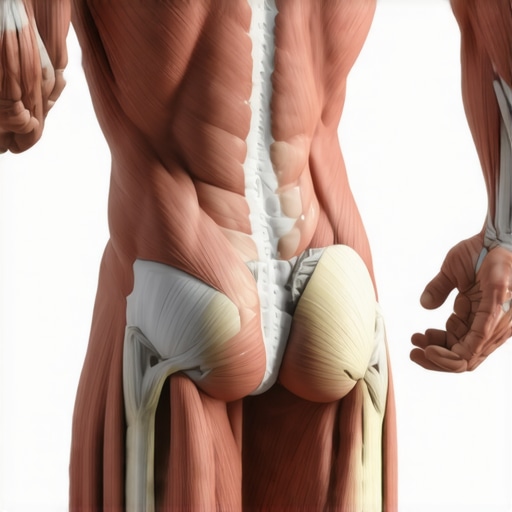
Have you ever stretched, foam rolled, and even tried yoga, only to find your hamstrings stubbornly tight, aching, or, worse, feeling like they might snap if you stretch too far? I’ve been there. One morning, after an intense workout, I stood in front of the mirror, trying to touch my toes, only to realize my hamstrings felt like overcooked rubber bands—completely unresponsive to all my efforts. That frustration hit hard, and I knew I wasn’t alone. Many people struggle with persistent hamstring tightness that just won’t go away, no matter how much they stretch or how many foam rollers they buy.
The Hidden Culprit Behind Persistent Hamstring Tightness
Here’s the truth I finally discovered: tight hamstrings aren’t simply about inflexible muscles. It’s usually a symptom of something deeper—possibly your hip mobility, lower back stability, or even nerve tension. Early on, I made the mistake of focusing solely on my hamstrings, thinking more stretching was the answer. But that only made things worse. The real breakthrough came when I looked at the connection between my hips, lower back, and hamstrings. If these areas aren’t working together properly, your hamstrings will keep tightening up as a sort of protective response.
Surprisingly, research shows that tight hamstrings can often be linked to nerve tension or poor pelvic alignment, not just muscle stiffness. For example, a study published in the Journal of Bodywork and Movement Therapies highlights how nerve irritation can mimic muscular tightness, deceiving you into thinking it’s just tight muscles when it’s actually nerve-related. That’s why, sometimes, even intense stretching doesn’t provide lasting relief.
So, if you’re tired of futile stretches that don’t solve the real problem, join me as we explore effective strategies that address the root causes and help you regain your mobility. If this sounds familiar, don’t worry. I’ve been through the same frustration, and I found that small, targeted changes can make a world of difference.
Is Reaching for the Perfect Hamstring Stretch Worth It?
Many of us believe stretching is the golden ticket. I used to think so, too. But early on, I discovered I was wasting time doing endless hamstring stretches without addressing underlying issues like pelvic misalignment or nerve tension. That mistake delayed my progress and added to my frustration. It’s a common trap—thinking that more stretching equals better mobility. But in reality, improving mobility often requires looking beyond just the muscles and into how your nervous system and joints work together.
If you’re curious whether your hamstring tightness is just muscle or something more, check out our post on the simple test for sciatic nerve involvement. Recognizing the true cause is the first step toward lasting relief.
Activate Your Core to Support Your Hamstrings
Start with engaging your deep core muscles before stretching. Lie on your back, knees bent, and gently draw your belly button toward your spine, imagining tightening a corset. This stabilizes your pelvis and reduces undue strain on your hamstrings, making stretches more effective. I personally tried this before a long walk; activating my core reduced hamstring tightness during movement, enabling me to walk further without discomfort.
Address Pelvic Tilt with Targeted Movements
A tilted pelvis can pull on hamstrings, perpetuating tightness. To correct this, perform pelvic tilts: lie on your back, tighten your abdominal muscles, and gently flatten your low back against the floor. Hold for a few seconds, then release. Repeating this daily, I noticed decreased hamstring tension and better hip alignment over time. This technique can prevent your hamstrings from overcompensating for poor pelvic posture.
Practice Gentle Nerve Glide Exercises
Persistent tightness might involve nerve tension. One effective method is nerve glide exercises, which gently mobilize nerves housed in your hips and pelvis. For example, while seated, extend one leg straight, flex your ankle, and tilt your head away from the extended limb. This sequence gently flushes nerve pathways, reducing tension. Incorporating this after a long day at the computer helped me diminish numbness and tightness in my legs. To learn more about nerve involvement, check the simple test for sciatic nerve issues.
Stretch Strategically with Functional Movements
Static stretching alone isn’t enough; you need movements that mimic daily activities. For example, perform hamstring waves: lie on your back, lift one leg off the ground, and gently oscillate it, keeping the knee slightly bent. This mobilizes the muscle and improves flexibility gradually. I integrated this into my morning routine and found my hamstrings responded better to deeper stretches later on. Remember, combining mobility drills with stretching enhances both flexibility and muscular resilience.
Incorporate Posture and Movement Breaks Regularly
Sitting for extended periods can perpetuate tightness. Take short breaks every 30 minutes: stand, walk around, or perform gentle leg swings. These micro-movements promote blood flow and prevent muscles from becoming stiff. During a week of implementing these breaks, I avoided the usual afternoon hamstring tightness that often hampered my workouts. Using ergonomic insights from ergonomic tips for daily comfort can further support your efforts.
Combine Strengthening with Flexibility
Balance your routine with exercises that strengthen the hips and lower back, such as bridges and bird-dogs. These stabilize your pelvis and improve overall mobility. I added hip bridges post-activation, which surprisingly reduced hamstring strain during physical activity. A stronger posterior chain supports flexibility efforts and guards against future tightness, making your mobility routine more comprehensive.
By systematically applying these steps—core activation, pelvic correction, nerve mobility, functional stretching, movement breaks, and strengthening—you create a holistic approach that addresses the root causes of hamstring tightness. Remember, consistency is key; these small adjustments compound into lasting relief and increased range of motion.
When it comes to chronic back, sciatica, or neck pain, many assume that sheer strength or flexibility is the ultimate fix. However, as an expert in movement and rehabilitation, I’ve seen countless cases where this common belief misses the mark. The truth is, most people get wrong the complexities underlying these issues — particularly, the crucial role that neural and postural nuances play in persistent discomfort. Instead of focusing solely on muscle stretches or strengthening routines, exploring deeper levels like nerve tension, joint mechanics, and posture misalignments can dramatically improve outcomes.
One frequent myth is that pain always equals tissue damage, leading to aggressive exercises or unnecessary rest. In reality, pain can often be a nervous system response or a protective adaptation rather than an indication of injury. For example, research shows that nerve tension, especially in the limbs and spine, can mimic muscular pain and perpetuate discomfort if overlooked. This misconception often results in patients performing endless stretches that target muscles but ignore neural mobility issues, thus failing to resolve the core problem permanently.
Is Your Pain Linked to Neural Sensitivity or Structural Damage?
Clarifying this point is vital for effective recovery. Advanced assessments like neural tension tests can help differentiate between muscle strain and nerve involvement, allowing for targeted interventions such as nerve gliding exercises. Incorporating these techniques can prevent the common pitfall of over-stretching already irritated nerves, which can exacerbate symptoms and hinder healing. This nuanced understanding helps us avoid the ‘oops’ of misdiagnosis and over-treatment, ultimately guiding safer, more precise strategies.
Another area often misunderstood is static postural correction. People tend to think that standing or sitting upright consistently is the ultimate goal, but in practice, it can sometimes lead to rigidity and compensations. Instead, dynamic movement and active control of postural muscles are more effective for restoring normal function. For example, dynamic stabilization exercises that engage the core and pelvic muscles can retrain the nervous system to maintain healthier positions without unnecessary stiffness. To deepen your approach, consider examining your habitual postures and how subtle shifts — like slight pelvic tilts or shoulder retractions — influence overall spinal mechanics. You can learn more about the connection between posture and pain by visiting this resource.Maintaining your spinal health over time requires the right combination of tools, consistency, and smart practices. One of my go-to pieces of equipment is a high-quality foam roller, which I use daily to release deep muscle tension and improve my mobility. Instead of generic foam rollers, I prefer those with a dense, firm surface that permits targeted myofascial release—specifically, the Grid Foam Roller. I personally incorporate it into my morning routine after waking up, focusing on my thoracic and lumbar regions to prevent stiffness throughout the day.
Beyond physical tools, I rely heavily on digital apps that track my posture and remind me to take movement breaks. For example, the [Upright GO](https://bodyrenewtherapy.com/back-pain-breakthroughs-navigating-your-path-to-restored-mobility) device syncs with my phone and vibrates to alert me when I slouch. This constant feedback has been instrumental in ingraining better postural habits and avoiding chronic issues like neck pain. I believe that integrating such biofeedback tools represents the future of sustainable posture correction and pain prevention.
For strengthening and functional mobility, I recommend a set of resistance bands with variable tension levels. I use Theraband Gold, which offers the resistance needed for safe, controlled strengthening exercises targeting the hips and lower back. These bands are portable and versatile, making it easy to perform vital stabilization movements anywhere—be it at home or during travel. Consistent use of resistance bands enhances muscular support around vulnerable joints, reducing the likelihood of flare-ups from muscular imbalances.
Another beneficial tool is a mirror mounted at eye level on your workspace, facilitating immediate visual feedback on your posture. This simple addition can highlight subtle misalignments, encouraging active corrections. To take this further, I suggest practicing the “mirror check” technique every hour—simply glancing at your reflection to ensure your head isn’t jutting forward or your shoulders aren’t rounded. This habit, although seemingly minor, can significantly diminish the development of tech neck and related discomforts.
Looking ahead, the trend is moving toward combining real-time biofeedback with AI-driven analytics to personalize recovery routines. Imagine an app that not only tracks your posture but also adjusts your exercises based on data collected over weeks, tailoring interventions for maximum effectiveness. As AI continues to evolve, expect more sophisticated tools to emerge, making long-term maintenance more intuitive and less time-consuming. To stay ahead, I advise integrating manual tools with digital solutions—layers that reinforce consistency and empower you to take control of your mobility.
How do I maintain my mobility routine over time?
Consistency is the cornerstone here. Schedule regular check-ins with yourself, using tools like resistance bands or biofeedback devices to monitor progress. Keep your tools accessible and part of your daily environment, so they become habits—not chores. Additionally, diversify your exercises periodically—adding new mobility drills or strengthening movements prevents plateaus and keeps engagement high. Remember, understanding your current status and adjusting your routines is essential; consulting experts or specialist platforms like this resource can provide personalized guidance tailored to your evolving needs. Finally, celebrate small milestones—each improvement in mobility or reduction in pain reinforces your commitment and keeps you motivated for the long haul.
What the Toughest Lessons Taught Me About Movement
The most surprising revelation was realizing that my hamstring tightness wasn’t just about muscle flexibility; it was intertwined with my nervous system and pelvic alignment. Over time, I learned that chasing more stretches without addressing neural mobility might actually worsen the problem—an eye-opening lesson that shifted my entire approach to recovery.
Tools That Changed How I Feel
My favorite resource is the Grid Foam Roller, which allowed me to target deep fascial restrictions with precision, significantly improving my mobility. The Upright GO posture device provided real-time feedback that helped me correct habits that contributed to tension. Resistance bands like Theraband Gold became essential for strengthening supporting muscles, creating a balanced foundation for healthier movement.
Embrace the Journey—Your Movement Revolution Starts Now
Remember, achieving lasting hamstring flexibility isn’t about pushing harder but about understanding your body’s intricate connections. Small, consistent actions—like core activation, pelvic tilts, and nerve glides—can lead to profound change. Dare to listen to your body’s subtle signals, stay curious, and trust that every mindful movement brings you closer to relief. Your path to freedom from tightness and discomfort begins today—believe in your ability to transform your mobility, one gentle step at a time.
What have you discovered about your movement habits that surprised you? Drop your insights below and share your journey toward greater flexibility.