
Why Walking Barefoot Might Be the Key to Better Spine Health
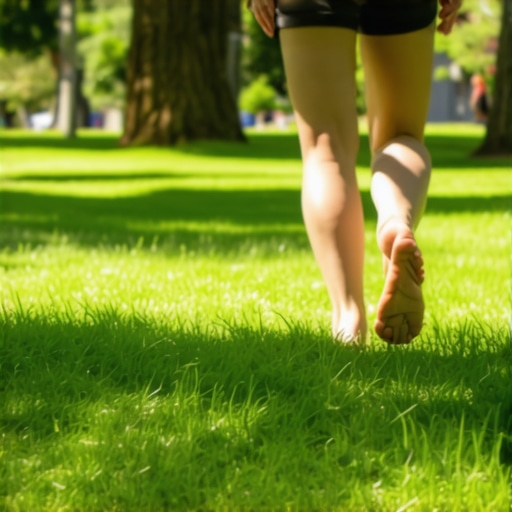
It was one of those mornings I won’t forget. I was limping out of bed, my lower back aching like I’d just lifted a mountain. The kind of pain that makes every movement feel like a struggle. I remember thinking, “There has to be a better way.” That lightbulb moment led me down a surprising path—one that started with simply kicking off my shoes and walking barefoot around my house. And let me tell you, everything changed.
Rediscovering Natural Movement: The Power of Barefoot Walking
As I explored the benefits of barefoot movement, I was amazed to learn how much our modern footwear might be contributing to spine issues. Our ancestors didn’t walk around with cushioned soles—they felt the ground beneath their feet, which helped maintain proper alignment and balance. Today, living with persistent back pain or sciatic discomfort often leads us to seek quick fixes. But sometimes, the solution is as simple as reconnecting with nature—literally, our own feet.
Research indicates that walking barefoot can improve proprioception—the sense of our body’s position—which is essential for maintaining a healthy spine. By allowing our feet to move naturally, we encourage better posture and reduce undue stress on the back and hips. I initially dismissed this idea, thinking, “Really? Just walking barefoot?” But after trying it myself, I noticed a significant difference in my mobility and pain levels.
If you’ve ever experienced the frustration of chronic back pain, you’re probably familiar with the cycle of discomfort—limited movement, stiffness, and a sense of helplessness. That was me before I discovered that small daily habits could create profound changes. And yes, I made mistakes in those early days—like walking barefoot on uneven surfaces, thinking it would be an instant fix. Trust me, that led to some minor setbacks. For a safer approach, I recommend gradual exposure and paying attention to how your body responds.
By incorporating barefoot walking into my routine, I started reshaping how I thought about mobility. It wasn’t just about stretching or strengthening muscles; it was about restoring the natural function of my feet and spine. If you’re tired of feeling stuck and are open to exploring how simple changes can make a difference, keep reading. I’ll share practical tips on how to safely introduce barefoot walking and other habits that can support your spine health.
Are you currently facing back or neck pain that just won’t go away? If so, you’re not alone. Many find that small adjustments—like reconnecting with their feet—can lead to meaningful relief. For more expert advice on managing back pain, check out our article on unlocking mobility with proven strategies. Ready to take the first step toward a healthier spine? Let’s dive into the *why* behind this simple yet powerful practice.
Start with Gentle Foot Engagement
My first step was to consciously lift and wiggle my toes while standing barefoot. I did this for 2 minutes daily, focusing on feeling each toe connect with the ground. This activity stimulates the small muscles in your feet, which help stabilize your ankle and knee joints, ultimately supporting your lower back. A focused toe lift acts like a micro-activation for your entire spine, much like priming a pump before heavy lifting. Incorporate this into your morning routine to begin realigning your posture.
Sculpt Your Pelvis with Wall Drills
Next, I leaned my lower back against a wall, feet a few inches away from it, and gently pressed my lower back into the wall while tilting my pelvis slightly forward. Hold for 5 seconds, then release. Repeating this 10 times activates your deep core muscles and resets pelvic tilt, which is crucial for back health. Think of this move as aligning the foundation of a building—if the foundation is tilted, everything above suffers. Practice this daily to create a stable base for your movements.
Stretch the Hip Flexors to Release Lower Back Tension
One afternoon, I took a forward lunge position, lowering my hips until I felt a stretch in the front of my hip. Holding for 30 seconds per side, I realized this release eased the persistent lower back stiffness I’d been battling. The hip flexors connect to your lumbar spine through the pelvis; tightness here pulls your pelvis into an anterior tilt, stressing your back. Regularly stretching these muscles prevents this phenomenon, much like easing tension on a stretched rubber band. Incorporate this stretch anytime you feel your hips or lower back tightening up.
Unlock Spinal Rotation with Gentle Twists
Another technique that made a big difference was gentle spinal rotations. Sitting upright, I crossed my arms over my chest and slowly turned my upper body to one side, holding for 15 seconds. Repeat on both sides. This movement helps maintain lumbar mobility and prevents stiffness from setting in. Think of your spine like a hinge; regular lubrication keeps it flexible. Doing this daily can prevent the buildup of stiff segments that lead to discomfort and restrict movement.
Use Deep Breathing to Relax Tense Muscles
Finally, I added focused breathing: deep inhales filling my lower lungs, slow exhales releasing tension. This physiological reset reduces muscle spasms, especially in the lower back. Imagine your muscles as rubber bands; gentle stretching and breathing prevent them from tightening further. Practice this for 5 minutes before bed or during breaks to sustain muscle relaxation and enhance overall mobility.
Record Your Progress and Adjust Accordingly
Initially, my coordination was messy—sometimes I over-activated a muscle or stretched too aggressively. Keeping a simple journal of what I did each day helped me notice patterns and adapt. Consistency is vital; small, daily adjustments compound over time. For more structured guidance, consider exploring comprehensive strategies in [Unlocking mobility with expert tips](https://bodyrenewtherapy.com/unlocking-mobility-expert-tips-on-managing-back-pain-in-2025). Incorporating these tangible steps creates a cycle of movement and recovery, laying the groundwork for sustained back health.Many people believe that stretching is the all-in-one solution for back, neck, or sciatica pain, but experts warn against oversimplifying this approach. Rigidly stretching muscles without understanding their underlying cause can sometimes exacerbate issues, especially if the root problem is joint dysfunction or neural entrapment. For instance, stretching the hamstrings aggressively may feel good temporarily but can worsen sciatic symptoms if the sciatic nerve is compressed or irritated at a higher level. Instead, focusing on restoring proper joint mobility and nerve gliding often offers a more lasting solution. It’s a common misconception that pain equals muscle tightness, but often, the real culprit might be joint restriction or poor posture that leads to compensatory movement patterns. Addressing these nuances, such as improving thoracic mobility to reduce lumbar strain, is essential for long-term relief. Advanced practitioners recognize the importance of evaluating movement patterns rather than solely isolating muscles or segments. One actionable mistake to avoid is falling into the trap of doing endless core or back exercises without correcting fundamental joint or nervous system dysfunction. Research indicates that stabilization workouts are most effective when paired with mobility and neural mobility work, as highlighted by expert movements recommended in our [back pain breakthroughs guide](https://bodyrenewtherapy.com/back-pain-breakthroughs-navigating-your-path-to-restored-mobility).
A prevalent myth is that standing or walking barefoot instantly neuters pain. While reconnecting with natural movement has benefits, jumping right into barefoot walking on uneven surfaces can cause micro injuries or overstress tender tissues if done abruptly. Your nervous system needs gradual exposure, especially if chronic pain has led to protective guarding. This is where understanding the difference between mobility restrictions and neural tension becomes critical. Neural tension refers to nerve pathways that have become stiff or trapped, which can manifest as radiating pain or numbness. Techniques like nerve gliding exercises, rather than just stretches, are crucial for addressing these issues. For example, studies show that nerve mobilization techniques significantly improve symptoms for sciatica sufferers, which can be more effective than traditional stretching alone (see [sciatica relief secrets](https://bodyrenewtherapy.com/unlocking-sciatica-relief-expert-strategies-for-lasting-comfort)).
Now, here’s a sophisticated question: How can you identify whether your pain stems from joint restrictions or nerve impingements? The answer lies in a comprehensive movement assessment and understanding the nuanced signs of nerve involvement, such as shooting pains, tingling, or weakness—symptoms that often worsen with certain positions. Addressing this requires more than just
Essential Equipment for Long-Term Back Wellness
Maintaining mobility and managing pain isn’t a one-time effort; it requires reliable tools that support consistent progress. One of my personal favorites is the foam roller. I use a dense, textured foam roller daily to release my back muscles and fascia, preventing stiffness and promoting blood flow. The key is choosing a roller with firm density and appropriate size to target deep tissues effectively. This investment has transformed my ability to keep my spine flexible over years.
Adding to this, I swear by a Tennis Ball for targeted trigger point release. I often press it against specific knots in my glutes or upper back, rolling gently to alleviate tension that conventional stretching can’t reach. I personally prefer a firm, tennis-ball size ball because it offers the precision needed for deep muscle work without risking injury. Incorporating this small but mighty tool into your routine can make a big difference in maintaining mobility and preventing flare-ups.
For spinal alignment and posture correction, Posture Support Braces or ergonomic accessories like lumbar cushions are invaluable. I recommend a posture brace only as a temporary aid, not a crutch, but it helps retrain your muscle memory for better alignment. My go-to is a contoured lumbar pillow that I place on my chair to promote proper pelvic tilt, which is vital for a healthy back.
Leverage Software and Apps for Progress Tracking
Beyond physical tools, modern technology offers excellent solutions. I use an app called MobilityMaster—it’s a simple, intuitive platform that guides daily mobility routines tailored to my needs. Tracking my progress with such apps reinforces consistency and helps identify emerging issues before they become pain points. As cognitive-behavioral studies show, monitoring progress boosts motivation and adherence, which are crucial for lasting results.
In addition, wearable devices like a Posture Sensor clip onto your back or clothing, providing real-time feedback when you slouch or deviate from optimal positioning. Personally, I use the Upright GO sensor, which vibrates gently if I’ve been in poor posture for too long. This immediate feedback loop helps me activate my core muscles proactively and avoid negative habits that cause long-term issues.
Anticipating the Future of Mobility Tools
The landscape of mobility and pain management tools is rapidly evolving. Smart devices integrating AI with personalized routines will likely become standard, providing dynamic adjustments based on your movement patterns. Virtual reality-based rehabilitation programs might soon allow immersive, interactive therapy in your living room, making compliance easier and more engaging.
How do I keep my tools effective over time?
Consistency and proper technique are critical. Regularly cleaning and replacing foam rollers or balls ensure optimal effectiveness. For software, keeping apps updated and revisiting your routines helps adapt to evolving needs. Plus, always listen to your body—if a tool or exercise causes discomfort beyond normal muscle fatigue, reassess and consult a professional. Remember, tools are only as good as the way you use them. Incorporate these tools into your daily habits, and you’ll build a resilient foundation for longevity. For an in-depth guide, check out our mobility mastery tips. Don’t hesitate—try integrating a foam roller into your routine today, and feel the difference.During my journey from chronic pain to renewed mobility, I discovered that some of the most profound healing comes from embracing the details most overlook—like your feet or your breathing. It’s empowering to realize that you don’t need complicated gadgets or endless therapy sessions; often, the answers are hidden within small, deliberate actions. For example, mastering neural mobility exercises or integrating mindful posture checks transformed my daily experience. These insights are not just tips—they’re a testament to how personalized, consistent effort unlocks your body’s natural resilience. If you’re ready to go beyond generic stretches and tap into your body’s innate capacity for healing, remember: the key lies in understanding your unique patterns and honoring where they’re leading you. Your back pain doesn’t have to be forever; with awareness and intentional movement, you can reclaim your vitality.