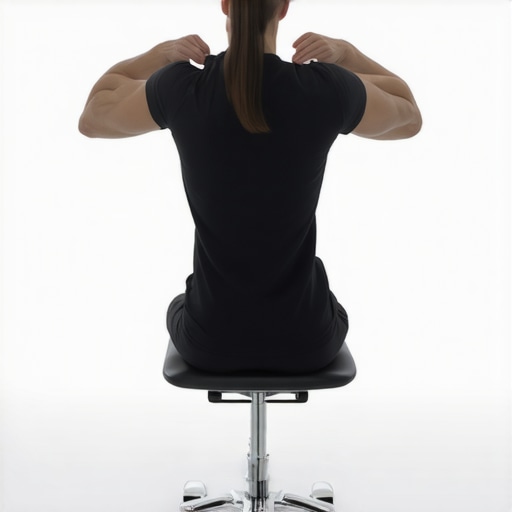
I remember the exact moment I realized I couldn’t turn my head without a sharp, shooting pain—like my neck was a rusty hinge about to snap. It hit me hard one morning when I was trying to get my kid into the car, and I just couldn’t twist enough to reach the seatbelt. That frustration, that helplessness, made me think: “There has to be a better way.” Over the years, I’ve battled my fair share of neck stiffness and discomfort, and I’ve learned that quick fixes only go so far. The real breakthrough came when I stopped chasing temporary relief and started focusing on proven, sustainable solutions. If you’ve ever felt the same, you’re not alone. And today, I want to share what actually works to restore your mobility and banish that nagging pain for good.
Why Neck Pain Can Feel Like a Constant Battle
Neck pain isn’t just a minor annoyance. It’s a signal from your body that something’s off—whether it’s poor posture, muscle strain, or even stress. The tricky part? It often sneaks up on us, especially with how much time we spend hunched over screens or in awkward positions. I used to dismiss my discomfort as just “part of life,” but ignoring it only made things worse. When I finally dug into the root causes, I discovered that many of us fall into common traps—like neglecting proper alignment or overdoing repetitive movements—that keep the pain cycle going. The good news? There are simple, practical ways to break free. If you’re tired of feeling stiff and restricted, stick with me. We’re going to tackle this head-on.
Is Neck Pain Relief Just a Myth or Can You Really Fix It?
Early on, I made the mistake of thinking that stretching alone would solve everything. Spoiler: it didn’t. I also believed that resting was the answer, but that only led to more stiffness. The truth is, lasting relief comes from a combination of targeted exercises, proper posture, and lifestyle adjustments. There are no magic pills—just consistent, effective techniques. If you’re skeptical, I get it. I was too. But trust me, with the right approach, you can regain your range of motion and reduce discomfort significantly. Curious? Let’s dive into the practical steps that helped me, and can help you, too. And if you want a comprehensive guide, check out these proven techniques.
Target Your Posture and Alignment
Start by assessing your daily habits. I vividly remember a morning when I realized my constant neck stiffness was tied to my poor sitting position at my desk. I used a mirror to observe my posture and noticed my head jutted forward, straining my neck muscles. Correcting this involved adjusting my chair height and computer monitor to eye level, preventing further misalignment. For ongoing relief, incorporate ergonomic adjustments like proper desk setup, which you can learn more about in ergonomic tips for everyday comfort. This simple step reduces undue stress on your neck and supports sustainable relief.
Implement Targeted Mobility Exercises
Next, focus on specific movements that mobilize stiff joints. I once dedicated 10 minutes to gentle neck circles and chin tucks, even when I felt impatient. Initially, my movements were awkward, and I felt resistant tension, but persistence paid off. These exercises help lubricate joints and stretch tight muscles. Consistency is key—aim to perform mobility drills daily, such as those outlined in proven neck mobility techniques. Over time, I noticed a significant reduction in stiffness, making my neck feel freer and less painful.
Strengthen Supporting Muscles
Weak muscles often contribute to persistent neck pain. I realized this when I started incorporating shoulder blade squeezes and upper back strengthening exercises into my routine. Initially, I felt clumsy, but these movements helped stabilize my cervical spine, reducing strain. Use resistance bands or light weights to gradually build strength, and focus on proper form. For comprehensive guidance, check simple exercises that enhance mobility. Strong supporting muscles create a solid foundation, making your neck less vulnerable to pain and stiffness.
Practice Mindful Stress Management
Stress can tighten neck muscles, creating a vicious cycle of pain. I learned this firsthand when my stress levels spiked during a hectic week, and my neck pain worsened. Deep breathing, meditation, and gentle stretching helped me relax my muscles and break the cycle. Incorporate daily stress-relief routines like diaphragmatic breathing or progressive muscle relaxation, which you can explore in breaking stress-related pain cycles. Managing stress not only alleviates muscle tension but also promotes better sleep and overall well-being, accelerating recovery.
Adopt Consistent Lifestyle Habits
Finally, small daily habits can make a big difference. I committed to regular movement breaks, avoiding prolonged static postures. Using reminders or setting timers helped me stretch every 30 minutes, preventing stiffness from settling in. Additionally, staying hydrated and maintaining a balanced diet supported tissue health. For more tips, see tips to improve mobility fast. Consistency in these habits ensures long-term relief and keeps your neck healthy and resilient.
Many individuals believe that stretching or resting are the ultimate remedies for neck pain. While these can be helpful, relying solely on them often leads to frustration and prolonged discomfort. A common misconception is that neck pain will resolve on its own with time, but in reality, ignoring persistent symptoms can cause chronic issues.
One of the most overlooked nuances is the importance of addressing underlying causes like poor posture and muscle imbalances rather than just treating symptoms. For example, a study published in the Journal of Physical Therapy Science highlights that correcting myofascial trigger points and muscle imbalances yields more sustainable relief than temporary stretches alone (source).
Another trap many fall into is believing that neck pain is solely due to recent injury or strain. However, in many cases, chronic neck issues stem from long-term habits like prolonged computer use, improper ergonomics, or stress-induced muscle tightness. These factors require a comprehensive approach, including lifestyle modifications and targeted exercises, rather than quick fixes.
Why Does Focusing Only on Flexibility Sometimes Backfire?
Many assume that increasing flexibility through aggressive stretching will always improve neck mobility. But overdoing it without strengthening surrounding muscles can destabilize the cervical spine, making you more prone to injury. It’s a delicate balance—strengthening supportive muscles is crucial. Resistance training targeting the upper back and shoulders helps create a stable foundation, preventing excessive strain on the neck itself. For advanced strategies, explore these mobility techniques.
Furthermore, neglecting the role of stress and emotional health in muscle tension is a mistake. Chronic stress can lead to sustained muscle tightness, worsening neck pain over time. Incorporating stress management practices like mindfulness or deep breathing can significantly enhance recovery (source).
Remember, effective neck pain relief isn’t about quick fixes. It’s about understanding the complex interplay of posture, muscle balance, lifestyle, and stress. Have you ever fallen into this trap? Let me know in the comments, and stay tuned for more insights on achieving lasting relief.
How do I keep my neck flexible and pain-free over time?
Maintaining neck mobility requires consistent effort and the right tools. Over the years, I’ve discovered that investing in specific equipment and adopting proven methods can make a significant difference in long-term relief. For example, I personally rely on a cervical foam roller, which helps release muscle tension and improve blood flow. Using it daily, especially after long periods of desk work, keeps my neck muscles supple and reduces stiffness. Foam rollers are affordable, easy to use, and highly effective for myofascial release, a technique that targets trigger points and tight spots in muscles. For an added boost, I incorporate a massage gun, which I use to target stubborn knots in my upper shoulders and neck. The deep percussive therapy from a massage gun accelerates recovery and prevents chronic tightness. If you’re serious about long-term results, consider integrating these tools into your routine. They help maintain flexibility and prevent the re-emergence of pain.
Using software and apps to track progress and stay consistent
Beyond physical tools, I find that digital apps can be game-changers in maintaining neck health. I personally use a posture reminder app that prompts me to adjust my sitting position and do quick stretches throughout the day. This helps me stay mindful of my posture, which is crucial in avoiding strain and stiffness. Additionally, there are guided mobility routines available on platforms like YouTube or specialized apps that I follow daily. These guided sessions ensure I perform exercises correctly and stay motivated. Consistency is vital, so setting reminders and tracking your progress can reinforce good habits. Over time, these small, consistent actions lead to lasting improvements in neck mobility and pain reduction.
What are future trends in neck pain management?
Looking ahead, I believe technology will play an even larger role in personalized care. Wearable devices that monitor posture and muscle tension in real-time are becoming more sophisticated. Imagine a smart collar that alerts you when your neck is misaligned or tense, prompting immediate corrective action. Additionally, advancements in virtual reality and biofeedback could offer immersive, real-time guidance during exercises, making it easier to maintain proper form and technique. As these innovations become more accessible, managing neck health will be more integrated into daily life, providing proactive and personalized solutions.
How do I sustain progress without relapse?
The key to maintaining your gains is consistency. I recommend dedicating a few minutes daily to mobility exercises and posture checks. Incorporate ergonomic adjustments at your workspace, like adjustable desks and monitor stands, which you can learn more about in ergonomic tips for everyday comfort. Regularly revisiting your routine ensures that your neck remains flexible and pain-free. Remember, small daily habits compound over time, leading to long-lasting relief and resilience against future discomfort. Don’t forget to document your progress and adjust your tools as needed—this keeps your routine dynamic and effective.
Start today by trying out a simple mobility tool like a foam roller or a guided stretch routine. These small investments in your health can pay dividends in long-term mobility and pain prevention. Keep at it, stay consistent, and your neck will thank you for it!
The Hardest Lesson I Learned About Neck Pain
One of the toughest realizations was that quick fixes like aggressive stretching or ignoring the pain only prolonged my discomfort. True relief required patience and a comprehensive approach, focusing on correcting posture and strengthening supporting muscles rather than just chasing temporary relief.
My Unexpected Insight About Stress and Neck Discomfort
It wasn’t just physical habits causing my neck pain; stress played a massive role. I discovered that incorporating stress management routines, like deep breathing and mindfulness, dramatically improved my recovery and reduced muscle tightness, proving that emotional health deeply influences physical well-being.
The Surprising Power of Consistency
Initially, I underestimated how small daily habits—like taking posture breaks or using ergonomic tools—could lead to significant long-term improvements. Regularly revisiting and refining my routine kept my neck flexible and pain-free, showing me that persistence outweighs quick fixes.
Resources That Transformed My Approach
For anyone serious about neck health, I recommend exploring these proven techniques to develop a personalized plan. Additionally, ergonomic tips from this guide have been foundational in maintaining good posture, while stress management strategies helped me break the cycle of chronic tension.
Embrace Your Power to Change
Taking charge of your neck health isn’t about quick fixes; it’s about consistent effort and awareness. My journey taught me that you can regain mobility and comfort with the right mindset and tools. If you’re ready to make a lasting change, start today—your neck will thank you for it.