
The Simple Trick to Avoid Back Pain While Mowing the Lawn
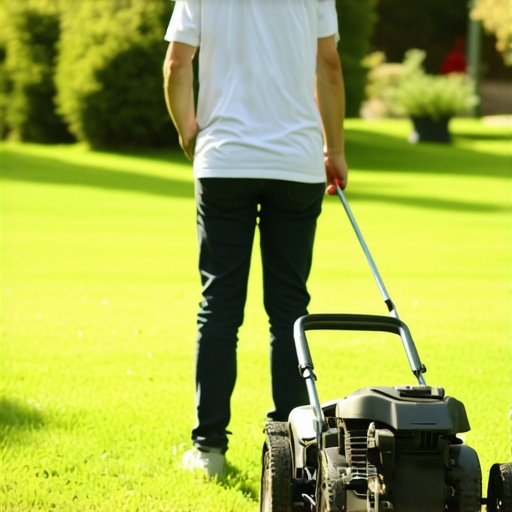
There I was, halfway through mowing my lawn, when a sharp twinge shot through my lower back. It was familiar, that nagging pain I’d battled for years, and suddenly I realized just how much I was pushing my body to its limits—with little thought about the toll it was taking. That moment of discomfort turned into a lightbulb: I was doing it wrong. Have you ever felt that aching dread after a day of yard work, wondering if the pain is just part of growing older or if there’s a better way? Today, I want to share a simple but powerful trick that transformed my mowing routine and reduced my back pain significantly. This isn’t about high-tech gadgets or expensive equipment; it’s about a straightforward adjustment anyone can make—trust me, I’ve been there, made the mistake early on of ignoring my posture, and paid the price. But now? I’m walking taller and mowing more comfortably.
The Secret to Mowing Without Back Pain
Is It Really Worth It to Change How I Mow?
When I first started experiencing chronic back pain, I thought it was just part of aging or maybe a sign I was overdoing it. I didn’t realize that something as simple as my stance, grip, and movement could be the culprit. Early on, I made the mistake of ignoring my body’s signals, pushing through the discomfort—only to find it worsened. Then I discovered that adjusting my posture and technique made a world of difference. According to recent research, poor posture and repetitive bending can significantly increase the risk of back injury, especially when doing lawn care tasks. Adapting my technique helped me avoid those pitfalls and kept my back healthy during the most active season of the year.
So, if you’re tired of ending your yard work with a stiff, sore back, read on. We’ll explore practical strategies that can save you discomfort and keep your spine happy. Ready to take the first step towards a pain-free mowing experience?
Adjust Your Stance and Grip for Better Support
During my messy first attempt at applying this method, I realized I was gripping the mower handle tightly and leaning forward unhealthily. I immediately loosened my grip and focused on keeping my back straight. This small change greatly reduced strain on my lumbar region. Think of your body like a tree: strong roots (your core and posture) stabilize the trunk (your spine). When the roots are firm, the whole tree stays upright and resilient. To mimic this, stand with feet shoulder-width apart, gently bend your knees, and engage your core muscles before starting. Implement simple core exercises regularly to reinforce this support system. Ensuring your grip isn’t overly tight helps prevent unnecessary tension traveling up your arms and shoulders, which can translate into back discomfort.
Use Proper Lifting and Bending Techniques
I once tried to pick up the fallen leaf bag without bending my knees and instead leaned over at my waist. The next day, I paid the price with a stiff lower back. Now, I squat down by bending at the hips and knees, keeping my back flat and chest open. Visualize your spine as a stack of sturdy blocks; keep them aligned to avoid herniated discs or nerve compression. When you need to reach or lift, maintain this posture and avoid twisting. For repetitive movements, perform conscious micro-breaks to reset your spine alignment, which significantly reduces strain. Remember, https://bodyrenewtherapy.com/why-stretching-your-lower-back-right-now isn’t always helpful; sometimes, gentle movement and proper mechanics are what matters most.
Optimize Your Walking and Movement Patterns
During one session, I noticed I was walking with a hunched shoulder and uneven gait. Correcting my posture involved imagining a string pulling me upward from the crown of my head. This simple mental cue improved my balance and reduced back fatigue. When mowing, walk with small, deliberate steps, avoiding rapid or uneven strides that put undue stress on your spine. Bending your knees slightly with each step acts as shock absorbers, much like a spring. If you experience sciatica or nerve-related pain, controlling your movement patterns can prevent aggravation. For deeper insight, https://bodyrenewtherapy.com/understanding-the-link-between-poor-posture-and-chronic-back-pain explains the mechanics behind such adjustments.
Incorporate Gentle Mobility Exercises
After a particularly stubborn afternoon, I resorted to gentle hip and spine rotations before wrapping up. These targeted movements loosen tight muscles and improve range of motion, making the next mowing session less taxing. Think of your joints like hinges on a door—if they’re stiff, the door doesn’t swing smoothly. Regularly performing simple mobility drills, such as pelvic tilts or seated spinal twists, can keep your back flexible and resilient. Remember, https://bodyrenewtherapy.com/boost-your-back-mobility-simple-exercises-that-make-a-difference is a goldmine for effective routines that derisk your activity.
Plan and Modify Your Routine to Prevent Fatigue
I learned the hard way that mowing without breaks leads to poor posture and increased strain. Now, I plan my yard work with regular pauses—every 15 to 20 minutes—to stretch and reset. These micro-breaks help sustain proper mechanics and prevent fatigue-induced poor form. To avoid overexertion, alternate tasks—mowing, trimming, edging—and stay aware of your body’s signals. A simple technique is the ‘pause and check’ method: pause, take a deep breath, and assess your posture before continuing. For tips on ongoing self-care, https://bodyrenewtherapy.com/unlocking-mobility-expert-tips-on-managing-back-pain-in-2025 will guide you through sustainable habits.
Most individuals believe that persistent back or neck pain stems solely from physical injuries or aging. While there’s some truth to this, a deeper nuance often gets overlooked: the complex interplay of nerve sensitivities, muscle imbalances, and subconscious protective mechanisms. For example, many assume that stretching is always beneficial for sciatica, but in reality, aggressive or incorrect stretching can exacerbate nerve irritation and prolong recovery if done improperly. Understanding these intricacies helps prevent common pitfalls and speeds up healing.
An often-missed nuance is the body’s tendency to develop protective Maintaining your back, neck, and overall mobility over time requires the right tools and consistent habits. One of my favorite accessories is a high-quality **ergonomic lumbar support cushion**, which I personally use during long desk hours. Unlike generic cushions, mine is memory foam with adjustable straps, allowing me to achieve optimal lumbar alignment whether I’m working or resting. This simple tool has significantly reduced my lower back discomfort and is easy to incorporate into daily routines. For mobile work, I’ve invested in a **stability ball chair**; it encourages active sitting, engaging core muscles naturally, and preventing slouching—one of the common causes of chronic pain. I recommend the **Swopper chair** because it offers dynamic movement that mimics active standing, proven to improve spinal health over months of regular use. Moreover, integrating **software reminders** like the ** posture-focused app** ‘Upright GO’ helps me maintain awareness throughout the day, nudging me to correct my posture before tension develops. In the future, expect more AI-driven wearables that monitor posture in real-time and provide immediate feedback, making consistent self-care effortless.
How do I maintain my mobility tools and routines over time?
Regular cleaning of support devices ensures durability and hygiene, while periodic replacement—such as every 2-3 years for your chair cushions—keeps support effective as materials wear. Scheduling routine check-ins with professionals like a physical therapist can also help adjust and optimize your setup for evolving needs. Personally, I set quarterly reviews of my ergonomic setup, inspired by tips from recent research indicating that consistent reevaluation enhances long-term results (see https://bodyrenewtherapy.com/back-pain-breakthroughs-navigating-your-path-to-restored-mobility). Incorporating targeted **mobility exercises** like those outlined in our mobility mastery guide ensures muscles stay flexible and resilient, reinforcing the benefits of your tools. To keep your routine sustainable, use habit stacking—pairing new habits with existing daily activities—such as adjusting your support cushion every morning when you start work. Remember, consistent small adjustments and proper maintenance are key to ongoing relief and improved function. If you’re ready to refine your setup, reach out for personalized guidance via our contact page.
Secrets That Break Through the Noise of Common Myths
One of the toughest lessons I learned was that not all pain is created equal. I used to believe that stretching every ache was the answer, but I discovered that aggressive or improper stretches could actually worsen nerve irritation associated with sciatica. This revelation taught me to listen more carefully to my body and seek tailored advice. Additionally, I realized that the body’s protective mechanisms often mask underlying issues, making it crucial to approach back health holistically rather than just symptomatically.
Tools and Strategies That Truly Changed My Approach to Back Care
From ergonomic lumbar supports to dynamic chairs like the Swopper, investing in quality tools has been transformative. I trust resources like simple mobility exercises and professional guidance to maintain sustained relief. Also, incorporating apps such as Upright GO has heightened my awareness of posture throughout the day, proving that technology, when used correctly, can be a powerful ally in managing chronic back discomfort.
Embracing the Inner Shift for Lasting Relief
The most profound change came when I shifted my mindset from reactive to proactive. Regular mobility routines, micro-breaks during activities, and mindful movement have made pain management a sustainable part of my lifestyle. I encourage anyone battling back pain to adopt a similar approach: recognize the signals early, use the right tools, and commit to consistent habits. Because ultimately, the goal isn’t just symptom relief—it’s cultivating resilience and freedom of movement that lasts a lifetime.
What’s Your Next Step Towards a Healthier Back?
If you’ve found value in these insights, I invite you to explore further with our detailed guides and expert tips. Small, intentional changes can harvest remarkable results. Don’t wait for pain to become unmanageable—start today, and enjoy a future where mobility and comfort go hand in hand.
Have you already tried any techniques that transformed your back health? Share your experiences below—your story might inspire someone else’s journey to comfort and resilience.
,