
Why Most People Do the Plank Exercise Wrong for Their Back
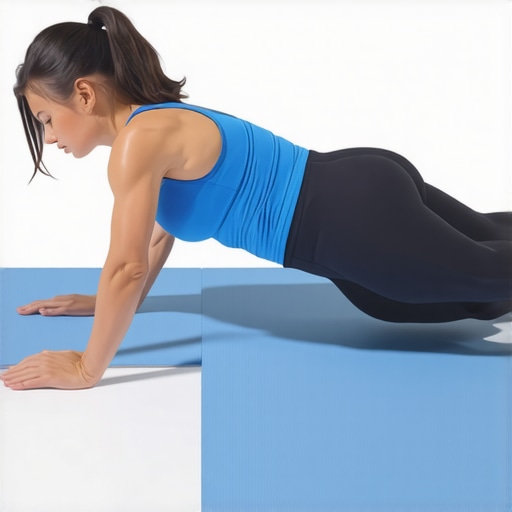
I remember the moment it hit me—lying on the floor, trying to hold a plank, and feeling that familiar twinge in my lower back. It was a discomfort I couldn’t ignore, and frankly, it made me wonder if everything I’d been told about core workouts was wrong. That lightbulb moment wasn’t just about pain; it was about realization. I’d been doing planks with good intentions, but I was unknowingly sabotaging my back health all along.
The Hidden Mistake That Sends Many Plank Enthusiasts to the Chiropractor
Whenever I see people doing planks, I notice a common issue—most aren’t aligning their spines correctly or engaging their core properly. This mistake turns a strengthening exercise into a potential source of pain. The problem isn’t necessarily that planks are bad; it’s that we’ve been missing the mark on proper form. Early on, I made the mistake of focusing solely on holding my body rigid without paying attention to what’s really happening in my core and lower back. That oversight is what caused my discomfort and could do the same to you.
Research has shown that improper exercise technique can lead to injury rather than improvement. In fact, a study published in the Journal of Orthopaedic & Sports Physical Therapy found that many individuals perform common core exercises with compensations that increase spinal load and risk of injury. So, what’s the fix? Today, I promise to guide you through the correct form and key adjustments that will make your planks effective and safe, even if you’ve struggled with back pain before.
Is Your Love for Planks Actually Wrecking Your Back?
Here’s the hard truth I learned the hard way: even well-intentioned exercises like planks can do more harm than good if done incorrectly. I was once convinced that just holding the position was enough—until I started experiencing persistent aches that wouldn’t go away. That’s when I realized I’d been neglecting a crucial aspect of proper technique. Don’t fall into the same trap; your back’s health depends on it. If you’ve faced similar frustrations or doubts, I encourage you to read more about how to master your core without risking injury [here](https://bodyrenewtherapy.com/why-do-lots-of-people-do-the-plank-wrong-for-their-back). Ready to learn the truth about safe, effective planks? Let’s dive in.
Align Your Body Like a House Foundation
Imagine building a house on uneven ground—your structure won’t last long. Similarly, when performing a plank, your spine should be perfectly aligned, like a straight line from head to heels. To achieve this, lie on your stomach, then lift into a forearm plank, keeping your elbows directly beneath your shoulders. Focus on engaging your core muscles as if tightening a corset around your waist. I once caught myself sagging during a plank, which caused a strain in my lower back; correcting my alignment instantly relieved the discomfort and improved my hold time.
Activate Your Deep Core for Stability
Engage the Transverse Abdominis First
The secret to a safe plank is not just holding your body still but actively tightening your deep abdominal muscles. Think of drawing your navel toward your spine without holding your breath—like zipping up a tight pair of pants. This engagement stabilizes your lumbar spine and prevents sagging. I learned this technique after watching a tutorial on deep core activation, and I immediately felt my back become less sore after each session.
Brace and Maintain Neutral Spine
Brace your core as if preparing for a gentle punch—this creates intra-abdominal pressure that supports your spine. Keep your head aligned with your spine; imagine holding a small object on your forehead to prevent tilting up or down. Practice maintaining this neutral position for 10 seconds, then rest. It’s a small step that makes a big difference. I noticed that focusing on this brace and neutral alignment keeps my back pain at bay over longer holds.
Progress with Controlled Breathing
Synchronization of breath and movement enhances stability. Take deep, diaphragmatic breaths—inhale through your nose expanding your belly, then exhale slowly. This controlled breathing reduces tension and activates your parasympathetic nervous system, helping your muscles relax. When I started syncing my breath with my core engagement, I found my planks felt more controlled and less taxing on my back.
Practice Proper Rest and Recovery
Even perfect form can’t prevent overuse injuries. Incorporate rest days and avoid holding planks for excessive durations. If you experience discomfort that persists, consider consulting a professional and exploring options like sciatica relief techniques to ensure your core workouts support your back health rather than hinder it. Remember, quality over quantity wins in the fight against back pain and improves mobility over time.
Many people believe that all back, neck, and sciatic pain originate from obvious causes like injury or poor posture. However, in my experience, the real issue often lies in overlooked nuances and misconceptions that hinder effective recovery. One common myth is that pain directly correlates with tissue damage, but research by the American College of Rheumatology shows that pain perception can persist even after tissue healing, making it crucial to differentiate between symptom management and underlying causes. A hidden trap many fall into is neglecting the importance of neurological factors; for instance, nerve irritation or sensitization can sustain pain cycles long after the initial injury has healed. Understanding this can drastically change your approach, shifting focus from mere symptom suppression to addressing nerve health and mobility issues. When addressing chronic pain, advanced techniques like nerve gliding exercises can be game-changers, especially when combined with proper movement patterns. [Learn more about nerve glide techniques here](https://bodyrenewtherapy.com/the-nerve-glide-technique-for-numbness-in-your-toes). A sophisticated question worth considering is: How can we distinguish between pain caused by structural issues versus neurochemical sensitization? Recent studies suggest that imaging often fails to capture nerve-related causes, emphasizing the importance of functional assessments and tailored interventions. Recognizing these nuances helps prevent common mistakes such as excessive reliance on passive treatments or ignoring mobility exercises that target nerve dynamics. Keep in mind that strengthening exercises alone might not resolve nerve-related pain if mobility restrictions and neural tension are ignored. Always evaluate your movement patterns and consult experienced professionals to get a comprehensive picture. If you’re tired of temporary relief and want sustainable solutions, consider exploring strategies like mobilization, proper posture adjustments, and nerve health optimization. For deeper insights into persistent back or neck issues, visit [our comprehensive back mobility guide](https://bodyrenewtherapy.com/boost-your-back-mobility-simple-exercises-that-make-a-difference). Have you ever fallen into this trap? Let me know in the comments.Maintaining your back, neck, and overall mobility over time requires the right set of tools and habits. I personally rely on specific equipment and methods that have proven effective in supporting my journey toward pain-free movement. For example, I swear by a high-quality foam roller. Not just any foam roller will do—look for one with Firm density and a textured surface to target deep muscle layers. I use it post-workout to break up my fascia, improve circulation, and prevent muscle knots that contribute to chronic pain. A simple 5-minute session can drastically reduce muscle tension and enhance mobility, especially in the thoracic spine, which is often overlooked but vital in maintaining proper posture.
Another indispensable tool is a stability ball, which I incorporate into core routines. Unlike traditional planks that might strain your back if done improperly, using a stability ball allows for dynamic stabilization exercises. It encourages engagement of deep core muscles, like the transverse abdominis, which are essential for long-term spinal health.
Technology also plays a role. I recommend investing in a posture-tracking app. These apps remind you to sit correctly and adjust your workstation throughout the day. Consistent awareness is key—over time, it conditions your habits and reduces the risk of degenerative issues. I personally use an app that pairs with a wearable device to give real-time feedback, making it easier to sustain good posture habits during long workdays.
In terms of mobility, a resistance band personalized for shoulder and hip mobility drills has been transformative. I use it daily for exercises like the shoulder dislocate and hip flexor stretches, which improve range of motion and prevent nerve compression, common culprits in sciatica and neck pain. One effective method I adopt comes from Dr. Stuart McGill’s research, emphasizing controlled, pain-free movement to reinforce healthy neural pathways and restore function.
Looking ahead, I predict the integration of smart wearable tech with biomechanical feedback will become mainstream. Devices capable of monitoring muscle activation and joint angles in real time will allow us to fine-tune our movements and prevent injury before it occurs.
**How do you sustain your back and neck health over time?** A vital step is implementing an ergonomic workstation setup. Proper monitor height, chair support, and foot placement create a foundation that minimizes strain. For personalized recommendations, I suggest reaching out through our contact page to get tailored advice.
Over the course of my journey with back pain and mobility challenges, I learned that true progress often comes from embracing the nuanced lessons instead of just chasing numbers or quick fixes. The insights I’ve gathered emphasize that safety and consistency beat brute strength or superficial routines every time. By refining your form, listening to your body’s signals, and integrating smart practices, you can turn seemingly simple exercises like planks into powerful tools for long-term health and resilience.
What the Toughest Lessons About Spinal Safety Taught Me
- Never underestimate the power of alignment: Maintaining a neutral spine during planks isn’t just about looks—it’s vital for preventing injury. My breakthrough came when I started consciously visualizing my body as a straight line, like a well-constructed bridge, avoiding sagging hips or rounded shoulders.
- Engagement over endurance: Holding a position isn’t enough; active core activation is what fortifies your back. Focusing on deep abdominal muscles transformed my approach and drastically reduced discomfort.
- Breathing is your secret weapon: Properly timed diaphragmatic breathing enhances stability and reduces tension. integrating this into my routine not only eased pain but also improved my endurance.
- Listening to your body’s feedback prevents setbacks. Pushing through pain only deepened my issues until I learned to recognize early warning signs and adjust accordingly.
- Consistency trumps intensity: Small, correct movements practiced regularly outperform sporadic, high-effort sessions. This philosophy helped me build sustainable strength without sacrificing health.
Tools and Resources That Keep My Back Strong
- Sciatica relief strategies have given me a roadmap for addressing nerve-related issues, ensuring I don’t just mask symptoms but target root causes.
- Mobility exercises help me stay flexible, reducing strain and promoting resilience in everyday movements.
- Ergonomic tips tailored to my routine ensure that my workstation supports my back rather than sabotages it.
- Neck pain solutions remind me to keep my head aligned during desk work and daily activities, protecting my cervical spine.
Your Next Step Toward Mobility Confidence
Every improvement begins with a decision to prioritize safety and mastery over shortcuts. Incorporate these insights, use trusted tools, and stay attentive to your body’s cues. Remember, the journey to pain-free movement isn’t linear—patience, consistency, and mindful practice are your best allies. If you’re ready to elevate your core training and ensure it benefits your back rather than harms it, explore more at this resource or reach out via our contact page for personalized guidance.
What small change will you implement today to improve your plank practice and protect your back? Let me know below!
**