
How to Fix Your Pelvic Tilt While Brushing Your Teeth
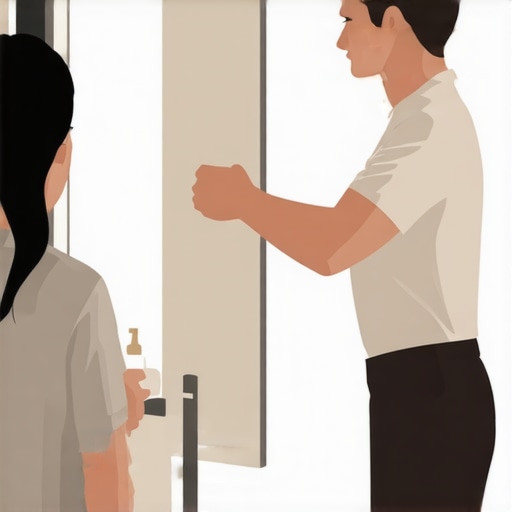
I remember the moment vividly—standing in front of the bathroom mirror, toothbrush in hand, when I suddenly felt that weird tug in my lower back. It was a small sensation, but enough to make me pause mid-brush. That lightbulb moment made me realize something crucial: my pelvic tilt was throwing everything off, even during something as mundane as brushing my teeth.
If you’ve ever experienced that nagging back discomfort after a quick morning routine, you’re not alone. Many overlook the importance of posture during daily activities—especially during those brief moments when we think we’re just cleaning our teeth. But here’s the truth: how you stand or position your pelvis while brushing can impact your overall spinal health. It might sound surprising, but addressing this tiny habit could be a game-changer in reducing back pain and improving mobility.
Why Paying Attention to Pelvic Position During Daily Habits Matters
The way your pelvis aligns influences your entire posture and can either alleviate or exacerbate back issues over time. A misaligned pelvis, often caused by habitual postures, can lead to a tilted pelvis—either anteriorly or posteriorly—that compresses nerves and strains muscles. This imbalance can become chronic, leading to pain that spills over into your hips, knees, and even neck.
A common mistake I made early on was ignoring my pelvic position altogether—thinking it only mattered during workouts or specific stretches. But in reality, unconscious habits during simple tasks like brushing your teeth can silently worsen your alignment. The good news? Small tweaks can make a massive difference.
By consciously maintaining a neutral pelvis during daily routines, you can contribute to long-term spinal health. For instance, when standing at the sink, try to keep your hips level and engage your core. Practicing this consistently can help reinforce better posture outside of exercise sessions.
If you’re tired of waking up with lingering back stiffness or feeling those dull aches after a long day, I recommend exploring how small habit changes can impact your mobility. For more tips on relieving sciatic discomfort, check out [this article on quick home remedies that work](https://bodyrenewtherapy.com/swift-relief-for-sciatica-quick-home-remedies-that-work). It might just be the nudge you need to start taking control of your posture today.
So, have you ever caught yourself in the mirror or felt discomfort during your morning routine? If yes, you’re in the right place. Let’s look at how you can correct your pelvic tilt effortlessly while brushing your teeth, setting the stage for a healthier, pain-free back.
Align Your Pelvis When Standing at the Sink
Imagine you’re brushing your teeth and notice your hips are uneven or tensing up. To correct this, stand with your feet shoulder-width apart, distribute weight evenly, and gently engage your core muscles. Push your hips slightly forward to find a neutral tilt, avoiding anterior or posterior shifts. This micro-adjustment stabilizes your pelvis and prevents strain from developing over time.
As I attempted this during my morning routine, my initial attempts looked messy—feet misaligned, a slight sway—but after consciously engaging my core and adjusting my hips, I felt a noticeable relief in my lower back. Consistency keeps this habit ingrained, making everyday movements a proactive step in back health.
Check and Engage Your Core During Daily Tasks
While standing, consciously tighten your abdominal muscles as if about to receive a gentle punch. This action creates a supportive corset around your spine, maintaining pelvic neutrality. For example, during a quick kitchen clean-up, I paused, activated my core, and realized my pelvis was neutralizing naturally, reducing hotspots of discomfort.
Think of your core like the foundation of a building: the stronger and more aligned it is, the fewer cracks (or pains) you’ll experience. Regularly recalling this, even during brief chores, helps sustain optimal posture and reduces chronic strain.
Use a Mirror for Real-Time Feedback
Set up a full-length mirror in your bathroom or dressing area. Stand in front and observe your posture while performing routine tasks. Is one hip higher than the other? Does your pelvis tilt forward or backward? Use your reflection to make micro-adjustments: shift your weight, tighten your glutes, or gently tilt your pelvis to a neutral position. This immediate visual feedback increases awareness and consolidates proper habits.
During my practice, I noted my pelvis was slightly rotated, causing discomfort that radiated into my hips. Correcting it with the mirror’s guidance reduced tension and improved movement efficiency. Regular mirror checks turn passive habits into active training for better spinal health.
Incorporate Gentle Movements to Reinforce Alignment
Throughout the day, perform micro-movements to counteract habitual misalignments. For instance, when washing dishes or waiting in line, gently shift your weight side to side, tilt your pelvis slightly forward and back, or perform pelvic tilts lying on your back to Many believe that sciatica, back pain, and neck discomfort are solely caused by obvious issues like herniated discs or poor posture. However, a common misconception is that targeting only the symptomatic area is enough for relief. In reality, the underlying cause often lies in muscle imbalances, neural gating mechanisms, or subtle biomechanical misalignments that most overlook. For instance, treating sciatic pain by just using painkillers or stretching can lead to temporary relief but neglects the root problem, resulting in recurring episodes. Advanced approaches emphasize understanding the nervous system’s role, especially how central sensitization amplifies perceived pain, which experts like Dr. David Butler discuss extensively. This nuance suggests that integrating neuroplasticity-based therapies and movement variability is critical for long-term recovery, not just symptom suppression. Be cautious of the trap where patients focus solely on local symptoms, ignoring global movement patterns. This oversight is a common mistake and can lead to chronic pain states. For example, neglecting hip mobility can perpetuate low-back issues even after initial pain subsides. Research indicates that improving global movement patterns and addressing neural factors can dramatically enhance outcomes, as seen in recent studies on chronic pain management. So, next time you’re stretching or icing, consider whether you’re addressing the true underlying contributors. For more insight into safe and effective strategies, explore [this comprehensive guide on sciatic relief techniques](https://bodyrenewtherapy.com/unlocking-sciatica-relief-expert-strategies-for-lasting-comfort).Maintaining your spinal health over the long term requires more than just awareness; it demands the right tools and disciplined routines. One of my favorite devices is the *Foam Roller*, specifically designed to release myofascial tensions. I personally use a firm, high-density foam roller that contours to my back, allowing me to perform self-myofascial release daily. Do this consistently, and you’ll find a noticeable reduction in muscle tightness and improved mobility, especially in areas like the piriformis, which often aggravates sciatica.
Another essential tool is a *Tennis Ball*, which is excellent for targeting deep glute and lower back muscles. I use it to perform specific release techniques like the ‘Piriformis Release,’ detailed in [this effective guide](https://bodyrenewtherapy.com/how-to-use-a-tennis-ball-to-release-deep-glute-tension). This simple addition to my routine has prevented flare-ups and enhanced my flexibility.
For tracking progress and ensuring proper posture, I recommend a *Smart Posture Reminder Device*. Devices like Upright GO provide real-time feedback when you slouch, helping rewire habitual poor posture practices. I rely on my device during work hours to maintain awareness, which complements exercises that strengthen my core and improve overall alignment.
Looking ahead, I predict wearable tech will become even more integrated with biofeedback mechanisms, offering personalized correction tips. This trend will make maintaining spinal health an intuitive part of daily life.
When addressing neck pain, I incorporate *Ergonomic Workstation Tools* — like adjustable monitor stands and ergonomic keyboards. I personally adjust my workspace ergonomically following insights from [this article](https://bodyrenewtherapy.com/how-a-slight-change-in-your-driving-posture-prevents-leg-numbness), which significantly reduces strain.
### How do I maintain progress over time?
Consistency is key. Setting up daily routines that include foam rolling, targeted stretching, and real-time posture correction ensures long-lasting results. Incorporate a strategic mix of strengthening exercises, like [this back mobility routine](https://bodyrenewtherapy.com/boost-your-back-mobility-simple-exercises-that-make-a-difference), and tools that promote self-awareness.
Don’t underestimate the value of technology to maintain your efforts. For example, I schedule weekly check-ins using apps that log discomfort levels and track improvements. This proactive approach helps in early identification of setbacks, facilitating quick corrective actions.
Try integrating a self-myofascial release session with your foam roller tonight—it’s a simple yet powerful step toward resilience. Over time, these small investments in your tools and routines will carve out a sustainable path for long-term mobility and pain prevention.
What I Never Expected About Pelvic Alignment
Earlier in my healing journey, I believed that stretching and strengthening alone would fix my back pain. It wasn’t until I noticed the subtle importance of pelvic neutrality during everyday activities that I had my breakthrough. Realizing that tiny habits, like how I stood while washing dishes, could impact my overall posture was a game-changer.
Overcoming the Myth of Instant Fixes
Admitting that progress sometimes takes small, consistent steps helped me stay patient. I learned that dedicating a few minutes daily to core engagement and pelvis adjustments, like those discussed in mobility exercises, can prevent long-term pain.
Listening to My Body’s Quiet Signals
I discovered that discomfort during routine tasks often indicates deeper alignment issues. By using mirrors for feedback or performing gentle pelvic tilts, I became more attuned to my body’s needs. This awareness helped me intervene before discomfort became chronic.
Tools That Made the Difference
Incorporating devices like foam rollers and tennis balls, as highlighted in self-myofascial release, allowed me to address muscle tightness proactively. The continuous use of ergonomic tools and tech gadgets, such as posture reminders, reinforced good habits.
Why Embracing Change Is a Personal Victory
Finally, I realized that prioritizing my spine health wasn’t just about immediate relief but about reclaiming my mobility for life. Each micro-adjustment, each mindful movement, built confidence and resilience. My journey taught me that lasting relief stems from understanding your unique body and committing to gentle, consistent care.