
The Secret Link Between Ankle Stiffness and Chronic Back Aches
Have you ever experienced that sudden jolt of pain when you try to bend down, only to realize your back won’t cooperate? Or maybe you’ve been battling persistent aching that just won’t go away, no matter how many stretches or massages you’ve tried. I used to brush off my discomfort as just part of aging or bad luck—until I had a lightbulb moment that revolutionized my approach to back health.
The Pain That Starts From the Ground Up
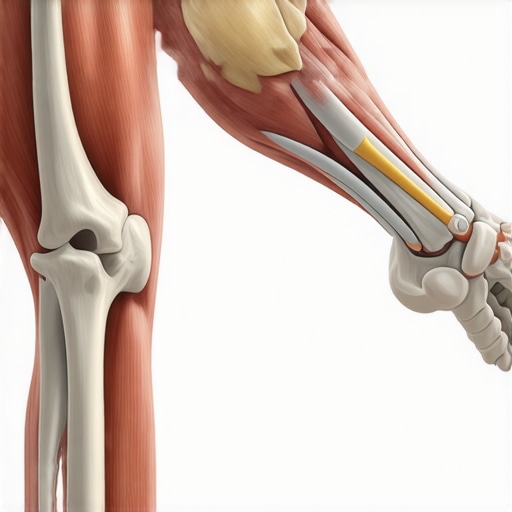
One day, during a routine walk, I noticed my ankles felt unusually stiff and unsteady. It was subtle at first, but over time, this stiffness quietly impacted my mobility, leading to compensations higher up in my spine. That’s when I discovered a astonishing truth: ankle stiffness can be a hidden culprit behind persistent back pain. This connection baffled me at first because I had always thought of back issues as separate from foot or ankle health. Yet, as I delved deeper, I realized that simple restrictions in ankle mobility can cause your body to overwork other parts—like your lower back—to compensate, leading to chronic pain.
Understanding this link was a game-changer. By addressing ankle stiffness early, I was able to reduce my back discomfort significantly. So, today, I want to share this insight with you and show you how fixing mobility issues at your ankles can pave the way toward lasting back relief.
Is This Just Another Fad? Or Is It Worth Putting My Hope In?
Early in my journey, I made a common mistake—assuming that all back pain was rooted solely in my back muscles or discs. I ignored my ankles altogether. Trust me, that’s a mistake many people make. Experts at Body Renew Therapy emphasize that mobility issues can stem from the ground up, and neglecting ankle health can prolong pain unnecessarily.
Science backs this up too—studies show that improving ankle flexibility can positively influence the entire kinetic chain, reducing strain on the back (source: National Institutes of Health).
So, if you’ve been battling stubborn back pain, perhaps it’s time to check the mobility of your ankles before considering more invasive treatments or endless stretches that don’t address the root cause. Now, let’s explore how ankle stiffness develops and what you can do to restore your foundation for pain-free movement.
,
Start with Gentle Ankle Mobilization
In my own experience, I noticed that stiffness in my ankles was limiting my overall movement, leading to lower back tension. To address this, I began with simple ankle circles: sit on the floor, lift one foot, and rotate the ankle clockwise and counterclockwise for 10 repetitions each. Doing this daily helped loosen the joint, reducing compensatory strain on my back. Remember, mobility exercises are a cornerstone for long-term relief.
Incorporate Targeted Stretching
Next, I tackled tight hip flexors and hamstrings that often accompany ankle stiffness. I used the half-kneeling hip flexor stretch, holding each side for 30 seconds. This loosened key muscles that pull on your pelvis, impacting your lower back position. Consistent stretching prevents the muscles from pulling your spine into unhealthy alignments.
Bridge the Gap with Strengthening Exercises
Strengthening weak muscles supports better posture and reduces pain. I added glute bridges and core activations to my routine. Lie on your back with knees bent, lift your hips by squeezing your glutes, hold, then lower slowly. These strengthen the posterior chain, acting like a supportive sling for your lumbar spine. For detailed guidance, see back mobility exercises.
Focus on Daily Movement and Posture
Integrate movement into your day: take short breaks from sitting, perform mini stretches, and stay active. I started using a standing desk, which helped reduce static loading on my spine. Be mindful of your posture— keep your head aligned, shoulders relaxed, and feet flat on the floor. Proper ergonomics can prevent the chain reaction of tension and pain.
Use Specific Techniques for Neck and Sciatica Pain
If neck discomfort or sciatica is an issue, targeted techniques can work wonders. For neck pain, I found that gentle neck tilts and rotations—done carefully—helped improve mobility. For sciatic discomfort, simple home remedies like specific stretches and posture adjustments can alleviate pressure on the nerve roots. Prioritize consistency and listen to your body’s signals to avoid overstretching.
Incorporate Regular Mobility Checks
Finally, I set aside 5 minutes each morning to evaluate my movement patterns. A quick posture check ensures I stay aligned and catch any deviations early. Over time, this habitual self-assessment helps prevent issues from escalating.
By systematically addressing joint stiffness and muscle tightness through these actionable steps, you’ll create a resilient foundation that supports pain-free movement. Consistency is key, and tailoring these methods to your specific needs will lead to sustainable improvements in back and overall mobility.
Challenging the Common Narrative on Back and Neck Pain
Many believe that persistent back pain stems solely from muscle strains or disc issues, but this oversimplification ignores a crucial nuance. In my experience, focusing exclusively on symptom relief—like targeting the pain directly—can lead you astray. Instead, true progress arises when you consider the entire kinetic chain, including subtle joint restrictions and postural habits that perpetuate discomfort. For instance, a study published in the NIH emphasizes how ankle mobility influences lumbar stability, illustrating that often neglected joints play a pivotal role. This insight counters the popular myth that deep tissue massages or OTC painkillers are long-term solutions, emphasizing that addressing foundational mobility issues yields sustainable relief.
Another misconception is that neck and back pain only require localized treatment. In reality, advanced dysfunctions, such as biomechanical imbalances from subtle pelvic misalignments or poor ergonomic habits, are often the hidden culprits. These can be tricky because they evade detection through standard self-assessments. Engaging in comprehensive evaluations—like an mobility mastery routine—can reveal these underlying issues and prevent future flare-ups.
Beware the Common Pitfall in Managing Back Pain
A frequent trap is the obsession with static stretching, which many believe is key to fixing stiffness. While stretching does have a role, over-reliance on it without strengthening cold muscles or improving proprioception can worsen the problem. For example, superficial stretching of hamstrings without engaging supporting core muscles can lead to compensations elsewhere, notably in the lower back. A more nuanced approach combines targeted mobility work with strength-building exercises, such as glute bridges, to stabilize the spine effectively. You can find expert tips on this holistic method at this resource.
Applying advanced concepts like neural tension release techniques, or understanding how poor habitual postures subtly deteriorate spinal health over years, empowers you to take control. The mistake is to view back pain as a static condition rather than a dynamic one that responds to comprehensive, nuanced treatment. Incorporating these insights ensures that your approach is informed and effective—so you avoid the cycle of temporary fixes that never serve long-term healing.
Are you guilty of oversimplifying your pain management strategies? Do you focus on the root causes or just the symptoms? Share your thoughts or experiences below—let’s learn from each other’s journeys to a pain-free life. And remember, for a deeper dive into restoring movement and eliminating pain, explore advanced mobility techniques.
How Do I Keep My Back and Neck Moving Without Constant Overhauls?
One of the most critical aspects of back and neck health is consistency in maintenance. To achieve this, I rely on a combination of targeted tools and strategic routines that work together to preserve mobility and prevent setbacks. First, I swear by a high-quality foam roller, which I use daily for my back and thighs. It helps release muscle tension and improve my overall flexibility. I personally prefer the hypervolt massage gun because its percussive therapy penetrates deeper into muscle tissues, reducing chronic stiffness and enhancing recovery. This is especially useful after long periods of sitting or strenuous activity.
Another invaluable tool is a simple resistance band, which I incorporate into my mobility drills to activate stabilizing muscles. Combining band-assisted stretches with my routine ensures that I don’t just bypass tight spots but actively strengthen the supporting structures of my spine. Additionally, I utilize ergonomic equipment such as an adjustable standing desk and an ergonomic chair, which I fine-tune to align with my posture preferences. Proper workspace setup is crucial for maintaining good posture, thereby reducing long-term strain and degeneration.
Software tools also play a role; I set daily reminders using mobility apps that prompt me to perform specific stretches or check my posture. These cues reinforce habits and help me stay proactive rather than reactive to discomfort. Over time, these small, consistent actions lead to impressive long-term results, like increased range of motion and decreased pain episodes.
Looking into The Future of Back and Neck Care
Predictably, advancements in wearable technology and biofeedback devices are going to become integral to personal mobility maintenance. Imagine smart belts or posture sensors that provide real-time alerts to correct bad habits or tension buildup. As these innovations mature, they will make it easier than ever to stay on top of your mobility needs without relying solely on manual routines.
What about Long-Term Readiness and Scaling Up?
To truly keep your back and neck healthy over time, integrating these tools into a scalable routine is key. This could mean gradually increasing the intensity or complexity of exercises as your strength and flexibility improve. Additionally, consulting with a physical therapist periodically ensures your routines adapt to any new challenges or aging changes. Consider exploring [mobility mastery](https://bodyrenewtherapy.com/mobility-mastery-daily-tips-to-keep-your-spine-and-joints-healthy) for a comprehensive guide to staying ahead of issues before they turn into pain.
One advanced tip I recommend trying today is incorporating neural tension release techniques, which target nerve pathways that contribute to chronic discomfort. A simple method involves gentle nerve gliding exercises, which you can learn through trusted resources. Consistent application of this technique can unlock stubborn areas that traditional stretching often misses, paving the way for more effective long-term relief and enhanced movement quality.
Remember, maintaining your mobility isn’t a one-time effort but an ongoing process. By deploying the right tools and strategies now, you set a foundation for a resilient and pain-free future.
The Hardest Lesson I Learned About Back Pain, Mobility, Neck Pain, Sciatica
One profound realization was that relief often comes from addressing issues most overlook—like ankle mobility or subtle posture habits—rather than just symptoms. I wasted years relying solely on stretches, ignoring how foundational movements affect the entire spine. It hit me that understanding the root causes, such as neural tension or joint restrictions, is key to long-term healing. Educating myself with expert insights, I discovered that small, disciplined routines—like daily ankle circles—can create monumental shifts in pain management. Embracing this holistic view transformed my approach from reactive to proactive, bringing lasting comfort and freedom of movement.
My Essential Toolkit for Lasting Relief
Over time, I found that certain tools made a significant difference. A high-quality foam roller became my go-to for releasing back tension, especially after long days. I trust the hypervolt massage gun for its deep-percussive therapy, which quickly soothes stubborn knots. Resistance bands helped me activate stabilizing muscles, crucial for maintaining posture. These tools empower me to take control daily, and I recommend them because they turn complex mobility work into manageable, effective sessions.
Finds That Make Movement Exciting Again
One of the most inspiring parts of my journey has been discovering how playful and diverse mobility techniques can be. Incorporating gentle neck tilts or the simple squats they teach at neck pain solutions reminds me that recovery isn’t a chore but an adventure. These small, consistent adjustments foster confidence in my body’s resilience. Trust me, embracing a mindset of curiosity over frustration fuels this ongoing process, helping to turn pain into progress and movement into joy.
Where to Go from Here
Continuous learning and adaptation keep me motivated. I stay engaged with resources like mobility mastery routines, which offer fresh insights to refine my habits. Listening to my body and adjusting routines accordingly ensures sustainable results. Remember, the path to a resilient back and neck is not a one-time fix but an evolving journey. Small daily actions compound—so invest in your movement health this very moment and enjoy the transformative power of mindful mobility.