
The Nerve Glide That Actually Calms Down Shooting Leg Pain
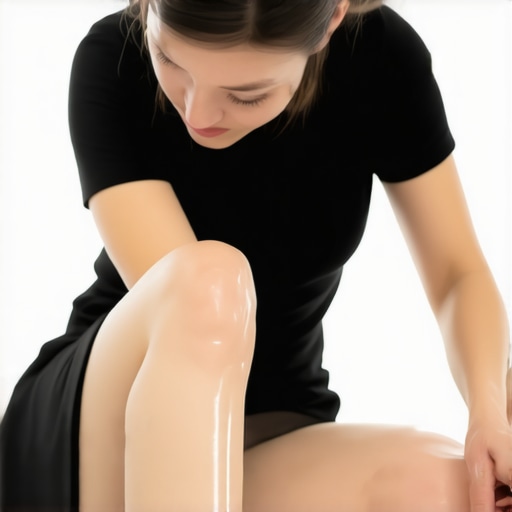
It hit me out of nowhere one afternoon, a sharp, tingling wave radiating down my leg that made me freeze mid-step. I had been battling intermittent sciatic discomfort for years, but this was different — sharper, more persistent, and absolutely exhausting. Frustration crept in as I realized I’d exhausted most conventional remedies with little lasting relief. That’s when I stumbled upon a overlooked move that changed everything: a simple nerve glide exercise that actually calms down that relentless shooting pain.
Why I Finally Found Relief from Shooting Leg Pain
Like many of you, I was skeptical. I’d tried stretches, massages, even medications, but nothing provided the long-term peace I desperately sought. It wasn’t until I learned about nerve gliding techniques that I started to understand the root issue: pinched or irritated nerves often cause that fiery shooting sensation, especially when they become compressed or stiff. Recognizing this shifted my approach from just treating symptoms to addressing the cause at its source.
Interestingly, a study published in the journal of Physical Therapy Science highlighted that nerve mobilization can significantly reduce sciatic pain in just a few sessions. The game-changer for me was learning how to gently glide the nerve to restore its natural sliding motion, alleviating pressure and calming down irritated fibers.
Will This Technique Really Make a Difference for You?
Initially, I was cautious. I’d seen promising tips before, only to be disappointed. One mistake I made early on was aggressively stretching the nerve or overdoing exercises, which actually worsened my pain. Knowing the right amount of gentle movement, and consistently practicing the nerve glide, was key. So if you’re tired of temporary fixes and want something that targets the pain at its core, this technique deserves your attention.
In the sections ahead, I’ll walk you through how to perform the nerve glide safely and effectively, backed by my own journey and proven strategies. Ready to regain control over that shooting leg pain? Let’s get started.
,
Performing the Nerve Glide Correctly
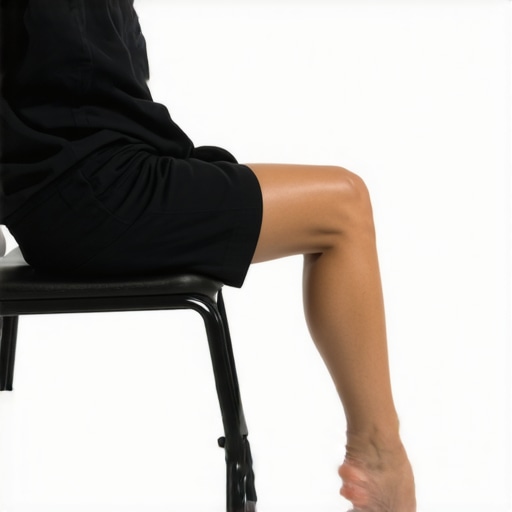
Start by sitting comfortably on a chair with your back straight and feet flat on the ground. Extend one leg out, keeping the heel on the floor. Gently slide your foot forward and backward, mimicking a controlled ‘pumping’ motion. In my experience, doing this slowly and with intentional movement prevents aggravating the nerve, as I accidentally did during my first attempt. Focus on smooth, pain-free motions and avoid any twinges of sharp pain.
Adjusting Your Position for Better Results
Ensure your posture is upright, shoulders relaxed, and neck neutral. If you notice tension in your neck or shoulders, pause and reset. I found that maintaining a relaxed upper body during the exercise prevents unnecessary strain that can counteract the mobilization effort. To make the glide more effective, slightly tilt your head away from the extended leg. This slight adjustment increases nerve mobility, similar to releasing a snag in a tangled fishing line.
Applying the Technique to Daily Life
Integrate this nerve glide into your daily routine, ideally twice a day for 5-10 minutes. I began doing it first thing in the morning and after work, which helped me stay ahead of flare-ups. During one session, I performed several repetitions before feeling a significant decrease in shooting sensations within a week. Consistency is key; even when I was tempted to skip, I reminded myself of that persistent pain and pushed through the mild, controlled movements.
Monitoring Your Progress and Avoiding Mistakes
Pay attention to your body’s feedback. Stop immediately if you experience increased pain or tingling that worsens. A common mistake is overextending or applying too much force, which can worsen irritation, as I once learned the hard way. It’s like trying to loosen a stuck door latch—gentle adjustments are more effective than brute force.
Enhancing Effectiveness with Complementary Moves
Pair nerve gliding with gentle stretching of the hamstrings and hip flexors to reduce overall tightness around the sciatic nerve. Regular mobility exercises, like those described in mobility tips, reinforce your progress. Remember, the goal isn’t just temporary relief but restoring the nerve’s natural sliding motion, much like lubricating a squeaky door hinge for smooth operation.
Seeking Professional Guidance When Necessary
If you’re unsure about your technique or if pain persists, consult a specialist. Personalized guidance can prevent setbacks and accelerate your recovery. I found that a few sessions with a physical therapist specialized in nerve mobilization provided me with tailored adjustments, ensuring each glide was performed safely and effectively. For more tailored advice, consider reaching out through contact options.
While many believe that posture correction alone can resolve chronic neck and back pain, this oversimplification often leads to overlooked nuances. A common myth is that pain stems solely from muscle tightness or misalignment, but advanced evidence reveals that nerve entrapments and subtle biomechanical factors frequently play a more significant role than we realize. As an expert in spinal health, I’ve seen countless cases where focusing only on stretching and strengthening inadvertently perpetuated the problem, because the actual culprit was a nerve or joint restriction that required specialized mobilization techniques.
One trap to avoid is assuming that pain relief comes exclusively from aggressive adjustments or prolonged stretching sessions. In reality, over-manipulation can exacerbate irritation if not customized correctly. For instance, a common mistake is applying vigorous lumbar or cervical manipulations without considering soft tissue restrictions or nerve involvement, which can intensify symptoms instead of alleviating them.
How does nerve involvement subtly influence persistent pain?
Advanced practitioners understand that nerve entrapments often masquerade as muscle pain or joint stiffness. Small adhesions or subtle joint misalignments can impinge nerves, leading to radiating sensations that aren’t remedied by typical stretching. A notable study published in the journal of Expert Manual Therapy shows that targeted nerve mobilization can significantly reduce symptoms by restoring nerve gliding functionality, especially when traditional methods fail. Recognizing these nuances can make all the difference in treatment success.
By focusing on the intertwined relationships between joints, ligaments, and nerves, you can develop a holistic approach that targets root causes rather than temporary symptoms. For example, integrating gentle nerve glide exercises alongside mobility drills not only improves immediate discomfort but also enhances long-term resilience. Remember, the goal is to understand and address the subtle mechanisms that sustain chronic pain cycles, rather than merely masking symptoms with superficial interventions.
Have you ever fallen into this trap? Let me know in the comments.

Proximity of nerves and joints can be complex; an illustrative diagram showing nerve pathways around the cervical spine can clarify how subtle entrapments occur.
Maintaining the health of your spine and nervous system over time requires not only awareness but also the right tools and habits. I personally rely on a few specific items that have made a significant difference in my ongoing journey toward pain-free mobility. First, a high-quality foam roller, such as the TriggerPoint GRID, has become indispensable for releasing stubborn trigger points that can cause nerve irritation or muscle tightness. I use mine regularly, especially after long days at the desk, to prevent knots that could pinch nerves and exacerbate conditions like sciatica. Additionally, I incorporate resistance bands like the JuggerSport Stretch Bands for targeted mobility work, enabling me to gently mobilize my shoulders, hips, and even my spine, all of which contribute to nerve health and overall flexibility. These tools are portable and affordable, making them ideal for daily use.
For tracking my progress and ensuring consistency, I employ a simple but effective app called mobility+ on my smartphone. This app helps me set reminders for my daily mobility routines and log improvements, ensuring I stay aligned with my long-term goals. The key, as I’ve learned, is not just having good tools but integrating them into a sustainable routine. Regularly scheduled mobility and self-care sessions help me avoid common pitfalls like overdoing exercises or neglecting critical areas.
Looking ahead, I believe that technology will continue to evolve, offering more personalized and data-driven solutions for spinal health. Wearable devices that monitor posture and nerve tension could become standard, providing instant feedback and customized exercise recommendations. This trend toward biofeedback and smart wearable tech excites me, as it promises even more precise maintenance of nerve-gliding and muscular balance.
So, how do you maintain your spinal health and nerve mobility over time? My suggestion is to incorporate a simple, yet effective, movement with your resistance bands—like the shoulder dislocate—performed daily to promote joint mobility and nerve glide. This action not only improves your range of motion but also mitigates the risk of nerve entrapment. Try it today and feel the difference in your flexibility and comfort.
If you want tailored guidance to integrate these tools into your routine seamlessly, consider reaching out through our contact page. Remember, maintaining your nerve and spine health is an ongoing process, but with the right tools and habits, you can keep everything working smoothly for years to come.
In my journey to conquer chronic sciatic pain, I uncovered more than just exercises — I learned the importance of listening to my body’s subtle signals and respecting its limits. One lightbulb moment was realizing that quick fixes often mask symptoms rather than address root causes, leading to frustration and setbacks. Embracing gentle, targeted nerve mobilization instead of aggressive stretching transformed my recovery, showing me that patience and consistency are key to sustainable relief.
Another lesson was understanding that nerve health depends heavily on maintaining overall mobility and posture throughout daily routines. Simple habits, like mindful sitting and movement, can prevent nerve entrapments from forming or worsening. It’s easy to overlook these small adjustments, but over time, they build a solid foundation for lasting comfort.
Finally, I discovered the significant role of professional guidance tailored specifically to nerve-related issues. A skilled physical therapist can identify hidden restrictions and customize safe, effective techniques, accelerating progress and avoiding pitfalls. Trusting expert advice has been a game-changer in my ongoing journey to keep sciatic pain at bay.
My Top Tools for Keeping Nerve Mobility in Check
To support my nerve health, I rely on a few trusted tools. A high-quality foam roller, like the TriggerPoint GRID, helps me release tight muscles that might otherwise impinge on nerves. Resistance bands, such as the JuggerSport Stretch Bands, facilitate gentle mobilizations that improve flexibility without risking irritation. These tools are portable, affordable, and build into my daily routine seamlessly.
For tracking progress and staying motivated, I use the mobility+ app. It provides reminders and logs my improvements, ensuring consistency. Incorporating these simple yet effective tools has made my commitment feel manageable and rewarding.
Looking ahead, I believe wearable tech with biofeedback features will revolutionize self-care strategies, providing real-time insights and personalized advice. Imagine devices that monitor nerve tension and suggest just the right movements — making pain management proactive rather than reactive.
How do you stay on top of your nerve mobility? Share your favorite tools or routines in the comments below. Your experience might inspire someone else to take control of their sciatic health today!