
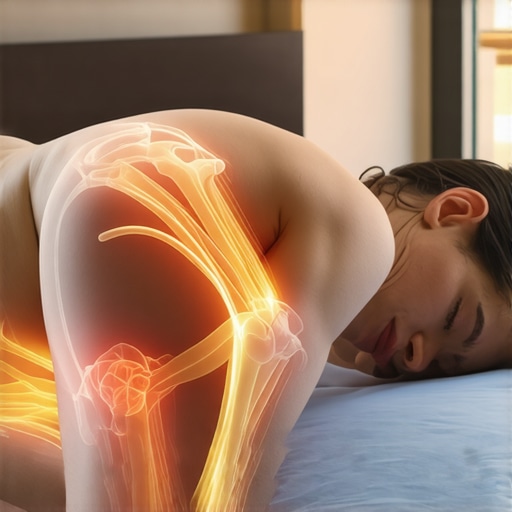
Have you ever woken up with that relentless, stabbing pain shooting down your leg or wrenched your back just trying to bend over? I’ve been there—lying on my side, feeling helpless, wondering if this pain would ever let up. The frustration of not being able to move freely is real, and I know many of you are battling something similar.
Why Back and Sciatica Pain Can Feel Like an Endless Battle
When I first started experiencing back pain, I thought it was just a temporary thing, maybe a bad sleep or a missed step. But it lingered. It got worse. I realized I was making a common mistake—ignoring the importance of proper movement and posture. That mistake nearly kept me from being able to do daily activities without pain. According to recent research, nearly 80% of adults will experience back pain at some point, and for many, it becomes a chronic issue (source: Body Renew Therapy).
That’s when I decided enough was enough. I couldn’t just sit and hope it would go away. I needed a plan—something practical, effective, and sustainable. Today, I want to share with you the techniques that finally helped me regain mobility and say goodbye to that nagging pain. If you’re tired of feeling stuck, stay with me. We’re going to tackle this together.
Is Back Pain Actually Something Serious or Just a Passing Nuisance?
One of the biggest fears I faced early on was worrying that I might be dealing with something more severe—herniated discs, nerve damage, or worse. I made the mistake of ignoring warning signs and pushing through pain. Trust me, that’s a mistake. Recognizing when pain is a red flag and when it’s something manageable is crucial. If your pain is persistent, or if you notice symptoms like numbness, weakness, or loss of bladder control, don’t hesitate to seek professional advice. For more info, check out this guide.
Now, let’s get into the practical steps that helped me turn things around—simple moves and adjustments you can start today. Ready to move better and feel stronger? Let’s dive in.
Start Moving Smartly: Practical Exercises for Relief
One of the most straightforward yet powerful methods to combat back pain is engaging in targeted, gentle exercises. For example, I vividly remember a morning I decided to try the simple hip hinge movement, which mimics picking up an object without bending the spine. Initially, it was awkward and messy, with me wobbling and almost losing balance. But after a few repetitions, I felt my lower back and hamstrings loosen up, reducing the stabbing sensation. This exercise helps distribute weight properly and relieves pressure on the sciatic nerve. You can find effective routines at this resource.
Correct Posture to Prevent and Reduce Pain
Maintaining proper posture is crucial. Think of your spine as a stack of perfectly aligned building blocks—every misalignment adds stress. I caught myself slouching at my desk, which worsened my pain. To fix this, I adjusted my chair height, ensuring my feet were flat on the ground and my monitor was at eye level. This simple tweak made a notable difference. For a deeper understanding of how posture affects back health, visit this guide. Incorporating ergonomic adjustments can be a game-changer in your daily routine.
Stretching Techniques to Loosen Tight Muscles
Muscle tightness often aggravates nerve compression, leading to sciatica flare-ups. I incorporated a piriformis stretch, which involves lying on your back and crossing one leg over the other, then gently pulling the thigh towards your chest. At first, I was hesitant, worried about making pain worse, but I took it slow and held the stretch for 30 seconds. The relief was immediate—less tension and a smoother gait. Regular stretching keeps muscles flexible and reduces nerve pinching. For specific stretches tailored to your needs, check this article.
Strengthening Key Back Muscles
Building strength in your core and back muscles supports your spine and diminishes pain. I started with planks and bird-dogs, which are simple yet effective. I remember a session where I struggled to hold a plank for more than 10 seconds, but persistence paid off. Over time, my core became more resilient, and my back pain diminished significantly. Strengthening exercises should be performed carefully—avoid overexertion and consult a professional if unsure. Find safe routines at this page.
Mind Your Daily Habits and Lifestyle
Small lifestyle changes can have a big impact. I reduced prolonged sitting by setting a timer to stand and stretch every 30 minutes. Additionally, I avoided heavy lifting without proper form. Incorporating short walks and staying active helped keep my joints lubricated and muscles relaxed. Lifestyle adjustments are often overlooked but are vital for long-term relief. For more tips, explore this guide.
Seek Professional Help When Needed
If pain persists or worsens, professional assessment is essential. I reached out to a specialist who recommended targeted therapies and manual adjustments that made a significant difference. Don’t hesitate to contact experts if your condition doesn’t improve—early intervention can prevent chronic issues. Find local help at our contact page.
Many people believe they understand back pain and sciatica, but in reality, some widespread misconceptions can lead you astray in your recovery journey. As an expert who has studied the nuances of spinal health, I want to shed light on some of these myths and highlight the hidden nuances that often go unnoticed. Let’s dig deeper into what most get wrong about back pain and sciatica.
Why Ignoring the Complexity of Nerve Compression Can Worsen Your Condition
A common misconception is that all back pain is simply muscular and will resolve on its own with rest or over-the-counter medication. However, when nerve compression occurs, especially in cases of sciatica, the problem is far more complex. Ignoring nerve-related symptoms like numbness, tingling, or weakness may delay necessary interventions. Recent studies, such as those published in The Journal of Neurosurgery, emphasize that nerve impingement needs specific treatment strategies that go beyond just resting or stretching. Failing to recognize this nuance can lead to chronic pain and even nerve damage, making early professional assessment crucial.
The Oops Factor: Beware of Overdoing Stretching
Many believe that stretching is always beneficial for back pain. While gentle stretches can indeed help, pushing too hard or stretching the wrong muscles can exacerbate the problem. For instance, aggressive piriformis stretches or deep hamstring stretches without proper guidance may irritate inflamed tissues or worsen nerve compression. This is a trap I fell into early in my recovery—more isn’t always better. Instead, focus on targeted, controlled movements. For example, simple exercises like these mobility routines can provide relief without risking further injury. Remember, consulting a professional before starting aggressive stretches is always wise.
Is There a Deeper Cause Behind Your Pain?
Advanced practitioners know that chronic back pain and sciatica are often symptoms of underlying issues like disc degeneration, spinal misalignment, or even systemic conditions such as osteoporosis. Addressing only the surface symptoms with painkillers or temporary fixes is like putting a bandage on a leaking pipe. For example, poor posture, which many overlook, can perpetuate misalignments and lead to long-term nerve irritation. As discussed in this article, correcting posture is fundamental to lasting relief. A comprehensive approach involves ergonomic adjustments, strengthening key muscles, and sometimes manual therapy—something I found essential in my journey.
Have you ever fallen into this trap? Let me know in the comments. Remember, understanding these hidden nuances can make a significant difference in overcoming back pain and sciatic discomfort. Stay curious and proactive in your healing process!
Keep It Working with the Right Tools and Techniques
Maintaining your back health over time requires more than just exercises; it involves using specific tools and adopting consistent habits that support your spine’s well-being. One of my favorite tools is a high-quality foam roller. I personally use the TriggerPoint GRID Foam Roller because its grid pattern helps target deep tissue, releasing muscle knots that can cause tension and nerve compression. Regular foam rolling has been a game-changer for me, helping to maintain flexibility and prevent flare-ups. For those who prefer guided routines, apps like Peloton Digital offer excellent mobility and stretching programs tailored for back health, allowing you to stay consistent even on busy days.
Another essential device I recommend is a lumbar support cushion. Whether you work at a desk or drive frequently, proper lumbar support is crucial. I use the Everlasting Comfort Memory Foam Seat Cushion, which molds to my lower back and encourages better posture. This simple addition can significantly reduce strain and maintain spinal alignment throughout the day. Additionally, ergonomic accessories, like adjustable standing desks, are becoming increasingly popular. They allow you to switch between sitting and standing, which is vital for long-term back health. I personally use the ergonomic tips from Body Renew to optimize my workspace and avoid prolonged sitting that worsens pain.
For ongoing progress tracking, I rely on wearable tech like the WHOOP Strap. It monitors my activity, sleep, and recovery, giving me insights into how my daily habits impact my back health. By paying attention to these metrics, I can adjust my routines to prevent overexertion and ensure proper recovery. Looking ahead, I believe these technologies will become even smarter, integrating AI-driven insights to personalize back health plans more precisely.
How do I maintain back health over time?
Consistency is the key. Incorporate daily mobility routines from this resource into your schedule, use ergonomic tools to support proper posture, and track your progress with wearable devices. Remember, the goal is long-term resilience, not quick fixes. Regularly revisiting your setup and habits ensures your back remains healthy and functional for years to come. Don’t hesitate to reach out for professional guidance; our team at Body Renew Therapy can help you tailor a sustainable plan tailored specifically to your needs. Try integrating a foam roller or lumbar support cushion today and notice how small tools can make a significant difference in your ongoing back health journey.
The Hardest Lesson I Learned About Back and Sciatica Pain
Early in my journey, I believed that rest was the ultimate remedy, but I quickly discovered that staying still often worsened my condition. Movement, when done correctly, became my best friend. Recognizing that gentle, targeted exercises are key to recovery was a lightbulb moment that transformed my approach.
My Favorite Tools That Made a Difference
A high-quality foam roller, like the TriggerPoint GRID, helped me release muscle knots and improve flexibility. I also swear by lumbar support cushions such as the Everlasting Comfort Memory Foam Seat Cushion; they promote proper posture and reduce strain during long hours at a desk or in a car. These tools are simple but powerful allies in maintaining back health.
Turning Pain into Power: The Emotional Shift
Dealing with chronic pain can feel overwhelming, but I learned to see it as a signal rather than a punishment. Embracing a proactive mindset, seeking professional help when necessary, and celebrating small victories kept me motivated. Remember, your mindset can significantly influence your healing journey.
What I Wish I Knew Sooner
- Don’t ignore nerve symptoms like numbness or weakness; they require prompt professional evaluation.
- Stretching should be gentle and targeted; overdoing it can worsen your condition.
- Addressing underlying issues like posture and muscle imbalances prevents future flare-ups.
Keep Moving Forward with Confidence
If you’re tired of feeling stuck, know that relief is within reach. Incorporate simple exercises from this resource into your routine, support your back with ergonomic tools, and stay committed. Your journey to a pain-free back starts today—take that first step with courage and curiosity.
What’s Your Next Move?
Have you ever struggled with finding the right movement or tool that finally helped your back or sciatica? Share your experiences below and let’s learn from each other’s journeys to relief.

![4 Sneaky Habits Making Your Sciatica Worse in 2026 [Fix Fast]](https://bodyrenewtherapy.com/wp-content/uploads/2026/02/4-Sneaky-Habits-Making-Your-Sciatica-Worse-in-2026-Fix-Fast.jpeg)