
The Best Way to Get Out of Bed if Your Back is Stuck

I vividly remember those mornings when waking up felt like trying to lift a weight attached to my lower back. One moment, I was peacefully asleep; the next, I was frozen—a stiff, aching mess desperately searching for a way to move without worsening the pain. It’s a gut-wrenching experience that makes even getting out of bed an uphill battle. If you’ve ever faced this, you know exactly what I’m talking about—those moments of frustration that come with feeling *stuck* when trying to start your day.
Why Getting Out of Bed Can Feel Like Climbing a Mountain
For many, mornings are the toughest part of the day. Our bodies are in rest mode, and the transition to activity can trigger soreness, stiffness, or even more severe discomfort. I’ve learned that this isn’t just about sleep quality or tired muscles; often, it’s a sign that our spine and muscles need gentle, strategic help—something I initially overlooked. That mistake nearly made my back issues worse early on, locking me in a cycle of pain and frustration. Studies show that a proper morning routine can significantly reduce that first-movement pain, but it has to be done right. To get there, understanding the root causes of this stiffness is essential, and I’ll share insights that finally helped me break free from that fragile awakening.
Is Waking Up Pain-Free Something That’s Even Possible?
Honestly, I used to think getting out of bed without discomfort was a myth—something reserved for luck or maybe those who had a miracle cure. But over time, I realized that my approach was flawed. I’d try to jump out of bed quickly, only to regret it with sharp pain that lingered all day. A crucial lesson I learned was that rushing or ignoring the subtle signs of my body’s needs amplifies the problem. Now, I focus on gentle, mindful movements to wake my spine gradually. If you’ve ever felt skeptical about whether there’s truly a better way, I completely get it. That’s why I’m here to share proven strategies that transformed my mornings—and can do the same for you. For more insights on how to manage persistent back stiffness, you might want to explore simple exercises that make a difference.
Gentle Movement First Thing in the Morning
Start with a series of light movements to wake up your spine gradually. For example, perform a gentle pelvic tilt while lying on your back, slowly rocking your pelvis back and forth. I tried this one morning after a particularly stiff night, and although my movements were initially awkward, I noticed a reduction in my morning soreness within a few minutes. Consistency is key; over time, these small steps can create significant relief.
Incorporate Controlled Breathing
Focusing on deep, diaphragmatic breathing helps relax tense muscles and reduce stress-induced pain. Lie flat or sit comfortably, place one hand on your chest and the other on your belly, and inhale deeply through your nose, allowing your belly to rise. Exhale slowly through your mouth. I found that mindful breathing not only eased tension but also set a calmer tone for my day. Check out this guide for more ways breathing impacts back health.
Activate Specific Mobility Exercises
Next, engage in targeted exercises that address common stiffness areas. For instance, the cat-cow stretch mobilizes the spine by gently flexing and extending it, similar to re-arming a rusty hinge. I dedicated five minutes to this drill each morning, slowly flowing between positions, feeling more limber with each cycle. Incorporate movements that stretch the hips and hamstrings—tight hips can pull on the lower back, worsening stiffness. A straightforward technique involves lying on your back, raising one leg, and gently pulling it toward your chest while keeping the other leg flat. These micro-movements alleviate chronic tension and increase flexibility.
Optimize Your Sleeping Environment
Your mattress and pillows play crucial roles in morning back health. A mattress that’s too firm or too soft can misalign your spine, leading to stiffness. During my search for relief, I experimented with different pillows, opting for a supportive cervical pillow that maintained my neck’s natural curve. Additionally, avoiding dehydration by drinking water before bed kept my discs hydrated and less prone to aggravation upon waking. For ergonomic sleep tips, visit this resource to learn more about supporting your spine overnight.
Maintain Consistency and Awareness
Establishing a morning routine that emphasizes gentle movement and mindfulness significantly reduces stiffness over time. I started pairing my stretches with deep breathing, creating a calming ritual that also prepared me emotionally for the day. Remember, patience and persistence are vital—small, daily efforts compound into lasting improvements. For additional mobility strategies, explore these daily tips to keep your spine healthy and mobile.
When it comes to treating neck and back pain, many assume that the biggest breakthrough is just a magic exercise or a new device. However, there’s a common misconception worth challenging: that pain can be fully addressed with surface-level solutions. In my experience, the real intricacies often lie beneath the obvious symptoms, involving subtle biomechanical and neurological factors that many overlook. *
Contradicting the Myths Around Rest and Pain
Many believe that simply resting until pain subsides is the safest approach. While some downtime is necessary, prolonged inactivity can weaken supporting muscles and stiffen joints, making mobility worse in the long run. Research from the National Institute of Arthritis and Musculoskeletal and Skin Diseases indicates that gentle movement promotes healing and preserves mobility, especially if done correctly. Overconfidence in rest as the primary healing method can trap individuals in a cycle of stiffness and discomfort, delaying recovery.
The real mistake here is assuming that pain equals damage. Often, lingering pain may be due to dysfunctional movement patterns or neural hypersensitivity, not necessarily tissue damage. This leads us to an important realization: addressing the pain requires more than just symptomatic relief—it demands targeted movement and neurological retraining.
Beware the Trap of Ignoring Asymmetries
A major oversight is neglecting subtle asymmetries in posture or muscle activation. For example, a slight lateral tilt or uneven pelvis rotation can put undue stress on specific spinal segments, gradually leading to chronic pain or reduced mobility. This is where advanced assessments, like functional movement screenings, can uncover these hidden issues. Ignoring them often results in temporary relief followed by recurrence. I recommend exploring daily mobility tips that address these imbalances and promote symmetry.
Another common myth is that stretching always helps. While stretching can alleviate tightness, overdoing it without addressing underlying strength deficits or neural patterns can worsen symptoms. For instance, overly focusing on hamstring flexibility, without strengthening hip stabilizers, may destabilize the pelvis, exacerbating lower back issues. Consider integrating functional strength training alongside mobility exercises for comprehensive results.
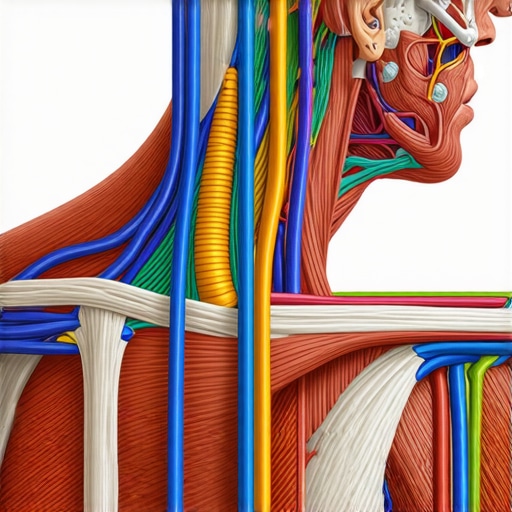
Why Focus on Neural and Fascia Layers Matters
Many advanced clinicians now highlight the significance of fascial restrictions and neural tension in chronic pain. Techniques like fascia release or nerve glide exercises target these hidden layers, unlocking mobility that conventional stretching ignores. Studies, such as those published in The Journal of Bodywork and Movement Therapies, support the idea that addressing these nuanced factors accelerates recovery and prevents recurrence. If you’re serious about long-term relief, exploring these less obvious aspects can be transformative.
Having shared these insights, I want to hear from you—have you ever fallen into this trap? Let me know in the comments! Remember, understanding these nuances is key to avoiding common pitfalls and achieving lasting mobility and pain relief.
Maintaining a healthy spine isn’t just about doing a few exercises; it’s about integrating the right tools and consistent habits into your daily routine. Over the years, I’ve tested various equipment and techniques that genuinely make a difference in my mobility, pain management, and overall longevity. These tools have not only helped me recover faster after flare-ups but also empowered me to prevent issues before they start.
Invest in a Quality Foam Roller for Deep Tissue Release
I personally swear by a dense Foam Roller with a textured surface. It’s all about breaking down fascia restrictions that can trap muscles in tight, painful knots. Unlike soft rollers, a firm, textured roller allows for targeted pressure, which my myofascial release sessions benefit from greatly. Regular use has increased my tolerance for daily movement and reduced persistent tightness. The key is controlling pressure carefully—start slow and avoid rolling over b Ligaments or bony prominences. For in-depth guidance, check out this article.
Adjustable Posture Chairs for Ergonomic Support
After experiencing discomfort from poorly aligned seating, I shifted to a highly adjustable ergonomic office chair. It lets me tweak lumbar support, seat height, and armrest positions precisely. What makes an adjustment meaningful is understanding your unique spinal curve. I also use a small lumbar cushion in conjunction, which aligns my lumbar spine naturally. This setup helps maintain neutral posture during long work sessions, reducing strain that can worsen sciatic discomfort. For best results, pair it with ergonomic desk setup tips from this resource.
Smart Apps for Daily Movement Monitoring
Modern technology can be a game-changer for keeping mobility in check. I rely on apps like MyMobility, which remind me to stand, stretch, and perform micro-movements throughout the day. Their feedback helps me stay aware of posture deviations that sneak in during prolonged sitting. These prompts aren’t just passive notifications—they serve as a gauge for my daily activity levels and symptom patterns. As wearable devices get more sophisticated, I predict a future where real-time biomechanical feedback becomes standard, helping us prevent injuries before they start.
Rehabilitative Devices for Targeted Therapy
When dealing with specific pain points like neck tension or lower back stiffness, I use targeted tools such as massage guns or adjustable resistance bands. For instance, a handheld percussion massage gun with variable speed settings allows me to loosen stiff muscles effectively. It’s a focused approach that complements my broader mobility routine and accelerates recovery. Experts like Dr. Craig Liebenson emphasize the importance of combining manual therapy with movement—tools like these enable that blend at home. Incorporate weekly sessions with such devices, and you’ll notice lasting improvements in your flare-up readiness.
How do I maintain long-term mobility without slipping back into old habits?
The secret lies in consistency and strategic tool use. I schedule regular mobility checks every few days, adjusting tools or exercises as needed. Monitoring progress and listening to your body is crucial. Remember, small daily habits outperform sporadic intense sessions. To deepen your understanding of integrating daily mobility practices, explore these mobility tips. I challenge you to pick one gadget or technique from this list and commit to using it consistently for a week—you’ll be surprised at how much difference it makes in keeping your spine pain-free and moving smoothly.
Over the years, I’ve realized that true progress in alleviating neck, back, or sciatic pain often comes from unexpected insights and the right combination of tools. The most profound lessons are rarely found in quick fixes or surface-level approaches. Instead, they lie in understanding your body’s nuanced responses and embracing consistent, mindful habits that address the root causes. Investing in quality support, like ergonomic chairs or targeted mobility devices, makes a lasting difference—it’s about working smarter, not harder. Remember, your journey to pain-free movement is unique, but the principles of patience, curiosity, and strategic effort are universal. By integrating these lessons, you empower yourself to move beyond temporary relief and achieve sustainable comfort, transforming your everyday experience one mindful choice at a time.