
The Hidden Impact of Your Handbag Weight on Your Spinal Health

Ever had that sharp, nagging pain in your neck or a dull ache spreading across your back after a long day out, clutching your heavy handbag? I remember the moment I realized my favorite purse might be more than just a fashion statement—it’s a sneaky culprit affecting my spinal well-being. One evening, as I struggled to lift my shoulder from the persistent tension, it hit me: my handbag could be quietly contributing to my discomfort.
The Weight We Carry Matters More Than You Think
It’s tempting to dismiss the weight of our daily essentials as harmless. After all, it’s just a bag, right? But this seemingly small detail can have a surprisingly profound impact on our posture and overall spinal health. When I first started noticing neck stiffness and occasional shooting pains down my leg, I attributed it to stress or sleep habits. What I overlooked was how constantly carrying a heavy load—literally—was skewing my posture and stressing my spine. According to research from the American Chiropractic Association, carrying uneven or heavy bags can lead to misaligned shoulders, nerve compression, and chronic pain if not addressed properly.
Could Your Purse Be Your Back’s Worst Enemy?
Many of us make a crucial mistake early on: ignoring the weight and how we carry it. I used to toss my heavy tote on the same shoulder every day, thinking I was being effortless. That was a mistake. It created imbalance, leading to muscle strain and even affecting my gait. Over time, I experienced tingling and soreness that I couldn’t explain. Has this happened to you? If so, you’re not alone. The good news is that recognizing this common oversight is the first step toward real relief and healthier habits. Later, I’ll show you simple, practical ways to lighten your load and improve your posture, ensuring your handbag doesn’t silently sabotage your health.
Adjust How You Carry Your Bag
Imagine your spine as a flexible but delicate garden hose. When you unevenly tug it from one side, it kinks and hampers water flow. Similarly, carrying a heavy bag on one shoulder pulls your neck and shoulders out of alignment, leading to pain. To fix this, switch your bag to both shoulders periodically, distributing the weight evenly. I remember one morning, I took a few extra seconds to adjust my backpack straps before heading out. That small change instantly reduced strain in my neck later that day, and I felt more balanced as I walked around town.
Lighten Your Load and Organize
Cluttered bags force you to carry more than necessary, increasing your risk of musculoskeletal discomfort. Empty your purse or backpack weekly, removing non-essential items. Use pouches to organize essentials, so you don’t have to dig around, saving time and avoiding awkward, strain-inducing movements. I once bumped my shoulder while frantically searching for my keys in a heavy bag, causing immediate soreness. Streamlining my items made a tangible difference, reducing unnecessary weight and imbalance.
Master Proper Posture When Lifting and Carrying
Think of lifting heavy objects as stacking building blocks correctly—bend at your hips and knees, not your waist. Keep the load close to your body to minimize leverage on your spine. When I overhauled my carrying technique—bending my knees, keeping the bag near—I noticed an immediate drop in neck and back discomfort. This simple but critical adjustment prevents nerve compression and prevents chronic pain from worsening.
Use Supportive Accessories
Consider ergonomic backpacks or padded straps designed to distribute weight evenly. Think of these as shock absorbers for your body’s Many believe that neck pain, sciatica, or back discomfort are straightforward issues caused solely by injury, poor posture, or aging. However, as an expert in spinal health, I can tell you there’s a complex layer of misconceptions circulating that may be worsening your condition. One common myth is that pain always originates from structural damage, when often, it’s the nervous system’s miscommunication that perpetuates discomfort. For example, a study in the Journal of Orthopaedic & Sports Physical Therapy highlights how nerve sensitivity can amplify pain signals even when imaging shows minimal structural issues, leading many to pursue unnecessary surgeries or treatments.
Is Your Pain the Symptom, or the Signal of Something Deeper?
The trap many fall into is mistaking the pain for the root cause, rather than recognizing it as a warning system. Chronic pain can sometimes be a manifestation of persistent neural sensitization, rather than ongoing tissue damage. This nuance is critical because it shifts the focus from merely treating the symptoms to addressing the nervous system’s response. Ignoring this can cause you to repeat ineffective routines, like excessive stretching or reliance on painkillers, which may only heighten nerve irritability over time. Instead, integrating techniques that calm down nerve hypersensitivity—such as specific nerve glide exercises or addressing your body’s stress response—can provide lasting relief and restore mobility. To explore effective methods, see how quick home remedies aid sciatica relief and consider consulting professionals who optimize nerve health for better outcomes. Remember, understanding the difference between structural and neurological factors is essential, so don’t overlook the subtleties—your recovery depends on it. Have you ever fallen into this trap? Let me know in the comments. For a deeper dive into nerve-centered solutions, check out our detailed strategies on overcoming sciatic pain.
Investing in the Right Tools for Lasting Relief
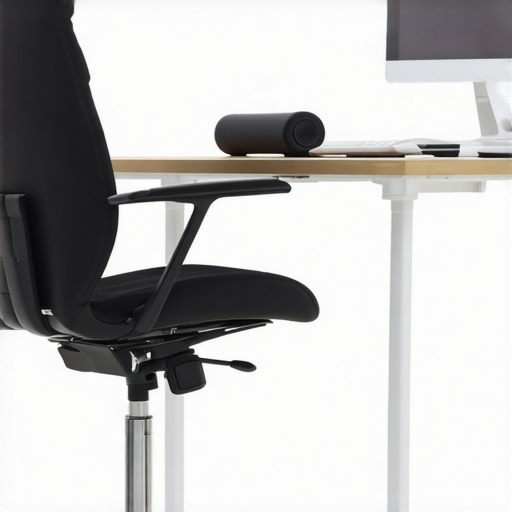
Maintaining back health isn’t a one-and-done task; it requires a strategic approach that includes the right equipment and consistent habits. I’m a firm believer in using specific tools that have stood the test of time and research to ensure long-term results. An ergonomic chair, for example, has transformed my daily workspace and reduced persistent tension. Opting for a chair with adjustable lumbar support and proper seat depth can encourage better posture during long hours at the desk, helping to prevent future pain (see ergonomic tips here). Additionally, a foam roller has been instrumental in my self-myofascial therapy routine, helping to release muscle knots and improve mobility without costly visits to specialists.
When it comes to digital tools, I rely heavily on mobility tracking apps and posture reminders. Apps that prompt regular movement or posture checks ensure I don’t slip into prolonged static positions, which can exacerbate issues. Over time, integrating these tools into my daily routine drastically reduced episodes of flare-ups and enhanced my overall mobility. Prediction suggests that in the future, technological innovations like smart wearables embedded with sensors will provide real-time feedback, making self-care even more accessible and personalized. Companies are developing devices that monitor spinal alignment and muscular tension, giving instant alerts when adjustments are needed, which I find incredibly promising.
Why routine maintenance is essential for long-term results
Beyond tools, consistency is key. Regularly performing targeted exercises, like the mobility routines I share in Mobility Mastery, and using supportive accessories can significantly slow down the progression of chronic pain conditions. Remember, what you do today creates the foundation for your long-term health. For example, a quality back brace or posture corrector can provide immediate relief when used appropriately, especially during episodes of flare-ups, but should always be part of a broader strategy incorporating movement and ergonomic adjustments.
How do I maintain back health over time?
Consistency, proper tools, and a tailored approach form the trifecta. Regular assessments with professionals and staying informed on the latest techniques help prevent setbacks. If you’re looking for practical ways to enhance your mobility and reduce pain, check out proven methods like nerve glide exercises or advanced stretches. For immediate relief, quick home remedies can also be effective—try the techniques outlined in Swift Relief for Sciatica to reduce discomfort rapidly. Incorporate these tools and strategies into your daily routine and observe how your body thanks you over time.
If you’re ready to elevate your self-care, I recommend trying a comprehensive mobility routine combined with ergonomic upgrades. Small, consistent steps will build a resilient back and restore your vitality. Remember, maintaining spinal health is a marathon, not a sprint—so stay disciplined, and your future self will thank you.
What My Journey Taught Me About Pain and Resilience
One of the most profound lessons I learned was that persistent pain isn’t just about the physical sensation; it’s a signal from your nervous system urging you to listen and adapt. I realized that my body was trying to tell me that my habits—like carrying heavy bags on one shoulder—were creating an imbalance that would eventually catch up with me. Recognizing this quiet communication was a turning point, encouraging me to prioritize mindful movement, ergonomic awareness, and holistic care over quick fixes. Embracing this perspective transformed my approach, turning pain from an obstacle into a guide for healthier choices.
My Secret Weapon for Lasting Relief
Over time, I found that combining targeted nerve glide exercises with daily ergonomic habits made a significant difference. These simple, yet powerful practices help calm nerve hypersensitivity, reducing chronic discomfort. For instance, incorporating gentle stretches into my routine and optimizing my workspace helped me regain mobility and confidence. I trust these methods because they address the root neurological issues rather than just masking symptoms. If you’re serious about overcoming persistent back or neck pain, exploring these strategies can be a game changer—more details are available in our guide on effective approaches to sciatic pain.
Why Small Changes Make the Biggest Difference
The journey to lasting back and neck health is built on consistency and awareness. Adjusting how you carry your bag, incorporating ergonomic tools, and committing to regular mobility routines can seem minor at first glance, but their compounding effects are profound. I’ve witnessed firsthand how these subtle shifts lead to noticeable improvements in posture, energy, and pain levels over just a few weeks. Remember, you don’t need a complete overhaul—small, deliberate actions, like using supportive straps or practicing quick stretches, lay a strong foundation for resilient, pain-free living.
Insider Wisdom: Lessons That Changed My Perspective
- Ignoring neurological cues prolongs suffering—pay attention to what your body truly needs, not just what feels good temporarily.
- Heavy, uneven loads silently sabotage your spine—balance your habits by distributing weight evenly and using ergonomic support.
- Consistency beats intensity—small, daily habits outshine sporadic intense treatments in creating long-term relief.
- Mindfulness in movement can reset neural pathways—simple nerve glide exercises can reduce hypersensitivity and restore mobility.
- Technology combined with awareness accelerates healing—using posture reminders and mobility apps keeps you aligned and moving optimally.
Discover Tools That Became My Allies
- Foam rollers: Their ability to release fascia and muscle knots helped me maintain flexibility and prevent pain flare-ups.
- Ergonomic backpacks and supports: Trustworthy gear that evenly distributes weight and eases neural tension, making daily transport less stressful.
- Posture and mobility apps: Reminders and guided routines that keep me accountable, ensuring I stay active and aligned all day.
- Books and expert blogs: Resources like our Mobility Mastery guide offered insights I couldn’t find elsewhere, transforming my understanding and habits.
Your Next Step Toward Freedom from Pain
Remember, every small effort you make today compounds into a healthier, more resilient tomorrow. By embracing mindful movement, upgrading your tools, and trusting the process, you can reclaim your vitality and enjoy pain-free mobility. The journey isn’t about overnight miracles but consistent progress—every step forward counts. Are you ready to prioritize your spinal health and start implementing these changes? Your body will thank you for it.
Which habit or tool are you excited to try first? Drop your thoughts below and share your journey towards a pain-free life!