
Why Your Desk Monitor Should Be Higher Than You Think
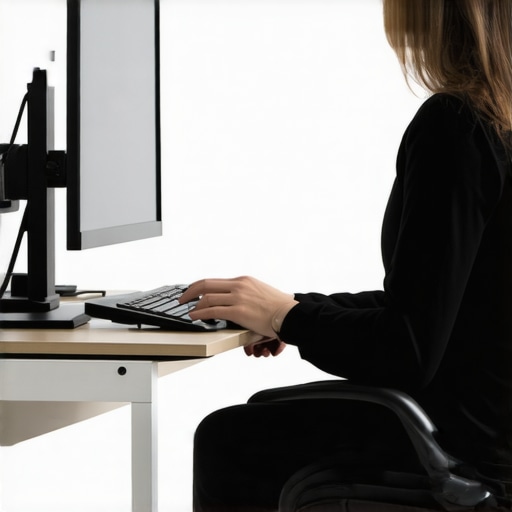
It was one of those days when I caught myself hunched over my desk, neck strained and shoulders tense, feeling that familiar throb in my lower back. The worst part? I didn’t even realize my monitor was way too low until that tightness turned into a full-blown ache that haunted me for days. Have you ever experienced that moment, where the pain hits you in the middle of an ordinary workday, making you wonder what you’re doing wrong?
The Hidden Power of Proper Monitor Height
Is Raising Your Monitor Actually Worth the Hype?
Ready to discover exactly how to optimize your workspace and end those painful days? Let’s dive into the practical steps that will help you set up a healthier, pain-free desk environment.
Adjust Your Monitor to Eye Level for Immediate Relief
Start by measuring the height of your current setup. While seated, use a ruler or a level to determine the distance from your eyes to the top of your monitor. If it’s below eye level, you’ll need to raise it. An easy way is stacking sturdy books or using a monitor riser. For example, I once stacked a couple of thick books beneath my monitor, which at first looked clunky but soon became a game-changer, reducing my neck tension significantly. Always ensure the monitor’s top is roughly at your eye line to promote a neutral neck position.
Choose the Right Equipment to Elevate Your Screen
If stacking books isn’t aesthetic or stable, consider investing in a dedicated monitor stand or adjustable arm. These tools allow precise height adjustments, freeing you from DIY solutions. When I upgraded to an adjustable mount, I noticed immediate comfort gains, and it made transitioning between tasks seamless. Remember, stability is key; your monitor should be secure to prevent accidental falls or shifts that can cause additional strain.
Optimize Your Seating and Desk Setup
Alongside monitor height, your seating must support proper posture. Sit back fully in your chair with feet flat on the ground. Your knees should be at a 90-degree angle. A supportive chair that encourages good lumbar support helps maintain spinal alignment. I personally added a lumbar pillow to my chair and adjusted its height to match my lower back curvature, which helped keep my spine in a neutral position. Adjust your desk height if necessary so that your arms rest comfortably at about 90 degrees when typing, minimizing shoulder and neck stress.
Implement Ergonomic Alignment with Test Runs
Once adjustments are made, test your setup. Sit naturally with your back against the chair, and look straight at the monitor. Your eyes should hit the top third of the screen. If you find yourself tilting your head or leaning forward regularly, recheck the monitor height and your distance from it. This process ensures your entire workspace promotes good posture, reducing the likelihood of developing chronic neck or back issues.
Incorporate Movement and Breaks
Keep in mind that even perfect ergonomics can only do so much. Regular movement is crucial. Set a timer to remind yourself to stand, stretch, or walk every 20-30 minutes. Simple neck rolls or shoulder shrugs can prevent stiffness. I started using a stretch routine during mid-morning and lunchtime, which significantly decreased my headaches and improved my mobility. Consistent intervals of movement help sustain your body’s flexibility and reduce the risk of sciatic irritation or muscle tightness.
Simple Stretches to Combat Tension
Integrate stretches like chin tucks, chest openers, and gentle spinal twists into your routine. These moves release accumulated tension and promote better blood flow. For instance, the neck glide technique has been highly effective in restoring movement and easing pain. Practicing these regularly keeps your muscles supple and prevents the tightness that often results from prolonged static postures.
Regularly Review and Refine Your Setup
Your ergonomic needs may change over time. Periodically revisit your workspace configuration to ensure continued comfort. Every few months, check your monitor height, chair support, and desk alignment. Over time, wear and tear or new tasks might necessitate adjustments. Embrace a habit of fine-tuning; it’s a small effort that pays big dividends in pain prevention and overall mobility. Remember, the goal is to create a sustainable, body-friendly workspace that minimizes strain and maximizes productivity.Many people believe that back and neck pain originate solely from obvious injuries or poor posture, but in reality, the nuances are often overlooked. One common misconception is that pain always signifies damage. However, chronic discomfort often results from neurological or muscular sensitivities where the nervous system amplifies signals, making minor issues feel severe. For instance, stress can increase muscle tension, exacerbating pain without any structural damage, as shown in research on psychosomatic influences on musculoskeletal health [source](https://bodyrenewtherapy.com/neck-pain-and-stress-how-to-break-the-cycle-for-good).
Another widespread trap is the myth that stretching is universally beneficial for all types of back or neck pain. While targeted stretches can aid mobility, they may worsen conditions like herniated discs if performed improperly or without professional guidance. A critical advanced mistake many make is attempting to self-diagnose or treat complex issues like sciatica without recognizing the underlying causes. Sciatica isn’t just about pain radiating down the leg; it often involves nerve compression subtleties that require a comprehensive approach, including lifestyle modifications and specific therapy [see more](https://bodyrenewtherapy.com/overcoming-sciatica-top-lifestyle-changes-for-better-quality-of-life).
For those seeking to elevate their understanding, ask yourself: Why do some treatments work for certain individuals yet fail for others? The answer often lies in the individual’s unique biomechanics, postural habits, and even genetic factors. This is why a one-size-fits-all solution rarely leads to lasting relief. Engaging with a professional for an assessment can uncover these hidden nuances that often prevent permanent recovery. Furthermore, rushing into aggressive stretches or exercises without proper screening can trigger advanced mistakes, like worsening nerve impingement or causing muscle destabilization. For example, improper low-back flexion movements might aggravate herniated discs, contradicting naive advice about “more movement equals better recovery”.
Finally, the importance of integrating holistic strategies cannot be overstated. Mind-body techniques such as controlled breathing or mindfulness can modulate nervous system sensitivities, reducing pain perception. Research supports that combining ergonomic adjustments with stress management enhances long-term outcomes [source](https://bodyrenewtherapy.com/revitalize-your-neck-effective-techniques-for-lasting-pain-relief).
Have you ever fallen into this trap? Let me know in the comments how your understanding of back and neck pain has evolved. Remember, mastering these nuances not only alleviates pain but also empowers you to prevent future issues with smarter, personalized habits.Maintaining a pain-free back, neck, and mobility level requires more than just proper setup and stretching routines—it demands reliable tools and consistent practices. One of my favorite investments has been a high-quality ergonomic monitor arm, such as the Ergotron LX, which allows effortless height and angle adjustments. This flexibility ensures my monitor stays at eye level, reducing strain during long work sessions. I personally use a calibrated ergonomic mouse and keyboard, like the Logitech MX Master and the MX Keys, because they promote natural hand positioning, preventing wrist pressure that can cascade into neck and shoulder discomfort. Regularly integrating these tools has significantly improved my posture and reduced related pains, and I recommend them to clients seeking sustainable relief.
Reflecting on my journey from persistent discomfort to newfound mobility, I realize that the most profound lessons often stem from the simplest adjustments. One insidious trap I uncovered was overlooking the importance of truly listening to my body’s subtle signals. Chronic pain isn’t always a loud alarm; sometimes, it’s a whisper that demands attention. Recognizing these nuances has been a game changer, reminding me that patience and mindfulness are as vital as any ergonomic tool or stretch routine. Embracing this mindset transformed my approach from reactive to proactive, empowering me to maintain a pain-free life with confidence.
Unspoken Truths That Changed My Approach
- Consistency Beats Intensity: Small daily habits—like brief mobility checks—have a more sustainable impact than occasional intense stretches or adjustments, underscoring the importance of consistent care.
- Listening Over Fixing: Paying close attention to how my body responds, rather than rigidly following generic advice, allowed me to tailor solutions that truly worked for me—much like personalized strategies I found in neck pain relief techniques.
- Healing Aren’t One-Size-Fits-All: What alleviates pain for one person might exacerbate it for another. Recognizing this inspired me to seek professional assessments and avoid self-diagnosis traps that could worsen my condition.
- Holistic Lifestyle Matters: Incorporating stress management, sleep quality, and nutrition into my routine created a supportive environment for mobility and pain prevention, as emphasized in resources like lifestyle changes for sciatica.
- Empowerment Through Knowledge: Educating myself about the interconnectedness of posture, muscle balance, and nervous system health fostered a proactive mindset, dramatically reducing my reliance on reactive fixes.
Tools That Truly Changed My Daily Routine
- Ergonomic Monitor Arms: Investing in an adjustable monitor mount, like the Ergotron LX, allowed seamless height adjustments, reducing neck strain during long workdays.
- Smart Supportive Accessories: My ergonomic mouse and keyboard—such as the Logitech MX series—have minimized wrist and shoulder tension, directly impacting my neck comfort and overall posture.
- Personalized Stretch Tools: Foam rollers and mobility balls tailored to my specific needs have become staples, aiding in releasing tight muscles and maintaining flexible joints, inspired by foam rolling techniques.
- Educational Reads: Books and courses from trusted specialists deepened my understanding of biomechanics, helping me make informed decisions rather than relying solely on trial and error.
Your Next Step Toward Freedom from Pain
The path to a resilient, pain-free back and neck isn’t a distant dream—it’s a series of intentional steps, each building upon the last. My journey has shown that embracing personalized adjustments, consistent habits, and a holistic lifestyle creates an unshakable foundation for mobility and comfort. Remember, small changes executed with mindfulness can lead to transformative results. As you embark on this journey, ask yourself: what simple adjustment could you make today to elevate your well-being? The journey to lasting relief starts now, and your future self will thank you.