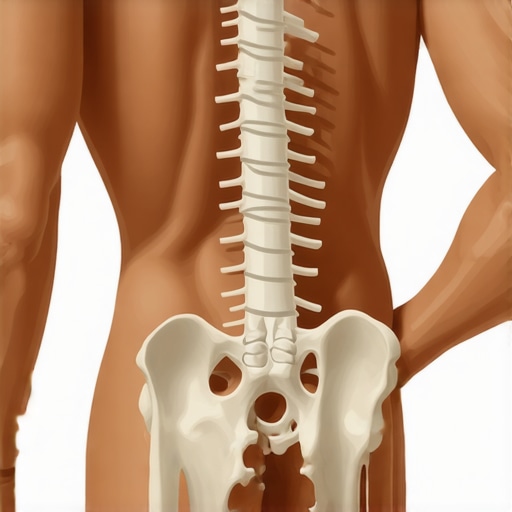
I remember the moment vividly—trying to bend down to pick up my toddler, only to be halted by a searing pain that shot down my leg. That sudden jolt of discomfort was more than just a bad day; it was a wake-up call. I had pushed through minor aches for too long, thinking it was normal aging or stress. But that day, I realized I needed to do more than just grit my teeth and hope it would go away. I needed real solutions to restore my mobility and reclaim my life.
Why Back Pain and Sciatica Can Feel Like a Dead End
For many people, back pain and sciatica aren’t just fleeting annoyances—they can become daily hurdles that limit everything from simple chores to the joy of playing with loved ones. The frustration grows when traditional advice—rest, stretching, painkillers—only offers temporary relief. I’ve been there, and I know how discouraging it can be to feel like you’re stuck in a cycle of pain that you can’t seem to escape. But here’s the good news: you don’t have to accept this as your new normal.
What I’ve learned through my journey and extensive research is that understanding the root causes and applying targeted strategies can truly make a difference. I used to believe that back pain was just part of aging or stress, but it turns out many common mistakes—like ignoring proper posture or rushing into intense workouts—can worsen the problem early on. For example, I made the mistake of ignoring my posture, which only compounded my discomfort. That’s why I’m here to share proven approaches that can help you break free from pain and regain your full range of motion.
Have You Faced This Frustrating Back or Sciatica Pain?
If you’ve ever felt that sharp, shooting pain down your leg or a persistent ache in your lower back that refuses to go away, know that you’re not alone. Millions of people are fighting similar battles every day. The key is discovering what’s really going on and adopting effective strategies. I’ve found that combining expert advice with personalized exercises made all the difference for me. Want to learn how to do the same? Let’s dive into some practical steps that can help you find relief and keep your back healthy.
Start with Posture Correction
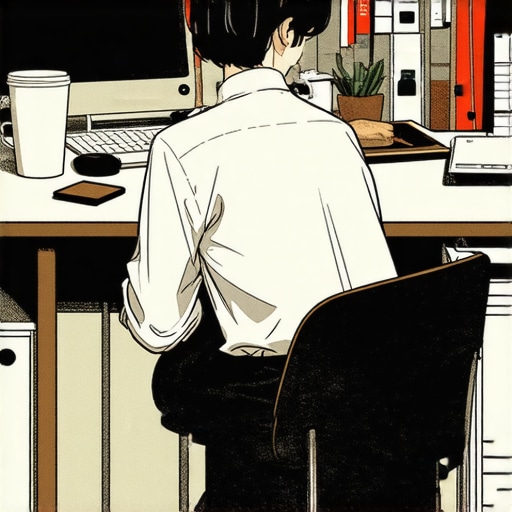
My first step was addressing my posture. I realized that slouching at my desk was contributing to my discomfort. I began by adjusting my sitting habits: sit upright, keep feet flat on the floor, and ensure my back is supported. To reinforce this, I used ergonomic accessories like lumbar rolls and adjustable chairs. This simple change made a noticeable difference within days, reducing pressure on my lower back.
Incorporate Targeted Stretching and Exercises
Next, I turned to specific stretches and strengthening exercises. I focused on gentle movements that loosen tight muscles and strengthen the core, which supports the spine. For example, I practiced pelvic tilts and knee-to-chest stretches daily. I also dedicated time to exercises like the bird-dog, which stabilizes the lower back. Consistency was key—initially, my movements were messy, but persistence paid off, and I gradually improved my mobility.
Use Hot and Cold Therapy
To manage pain flare-ups, I alternated between heat and cold packs. Cold therapy helped reduce inflammation, especially after activity, while heat eased muscle tension. Applying a cold pack for 15 minutes followed by heat for another 15 minutes became part of my routine. This approach provided quick relief and prevented pain from escalating.
Enhance Mobility with Gentle Movement
Many believe rest is best, but I found that gentle movement actually promotes healing. I avoided prolonged bed rest and kept active with low-impact activities like walking or swimming. These movements stimulated blood flow, loosened stiff joints, and prevented my muscles from weakening. I also incorporated mobility drills from simple exercises that make a difference, which kept my spine flexible and resilient.
Optimize Your Sleeping Position
Sleep can either worsen or alleviate back pain. I experimented with different positions until I found one that supported my spine—lying on my side with a pillow between my knees, or on my back with a pillow under my knees. Using a firm mattress also helped maintain proper spinal alignment. Proper sleep posture reduced morning stiffness and set a positive tone for the day.
Seek Professional Help for Persistent Pain
If pain persists beyond a few weeks or worsens, consulting a healthcare professional is crucial. I visited a specialist who recommended targeted therapies and manual adjustments. Sometimes, addressing underlying issues like herniated discs or nerve compression requires expert intervention. For additional guidance, I reviewed expert strategies for lasting comfort to complement my self-care routine.
Stay Consistent and Patient
Finally, I learned that recovery isn’t instant. Staying consistent with exercises, posture, and healthy habits over weeks and months was essential. I kept a journal to track my progress, which motivated me to stick with the routine. Remember, small, consistent steps lead to significant long-term relief and mobility improvements.
Many people fall into the trap of believing oversimplified or outdated ideas about back pain and sciatica, which can actually hinder their recovery. One of the most persistent myths is that rest is always the best course of action. While taking a break from intense activity is helpful initially, prolonged inactivity can weaken muscles and worsen symptoms. Instead, gentle movement and targeted exercises are proven to promote healing, as supported by research on mobility and pain management. For instance, incorporating mobility drills from simple exercises that make a difference can accelerate recovery.
Another common misconception is that you have to wait for pain to subside completely before resuming activity. This can lead to unnecessary delays in rehabilitation. The reality is that controlled, low-impact movements help maintain joint flexibility and muscle strength, preventing stiffness and further injury. Experts emphasize that persistent, sharp pain should always be evaluated by a healthcare professional, especially if it lasts beyond a few weeks, to rule out underlying issues like herniated discs or nerve compression. You can learn about warning signs and when to seek help at key symptoms to watch.
A less obvious but critical nuance involves posture correction. Many believe that posture is only a concern during activities, but poor posture habits—like slouching at your desk—can gradually cause or worsen back issues. Addressing these habits with ergonomic adjustments and conscious awareness can significantly improve outcomes, as discussed in the link between poor posture and chronic pain. Moreover, some think that pain relief solutions are purely physical; however, stress and emotional health play a vital role. Chronic stress can exacerbate pain perception and hinder recovery, making stress management techniques an essential part of a comprehensive approach.
For advanced readers, a question often asked is: How do I know if my back pain is just muscular or something more serious? The key is to pay attention to associated symptoms such as numbness, weakness, or loss of bladder control. These signs may indicate nerve involvement requiring specialized care. Consulting a healthcare professional and exploring targeted therapies, such as manual adjustments or physical therapy, can be crucial for lasting relief. To explore effective strategies, review expert strategies for lasting comfort.
In summary, dispelling these myths and understanding the nuances of back pain and sciatica can empower you to adopt smarter, evidence-based practices. Remember: recovery is a journey of consistent effort, not just quick fixes. Have you ever fallen into this trap? Let me know in the comments.
Once you’ve begun your journey towards back and sciatica relief, the next step is ensuring your progress is sustainable and scalable. Maintaining your mobility over time requires a combination of the right tools, consistent routines, and an understanding of long-term strategies. In this post, I’ll share the specific equipment and methods I personally trust to keep my back healthy and my pain under control, along with insights into where this approach is heading in 2025 and beyond.
How do I keep my back healthy over the long haul?
One of the most effective tools I use is a high-quality ergonomic chair that supports proper posture during long work hours. I personally prefer chairs with adjustable lumbar support and breathable mesh material, which help prevent slouching or undue pressure on the lower back. Combining this with a lumbar roll, which I place behind my lower back, makes a significant difference. Ergonomic accessories are increasingly customizable, and future models will likely incorporate smart sensors that alert you when your posture deviates from optimal alignment, further reducing the risk of chronic issues.
Smart technology for posture and mobility
Another game-changer I recommend is wearable posture correction devices. These small, discreet gadgets vibrate gently when you slouch, reminding you to sit upright. I’ve used a few brands, but the one I find most effective is the Upright Go, which syncs with an app to track your progress and provide personalized exercises. As technology advances, I predict more intelligent wearables integrated with AI will offer real-time feedback, making posture correction effortless and automatic.
Prioritizing targeted exercises and mobility drills
For ongoing mobility, I rely heavily on daily mobility routines that include simple exercises like the ones found in these mobility drills. I also incorporate foam rollers and massage balls into my routine, which help release muscle tightness and improve flexibility. These tools are affordable, portable, and customizable, making them perfect for maintaining mobility whether I’m at home or on the road. As research progresses, expect to see smarter, app-connected tools that analyze your movement patterns and suggest tailored stretching routines.
Long-term tracking and digital health tools
I’ve found that keeping a digital journal of my pain levels, mobility, and habits helps me identify patterns and prevent setbacks. Apps like MyFitnessPal or specialized health trackers integrate with wearable devices, giving insights into how daily activities impact my back health. Looking ahead, I believe AI-powered health platforms will evolve to offer personalized recovery plans based on your data, making long-term maintenance more precise and effective.
Conclusion
Incorporating these tools and strategies into your routine can significantly improve your chances of maintaining pain-free mobility. Start by investing in ergonomic equipment, explore wearable posture correction devices, and utilize mobility tools like foam rollers. Regularly tracking your progress with digital health tools can help you stay on course. Remember, the future of back care is leaning heavily towards smart, data-driven solutions, so staying updated on emerging technologies can give you an edge in your recovery journey. Want to deepen your understanding? Check out this article on posture and chronic pain for more insights. Try integrating one new tool or habit today, and see how it transforms your long-term back health.
The Hardest Lesson I Learned About Back and Sciatica Relief
One of my biggest realizations was that quick fixes and superficial treatments only masked symptoms temporarily. True progress came when I looked deeper into the root causes, like posture habits and muscle imbalances. This shift in perspective made me appreciate the importance of consistent, targeted routines rather than relying solely on painkillers or passive rest.
How Smart Tools Transformed My Recovery Journey
Investing in ergonomic equipment and wearable tech like posture correction devices revolutionized how I maintained back health. These tools provided real-time feedback, helping me stay conscious of my habits throughout the day. As technology advances, I believe more intelligent, AI-powered solutions will personalize treatment plans, making recovery more efficient and sustainable.
Emotional Boost: Your Back Strengths Are Within Reach
Remember, every small effort you make sets the stage for long-term mobility. Celebrate the victories, whether it’s holding a stretch longer or sitting with better posture. You’re capable of transforming your back health—step by step, day by day. Don’t wait for pain to worsen; start today and reclaim your freedom of movement.
What’s Your Next Step Toward a Pain-Free Back?
Have you ever tried a specific exercise or tool that made a real difference in your back or sciatica relief? Share your experiences below—your story might inspire someone else to take action!