
How to Stay Mobile While Working in a Small Home Office
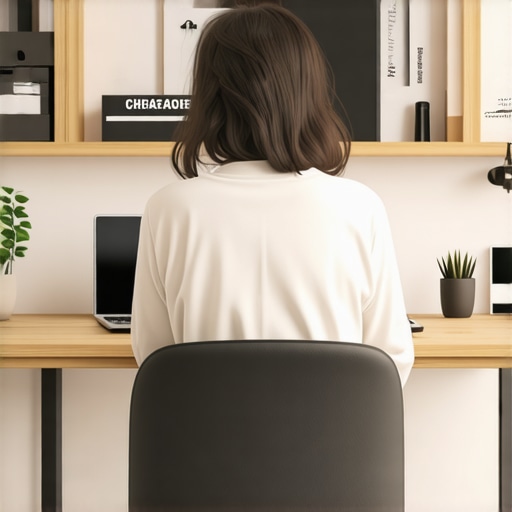
Just last month, I found myself curled up on the couch, clutching my lower back with a look of frustration. It was a slow Saturday morning, and I suddenly felt a sharp twinge that made me realize I had been neglecting one crucial aspect of my work routine—my mobility. That moment was a lightbulb flickering in my mind: working from my cozy but tiny home office was slowly turning into a mobility trap. I was so caught up in deadlines and tasks that I forgot one essential truth—movement is medicine, especially when space is limited. Today, I want to share how I turned things around, and how you can too, even if your workspace feels like a squeeze.
Why Staying Mobile in a Small Home Office Matters
Living and working in a small space is comfortable and efficient—most days. But without intentional movement, it can become a silent culprit behind persistent back, neck, and joint pain. Think about it: our bodies are designed to move. When we sit for hours straight, especially in cramped environments, we’re essentially telling our muscles and joints to brace themselves against a natural state of tension. That’s a recipe for discomfort, and in many cases, chronic pain. According to a recent study published in the Journal of Physical Activity and Health, prolonged sitting significantly increases the risk of musculoskeletal issues, even if you exercise regularly. It’s a paradox we often overlook.
My early mistake was assuming that just standing up now and then was enough. Spoiler alert: it wasn’t. I thought I needed a fancy standing desk to stay active. But the truth is, small, consistent movements make a world of difference. And that’s what I’m excited to help you discover today—simple ways to keep your body moving, even in a tiny workspace.
Are you tired of feeling stiff after long hours at your desk? Do you dread the ache in your neck or lower back? If so, you’re not alone. Let’s explore practical, effective strategies that fit seamlessly into your home setup and keep you mobile without the need for extra space or elaborate equipment. Because your health shouldn’t be compromised just because your office is small. Ready? Let’s dive in!
Is Flexibility Just a Trend or Truly Worth Your Time?
When I first started exploring mobility exercises, I was skeptical. I wondered if all the fuss about stretching and movement routines was just another health hype. Early on, I made the mistake of skipping key stretches because I thought they were too time-consuming or unnecessary—until I experienced stubborn stiffness that nothing else seemed to fix. Turns out, incorporating small, targeted movements—like quick hip openers or neck stretches—can dramatically improve how your body feels at the end of the day. And you don’t need a lot of space or fancy gear to do it. As a matter of fact, the right techniques can be accomplished even in the tightest of corners at home.
To help you start your own mobility journey, I recommend checking out [mobility mastery tips](https://bodyrenewtherapy.com/mobility-mastery-daily-tips-to-keep-your-spine-and-joints-healthy) for daily routines that are easy to integrate. Remember, the goal isn’t perfection but consistency. Small efforts snowball into big benefits over time.
Break Up Long Periods of Sitting
Stand up every 30 minutes, even if just for a quick stretch. During one hectic workday, I set a timer to remind myself. Initially, I fumbled through some neck rolls and hamstring stretches, feeling awkward in my tight space. Yet, over time, these micro-breaks significantly reduced my stiffness. Think of your body as a car that needs regular pit stops—skipping them leads to engine trouble.
Incorporate Targeted Mobility Exercises
Hip Openers to Loosen Tight Hips
Perform seated or standing hip circles, aiming for five rotations clockwise and counterclockwise. I confined myself to a corner, awkwardly swinging my leg on my chair, but the relief in my lower back was immediate. Hip flexibility directly impacts sciatic nerve tension, similar to releasing a kinked garden hose to restore flow.
Neck and Shoulder Stretches
Try the upper trapezius stretch: tilt your head to one side, gently pulling with your hand. I caught myself slouching, leading to neck pain that mimicked a persistent ache after my computer sessions. Regular neck mobility moves are like loosening rusty hinges; they keep your joints moving smoothly and prevent pain buildup.
Optimize Your Workspace Posture
Align your monitor at eye level to avoid craning your neck downward. I placed a sturdy box under my laptop, transforming my cramped desk setup into an ergonomic station. Think of this as resetting the thermostat in your house; minor adjustments yield comfortable, consistent temperature (or in this case, comfort).
Use Simple Props for Mobility
A tennis ball can serve as a massage tool for stubborn lower back knots. I rolled it along my lumbar region: instant relief, despite a cluttered corner. Remember, tools like this act as mini-therapists, targeting tight muscles and releasing nerve compression, much like deflating a tense balloon.
Practice Breathing for Relaxation and Mobility
Deep diaphragmatic breathing helps relax tight muscles that contribute to back pain. I paused between tasks, inhaling deeply into my belly, which created a sense of release. Consider breathing as the oil that keeps your body’s machine running smoothly—without it, everything squeaks and grinds.
你可以用这些具体的步骤有效提升在狭小空间中的灵活性。每一项动作都可以轻松融入日常,无需额外设备或空间。坚持执行,你会逐渐感受到身体的变化,痛感减轻,活动自如。不要等到疼痛变得难以忍受才开始行动,从今天起,迈出第一步!Many people believe that strictly resting and avoiding movement is the best way to handle sciatic nerve issues or chronic back pain, but in my experience, this approach can actually do more harm than good. A prevalent myth is that pain always indicates serious damage that requires complete immobilization; however, research in the Journal of Pain and Symptom Management shows that cautious, controlled mobility can promote healing and reduce symptoms.
Why Do So Many Still Get It Wrong?
It’s the trap of oversimplification. People often confuse the symptoms with the root cause, thinking that alleviating pain with pillows or medication addresses the underlying mobility deficits. The truth is, pain is often a sign of muscles weakening or joint stiffness developing over time, especially if movement is avoided. Neglecting mobility exercises or proper posture correction can lead to a vicious cycle of stiffness, weakness, and recurrent pain, which is why personalized movement plans are essential.
Beware the ‘Quick Fix’ Trap
One common mistake is relying solely on anti-inflammatory medications or over-the-counter remedies without addressing movement patterns. While these can offer temporary relief, they don’t prevent future episodes if the underlying mobility issues remain unaddressed. In fact, a study in the European Spine Journal highlights that proactive mobility and strengthening routines considerably improve long-term outcomes. Don’t fall into the trap of believing that pain-free days mean you’re cured; consistent, targeted exercises are often the missing piece.
Is Your Neck Pain Sometimes More Than Just Tension?
Many assume that neck discomfort is solely due to stress or poor posture; yet, detailed assessments reveal that nerve impingements or subtle joint restrictions could be underlying causes. If ignored, these can cause chronic strain or even radiating pain into the arms. Advanced practitioners recommend integrating specific mobility drills, like thoracic spine rotations or nerve glide techniques, to enhance recovery. For tailored strategies, consider consulting specialists, and remember, sometimes your body needs more than just superficial stretching. To explore these advanced techniques, check out [neck pain solutions](https://bodyrenewtherapy.com/neck-pain-solutions-innovative-strategies-for-fast-recovery).
What Exactly Do Experts Advise?
Experts like physical therapists emphasize that understanding individual nuances is key. A holistic approach—covering posture, muscular imbalances, and movement compensations—is essential. Regular assessments and personalized exercises can prevent exacerbations and promote healthy mobility. Avoid the common mistake of blindly adopting generic routines; instead, seek guidance tailored to your specific needs. If you’re unsure whether your pain signs are serious, you can review [signs to watch for](https://bodyrenewtherapy.com/is-your-back-pain-a-sign-of-something-more-serious-key-symptoms-to-watch) or consult a professional. Intriguingly, embracing this nuanced perspective often leads to faster, more sustainable relief. Have you ever fallen into this trap? Let me know in the comments.
Keep It Working: Tools I Recommend for Lasting Relief
Maintaining your back, neck, and overall mobility over time requires the right tools combined with consistent practice. From technology to simple props, I rely on specific equipment that has proven beneficial in my journey—and can do the same for you. A key aspect is selecting tools that fit into small spaces and busy schedules, enabling you to stay proactive without the need for extensive setups.
One device I personally swear by is the Foam Roller. Not just for athletes, a foam roller helps release soft tissue restrictions, improve blood flow, and reduce muscle tightness that can contribute to sciatic or neck pain. I prefer a medium-density foam roller because it offers enough firmness for effective myofascial release but remains gentle enough to avoid further injury. Applying it on your lumbar or thoracic regions weekly can significantly enhance mobility and prevent recurrent aches.
For targeted trigger point release, I utilize a Tennis Ball. Its compact size makes it perfect for knocking out stubborn knots in tight muscles, especially around the hips and lower back. Personally, I roll the ball along my lumbar spine and hip flexors—simple yet powerful movements that address common sources of nerve compression. To ensure safety, avoid pressing directly on bones or joints and focus on muscular tissue.
Technology also plays a vital role. I recommend using apps like Mobility Mastery, which offer guided routines tailored to your needs. These programs help you stay consistent with daily exercises and remind you to intersperse movement throughout your workday. Their structured approach makes it easier to stick with healthy habits, especially in a cluttered or small space.
Additionally, adjustable ergonomic accessories are crucial. I rely on a monitor riser and an ergonomic chair with adjustable armrests. These tools help maintain proper posture, reducing strain on neck and back muscles. Investing in these small modifications pays off by preventing long-term deformation and discomfort, keeping your body aligned during prolonged sitting.
Predicting the future, the trend leans toward smart, AI-integrated equipment capable of personalized feedback. Imagine chairs equipped with sensors that alert you when your posture drifts or foam rollers that automatically adjust firmness based on muscle tightness. Embracing these innovations can keep you ahead of pain and mobility issues, ensuring you stay active and pain-free for years to come.
How Do I Maintain Mobility Over Time?
The secret is consistency. Incorporating small, targeted tools into your daily routine makes a substantial difference. For example, dedicating five minutes each morning to foam rolling or trigger point work, combined with ergonomic adjustments and posture awareness, can create lasting change. I also recommend scheduling regular check-ins with a professional, such as a physical therapist, who can tailor strategies and provide accountability. If you’re ready to upgrade your routine, try integrating a tennis ball session today—it’s affordable, effective, and easily stored in your desk drawer or small space. Remember, maintaining mobility is a continuous process, and the right tools make it achievable. For personalized guidance or to address persistent issues, consider reaching out through my contact page.
The Hardest Lesson I Learned About Sciatica and Mobility
One profound realization was that no fancy equipment can substitute consistent, mindful movement. I once believed investing in high-end standing desks would resolve my back pain, but the truth was, without daily small movements, pain persisted. The pivotal moment was understanding that mobility routines must be simple, intentional, and integrated into daily life—no matter how small the space. That epiphany transformed my approach and can do the same for you.
Tools That Truly Changed My Approach to Back and Neck Pain
A versatile foam roller became my go-to for myofascial release, helping me address muscle tightness in tight spaces. Complementing that, a tennis ball helped target stubborn knots in hard-to-reach areas, preventing pain recurrence. I also rely on guided routines from Mobility Mastery, which reminds me daily to stay active. These tools integrate seamlessly into a busy, small environment, ensuring I stay mobile without stress or distraction.
Embrace Movement: Your Key to Lasting Relief
Getting started might seem daunting, but tiny, consistent actions lead to powerful changes. Whether it’s hip circles, neck stretches, or brief standing breaks, each movement counts. Remember, your body was designed to move—ignoring that instinct only fuels discomfort. So, take that first step today: set a timer for 30 minutes and do a quick mobility routine. Your future self will thank you.