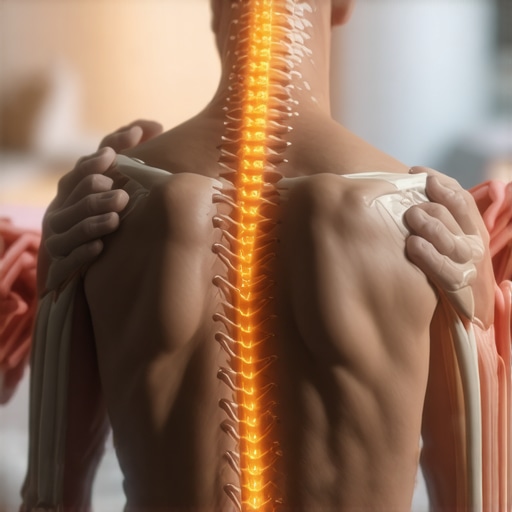
I remember the exact moment I realized I couldn’t ignore my neck pain anymore. It was a hectic morning, and after a quick stretch, I felt that familiar, sharp twinge that reminded me how relentless this discomfort could be. Frustration set in as I tried to get through my day, only to be halted by waves of pain that seemed to come out of nowhere. That was my lightbulb moment—enough with temporary fixes that only masked the symptoms. I needed real, fast-acting techniques that could bring relief and help me regain my mobility.
Why Instant Relief Matters More Than Ever
If you’re reading this, chances are you’ve been battling those stubborn sciatic or neck pains that refuse to go away. Maybe you’ve tried everything, from painkillers to stretching routines, but nothing provides lasting comfort. The truth is, quick relief isn’t just about getting rid of pain for a few hours; it’s about reclaiming your day, your mood, and your life. When pain strikes unexpectedly, you want solutions that work fast—methods you can do at home, in the office, or on the go, without waiting days for an appointment or invasive procedures.
Science shows that applying targeted techniques can significantly cut down recovery time and reduce the risk of chronic issues developing. For example, incorporating simple mobility exercises and posture adjustments can make a notable difference. I’ve learned through my own experience—and from countless clients—that a strategic combination of quick home remedies and lifestyle tweaks can turn the tide against persistent pain. If you’re tired of feeling sidelined by your symptoms, stick around. I’m going to show you how to tap into effective, fast-acting strategies that can provide immediate relief and set the stage for long-term comfort.
Is Rapid Relief Just a Myth or Real Solution?
Early in my journey, I made a mistake many beginners make—assuming that all pain relief methods are created equal. I relied solely on over-the-counter meds, thinking they’d solve everything. But I soon realized that ignoring the root causes only led to temporary relief and more frustration. What truly helped was learning techniques that target the problem directly—like specific stretches, posture corrections, and pressure point releases. If you’ve ever felt skeptical about quick fixes, I get it. But I promise, with the right approach, you can experience relief faster than you think. Curious? Let’s dive into the practical steps that can help you conquer your pain and keep it from returning.
Target Your Pain Areas Directly
Start by pinpointing the exact spots where your pain is most intense. Use your fingers to gently press around the painful area to identify tender points. Once located, apply gentle pressure for about 30 seconds to stimulate blood flow and release muscle tension. I remember a morning when I was desperate for relief; I pressed on a sore spot on my neck, and immediately, I felt a subtle loosening—an instant signal that I was on the right track. This technique works because it activates pressure points that influence nerve pathways, helping to reduce pain swiftly.
Use Quick, Targeted Stretches and Movements
Stretching is a game-changer when done correctly. Focus on gentle, controlled movements that target tight muscles. For sciatic pain, try a simple piriformis stretch: lie on your back, cross one leg over the other, and gently pull your knee toward your chest. Hold for 20 seconds and repeat. I once did this after sitting all day, and within minutes, my pain diminished noticeably. The key is consistency—perform these stretches multiple times daily to keep muscles loose and nerves free from compression. For neck pain, gentle neck tilts and rotations can restore mobility fast. Discover more mobility tips [here](https://bodyrenewtherapy.com/boost-mobility-alleviate-back-pain-proven-relief-strategies).
Apply Cold and Heat Strategically
Alternating cold packs and heating pads can dramatically reduce inflammation and soothe sore muscles. When pain strikes, start with an ice pack wrapped in a cloth for 15 minutes to numb the area and decrease swelling. Follow with a warm compress for another 15 minutes to encourage blood flow and relax muscles. I remember applying ice immediately after a sharp neck twinge, which dulled the pain, then switching to heat later to loosen tight muscles—this combo provided immediate relief and prevented further stiffness.
Implement Posture Adjustments on the Spot
Poor posture is often the root cause of persistent neck and sciatic pain. To counteract this, check your alignment: sit or stand tall, keep your shoulders relaxed, and ensure your head is not leaning forward. For instant relief, perform a quick posture reset: sit back in your chair, plant your feet firmly, and gently lift your chest while pulling your shoulders back. This simple correction can relieve nerve pressure and realign your spine for better comfort. Want to learn how to maintain good posture daily? Visit [here](https://bodyrenewtherapy.com/understanding-the-link-between-poor-posture-and-chronic-back-pain) for tips.
Incorporate Mobility Hacks into Your Day
Small, frequent movements can prevent pain from escalating. Stand up, stretch your arms overhead, and gently twist your torso side-to-side. Regularly changing positions reduces muscle stiffness. I made it a habit to set a timer every hour, reminding me to move, which kept my back and neck healthier and pain-free. For more effective mobility exercises, check [this resource](https://bodyrenewtherapy.com/boost-mobility-alleviate-back-pain-proven-relief-strategies). Remember, the goal is to keep your spine and joints moving freely to avoid long-term issues.
Many people believe that instant relief techniques are just quick fixes that don’t address the root cause of neck or sciatic pain. But in reality, understanding the nuances of these methods can significantly enhance their effectiveness. One widespread misconception is that applying heat or cold is only a temporary solution. While these modalities provide immediate comfort, their strategic use can also influence tissue healing and inflammation management, leading to longer-lasting results. For example, alternating cold and heat can reduce swelling and relax muscles, but only if timed correctly and combined with targeted movements.
Another common myth is that stretching always worsens pain. This is not true—done improperly or excessively, stretching can indeed cause harm, but when tailored to the individual’s condition, gentle mobility exercises can release tension, improve blood flow, and speed up recovery. The key is understanding which stretches are appropriate for your specific pain type and stage of healing. For instance, aggressive stretching of an inflamed nerve can aggravate symptoms, so consulting a healthcare professional or following evidence-based routines is essential. To learn more about safe mobility practices, visit Mobility Mastery.
Can Deep Tissue Techniques Really Accelerate Healing?
Many assume that deep tissue massage or myofascial release are only for relaxation, but they can play a crucial role in pain management when used correctly. These techniques help break down scar tissue, reduce muscle knots, and improve circulation, which can speed up the healing process. However, applying too much pressure or performing these techniques without proper knowledge can worsen inflammation or cause new injuries. Therefore, working with a trained therapist or following expert guidance is vital to avoid the “oops” moment that could set you back. According to a study published in the Journal of Bodywork and Movement Therapies, targeted manual therapy combined with movement exercises can significantly improve symptoms and functional mobility. Have you ever fallen into this trap? Let me know in the comments.
Lastly, many people underestimate the importance of posture correction after pain relief. Temporary fixes like adjusting your sitting position are helpful, but long-term benefits come from integrating ergonomic habits into your daily routine. For instance, using ergonomic chairs or desk setups can prevent future flare-ups. For practical tips, explore posture and chronic pain.
Keeping your pain relief strategies effective over time requires the right tools and a proactive maintenance plan. Personally, I rely on a combination of ergonomic devices and digital resources to sustain my progress and prevent setbacks. One of my favorite tools is an adjustable ergonomic chair, which I personally use daily to support proper posture during long work hours. This chair helps maintain spinal alignment, reducing pressure on nerves and muscles that can cause sciatic and neck pain. Investing in a good ergonomic setup is a game changer, and I recommend exploring options like the ergonomic tips for everyday comfort.
Another invaluable resource is mobility tracking apps, which I use to monitor my daily movement and remind myself to incorporate stretches and posture corrections regularly. These apps often come with customizable routines that focus on strengthening weak areas and loosening tight muscles—both crucial for long-term relief. For example, the Mobility Mastery program offers practical exercises that I integrate into my daily routine to keep my spine and joints healthy. Consistency is key, and these tools help me stay accountable.
In addition to physical tools, I utilize educational resources like video tutorials and expert blogs to stay informed about the latest techniques. The future of pain management is leaning toward personalized, tech-assisted solutions—think smart posture sensors and AI-driven exercise recommendations. For instance, emerging research suggests that biofeedback devices can provide real-time correction cues, significantly enhancing the effectiveness of mobility exercises (see understanding the link between posture and pain).
To truly maintain your progress, I recommend integrating these tools into a comprehensive routine that includes regular check-ins with a healthcare professional. This way, you can adapt your tools and techniques as your body changes. For example, scheduling periodic assessments can help identify new problem areas before they escalate, ensuring your efforts remain effective over the long haul.
Curious about more advanced strategies? Try incorporating pressure point therapy with your daily stretches or using a foam roller for self-myofascial release to break up muscle knots. These simple additions can make a significant difference in your ongoing pain management and mobility maintenance.
How Do I Maintain My Progress Over Time?
The secret lies in consistency and adaptability. Keep a journal of your daily routines and pain levels, and adjust your tools and techniques accordingly. Regularly revisit your ergonomic setup, update your mobility routines, and stay informed about new developments. Remember, pain management isn’t a one-time fix but a continuous journey. For personalized guidance, don’t hesitate to reach out through our contact page. Staying proactive with the right tools and habits will ensure you keep moving comfortably and confidently for years to come.
The Unexpected Lessons That Changed My Approach to Pain
One of the toughest lessons I learned was that quick fixes are only part of the solution. Relying solely on temporary relief methods like painkillers or heat packs often masked the underlying issues, leading to recurring pain. The breakthrough came when I started focusing on targeted pressure points and gentle mobility exercises—simple yet powerful tools that provided immediate relief and promoted long-term healing.
Another insight was that posture correction isn’t just a quick fix but a foundational habit. Small adjustments throughout the day—like sitting upright or using ergonomic supports—can drastically reduce nerve compression and muscle tension. This realization made me realize that consistency in these small changes yields the biggest results over time.
Lastly, I discovered that integrating mobility hacks into daily routines—such as short stretches and movement breaks—keeps muscles loose and nerves free from compression. These habits, combined with strategic cold and heat applications, created a synergy that kept pain at bay and boosted my overall mobility.
My Go-To Arsenal for Neck and Sciatic Relief
Over years of trial and error, I’ve curated a set of tools that genuinely make a difference. The Mobility Mastery program offers practical routines that I personally follow to maintain spinal health. For ergonomic improvements, I trust the ergonomic tips for everyday comfort to prevent future flare-ups.
When I need immediate relief, I turn to targeted pressure point therapy and gentle stretches, which you can learn from expert guides. Additionally, using apps to track my mobility and posture helps me stay accountable and adapt my routines as needed. These tools have been game-changers in my journey toward sustained comfort and mobility.
Embrace Your Power to Change and Heal
Remember, the path to lasting relief isn’t about quick fixes alone—it’s about cultivating habits that support your body daily. Your journey toward pain-free movement starts with small, consistent steps and the right resources. Take charge today, and don’t hesitate to reach out for personalized advice—your future self will thank you.
What’s the one technique or habit that has helped you most with neck or sciatic pain? Share your experience below—I’d love to hear your story!



Reading this post really resonated with my own experience of sudden neck pain during a busy workday. I used a combination of gentle stretches and applied cold packs, which instantly helped reduce the sharpness and eased my discomfort enough to continue working. What I found particularly insightful was the emphasis on pressure point techniques—something I haven’t tried much before. I wonder, though, how do you determine which pressure points are most effective for different kinds of neck or sciatic pains? Are there specific cues to look for that tell you where to apply pressure? I’ve experienced some relief from simple neck tilts and shoulder rolls, but I’m curious if integrating pressure techniques could enhance my recovery routine. Would love to hear more about how to safely identify those sensitive spots and incorporate them into daily self-care. This holistic approach seems promising for managing pain without relying solely on medication.