
The Truth About Inversion Tables: Who They Help and Who They Hurt
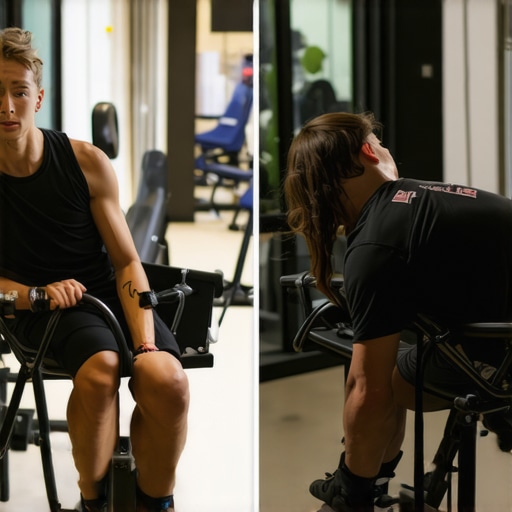
It was one of those mornings where I woke up with that familiar, stabbing pain in my lower back. Despite years of trying different remedies, nothing seemed to give lasting relief. I remember feeling frustrated, almost defeated, until I stumbled upon inversion tables. Skeptical but desperate, I decided to give it a shot — and it changed my perspective entirely. If you’ve ever experienced persistent back or neck pain, or struggled with sciatic discomfort, you’re not alone. Trust me, I’ve been there, and I know how disheartening it can be.
Why Inversion Tables Can Be a Double-Edged Sword
Inversion therapy—hanging upside down or at an angle for spinal decompression—has gained popularity as a quick fix for back pain, but not everyone benefits the same way. Initially, I thought it was a miracle cure, but I soon learned that its effectiveness depends heavily on individual circumstances. For some, inversion tables offer much-needed relief, easing pressure on spinal discs, improving circulation, and reducing stiffness. For others, especially those with certain health conditions, it can actually worsen their symptoms.
Understanding who stands to gain—and who should steer clear—can save you from unnecessary discomfort or even harm. During my early research, I made the mistake of assuming inversion therapy was universally beneficial. That experience taught me the importance of listening to your body and consulting health professionals. In fact, according to a study published in the Journal of Physical Therapy Science, improper use of inversion tables by individuals with high blood pressure or glaucoma can lead to serious complications. So, before you decide to hang upside down, consider your unique health profile.
Could inversion therapy be more harmful than helpful for you?
If you’re among those curious about inversion tables, I encourage you to explore all sides—beyond the hype. This post will guide you through understanding the real benefits and risks, helping you make an informed decision. Stay tuned for practical tips and expert insights on how to use inversion therapy safely—or alternative approaches that might work better for your condition.
Are you currently facing chronic back or neck pain that feels unmanageable? Share your experience in the comments below, or head over to our contact page to connect with specialists who can help. The goal here is to get you moving toward a pain-free life, armed with the right knowledge.
Identify the Root Cause of Your Discomfort
Pinpointing whether your pain is due to poor posture, muscle strain, nerve impingement, or underlying health conditions is crucial. Take a moment to evaluate your daily habits and note when the pain intensifies. For example, I remembered how after prolonged desk work, my discomfort worsened, prompting me to assess my sitting habits. Recognizing the source allows for targeted intervention, avoiding generic exercises that might do more harm than good. Consult a healthcare professional if your pain persists or worsens.
Implement Posture-Improving Habits
Proper posture acts like a steady foundation for your spine. Adjust your workspace to keep your monitor at eye level and your chair supporting your lower back. When I corrected my computer height, I noticed immediate relief in my neck tension. Use ergonomic tools, such as lumbar support cushions and adjustable desks, to maintain spinal alignment. Regularly remind yourself to sit upright, avoiding slouching, which stresses your discs and muscles.
Practice Micro-Adjustments Throughout the Day
Small, consistent tweaks can prevent pain buildup. Stand up every 20 minutes to stretch or walk around. When I started setting timers, I avoided hours of static sitting, which reduced my lower-back stiffness. Incorporate brief stretches to release tension—touch your toes or perform gentle back twists. These actions improve circulation and flexibility, reducing the chance of nerve compression or muscle tightening.
Engage in Targeted Strengthening and Mobility Exercises
Strengthening core muscles creates a natural support system for your spine. Focus on exercises like planks, dead bugs, and bridges. I began doing a 5-minute core routine daily, which significantly stabilized my lumbar region. Enhance mobility by gradually increasing range-of-motion in your neck and thoracic spine. Gentle foam rolling or yoga can loosen tight fascia and improve joint movement. Regular practice helps prevent chronic stiffness and nerve irritation.
Use Carefully Selected Stretches for Nerve and Muscle Relief
Stretching can alleviate nerve compression—think sciatic or cervical radiculopathy. Be cautious to avoid overstretching delicate tissues. For example, I found that a gentle piriformis stretch eased my sciatica symptoms, but aggressive stretching worsened the discomfort. Incorporate stretches like the knee-to-chest or neck tilts cautiously, holding each for 20-30 seconds. Consistent, gentle stretching keeps nerves and muscles relaxed, preventing painful spasms or pinched nerves.
Incorporate Self-Massage or Myofascial Release
Using tools like a tennis ball helps release tight knots in muscles. I applied a ball to my lower back and hips, rolling over tender spots to reduce tightness and improve blood flow. Focus on areas that tend to knot, such as the upper trapezius or glutes. This self-care strategy complements strengthening routines and can prevent muscle spasms that trigger nerve irritation.
Prioritize Restorative Sleep and Proper Support
A supportive mattress and pillow maintain spinal alignment overnight. I experimented with different pillows and found a contour pillow that kept my neck in a neutral position, reducing morning stiffness. Sleep positions matter—preferably on your back or side, avoiding stomach sleeping which strains the neck and lower back. Adequate rest allows tissues to recover and reduces inflammation, promoting quicker recovery from daily strain.
Monitor Your Progress and Adjust Accordingly
Keep a pain diary to track what helps or worsens your symptoms. Over time, you may find certain activities or stretches need modification. For example, I noticed that prolonged bending aggravated my lower back, so I shifted to hip hinge movements during lifting. Regular reassessment ensures your plan remains effective and safe, preventing setbacks and supporting sustained relief.
Many people assume that straightforward stretches, exercises, or even quick fixes are enough to resolve persistent neck, back, or sciatica pain. However, this common misconception overlooks crucial nuances that can significantly impact recovery. One of the most overlooked aspects is the idea that pain always stems from structural issues—like herniated discs or misalignments—when, in reality, often the root cause is related to complex neurological or reflexive mechanisms. For instance, persistent muscle tension can become a protective response, masking underlying nervous system sensitivities that require a different approach. As I’ve seen in advanced research, such as the study in the Journal of Orthopaedic & Sports Physical Therapy, focusing solely on local structures without considering global neuromuscular patterns often leads to recurrent problems or even exacerbation of symptoms. This is a trap many fall into—thinking that more stretching or strengthening alone will solve everything. But in my experience, the real breakthrough occurs when we address movement patterns, joint mobility, and neurological feedback loops holistically, not just locally. Additionally, a common myth is that sitting longer or avoiding movement helps reduce pain; quite the opposite, prolonged inactivity can worsen mobility and nerve function, amplifying pain cycles. Here’s where self-awareness and nuanced assessments become vital. Instead of isolated exercises, consider a comprehensive movement analysis to uncover hidden compensations that perpetuate pain. Have you ever fallen into this trap? Let me know in the comments. For advanced strategies, exploring how postural habits influence neural tension is key. Check out articles like [overcoming sciatic issues](https://bodyrenewtherapy.com/conquering-sciatica-proven-approaches-to-end-discomfort-now) and [mobility mastery](https://bodyrenewtherapy.com/unlocking-mobility-expert-tips-on-managing-back-pain-in-2025) to deepen your understanding of these subtle but impactful factors.Maintaining your spinal health over time requires more than just occasional stretches or quick fixes; it involves using the right tools and establishing consistent habits. Personally, I rely on a combination of ergonomic equipment, targeted mobility gear, and digital resources to keep my back pain at bay. One of my go-to tools is the **Lumbar Roll**—a small, firm cushion that I keep in my office chair. It ensures my lower back maintains its natural curve during long hours of work, significantly reducing my risk of stiffness and discomfort. I also swear by the **Foam Roller**, particularly a dense, textured one, which I use daily to release my thoracic and lumbar fascia. Regular rolling helps me prevent muscle tightness that often leads to nerve impingement. For mobility tracking and routine management, I use **PhysiApp**, a specialized app that guides me through personalized mobility routines based on my progress and pain levels. Its structured approach keeps me accountable and ensures I don’t revert to bad habits. Looking ahead, I believe that wearable technology—like smart posture sensors—will become a cornerstone in spinal health maintenance, providing real-time feedback and encouraging better habits throughout the day.
The Hardest Lesson I Learned About Back Pain and Mobility
Despite countless remedies, I discovered that embracing patience and a personalized approach was crucial. Rushing into intense routines without understanding my body’s signals only delayed recovery, teaching me the importance of listening to subtle cues and progressing slowly.
3 Myths About Sciatica That Held Me Back
I once believed that all sciatic pain required aggressive stretching or even surgery. Over time, I learned that targeted mobility exercises and lifestyle adjustments often provided sustainable relief, dispelling myths that pain always signals severe damage.
What Nobody Tells You About Posture and Chronic Discomfort
Maintaining good posture isn’t just about straightening up; it’s about integrating movement and mindful habits throughout the day. Neglecting this balance can inadvertently reinforce pain cycles, proving that posture is an ongoing practice, not a one-time fix.
My Favorite Tools That Made a Difference
Simple equipment like lumbar rolls and foam rollers became my allies in managing pain. Trusting these accessible tools and incorporating them consistently helped me regain mobility without expensive therapies, emphasizing that small adjustments lead to big changes.
The Power of Moving with Purpose, Not Just Exercise
Real progress happened when I shifted my focus from generic workouts to mindful movement patterns that respected my body’s unique needs. This mindset transformed my recovery journey into a sustainable, empowering experience, reaffirming that quality movement beats quantity every time.
Where to Go from Here
If you’re navigating back or neck pain, consider exploring comprehensive strategies that address both physical and neurological factors. Resources like conquering sciatica and mobility mastery can guide you toward lasting relief. Remember, your journey is unique—trust the process and be patient with your progress.