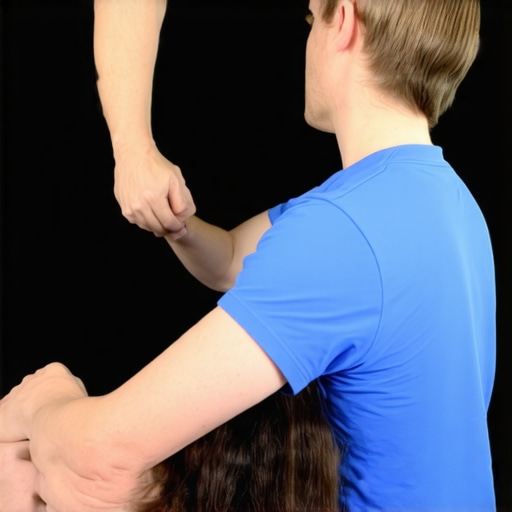
It was a typical Saturday morning when I suddenly felt a sharp jolt in my lower back that made me freeze mid-street crossing. My first instinct was to reach for painkillers, but a lightbulb moment hit me—what if I could actually improve my mobility instead of just masking the pain? That realization kicked off my journey into understanding effective strategies for neck and back relief, and I want to share what I’ve learned with you today.
Why It’s Time to Take Your Back and Neck Seriously
Most of us take our spine’s health for granted until discomfort becomes a daily struggle. I’ve been there—believing that rest alone would fix everything. Spoiler: it doesn’t. Chronic stiffness and pain sneak into your routine, affecting everything from your sleep to your productivity. The good news? Small, consistent changes can bring lasting relief and restore your mobility. Trust me, I’ve made the mistake of ignoring early signs, only to pay the price later. That’s why today, we’re diving into practical, straightforward solutions that work.
Is Back and Neck Relief Just a Trend or Worth the Hype?
Early on, I thought quick fixes like heat packs or superficial stretches were enough. Turns out, neglecting proper movement and posture only worsened my condition. A trusted source from the National Institutes of Health confirms that targeted exercise and ergonomic adjustments significantly improve long-term back health (see here). If you’re skeptical about whether these strategies are effective, I get it. I was too. But I promise, with the right approach, you can turn things around and regain your freedom of movement.
So, are you tired of waking up stiff or feeling that dull ache after a long day? If yes, then keep reading. We’ll explore proven techniques that have helped me—and many others—to boost mobility, reduce discomfort, and get back to enjoying life without constant pain. Ready to start? Let’s go!
} }#assistant {
Start Moving Smarter, Not Harder
One of the most effective ways to improve your back and neck health is to incorporate targeted exercises into your daily routine. I remember the first time I tried simple stretches after waking up—initially, I felt awkward, but the relief was instant. Consistently doing gentle stretches like the cat-cow pose or neck tilts can significantly increase flexibility and reduce stiffness. To make this easier, set aside 5-10 minutes each morning to perform these movements, and you’ll notice a difference in your comfort level throughout the day.
Focus on Proper Posture Throughout the Day
Think of your spine as a stack of well-balanced building blocks. When your posture falters—like slouching at your desk or hunching over your phone—you’re destabilizing that stack. I caught myself slouching during long work hours, which led to persistent pain. To combat this, adjust your workstation ergonomically: elevate your monitor to eye level, keep your feet flat on the floor, and support your lower back with a cushion. These small changes can prevent strain and foster better spinal alignment. For more tips, visit this ergonomic guide.
Incorporate Mobility-Boosting Exercises
Exercises like shoulder rolls, gentle twists, and pelvic tilts are game-changers. I started doing a set of simple back mobility routines twice daily, which felt awkward at first. Over a week, I noticed my range of motion improved, and the dull aches diminished. For quick results, try exercises from this resource. Consistency is key—just 10 minutes a day can set the foundation for long-term relief.
Use Heat and Cold Therapy Wisely
Applying heat helps soothe tense muscles, while cold therapy reduces inflammation. I experimented with a hot pack after a long day, which eased muscle tightness. Conversely, if you experience sudden swelling, ice packs can provide immediate relief. Remember, never apply heat or cold directly to the skin—use a cloth barrier. This simple step can accelerate your recovery and make daily movements more comfortable.
Stay Active with Gentle Movement
Remaining sedentary worsens stiffness, so incorporate light activities like walking or swimming. I found that short walks around my neighborhood after work loosened up my spine and improved circulation. If you’re unsure where to start, explore these mobility tips for guided movement ideas. Regular activity keeps your joints lubricated and reduces the risk of future pain.
Seek Professional Guidance When Needed
If pain persists despite your efforts, consulting a physical therapist can provide personalized strategies. I once tried self-treating my neck pain, but it worsened. A professional assessment revealed underlying issues I couldn’t identify alone. They recommended specific exercises and adjustments that made a noticeable difference. Don’t hesitate to seek expert help from this contact page for tailored treatment plans.
Many people believe that a quick fix like constant rest or superficial stretching is enough to solve chronic back or neck pain. However, these misconceptions can actually worsen the problem over time. Let’s dig deeper into what most of us get wrong and how understanding the nuances can lead to more effective relief.
Why Rest Alone Isn’t the Answer
While taking a break might seem intuitive when experiencing discomfort, excessive inactivity can cause muscles to weaken and joints to stiffen, prolonging pain. According to a study published in the Journal of Orthopaedic & Sports Physical Therapy, maintaining gentle movement is crucial for healthy recovery (see here).
Don’t Fall for the Superficial Stretch Trap
Many believe that aggressive stretching or relying solely on heat packs will solve their issues. The truth is, targeted, controlled exercises designed by professionals are more effective. Overstretching can even cause micro-tears, leading to more pain. The key is to differentiate between gentle mobility exercises and aggressive stretching. For advanced strategies, check this guide.
Myth: Posture Fixes Are Enough
While improving ergonomics is important, posture alone rarely addresses underlying issues like muscular imbalances or joint restrictions. Correcting posture without strengthening supporting muscles can lead to a quick relapse. Incorporate mobility exercises and strength training to ensure lasting results. For comprehensive tips, visit this post.
Why Quick Fixes Can Be Dangerous
Applying heat or cold might provide temporary relief, but relying on them as a sole strategy can delay proper treatment. In some cases, ignoring persistent pain or symptoms like numbness or weakness can be a sign of more serious conditions. Always consult a healthcare professional if pain persists beyond a few days. Learn more at this resource.
Have you ever fallen into this trap? Let me know in the comments.
Keep Your Progress Going with the Right Tools
Maintaining your back and neck health over time requires more than just exercises and good habits; it also involves using the right tools to support your efforts. One of my favorite investments has been a high-quality foam roller. I use it daily to release muscle tension, especially after long periods of sitting or intense workouts. The dense foam helps break up fascia and improve circulation, making my stretches more effective and reducing soreness. I prefer a roller with a textured surface, as it provides targeted pressure that mimics professional massage techniques. Consistently using a foam roller has kept my muscles supple and prevented tightness from creeping back.
Why Invest in a Good Posture Corrector
Posture correctors have become a staple in my toolkit. I don’t rely on them all the time, but wearing one during long work sessions reminds me to maintain proper alignment. I personally choose an adjustable brace that offers support without restricting movement. It’s especially useful for retraining my muscles to hold better posture naturally. Over time, I’ve noticed less neck strain and fewer headaches. When combined with ergonomic adjustments, a posture corrector can be a game-changer for long-term maintenance. For more ergonomic tips, check this article.
Leverage Technology for Lasting Results
Apps and online programs are excellent for tracking progress and staying motivated. I use a mobility app that guides me through daily routines tailored to my needs. These programs often include video demonstrations, timers, and progress logs, making it easier to stay consistent. I’ve also found that wearable devices like posture sensors can provide real-time feedback on your alignment. These gadgets vibrate gently when you slouch, prompting immediate correction. Such technology helps reinforce good habits throughout the day. As these tools continue to evolve, I predict more integration with AI to personalize routines even further, making long-term maintenance more intuitive and effective.
How do I maintain back and neck mobility over time?
The key is consistency and adapting your tools as your body changes. Regularly replace your foam roller to ensure it maintains its firmness, and update your posture support as needed for comfort. Incorporate new exercises from trusted sources like this resource to prevent stagnation. Use technology to stay accountable, whether through apps or sensors, and don’t hesitate to consult professionals for personalized adjustments. By combining these tools with your daily habits, you’ll keep your mobility resilient and enjoy long-lasting relief. Try integrating a mobility app today to see how technology can streamline your maintenance routine.
The Hardest Lesson I Learned About Back and Neck Care
One of the biggest realizations I had was that quick fixes only provided temporary relief, not real solutions. I used to rely solely on heat packs, thinking they would fix everything, but I soon learned that consistent, targeted movement is essential for long-term health. That lightbulb moment changed everything for me.
Three Myths About Back and Neck Relief That Held Me Back
I believed that poor posture was my only problem, but it turns out muscular imbalances, joint restrictions, and even stress played a role. Debunking these myths helped me embrace a comprehensive approach that includes exercises, ergonomic adjustments, and mindfulness.
What Experts Won’t Tell You About Maintaining Mobility
Many professionals emphasize exercises, but I discovered that using the right tools—like foam rollers and posture correctors—amplifies results. Investing in quality equipment has made my routine more effective and sustainable.
My Essential Toolkit for Back and Neck Health
My go-to tools include a high-quality foam roller, an adjustable posture corrector, and a trusted mobility app. These resources help me stay consistent and motivated, ensuring lasting improvements in my mobility and comfort.
Your Next Step to Better Mobility
By integrating these lessons and tools into your daily routine, you can regain control over your back and neck health. Remember, consistent action beats quick fixes every time. Now, I challenge you—what small change will you make today to boost your mobility? Share your plan below!
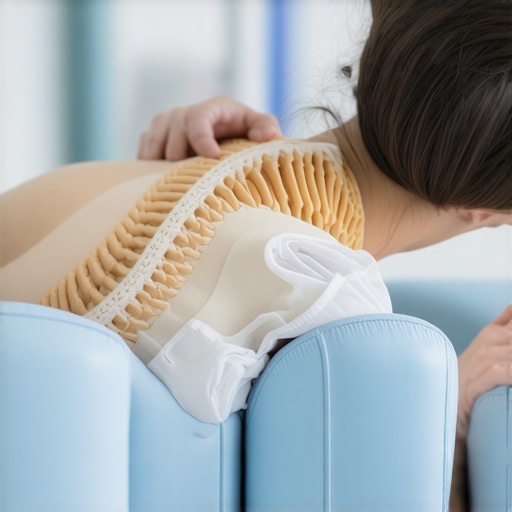


I really resonate with the story of how a sudden jolt in the back led to a deeper understanding of mobility. It’s a common experience—initial pain plus seeking quick fixes, only to realize the importance of consistent movement and proper posture. I’ve found that incorporating gentle stretches into my morning routine, like yoga poses or neck rotations, has made a noticeable difference in reducing stiffness over time. Additionally, paying attention to ergonomic details at my workspace, such as lumbar support and monitor height, has helped prevent further discomfort.
One challenge I face is staying consistent on busy days. Do you have any tips for integrating mobility exercises into a hectic schedule without feeling overwhelmed? Also, how do you balance rest and movement when your body signals the need for recovery? Would love to hear others’ strategies for maintaining a proactive approach to back and neck health.