
Ever found yourself wincing in pain just trying to stand up after sitting for too long? That sudden jolt of discomfort, especially in the lower back or leg, can feel like a punch to the gut. I’ve been there—stuck in a cycle of pain, frustration, and feeling helpless. It’s a lightbulb moment when I realized that small, targeted changes could make a huge difference in how I felt day-to-day.
Why Moving Better Matters More Than Ever
When I first started experiencing sciatica, I thought rest was the answer. Turns out, it’s quite the opposite. Staying still only made things worse, stiffening up my muscles and making mobility a nightmare. That’s when I discovered that simple, quick tips to improve flexibility and reduce pain could transform my life. And honestly, I want the same for you. Whether you’re dealing with nagging back pain or sharp sciatic shocks, these strategies can help you regain control and move comfortably again.
Have you ever felt like your pain controls your day?
If so, you’re not alone. I made the mistake early on of ignoring my body’s signals and pushing through pain, which only aggravated my condition. Now, I know that understanding my body and applying smart, gentle techniques can help prevent flare-ups and promote healing. For a deeper dive into overcoming sciatic pain, check out lifestyle changes for better quality of life.
So, what’s next? Let’s explore some quick, effective ways to boost your mobility and reduce that dreaded pain. These aren’t magic pills—just real, practical tips I’ve used myself and seen work wonders for others. Ready to get moving in the right direction? Let’s go!
Get Moving with Targeted Stretching
Start by incorporating gentle stretches that target your lower back and hamstrings. A specific move I found helpful was lying on my back and pulling my knees toward my chest, holding for 20 seconds. This stretch helps loosen tight muscles that often trap the sciatic nerve. I remember one morning feeling particularly stiff, but after a few repetitions, I noticed my pain easing significantly. Regular stretching keeps the muscles flexible and prevents nerve compression, which is crucial for mobility.
Focus on Hip Flexor and Piriformis Stretches
These muscles often contribute to sciatic pain when tight. Simple stretches like the pigeon pose or lying figure-four stretch can make a real difference. For example, I tried the pigeon pose after reading about it on Boost Your Back Mobility. Initially, it felt awkward, but persistence paid off, and I felt my lower back and hips loosen up, reducing pressure on the sciatic nerve.
Strengthen Core and Back Muscles
Building a strong core stabilizes your spine and reduces strain. Exercises like bridges, planks, and bird-dogs are effective. I started doing bird-dogs, balancing on hands and knees, extending alternate arms and legs. At first, I wobbled and felt clumsy, but over a week, my balance improved, and my back pain diminished. Strong core muscles act like a natural brace, supporting your spine and alleviating sciatic discomfort.
Incorporate Ergonomic Support and Posture Adjustments
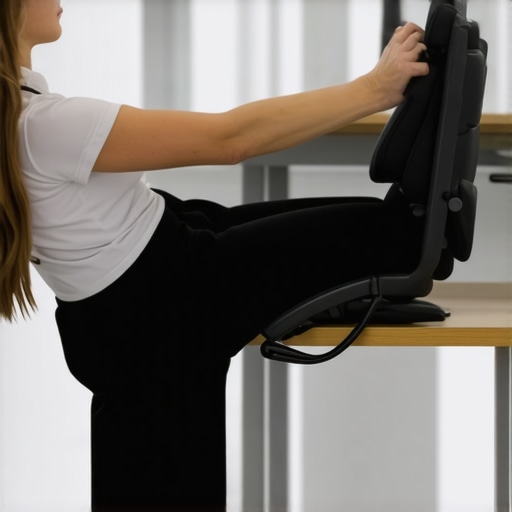
Poor posture often exacerbates sciatic pain. Adjust your workspace to ensure your back is supported and your feet are flat on the floor. I used a lumbar roll at my desk and made sure my monitor was eye-level. Small changes like these prevent aggravation of nerve compression. For more ergonomic tips, check Enhance Your Back Mobility.
Apply Cold and Heat Therapy
Alternating between ice packs and heat pads can reduce inflammation and relax muscles. I kept an ice pack in my freezer and applied it for 15 minutes whenever the pain spiked. Afterward, I used a heat pad to soothe tight muscles. This simple routine provided quick relief and made daily activities more manageable.
Use Quick Home Remedies to Find Immediate Relief
Over-the-counter pain relievers, combined with gentle movement, can help you get through tough moments. I found that a quick 10-minute walk after applying ice or heat significantly eased my pain. Remember, staying active is key—avoid complete bed rest, which can stiffen your muscles and worsen the condition. For faster relief strategies, visit Swift Relief for Sciatica.
Maintain Consistency and Track Progress
Consistency is critical. Incorporate these steps daily, and keep a journal of your pain levels and mobility improvements. Over time, you’ll notice patterns and can adjust your routine accordingly. Remember, small, persistent efforts beat sporadic intense sessions. For ongoing guidance, explore lifestyle changes for better quality of life.

Many people believe they fully understand sciatic pain, but in reality, some widespread misconceptions can hinder effective recovery. Let’s dig deeper into what most get wrong about sciatica and how understanding the nuances can lead to better outcomes.
The Myth of Rest as the Best Remedy
One of the most persistent myths is that complete rest is the ideal way to heal sciatic nerve issues. In fact, staying immobile can prolong inflammation and muscle stiffness, making recovery slower. According to a study published in Spine, prolonged bed rest can weaken muscles and worsen nerve compression, impeding healing. Instead, gentle movement and targeted exercises promote blood flow, reduce inflammation, and facilitate nerve recovery. This is why incorporating mobility strategies discussed in lifestyle changes can be more effective than just resting.
Why Stretching Isn’t Always the Solution
Many believe that stretching is a universal fix for sciatic pain, but in some cases, improper stretching can make things worse. Overstretching or aggressive techniques may irritate inflamed tissues or compress the nerve further. The key is to know which stretches are safe and when to avoid them. For example, high-impact stretches or deep piriformis stretches might aggravate acute inflammation. Instead, gentle, controlled movements—like pelvic tilts or light hamstring circles—are usually safer. For advanced readers, understanding the biomechanical nuances helps in selecting the right exercises. Check out simple mobility exercises that can be tailored to your condition.
Can Improving Posture Alone Cure Sciatic Pain?
This question often puzzles those with chronic issues. While poor posture contributes significantly to nerve compression, focusing solely on posture without addressing muscle imbalances or nerve inflammation may provide only temporary relief. A comprehensive approach, including strengthening weak muscles and relaxing tight ones, offers better long-term results. For instance, addressing core stability and correct ergonomic habits together can prevent relapse. Explore posture and back health to see how these factors intertwine.
Beware of the Quick Fix Trap
Another common mistake is relying solely on painkillers or quick remedies like heat packs, thinking they solve the root problem. While these can provide immediate relief, they don’t address underlying causes such as muscle weakness, nerve inflammation, or spinal misalignment. Over time, ignoring these factors can lead to chronic pain. An integrated strategy—combining lifestyle adjustments, targeted exercises, and professional guidance—is essential for lasting relief. Check out comprehensive relief strategies.
Have you ever fallen into this trap? Let me know in the comments. Remember, understanding these nuanced truths empowers you to take smarter steps toward relief and mobility.
Maintaining progress after overcoming sciatic pain requires more than just good intentions; it demands reliable tools and consistent routines. Over the years, I’ve tested various equipment and methods that genuinely help me stay mobile and prevent setbacks. In this article, I’ll share the most effective tools I personally rely on, and how they can help you keep your body working smoothly in the long run.
Why High-Quality Foam Rollers Are Game Changers
One of my favorite tools for ongoing relief is a sturdy foam roller. It’s not just for post-workout recovery; I use it daily to release tight muscles in my hips, hamstrings, and lower back. A good foam roller with firm, dense material helps break up muscle adhesions and improves blood flow, which is crucial for preventing nerve compression. I recommend choosing a roller that’s dense enough to provide deep tissue massage but not so hard that it causes discomfort. Incorporating regular foam rolling sessions keeps my muscles supple and reduces the likelihood of flare-ups.
Smart Mobility Devices for Targeted Relief
Technology has come a long way, and I now use targeted vibration therapy devices like percussion massagers. These tools deliver rapid pulses that help relax muscle knots and stimulate circulation. I personally find that using a percussion massager on my lower back and hips before stretching enhances flexibility and reduces pain. As this trend advances, expect more affordable, portable devices with customizable settings to become mainstream, making self-care even more accessible.
Tracking Progress with Digital Journals
Long-term success depends on consistency and awareness. I use digital health journals and apps to log my daily pain levels, activities, and relief techniques. This data helps me identify patterns and adjust my routine proactively. For example, noticing that certain stretches or ergonomic adjustments yield better results allows me to optimize my efforts. As technology evolves, AI-powered tracking tools will increasingly provide personalized recommendations, making it easier to maintain and scale your mobility practices.
How do I keep these tools effective over time?
Maintaining your recovery tools involves regular cleaning, updating, and mindful usage. Replace foam rollers when they start to soften or develop cracks, as degraded foam won’t deliver the same benefits. Keep electronic devices charged and calibrated, and review the latest models for new features that might enhance your routine. Regularly updating your tracking habits and staying informed about new mobility techniques ensures your approach remains effective and adaptable.
Looking ahead, I believe the integration of smart wearable technology—like posture sensors and biofeedback devices—will revolutionize how we sustain our mobility. These tools will offer real-time guidance, alerting you when your posture slips or muscles tighten, so you can act immediately.
Ready to try one advanced tip? Incorporate a vibration therapy device into your daily routine and observe how it transforms your muscle relaxation and flexibility. Consistency is key—make it a part of your daily self-care and see long-term benefits.
To learn more about maintaining your mobility, explore lifestyle changes for better quality of life.
The Hardest Lesson I Learned About Sciatic Pain and Movement
- Real progress came when I stopped viewing pain as the enemy and started listening to my body’s signals. Pushing through pain only worsened my condition, but gentle, consistent movement helped my muscles relax and the nerve heal.
- Understanding that not all stretches are safe for every stage of sciatic pain was a game-changer. I discovered that simple, controlled movements, like pelvic tilts or light hamstring circles, were more effective and safer than aggressive stretching.
- The importance of a holistic approach became clear when I combined ergonomic support, core strengthening, and mobility exercises. This multi-layered strategy helped me prevent flare-ups and maintain long-term relief.
- Technology and tracking tools made a real difference in my recovery. Using foam rollers, percussion massagers, and digital journals helped me stay consistent and aware of what worked best for my body.
- Ultimately, I learned that patience, persistence, and smart, personalized care are key to overcoming sciatic pain. Small, daily efforts build up over time to create lasting mobility and comfort.
My Essential Toolkit for Sciatic Relief and Mobility
- Foam Rollers: My go-to for releasing tight muscles and improving blood flow. I trust dense foam rollers for deep tissue work without causing discomfort.
- Percussion Massagers: Devices like handheld vibration tools help relax muscle knots and stimulate circulation before stretching or activity.
- Digital Journals: Apps and online logs track my pain levels and routines, helping me identify what triggers flare-ups and what provides relief.
- Educational Resources: Trusted websites and courses like lifestyle changes for better quality of life guide me in maintaining healthy habits and avoiding setbacks.
Your Next Step to Better Mobility Starts Today
Remember, overcoming sciatic pain isn’t about quick fixes; it’s about building a sustainable routine rooted in understanding your body and choosing effective strategies. Your journey toward lasting relief begins with just one small, committed action—so why not start now? Keep experimenting, stay consistent, and celebrate every bit of progress. If you’ve struggled with specific steps or want to share your story, I’d love to hear in the comments—your experience might inspire someone else to take that first brave step.
![5 Daily Mobility Fixes for Lower Back Pain While Sitting [2026]](https://bodyrenewtherapy.com/wp-content/uploads/2026/01/5-Daily-Mobility-Fixes-for-Lower-Back-Pain-While-Sitting-2026.jpeg)
This article really resonated with me, especially the emphasis on gentle movement over rest. I’ve experienced similar sciatic issues where I initially thought rest would help, but it only worsened my stiffness and discomfort. The idea of using targeted stretching, like the pigeon pose and light hamstring circles, makes a lot of sense. I’ve found that maintaining a routine of these gentle exercises, along with ergonomic adjustments, has helped me manage flare-ups more effectively. One challenge I face is staying consistent with core strengthening exercises; I tend to skip days when I feel overwhelmed. Do others find certain routines more motivating or easier to stick with? Also, I’m curious — have any of you tried vibration therapy devices, and if so, how did they work for you in easing muscle tightness? Would love to hear suggestions from anyone who’s incorporated these tools into their recovery journey.