
Ever found yourself hunched over your desk, only to realize your neck feels like it’s been through a wringer? Maybe it’s that dull ache that creeps up after a long day or that sharp twinge when you turn your head suddenly. I’ve been there—caught in that frustrating cycle of discomfort, trying everything from over-the-counter remedies to stretching routines that just didn’t seem to stick. It’s that feeling of helplessness when you wish there was a quick fix that actually works. Well, I’ve learned a thing or two along the way, and I want to share some of those insights with you today.
Why Neck Pain Can Feel Like a Roadblock to Your Day
Neck pain isn’t just a minor annoyance. It can mess with your mood, your focus, and even your sleep. The thing is, most of us don’t realize how much we neglect our neck until it starts screaming for attention. Sitting at a computer for hours, poor posture, stress—these are silent culprits that build up over time. And here’s a surprising fact: according to recent studies, up to 70% of adults will experience neck discomfort at some point in their lives. That’s a lot of people walking around with the same problem, feeling stuck, and searching for relief.
I remember making a classic mistake early on—ignoring the early signs and just popping painkillers. Sure, they numbed the pain temporarily, but it never addressed the root cause. That’s like putting a band-aid on a leak. When I finally took a step back and started paying attention to my posture and movement habits, everything changed. I discovered that simple, targeted techniques could bring almost instant relief and, more importantly, prevent future flare-ups.
Have You Faced This Struggle Before?
If you’re nodding right now, know that you’re not alone. Many people think neck pain is just part of aging or stress, but it’s usually fixable with the right approach. That’s exactly what I’ll guide you through next—easy, proven tips to soothe your neck and boost your flexibility so you can get back to feeling like yourself. Ready to stop suffering in silence and regain your mobility? Let’s dive into some practical steps that can make a real difference.
Start with Posture Awareness
One of the simplest yet most effective ways to relieve neck pain is to correct your posture. I vividly remember a time when I was working late at my desk, slouching forward, which worsened my neck stiffness. I shifted to sitting upright, aligning my ears over my shoulders, and instantly felt relief. To reinforce this habit, set reminders to check your posture or use ergonomic accessories. For detailed tips on optimizing your workspace, check out ergonomic tips for everyday comfort.
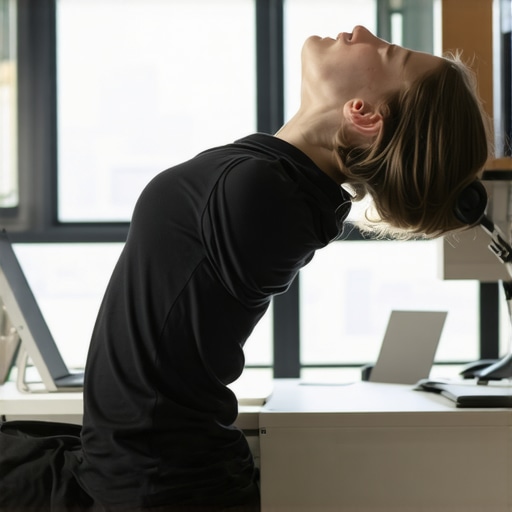
Incorporate Gentle Stretching
Gentle stretches can loosen tight muscles and restore range of motion. I recommend starting with neck tilts and rotations. For instance, slowly tilt your head toward your shoulder, hold for 15 seconds, then switch sides. Repeat this a few times daily. Remember, never force a stretch; gentle movements are key. After just a week of consistent stretching, I noticed my neck felt much more flexible and less tense. To learn more about effective mobility routines, explore proven techniques to regain your range of motion.
Apply Targeted Self-Massage
Self-massage can release muscle knots that contribute to pain. Use your fingertips to gently knead around the base of your skull and along your neck muscles. I found using a tennis ball against a wall to massage my upper back and neck area particularly effective. It’s a quick way to target tension points. For detailed guidance on self-massage methods, visit break the cycle of stress and neck pain.
Practice Controlled Breathing to Reduce Stress
Stress often tightens neck muscles, creating a vicious cycle of discomfort. Deep, controlled breathing can help relax these muscles. During a stressful day, I paused to take slow, deep breaths—inhale for four seconds, hold for four, then exhale slowly. This simple technique calmed my mind and eased tension in my neck. Incorporate breathing exercises into your daily routine to enhance overall relaxation. For more stress-busting strategies, see break the cycle of stress and neck pain.
Stay Active and Keep Moving
Sitting for long periods worsens neck stiffness. I made it a point to stand, walk around, and do light movements every hour. Even a short walk or gentle shoulder rolls can prevent muscles from tightening up. Remember, immobilization leads to stiffness; movement promotes circulation and healing. For a comprehensive mobility plan, check out simple exercises for better mobility.
Many people believe that persistent neck pain is simply a sign of aging or stress, leading them to overlook more nuanced causes and effective solutions. Let’s dig deeper into some misconceptions that might be sabotaging your recovery efforts. Understanding these can help you avoid common pitfalls and adopt smarter strategies to improve your mobility and comfort.
Why Most Advice on Neck Pain Misses the Mark
One pervasive myth is that stretching is always the best remedy. While gentle stretches can be beneficial, overdoing them or performing them with poor technique can exacerbate issues rather than resolve them. For example, aggressive neck rotations may strain muscles or nerves, especially if underlying conditions like herniated discs are present. Instead, focus on controlled, pain-free movements and consider consulting a professional for personalized guidance. For a comprehensive approach, explore proven techniques to regain your range of motion.
Another misconception is that painkillers are a quick fix. While they can temporarily mask discomfort, they do nothing to address the root causes such as poor posture, muscle imbalances, or stress. Relying solely on medication may delay effective treatment and prolong recovery. A more sustainable approach involves a combination of posture correction, targeted exercises, and stress management, which can be more effective in the long run. To understand how stress affects neck pain, see how stress perpetuates neck discomfort.
How to Spot and Avoid Common Mistakes
One trap I often see is neglecting the role of emotional health. Chronic pain is frequently linked to stress and anxiety, which can cause muscle tension and worsen symptoms. Incorporating relaxation techniques like controlled breathing and mindfulness can significantly reduce this tension. For instance, I found that taking just a few minutes daily to focus on deep, diaphragmatic breathing helped loosen tight neck muscles and reduce pain. For more stress-relief tips, visit break the cycle of stress and neck pain.
Another mistake is ignoring the importance of ergonomic workspace setup. Sitting with poor posture for extended periods can lead to muscle fatigue and strain. A common error is using a laptop without proper support, causing the head to jut forward. Make sure your workstation promotes neutral spine alignment and take regular breaks to stretch and move. Learn more about optimizing your posture at ergonomic tips for everyday comfort.
In conclusion, understanding the nuances and debunking myths about neck pain can empower you to adopt more effective strategies. Remember, addressing root causes rather than just symptoms is key to lasting relief. Have you ever fallen into this trap? Let me know in the comments.
Maintaining the progress you make in relieving neck pain requires the right combination of tools, habits, and ongoing strategies. After discovering effective methods, I found that integrating specific equipment and routines into my daily life helped me sustain relief and prevented recurrence. Today, I want to share the tools I recommend for long-term neck health and how you can use them to keep your mobility and comfort intact.
Invest in Ergonomic Support for Lasting Comfort
One of the most impactful tools I started using was an ergonomic office setup. An adjustable standing desk and an ergonomic chair made a significant difference. I personally prefer an adjustable sit-stand desk because it allows me to switch positions frequently, reducing strain and maintaining good posture throughout the day. Pairing this with a lumbar support pillow or a seat cushion keeps my spine aligned and minimizes neck tension. Proper ergonomic setup isn’t a one-time fix; it’s an ongoing process that adapts as your needs change. Regularly reassessing your workspace, especially if you work long hours, helps prevent the buildup of bad habits that can lead to pain.
Use Targeted Mobility Devices for Deep Relief
For deep tissue work and releasing muscle knots, I rely on tools like massage balls and foam rollers. A tennis ball or a specialized massage ball can be pressed against tight spots around the neck and shoulders, providing relief that stretches alone can’t achieve. I personally keep a massage ball at my desk and use it during short breaks to alleviate tension. Foam rollers are excellent for larger muscle groups, but I exercise caution around delicate neck areas. These tools help me maintain muscle elasticity and prevent stiffness, especially after intense sessions of stretching or stress. Incorporating them into your routine ensures sustained mobility and reduces the likelihood of flare-ups.
Embrace Smart Software for Posture and Movement Reminders
Technology plays a vital role in long-term maintenance. I use posture correction apps and software that remind me to sit upright and take breaks. For example, a simple app on my phone prompts me every 30 minutes to stand, stretch, or adjust my posture. This proactive approach helps me avoid the pitfalls of prolonged poor positioning. As trends evolve, I predict that AI-powered posture and movement monitoring will become more sophisticated, providing personalized feedback and real-time corrections. These tools are invaluable for reinforcing good habits even when you’re not consciously paying attention.
How do I maintain neck health over time?
Consistency is key. Regularly using ergonomic tools, incorporating massage and mobility devices, and leveraging technology for reminders create a comprehensive system that supports neck health. Moreover, I make it a point to revisit my routines every few months, updating tools or techniques as needed. Remember, long-term relief comes from sustainable habits, not quick fixes. If you’re interested in more detailed strategies, check out proven techniques to regain your range of motion. For a detailed ergonomic setup guide, visit ergonomic tips for everyday comfort. And if you’re ready to make a significant change, consider consulting a professional for personalized guidance through contact us.
By adopting these tools and habits, you set yourself up for sustained relief and improved neck mobility. Don’t forget, the future of long-term pain management is leaning heavily on smart, personalized tech and ergonomic innovations—embrace them today and enjoy a healthier tomorrow.
The Hardest Lesson I Learned About Neck Pain
One of the most eye-opening realizations I had was that quick fixes, like popping painkillers, only mask symptoms instead of solving the root problem. It took me months to understand that posture correction and mindful movement are key to long-term relief. If I had known earlier that consistent habits trump temporary solutions, I might have saved myself from years of unnecessary discomfort.
3 Myths About Neck Pain That Held Me Back
Believing that neck pain is just aging or stress kept me from seeking proper treatment. I also thought stretching was always beneficial, but overdoing it worsened my condition. The truth is, personalized exercises and addressing emotional stress are essential. Challenging these myths changed my entire approach and accelerated my recovery.
What Experts Won’t Tell You About Staying Pain-Free
Many professionals focus on treatment, but the real secret is prevention. Incorporating ergonomic setups, regular mobility routines, and stress management tools forms a powerful shield against future pain. These insights are often overlooked, but embracing them made a huge difference in my journey to lasting neck health.



I really resonated with the section about posture awareness. I used to ignore my slouching until I started experiencing persistent neck stiffness and headaches. Once I adjusted my workstation setup and started paying more attention to my sitting habits, I noticed a significant improvement. The part about setting reminders to check posture is so simple but effective—I’ve been using a timer app to prompt me to straighten up every hour. What other small daily habits have you all found effective in maintaining neck health? For me, incorporating quick neck stretches during breaks made a huge difference. I’d love to hear more tips from others who’ve found manageable routines to prevent neck pain before it becomes a serious issue.
Reading through this really made me reflect on how often I neglect my neck health, especially when working long hours at my desk. I’ve found that small habits, like standing up to stretch or even just adjusting my sitting position periodically, make a noticeable difference. I also started using a posture reminder app, similar to what Emily mentioned, which helps keep me conscious of my alignment throughout the day. It’s interesting how these tiny adjustments can prevent larger issues over time. One thing I’ve struggled with, though, is understanding which stretches are safe to perform regularly without risking overextension. Has anyone found particular stretches or strengthening routines that are especially effective, yet gentle enough to do daily? I’d love to hear some insights or personal tips that could complement what’s been shared here.