
Have you ever been caught in that frustrating moment where a simple twist or bend sends a sharp jolt through your back, leaving you doubled over and desperate for relief? I’ve been there. One day, I woke up with that familiar, stabbing pain that seemed to seize my entire day. It was a lightbulb moment for me—realizing I couldn’t ignore the pain anymore and needed a real plan. If you’re tired of feeling held hostage by your back or sciatica, know that a better, more mobile life is possible—and I promise to guide you through it.
Why Your Back and Sciatica Pain Won’t Wait
The truth is, ignoring back pain or sciatica can lead to long-term issues. When I first ignored my symptoms, I thought it would go away on its own. Instead, it worsened, limiting my daily activities and making even the simplest movements painful. That mistake taught me a hard lesson: addressing pain early with effective strategies can save you from a lifetime of discomfort. Recent studies show that chronic back pain affects over 80% of adults at some point (source: Body Renew Therapy), making it clear—this isn’t something to brush aside.
Luckily, I found that with the right approach—combining movement, posture adjustments, and lifestyle changes—I could regain control. And you can too. Today, I’ll share proven strategies that helped me and can help you improve your mobility right now. Whether your pain is mild or fierce, these tips are designed to be practical and attainable.
Is All Hope Lost If It’s Sciatica or Back Pain?
This is a common fear I hear from friends and clients alike. The good news? Many cases of sciatica and back pain respond remarkably well to targeted, simple interventions. Early on, I made the mistake of thinking I needed invasive treatments or medication alone—when in reality, lifestyle tweaks and specific exercises made a world of difference. For example, I started incorporating mobility exercises from Mobility Mastery into my routine, and the results were astonishing.
So, if you’ve faced this problem, don’t lose hope. With the right knowledge and persistence, you can restore your movement and ease your pain. That’s what I’ll help you explore in the next sections—ways to address your pain head-on and reclaim your life.
Start Moving with Purpose
The first step is to incorporate targeted movement into your daily routine. I remember a time when I was stiff and hesitant, but I pushed myself to try simple exercises like gentle hip circles and pelvic tilts. These movements helped loosen tight muscles and improve flexibility. Begin with low-impact activities such as walking or swimming. Focus on consistency rather than intensity. Regular movement prevents stiffness and promotes blood flow, which is crucial for healing and maintaining mobility. For specific exercises, check out Mobility Mastery to learn routines tailored for back and sciatic relief.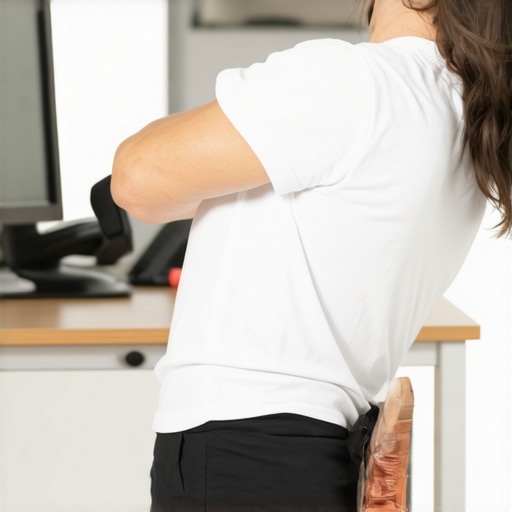
Prioritize Posture for Long-Term Relief
Bad posture is a silent contributor to back pain. I realized that slouching at my desk was aggravating my sciatica. To combat this, I adjusted my workspace ergonomically, ensuring my computer monitor was at eye level and my chair supported my lower back. Practicing proper posture reduces strain on your spine and nerves. Small changes, like standing more often or using lumbar support, can make a big difference. Learn how poor posture links to chronic back pain at this resource. Incorporate these habits into your daily routine for sustainable relief.
Stretch Smartly to Release Tension
Stretching is vital, but it must be done correctly. I once tried aggressive stretches and ended up worse. Instead, I focused on gentle, controlled stretches that targeted my hips, hamstrings, and lower back. Pigeon pose, hamstring stretches, and hip openers loosen tight muscles that contribute to sciatic pain. Avoid overstretching, which can cause more harm than good. Spend a few minutes daily to stretch, and you’ll notice increased flexibility and reduced discomfort. For proven stretch routines, visit Mobility Mastery.
Strengthen Core and Back Muscles
Building core strength stabilizes your spine and alleviates pressure on nerves. I started with simple planks and bird-dogs, which I initially found challenging but gradually improved. Strengthening these muscles supports your back, making it less vulnerable to injury. Incorporate exercises like bridges, dead bugs, and gentle weight training. Proper technique is essential—consider consulting a physical therapist if you’re unsure. Regular core workouts can prevent future flare-ups and enhance mobility. Learn more about effective exercises at Mobility Mastery.
Adjust Daily Habits for Lasting Impact
Small lifestyle changes can have profound effects. I started taking short breaks every 30 minutes during work to stand and stretch. Using ergonomic pillows and supportive shoes also helped reduce strain. Avoid prolonged sitting or heavy lifting without proper form. Incorporate movement into your routine—take stairs, walk during calls, or do mini stretching sessions. These habits reinforce your progress and support ongoing mobility. For ergonomic tips, visit ergonomic tips. Consistency is key; over time, these adjustments lead to significant relief and improved function.
Many people believe that simply stretching or maintaining good posture can fully eliminate back pain and sciatica. While these are important components, the real nuance lies in understanding the complex interplay of muscular, skeletal, and neurological factors. One common myth I encountered early in my journey is that all back pain is caused by a muscle strain or poor posture, but the truth is often more layered. Chronic pain can stem from nerve impingements, disc issues, or systemic problems that aren’t resolved by surface-level fixes alone.
For instance, some assume that bed rest is the best solution. However, research published in the Journal of Orthopaedic & Sports Physical Therapy indicates that staying active is crucial for recovery, even when pain is intense. Over-relying on rest can lead to deconditioning and prolonged discomfort. I learned this the hard way when I took extended breaks, only to find my mobility worsening. Proper movement, tailored to your condition, is a more effective approach.
Another advanced mistake is underestimating the importance of targeted core strengthening. Many think doing general exercise is enough, but specific exercises that stabilize the spine, like bird-dogs or bridges, are scientifically proven to reduce nerve compression and improve long-term outcomes. According to a study in Spine Journal, strengthening deep core muscles can significantly decrease the frequency of flare-ups. Be cautious of generic workout routines that don’t address your unique muscular imbalances or neurological issues.
What advanced signs indicate a more serious underlying issue?
If pain persists beyond a few weeks, worsens with certain movements, or is accompanied by symptoms like numbness, weakness, or loss of bladder control, it’s a red flag. These symptoms could indicate nerve compression or other serious conditions requiring medical intervention. Ignoring these signs can lead to permanent nerve damage. Always consult a healthcare professional if you experience these warning signs. For more detailed guidance, check the article on key symptoms to watch.
Finally, a common trap is over-reliance on passive treatments like medications or injections. While they might provide temporary relief, they often fail to address the root cause. A comprehensive approach, combining manual therapy, movement, posture correction, and lifestyle changes, has proven to be more sustainable. As I discovered, empowering yourself with knowledge and tailored strategies makes all the difference. Remember, addressing the real cause is the key to lasting relief. Have you ever fallen into this trap? Let me know in the comments.
Maintaining the progress you’ve made in alleviating back and sciatica pain requires more than just exercises; it involves leveraging the right tools and strategies for long-term success. One of the most effective methods I personally use is tracking my mobility and pain levels with specialized software. Apps like MyFitnessPal or Strava help monitor activity patterns and identify triggers that may cause flare-ups. By analyzing this data, I can adjust my routine proactively, ensuring sustained relief and improved mobility.
Another critical tool is ergonomic equipment designed to support healthy posture during daily activities. I invested in an adjustable standing desk and lumbar-supportive chairs, which have significantly reduced strain on my spine. For those working at a desk, ergonomic tips offer practical advice on optimizing your workspace. These adjustments not only prevent setbacks but also make maintenance more manageable over time.
Physical therapy devices such as foam rollers or massage balls have become staples in my routine. Foam rolling my lower back and hips helps release tight muscles that contribute to sciatic nerve compression. I recommend the mobility mastery routines to keep muscles flexible and prevent chronic stiffness. Regular self-myofascial release sessions can extend the benefits of professional therapy and keep your tissues healthy.
To stay motivated and consistent, I use wearable fitness trackers like Fitbit or WHOOP. These devices provide real-time feedback on activity levels and sleep quality, essential factors in long-term recovery. As sleep and movement are intertwined, prioritizing restful sleep through good habits complements physical tools and enhances overall well-being.
Looking ahead, the trend in managing back and sciatic health is leaning toward integrated digital solutions. Future innovations may include AI-driven personalized programs that adapt exercises based on real-time feedback, making maintenance even more effective and accessible. For now, combining these practical tools with your exercise routine offers a reliable path to lasting mobility.
How do I keep my back and sciatica healthy over time?
The key is consistency and smart management. Regularly updating your tools, like tracking apps and ergonomic setups, ensures you stay aligned with your recovery goals. Incorporate daily mobility exercises from Mobility Mastery, and revisit your workspace ergonomics periodically. Don’t forget to listen to your body—if you notice increased stiffness or discomfort, adjust your tools and routines accordingly. Remember, the long-term success of your back health hinges on proactive maintenance and embracing innovative solutions when they become available. Try integrating one new tool or habit from this list today and see how it supports your journey toward lasting relief.
The Hardest Lesson I Learned About Back Pain
One of my biggest realizations was that quick fixes and ignoring early symptoms only delayed my recovery. Addressing back pain early, with targeted exercises and posture tweaks, actually accelerates healing and prevents chronic issues. This lesson taught me patience and consistency are key—something I wish I knew from the start.
3 Myths About Sciatica That Held Me Back
I used to believe that sciatic pain meant surgery was my only option or that bed rest would help. I now know that active recovery, combined with specific mobility routines from Mobility Mastery, can be far more effective. Busting these myths saved me months of unnecessary suffering.
What Experts Won’t Tell You About Preventing Back Flare-ups
Many professionals focus on treatment, but prevention is equally vital. Simple daily habits like ergonomic adjustments, core strengthening, and consistent movement create a resilient spine. I learned that integrating these strategies into my routine turned my pain into a manageable part of life, not a constant threat.
Curated Recommendations for Long-term Back Health
My essential toolkit includes ergonomic equipment like lumbar-supportive chairs, apps such as mobility tracking tools, and self-myofascial release with foam rollers. These tools help me monitor progress and keep muscles flexible, making long-term management easier and more effective.
Your Next Step Toward Freedom from Back Pain
Remember, your journey to a pain-free life starts with small, consistent changes. Whether it’s adjusting your workspace, practicing targeted exercises, or embracing new tools, every step counts. Take action today and reclaim your mobility—your future self will thank you.
![4 Sitting Mistakes Ruining Your Sciatica Recovery [2026 Fix]](https://bodyrenewtherapy.com/wp-content/uploads/2026/02/4-Sitting-Mistakes-Ruining-Your-Sciatica-Recovery-2026-Fix.jpeg)


Reading this post really resonated with me. I’ve struggled with sciatic pain for years, especially after long periods of sitting at my desk. Incorporating simple daily stretches, like hip openers and lower back mobilizations, made a significant difference in my mobility. I also found that adjusting my workspace, especially using lumbar support and taking frequent breaks, helps prevent flare-ups. One thing I’ve learned over time is that patience and consistency are essential—quick fixes rarely lead to lasting relief. I’m curious, how do others balance strengthening exercises with avoiding overstretching? Sometimes I worry about doing too much and making things worse. Would love to hear your tips or personal experiences on this aspect. Overall, this article offers practical advice, and I appreciate the emphasis on proactive habits—it’s been a game changer for me.
This article really hits home for me, especially the part about the importance of combining movement with good posture. I used to think I could just focus on stretching and strengthening without paying much attention to my daily habits, but I’ve learned that consistency in posture and activity level can make all the difference. For example, I started using a standing desk and making short, frequent breaks during my workday, which significantly reduced my sciatic discomfort. What I find challenging sometimes is knowing how much is too much—it’s a fine line between staying active and overstressing muscles or nerves. Has anyone found effective ways to gauge their limits without risking setbacks? I’d love to hear how others balance maintaining mobility and ensuring they don’t overdo it, especially when recovery is ongoing. This approach of integrating tools and habits into daily routines is really empowering!