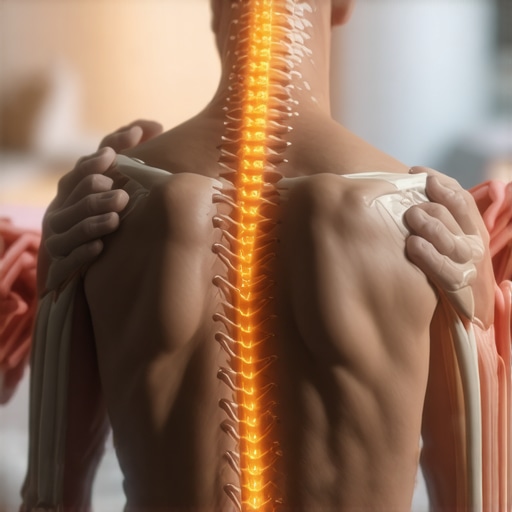
Have you ever reached for your phone or turned your head quickly and felt that sharp, nagging pain shoot up your neck? I used to brush it off as just a minor annoyance, but over time, those little twinges became daily struggles. One morning, I finally realized—if I didn’t do something about it, this discomfort was going to take over my life. It was a lightbulb moment that led me to dive deep into effective strategies for lasting relief.
Why Neck Pain Won’t Just Go Away on Its Own
Neck pain is more common than you might think. According to recent studies, nearly 70% of adults experience neck discomfort at some point in their lives. What’s frustrating is how easily it can become a chronic issue if neglected. Often, the root cause isn’t just a sudden injury but a combination of poor posture, stress, and repetitive strain. Without proper care, this pain can limit your mobility, affect your sleep, and even cause headaches.
In my journey, I discovered that quick fixes like popping painkillers only mask the problem temporarily. True relief requires understanding the underlying causes and applying targeted techniques. That’s exactly what we’re going to explore today—simple, effective tips that I’ve personally tested and that can help you regain your neck’s mobility and comfort for good.
Is Neck Mobility Just a Myth? Here’s the Truth
Early on, I made the mistake of assuming that stretching alone would fix everything. Turns out, that’s only part of the story. Mobility isn’t just about flexibility; it’s about strength, posture, and how your body holds itself throughout the day. Neglecting these elements can make any stretch ineffective or even worse, cause more strain. A well-rounded approach, including ergonomic adjustments and mindful movement, is what truly makes a difference. You can find some practical advice on enhancing your back mobility that pairs perfectly with neck health.
So, if you’ve been struggling with persistent neck pain and limited mobility, rest assured—you’re not alone. And more importantly, you’re in the right place to start turning things around. The next sections will walk you through proven techniques that helped me and countless others find lasting relief. Ready to reclaim your neck and move freely again? Let’s get started!
Start with Posture Reset
Think of your neck as a fragile garden hose. If it’s constantly bent or kinked, water (or in this case, nerve signals and blood flow) struggles to flow freely. I remember one afternoon when I noticed my head was tilting forward at my desk. Instead of just stretching, I adjusted my chair height, positioned my monitor at eye level, and kept my shoulders relaxed. This ergonomic tweak instantly reduced strain, proving that proper posture is the foundation for relief. For more ergonomic tips, check out this guide.
Incorporate Targeted Movements
Next, I learned that gentle, controlled movements are like oiling a rusty hinge—they restore smoothness. I started with slow neck circles, moving my head in a circular pattern, just five times clockwise and counterclockwise. Initially, it felt awkward, but gradually, my range of motion improved. To supercharge your mobility, try simple exercises like chin tucks, which strengthen neck muscles and improve posture. Find effective routines at these exercises.
Stretch Smartly and Safely
Stretching is like tuning a guitar—when done right, it hits the perfect note. I remember pulling my neck into a stretch that was too aggressive; it caused more pain. Now, I gently tilt my head side to side, holding each stretch for 15 seconds. The key is to listen to your body and avoid forcing movements. For proven stretching techniques, see this guide.
Practice Breathing and Stress Reduction
Stress tightens muscles like a vice grip, making neck pain worse. I started practicing deep breathing—inhale slowly through my nose, hold for a count of three, then exhale through my mouth. This simple act relaxes tight muscles and reduces cortisol levels. Pair this with mindfulness or meditation to calm your mind and body. Discover more stress-relief techniques at this resource.
Adopt Consistent Movement Routines
Daily motion is like watering a plant—you nurture flexibility and strength over time. I set a timer to remind myself every hour to stand, stretch, or walk around. These small movements prevent stiffness and improve circulation. For a comprehensive mobility plan, explore mobility mastery tips.
Implement Self-Massage and Heat Therapy
Imagine your muscles as a tangled ball of yarn. Gentle self-massage with your fingers or a massage ball can help unwind knots. I often used a warm towel or heating pad on my neck for 15-20 minutes, which increased blood flow and eased pain. Just be cautious to avoid burns. For effective heat therapy suggestions, visit this page.
Stay Hydrated and Maintain a Healthy Diet
Hydration keeps tissues pliable, much like oil keeps a machine running smoothly. I made a habit of drinking plenty of water throughout the day, especially after stretching or movement sessions. Eating anti-inflammatory foods like berries, nuts, and leafy greens also reduced swelling and discomfort. For diet tips linked to pain management, refer to this article.
Many people believe that neck pain is simply a matter of stiff muscles or bad posture that can be fixed with a quick stretch or massage. However, as an expert in mobility and pain relief, I’ve learned that this view overlooks some critical nuances. In fact, most misconceptions about neck pain can lead you astray and delay genuine recovery.
One widespread myth is that neck pain always stems from muscle strain. While muscles do play a role, research shows that nerve issues, joint degeneration, or even underlying systemic conditions often contribute more significantly than most realize. For example, a study published in the Journal of Orthopaedic & Sports Physical Therapy highlights that neck pain frequently involves complex joint and nerve dysfunctions that aren’t resolved solely through stretching or massage. This article delves into advanced strategies to address these underlying causes effectively.
Are We Overemphasizing Flexibility?
Everyone seems to be told to stretch more, but pushing flexibility without considering strength and stability can actually worsen neck issues. Flexibility is just one piece of the puzzle. Without balanced strengthening of the neck and upper back muscles, increased mobility can lead to instability, risking chronic pain. That’s why a comprehensive approach that combines mobility exercises with targeted strengthening is crucial. For more insights on this balanced approach, explore ergonomic tips for everyday comfort.
Another trap many fall into is ignoring posture habits that develop over years. It’s tempting to think that a single adjustment will fix everything, but in reality, sustainable relief comes from consistent ergonomic practices and mindful movement routines. Small daily habits, such as maintaining proper monitor height or practicing mindful neck movements, make a significant difference over time.
Have you ever fallen into this trap? Let me know in the comments.
Finally, I want to highlight that stress management often gets overlooked. Chronic stress can cause muscle tension, which exacerbates neck pain. Techniques like controlled breathing, meditation, and even mindful awareness of tension can prevent pain from becoming a persistent cycle. According to Harvard Medical School, stress reduction is a powerful tool in managing chronic pain conditions, including neck discomfort. Check out this resource for practical stress-relief strategies.
In summary, the hidden nuance is that neck pain isn’t just about stiff muscles or poor posture—it’s a complex interplay of joint health, muscular balance, neurological factors, and stress. Recognizing these layers helps you adopt a smarter, more effective approach to recovery. Remember, lasting relief comes from addressing the root causes, not just symptoms.
Maintaining long-term neck health requires more than just initial exercises and stretches; it demands the right tools and a proactive approach to upkeep. Over the years, I’ve found that investing in specific equipment and adopting consistent routines makes a significant difference in preserving mobility and reducing discomfort. Today, I want to share some of the most effective tools I personally use and recommend for ongoing neck care.
Why a Quality Foam Roller Is a Game-Changer
One of my go-to tools is a high-density foam roller. Unlike soft rollers, a firm foam roller provides deep tissue massage that helps break down muscle knots and improve circulation. I use mine regularly, especially after long days at my desk or intense workout sessions. It’s simple to incorporate into daily routines and helps maintain muscle elasticity, which is crucial for neck mobility. When choosing a foam roller, opt for one with a smooth surface and moderate density to avoid overstimulation of sensitive areas.
Invest in a Good Massage Ball
A small, firm massage ball is perfect for targeting specific knots around the neck and shoulders. I keep mine at my workspace for quick relief between tasks. The key is to apply gentle pressure and roll slowly over tight spots, which encourages blood flow and relaxes tense muscles. Using a massage ball consistently prevents the buildup of adhesions that can hamper movement and cause pain.
Adjustable Ergonomic Supports Make a Difference
Ergonomics is essential for long-term neck health. I use an adjustable monitor stand and an ergonomic chair with proper lumbar support. Aligning my screen at eye level and maintaining a neutral spine position reduces strain and prevents poor posture from becoming a chronic issue. For those looking to optimize their workspace, I recommend exploring ergonomic tips here. Consistent ergonomic adjustments are investments that pay off in pain reduction over time.
Stretching Apps and Guided Programs
Staying motivated and consistent is easier with the right software. I use a dedicated stretching app that guides me through daily mobility routines tailored for neck and back health. These apps remind me to perform targeted exercises, track progress, and ensure proper form. As technology advances, I predict that AI-driven personalized routines will become more prevalent, offering even more precise care based on individual needs.
How Do I Maintain Neck Mobility Over Time?
The secret to lasting relief is regular maintenance. Set aside a few minutes each day for self-massage, stretching, and ergonomic checks. Keep your tools accessible and integrate them into your routine. Remember, consistency beats intensity—small, frequent actions build resilience and prevent setbacks. Also, stay informed about new techniques and tools by following trusted mobility resources, such as this guide.
Finally, don’t forget to listen to your body. If you notice recurring tension or pain, revisit your tools and routines, and consider consulting a professional for personalized advice. By investing in quality equipment and committing to ongoing care, you’ll keep your neck solutions effective and sustainable for the long haul. Give these tools a try today and see how they transform your mobility and comfort!
The Hardest Lesson I Learned About Neck Mobility
One of my biggest realizations was that quick fixes don’t lead to sustainable relief. I used to rely solely on stretches and massages, but the pain kept coming back. It wasn’t until I understood the complex interplay of joint health, muscular balance, and stress that I found real progress. This taught me that patience and a comprehensive approach are essential for long-term comfort.
My Go-To Tools for Maintaining Neck Mobility
Over the years, I’ve curated a toolkit that keeps my neck healthy. A high-density foam roller helps me unwind muscle knots, while a firm massage ball targets stubborn tension points. Ergonomic adjustments like an adjustable monitor stand and supportive chair prevent strain during work. I also swear by stretching apps that guide me through daily routines—these tools make consistent care manageable and effective.
What I Wish I Could Tell My Past Self About Neck Pain
If I could go back, I’d emphasize the importance of addressing root causes, not just symptoms. Recognizing that nerve issues and joint health matter more than muscle stiffness alone was a game-changer. Also, managing stress through breathing and mindfulness can significantly reduce muscle tension. These insights transformed my approach and can do the same for you.
Where to Go from Here for Lasting Relief
If you’re tired of temporary fixes, start by optimizing your posture and incorporating gentle, targeted movements into your daily routine. Explore ergonomic solutions to prevent strain and use tools like foam rollers and massage balls regularly. Remember, consistency is key—small, mindful actions every day build resilience and restore mobility over time. For more detailed strategies, check out this guide and start your journey toward lasting neck health today!