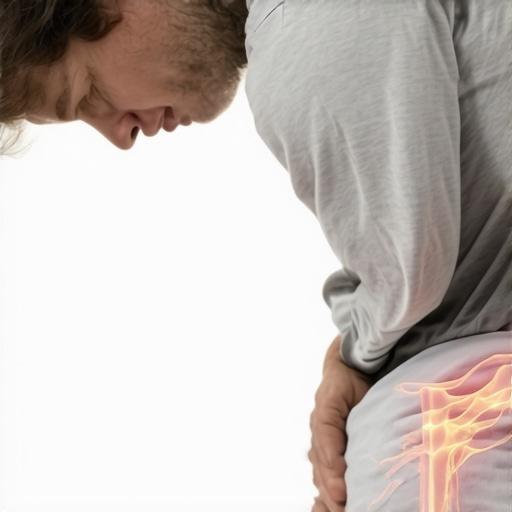
Have you ever felt that sharp, shooting pain down your leg or the dull ache that just won’t go away after a long day? I remember the first time I experienced that nerve-tingling sensation in my lower back, and honestly, it was frightening. It made me realize how much we often take our mobility for granted—until it starts slipping away. That moment of vulnerability sparked my journey toward understanding effective ways to manage back pain and sciatica, and I want to share what I’ve learned with you.
Why Your Back Pain Might Be More Than Just a Nuisance
Back pain and sciatica can feel like stubborn intruders, disrupting your daily life and stealing your independence. But here’s the thing—these issues are often signs that something in your body needs attention. And surprisingly, many of us make common mistakes early on that can make things worse. For example, I used to ignore minor aches, thinking they’d just go away. But neglecting posture and movement habits only worsened my discomfort over time.
Research shows that up to 80% of adults will experience back pain at some point, and for many, it becomes a recurring problem (source: Understanding the link between poor posture and chronic back pain). This is why addressing the root causes and adopting proven strategies is so crucial. And trust me, it’s possible to regain your mobility—no matter how long you’ve suffered.
In the upcoming sections, I’ll walk you through practical, science-backed techniques that helped me turn the tide on my pain and improve my movement. Whether it’s through simple exercises, posture corrections, or lifestyle tweaks, you’ll discover how to start feeling better today—and stay that way.
Is Back Pain and Sciatica Actually Worth the Hype?
Many people dismiss back pain as just part of aging or a minor inconvenience. I once thought the same—until I realized ignoring it only led to more serious issues. Early in my own journey, I made the mistake of pushing through pain without proper understanding, which only prolonged my recovery. That’s why I want to emphasize that effective management is available, but it requires the right knowledge and approach.
Now, if you’ve faced similar struggles or are tired of feeling limited, you’re in the right place. I’ll share practical tips and methods that you can implement immediately to start improving your mobility and reducing discomfort. Ready to take the first step? Let’s get started with some fundamental ways to set yourself on the path to relief.
Start with Posture Corrections
One of the simplest yet most effective steps I took was correcting my posture. I used to slouch at my desk, which put unnecessary strain on my lower back and aggravated my sciatica. To fix this, I adjusted my chair height and ensured my feet were flat on the ground, keeping my knees at a 90-degree angle. Regularly checking my sitting position helped me avoid bad habits that worsened my pain. For a detailed guide on posture adjustments, visit this resource.
Incorporate Targeted Exercises
Next, I added specific exercises to my daily routine that focused on strengthening my core and stretching my lower back. Think of your spine as a tree—if the roots are strong, the entire tree is stable. I started with gentle stretches like the piriformis stretch and cat-cow movements, which I found on this page. Progressing gradually helped me regain flexibility and reduce nerve pinching. Remember, consistency is key—don’t push too hard too fast.
Enhance Your Workspace Ergonomics
My workspace setup was a game-changer. I adjusted my monitor to eye level, used an ergonomic chair, and placed my keyboard and mouse within easy reach. These small tweaks prevented me from hunching forward and straining my back during long hours. Proper ergonomics is like giving your spine a well-designed road—smooth and safe for daily travel. For more ergonomic tips, check this article.
Practice Micro-Movements Throughout the Day
I learned to integrate micro-movements—small, frequent movements—into my daily routine. Every hour, I stood up, stretched, and did gentle twists or lumbar rotations, which kept my spine mobile and prevented stiffness. Imagine your spine as a flexible straw—regular gentle movements keep it from becoming brittle. These micro-movements are simple but powerful, especially when combined with proper posture and exercises. This habit is covered extensively in this guide.
Use Heat and Cold Therapy Wisely
Applying heat or cold packs provided relief on days my pain flared up. I used cold packs to reduce inflammation and heat to relax tight muscles. Think of it as giving your muscles a gentle reset—cold numbs pain, while heat encourages blood flow. Knowing when to use each is crucial; I found that alternating between them helped me manage pain more effectively. For quick relief strategies, visit this page.
Stay Active Without Overdoing It
My biggest mistake was avoiding movement altogether. Instead, I focused on low-impact activities like walking or swimming, which kept my joints limber and promoted healing. Imagine your body as a vehicle—regular, gentle driving prevents rust and breakdown. I gradually increased my activity levels, listening to my body’s signals. Overexertion can worsen pain, so moderation is essential. For tailored activity plans, explore this resource.
Seek Professional Guidance When Necessary
Finally, I didn’t hesitate to consult healthcare professionals when my pain persisted. A physiotherapist helped me identify specific issues and guided me through personalized exercises. Think of a professional as a navigator—helping you steer clear of dangerous routes and stay on course toward recovery. If you’re unsure where to start, reach out through this contact page. Remember, combining self-care with expert advice accelerates healing and restores mobility.
Many of us grow up hearing certain beliefs about back pain and sciatica that, surprisingly, can actually hinder our healing process. As someone who has delved into the complexities of these issues, I’ve discovered that some widely accepted ideas are not only misleading but can also create more harm than good. Let’s dig deeper into the nuances that many overlook or get wrong.
Why Rest Isn’t Always the Best Solution
A common myth is that staying completely inactive will help your back heal faster. In reality, prolonged bed rest can weaken your muscles and stiffen your joints, making recovery harder. Studies show that gentle movement and staying active are critical for improving mobility and reducing pain (source: Back Pain Relief Strategies). Instead of avoiding activity altogether, I found that low-impact movements like walking or stretching actually sped up my recovery. Remember, the goal is to move smartly, not to push through pain blindly.
Myth of One-Size-Fits-All Treatments
Another misconception is that a single treatment or exercise will work for everyone. In truth, back pain and sciatica are highly individual, influenced by anatomy, lifestyle, and underlying causes. For example, some people benefit from targeted stretches, while others need strengthening exercises or ergonomic adjustments. I learned that consulting a healthcare professional to craft a personalized plan is far more effective than generic advice. Check out this resource for insights on tailoring your approach.
What Advanced Mistakes Do People Often Make in Managing Back Pain?
One advanced mistake that many overlook is ignoring the subtle signs that indicate a more serious issue. For instance, persistent numbness, weakness, or loss of bladder control may signal nerve damage or other serious conditions. Many assume that all back pain is muscular or structural, but research emphasizes the importance of ruling out red flags early (source: Serious Symptoms to Watch). Failing to seek professional evaluation in these cases can lead to permanent damage. My advice? Always listen to your body and consult a healthcare provider if symptoms persist or worsen.
Have you ever fallen into this trap? Let me know in the comments. Recognizing these misconceptions and mistakes is the first step toward effective management and lasting relief. The journey to better mobility isn’t about quick fixes but about understanding your unique needs and approaching recovery with informed care.
Maintaining the progress you’ve made in alleviating back pain and sciatica requires the right tools and consistent practices. Over the years, I’ve found that investing in specific equipment and adopting effective methods can make a significant difference in sustaining mobility and comfort. In this post, I’ll share the tools I personally rely on, explain why they work, and predict how technology will continue to enhance long-term management of these issues.
How do I keep my back healthy over time?
One of the most valuable tools I use is an ergonomic chair that supports proper posture throughout the day. My choice was a model with adjustable lumbar support and breathable fabric, which helps maintain spinal alignment during long hours at my desk. Proper ergonomics, such as adjusting your workspace, is crucial; you can explore this guide for detailed tips. Regularly checking and adjusting your setup prevents the recurrence of bad habits that cause discomfort.
In addition, I highly recommend a foam roller designed for myofascial release. I personally use a dense, textured foam roller to target tight muscles and improve blood flow, which aids in muscle recovery and reduces nerve compression. This simple tool is portable, affordable, and effective for daily use. Incorporating foam rolling into your routine can help you maintain flexibility and prevent stiffness, especially after long periods of sitting or strenuous activity. For more on effective techniques, see this resource.
What about software and apps for tracking progress?
Technology has evolved to support long-term health management. I use a health tracking app that logs my daily exercises, posture checks, and pain levels. This helps me identify patterns and adjust my routines accordingly. Apps like these can also send reminders to perform micro-movements or stretches, ensuring consistency. As AI and wearable tech advance, I foresee more personalized solutions that monitor your posture in real-time, providing instant feedback to correct bad habits before they become problems.
What future trends will improve back pain management?
Looking ahead, I believe smart wearable devices will become even smarter and more affordable. Imagine a posture sensor that vibrates gently whenever you slouch, guiding you to sit correctly throughout the day. Additionally, virtual reality (VR) platforms are emerging as tools for guided exercises and mindfulness practices, which can reduce stress-related tension contributing to back pain. Staying ahead means embracing these innovations early and integrating them into your routine for sustained relief.
How do I maintain my progress over time?
The key is consistency and adaptation. Regularly updating your tools—such as replacing worn-out foam rollers or upgrading your ergonomic setup—is essential. Moreover, revisiting trusted resources like this article helps you stay informed about best practices. Remember, managing back pain is a long-term commitment, but with the right equipment and mindset, you can keep your back healthy and pain-free for years to come. Try integrating a foam roller into your daily routine today and notice how much easier it becomes to maintain flexibility and reduce tension.
The Hardest Lesson I Learned About Back Pain
I used to think that ignoring mild pain was okay, hoping it would just disappear. But I realized that neglecting early signs often led to worse issues. The biggest lesson was understanding that consistent, gentle movement is key—rest alone rarely heals chronic back pain. Recognizing this changed my entire approach and accelerated my recovery.
Three Myths About Sciatica That Held Me Back
Believing that sciatica always requires surgery or that it’s just a nerve pinched my progress. Once I debunked these myths and adopted targeted exercises and ergonomic habits, I saw real improvements. It’s empowering to know that most cases improve with the right care, not drastic measures.
What Experts Won’t Tell You About Managing Back Pain
Many professionals focus only on physical therapy, but I discovered the importance of lifestyle tweaks—like micro-movements and proper workspace ergonomics—that truly make a difference. These insights are often overlooked but can help you stay pain-free long-term.
My Essential Toolkit for Back and Sciatica Relief
My go-to tools include an ergonomic chair, a foam roller for myofascial release, and a tracking app to monitor progress. I trust these because they’re simple, effective, and have helped me maintain lasting relief. Combining these with expert advice creates a powerful strategy for long-term health.
Where to Go from Here
Now it’s your turn. Start by evaluating your posture and incorporating gentle exercises into your daily routine. Remember, consistency is your best ally. For tailored guidance, explore ergonomic tips or consult a healthcare professional. Your journey toward a pain-free back begins today—don’t wait for pain to worsen before taking action.
Your Next Step Toward Relief
Are you ready to implement these lessons and reclaim your mobility? Share your experiences or ask questions below—your story might inspire someone else to start their healing journey. Together, we can turn pain into progress and build a healthier future.