
Have you ever found yourself hunched over your desk, feeling that sudden jolt of pain shoot up your neck or lower back? I’ve been there—staring at my screen, thinking, “This pain will just go away… right?” Only to realize later that ignoring those signals can turn into weeks of discomfort. That lightbulb moment hit me hard: I needed real, practical tips that I could use immediately to get relief and keep moving forward. If you’re tired of suffering in silence or relying on temporary fixes, you’re in the right place. Today, I’ll share some of my favorite top mobility tips that have helped me—and can help you—alleviate back and neck pain fast.
Why Immediate Relief Matters More Than Ever
Let’s be honest. Chronic pain isn’t just a minor annoyance; it can affect your mood, your productivity, and your overall quality of life. When I first started experiencing persistent neck tension and back stiffness, I thought it was just part of aging or a sign to see a doctor. Turns out, many common habits and postures contribute significantly to discomfort, and the good news is that simple mobility techniques can make a huge difference. Studies show that even short bouts of targeted movement can reduce pain and improve your range of motion remarkably. For example, a review published in the Journal of Pain Research highlighted how regular movement breaks can help manage chronic pain effectively. So if you’ve been feeling stuck, know that relief is possible—and often, it’s just a matter of changing how you move.
Is Mobility the Real Key to Fast Relief
Early on, I made the mistake of thinking that stretching alone was enough. I overlooked how essential proper posture and strategic movement are to truly easing pain. The truth is, many of us fall into the trap of doing random stretches without understanding what our bodies really need. That’s why I want to emphasize that targeted mobility exercises—like gentle neck rolls or specific back stretches—are often more effective than generic routines. If you want to learn the best ways to unlock your body’s natural ability to heal and move freely, I recommend checking out proven techniques that focus on restoring your range of motion, such as those outlined in these proven neck mobility tips. Trust me, it’s a game-changer.
Now, before we dive into the practical tips, I want to ask—have you ever tried any mobility exercises that actually helped? If not, don’t worry. I’ll guide you through simple actions that you can do at home or at work to start feeling better today. Ready to move past the pain? Let’s get started!
Start with Gentle Neck Movements
Imagine your neck as a garden hose; if it’s stiff, water (or movement) can’t flow freely. I remember a morning when I was so stiff that even turning my head felt like trying to twist a frozen pipe. I began with slow, controlled neck rolls—gently tilting my chin toward my chest, then rotating my head side to side. Do this for 30 seconds each way. This increases blood flow and loosens tight muscles. For targeted relief, try a simple exercise called the neck pendulum: lean forward slightly, let your head hang, and gently swing it side to side. This is like shaking off cobwebs from your muscles, and I found it eased my tension rapidly.
Incorporate Back Mobility Drills
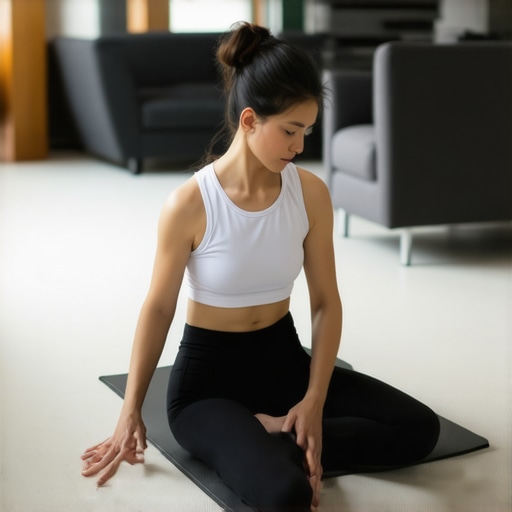
Think of your back as a flexible ruler—bending and twisting without cracking. One effective move is the cat-cow stretch, performed on all fours. Arch your back up toward the ceiling (cat), then dip it down while lifting your head and tailbone (cow). Repeat slowly 10 times. It’s like warming up a rubber band before stretching it further. I added this to my morning routine, and the difference in stiffness was noticeable within days. For a quick fix, lie on your stomach, prop yourself up on your forearms, and gently lift your chest—this opens up the front of your spine and relieves pressure.
Use Posture Hacks During Daily Activities
Proper posture is your best friend—think of it as the scaffolding that keeps a building stable. When sitting at your desk, keep your feet flat on the ground, knees at 90 degrees, and your monitor at eye level. I used a stack of books to elevate my laptop, turning my workspace into a mobile ergonomic station. This simple adjustment prevents slouching and reduces strain on your neck and back. Remember, small changes like this can be as effective as a professional massage. For more insights on maintaining good posture, check out this guide to posture and back pain.
Stretch and Mobilize Throughout the Day
Picture your body like a car engine; it needs regular oiling to run smoothly. Set a timer to stand, stretch, and move every 30 minutes. Simple stretches such as shoulder rolls, side bends, and spinal twists keep your joints lubricated and muscles flexible. I incorporated a quick stretch routine during my lunch break—swinging my arms, twisting my torso, and doing a gentle forward fold. These moves are like giving your body a quick tune-up, preventing stiffness from settling in. For more comprehensive routines, visit these mobility exercises.
Practice Deep Breathing to Reduce Stress-Induced Tension
Stress tightens muscles, especially around your neck and shoulders, much like squeezing a sponge. Deep, diaphragmatic breathing acts as a release valve. I found that taking slow, deep breaths—inhale for four seconds, hold, then exhale for six—helped relax those tight muscles. It’s like pressing a reset button for your nervous system. Incorporate this into your routine whenever you feel tension building, especially after long periods of sitting or stressful tasks. Want to explore more stress relief techniques? Check out these stress-busting tips.
Finish with Targeted Stretching for Lasting Relief
End your mobility session with stretches that target specific pain points. For neck pain, try the chin tuck—gently pulling your chin toward your chest and holding for 10 seconds. For back pain, do a gentle seated forward bend, reaching for your toes without forcing it. These stretches are like tuning a guitar string—small adjustments that restore harmony to your muscles. I regularly performed these before bed, and they helped reduce nighttime discomfort. For detailed stretch routines, see these effective neck mobility tips.
Many people believe that stretching and mobility exercises are a quick fix or that they only provide temporary relief. However, this oversimplification can lead to some common misconceptions that hinder long-term recovery. One prevalent myth is that static stretching alone is sufficient to improve back and neck health. While stretching can help, the real power lies in dynamic, targeted mobility drills that restore your body’s natural movement patterns. For instance, exercises like the cat-cow stretch or neck pendulums activate muscles and joints in a way that static holds cannot achieve. In fact, studies indicate that combining mobility exercises with proper posture adjustments yields better results than stretching alone.
Another misconception is that pain indicates damage, requiring rest or avoidance of movement. In reality, movement often promotes healing. In my experience, gentle, controlled mobility work can reduce inflammation and improve blood flow, accelerating recovery. For example, avoiding movement can cause muscles to weaken and joints to stiffen, making pain worse in the long run. Therefore, staying active with the right exercises is crucial.
Many also fall into the trap of doing random stretches without understanding their specific needs, which can sometimes worsen discomfort. Instead, focus on exercises tailored to your pain points and body mechanics. Consulting a professional or following expert-recommended routines, like those found on this resource, can ensure you’re on the right track.
What Advanced Movements Really Help Improve Mobility?
For those looking to go beyond basic stretches, incorporating functional movements that mimic daily activities can be highly effective. Movements like resisted shoulder rotations or controlled spinal twists engage multiple muscle groups and improve coordination. These exercises help your body adapt to real-world stresses and prevent injury. According to a 2021 review in the Journal of Bodywork and Movement Therapies, functional mobility exercises reduce the risk of chronic pain and enhance overall stability.
Be cautious of the trap where people think pain equals gain. Pushing through sharp pain can cause further injury. Always listen to your body and progress gradually. If you’re unsure where to start or if your pain persists, consider consulting a specialist to develop a personalized plan. You might find that simple adjustments—like those described in lifestyle changes for sciatic relief—can make a substantial difference.
Remember, consistency is key. Regularly practicing targeted mobility exercises, combined with proper posture and mindful movement, can transform your back and neck health over time. Have you ever fallen into this trap? Let me know in the comments.
Keeping your back and neck healthy over the long term requires more than just daily exercises; it involves using the right tools and adopting strategic routines that support sustained mobility. From ergonomic equipment to digital resources, I’ve found several specific tools that make a real difference in maintaining and improving mobility, ensuring you don’t slide back into discomfort. These tools not only help in daily maintenance but also prepare your body for more advanced movements as you progress.
Invest in an Adjustable Ergonomic Chair
Personally, I swear by a high-quality ergonomic chair with adjustable lumbar support and armrests. This piece of equipment helps maintain proper posture during long hours at your desk, preventing slouching that can lead to stiffness and pain. When I first started using an ergonomic chair, I noticed an immediate reduction in neck strain and lower back discomfort. It’s crucial to find a chair that fits your body and allows you to sit with your feet flat and your monitor at eye level. For optimal results, I also recommend pairing it with a sit-stand desk which allows alternating between sitting and standing—this variation keeps your spine mobile and reduces the risk of long-term issues.
Utilize Digital Posture Reminders and Apps
Staying mindful of your posture throughout the day can be challenging. That’s why I rely on posture reminder apps like these digital tools. They subtly alert me every 30 minutes to check my posture, reminding me to straighten up or move. Over time, these prompts have helped me develop healthier habits and reduce unconscious slouching. As technology advances, I predict that AI-powered posture correction devices—integrated with smart home systems—will become more common, providing real-time feedback and tailored mobility suggestions that adapt to your daily routine.
Incorporate Foam Rollers and Mobility Balls
For my personal routine, foam rollers have been invaluable to release muscle tightness and improve blood flow. I keep a dense foam roller in my workspace to perform quick self-massage sessions, especially targeting the upper back and shoulders. Using a mobility ball for targeted trigger point therapy allows me to reach deeper muscle layers than stretching alone. These tools are simple yet effective in maintaining flexibility and preventing knots from forming. As research increasingly supports self-myofascial release techniques, I believe these tools will become essential for anyone committed to long-term mobility.
Leverage Online Guided Routines and Video Tutorials
Consistency is key, and I’ve found that structured routines provided by experts save me time and ensure I’m doing exercises correctly. Platforms like these online tutorials offer step-by-step guidance on mobility drills tailored for neck and back health. Watching professional demonstrations helps me avoid common mistakes and maximize the effectiveness of each movement. Looking ahead, I think the future of mobility maintenance will involve personalized digital coaching, where AI algorithms analyze your movement patterns and suggest customized routines to keep your body in top shape.
How do I maintain mobility over time?
The key to lasting mobility is integrating these tools into a daily routine with consistency. Regularly scheduled movements, combined with ergonomic adjustments and the smart use of equipment, create a sustainable approach. Remember, progress isn’t about occasional intense sessions but about making small, continuous improvements. As I transition into more advanced mobility exercises, I plan to incorporate functional movement patterns and resistance training to build strength and resilience, ensuring my back and neck stay healthy for years to come. If you’re serious about long-term results, consider consulting a professional to personalize your toolkit and routine—this tailored approach ensures you’re investing in your body’s future health and mobility.
The Hardest Lesson I Learned About Back and Neck Pain
One of the most profound realizations I had was that ignoring early signs of discomfort often leads to prolonged suffering. I used to push through pain, thinking it would pass, only to find it worsened over time. Now, I understand that listening to your body and applying targeted mobility techniques early on can drastically change outcomes. This lesson taught me that patience and consistent care are key to long-term relief.
How Small Changes Made a Big Difference in My Routine
Incorporating simple mobility exercises like neck rolls and back stretches into my daily schedule was a game-changer. I discovered that dedicating just 5-10 minutes a day to targeted movements can prevent stiffness and reduce pain significantly. These small adjustments not only improved my flexibility but also boosted my confidence that I could manage discomfort without relying solely on medication or therapy.
The Power of Proper Posture Unveiled
Learning how proper ergonomic habits influence back and neck health was eye-opening. Using an adjustable chair, elevating my monitor, and being mindful of my sitting posture transformed my daily experience. I realized that maintaining good posture isn’t a one-time fix but a continuous practice that supports mobility and prevents pain from creeping back. This insight emphasized that proactive habits are crucial for lasting health.
Curated Tools That Accelerate Recovery
- Foam Rollers: I trust foam rollers for quick muscle release. They help me manage tightness and improve blood flow, making stretches more effective.
- Posture Reminder Apps: These apps keep me mindful of my alignment during long work hours, reinforcing healthy habits without extra effort.
- Adjustable Ergonomic Chairs: Investing in a good chair changed my sitting posture instantly, reducing neck strain and back stiffness.
- Online Guided Routines: Structured video tutorials provide clear, safe guidance, ensuring I perform exercises correctly and stay motivated.
Don’t Wait to Reclaim Your Mobility
Your journey toward pain-free movement starts now. By applying the right strategies and tools, you can break free from chronic discomfort and enjoy a more active, comfortable life. Remember, consistency beats intensity—small, daily actions build lasting change. Take that first step today, and don’t hesitate to seek personalized advice if needed. Your body deserves it.

This article really hits home for me, especially the part about integrating mobility exercises into daily routines. I’ve been battling lower back stiffness from sitting at a desk for many hours, and I found that setting a reminder to stretch every half hour made a huge difference. The cat-cow stretch and neck pendulum are now staples in my day. I also started using an ergonomic chair and a sit-stand desk, which further helps maintain good posture. What I’ve learned is that consistency is key—small, sustained efforts really compound over time. Has anyone here found that combining mobility work with resistance exercises has improved their overall strength and pain levels? I’m curious about how others mix different types of movement for long-term benefits.