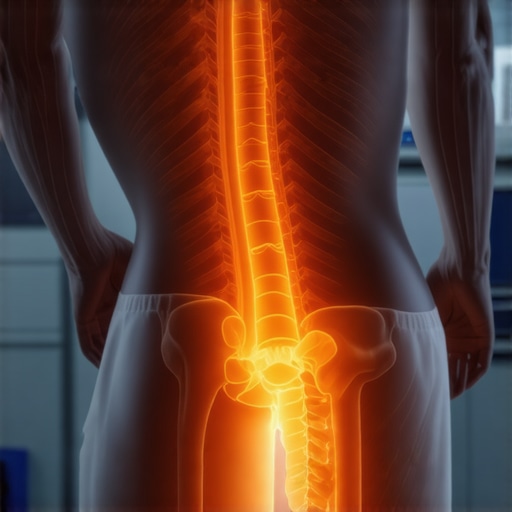
I remember the exact moment I realized I was doing it all wrong—trying to push through the pain, ignoring the warning signs from my body, and hoping it would just go away. That stubbornness cost me weeks of discomfort, limited mobility, and a lot of frustration. It was a lightbulb moment when I finally understood that relief wasn’t about waiting for the pain to vanish but actively doing something about it. If you’ve ever felt the sting of back pain or the shooting discomfort of sciatica, you know how it can turn your day upside down in an instant.
Why Acting Fast Matters When Back Pain and Sciatica Strike
Back pain and sciatica aren’t just nuisances—they’re signals that your body needs care. The longer you wait, the more entrenched the discomfort becomes, often turning into chronic issues that are harder to fix. Early intervention can dramatically improve your recovery time, restore your mobility, and keep pain from dictating your life. Trust me, I’ve been there, and I’ve seen firsthand how swift action can make all the difference.
Did you know that according to a report published by the World Health Organization, more than 60% of people with back pain see improvement within a few weeks if they take the right steps early on? That’s why I want to share some practical tips that helped me and can help you, too. These aren’t miracle cures, but proven strategies that, when applied consistently, can speed up your journey to a pain-free, mobile life.
Is Quick Relief Too Good to Be True?
Early on, I made a mistake many folks do—I relied solely on painkillers and ignored the root cause of my discomfort. This only masked the pain temporarily and delayed real healing. The key is to combine immediate relief techniques with long-term solutions. For instance, gentle mobility exercises can work wonders and don’t have to be complicated. Check out simple exercises that make a difference to get started.
So, if you’re tired of living with nagging pain or if you’re eager to get back to your active lifestyle faster, stay tuned. In the next sections, I’ll guide you through practical, easy-to-implement strategies that can help you regain your mobility quickly and safely. Because, honestly, you deserve to feel good again—so let’s get started.
Start Moving Smartly to Ease Pain
When back pain or sciatica hits, the instinct might be to stay still, but in reality, gentle movement can accelerate healing. I recall a time when I felt a sharp twinge after a long day, and instead of ignoring it, I began with light stretches. I found that simple spinal twists and knee-to-chest movements helped release tension, much like loosening a stiff hinge. To get started, try simple mobility exercises that focus on gentle stretching and controlled movements. These exercises don’t need to be intense; they should feel relieving, not painful. The key is consistency, not intensity, which helps prevent stiffness and keeps your spine flexible.
Incorporate Movement Throughout Your Day
Set a timer to remind yourself every 30 minutes to stand, stretch, or walk around. This prevents your muscles from tightening up and keeps blood flowing. I personally found that walking around the house after a few minutes of stretching improved my comfort level dramatically. Think of your spine like a rusty gate that needs regular movement to stay functional; the more you ignore it, the stiffer it gets. Small, frequent motions can make a significant difference in your recovery process.
Targeted Relief Techniques for Immediate Comfort
If pain strikes unexpectedly, quick relief methods can buy you time for longer-term strategies. I experimented with home remedies like cold packs and gentle massage, which provided temporary relief. Applying a cold pack reduces inflammation, similar to dousing a fire to prevent it from spreading. For sciatica, specific stretches like the piriformis stretch can relieve nerve compression. Quick home remedies can be surprisingly effective when combined with gentle movement. Remember, these techniques are meant for short-term relief, not a substitute for a comprehensive treatment plan.
Use Heat or Cold Strategically
Alternate between heat and cold depending on your symptoms. Cold therapy reduces swelling and numbs pain, while heat promotes blood flow and relaxes tight muscles. I found that using cold packs during flare-ups and heat pads afterward helped maintain a steady comfort level. Think of it as tuning a guitar: cold is like tightening the strings to reduce noise, heat like loosening to relax the tension. This simple switch can make your pain more manageable throughout the day.
Build a Daily Routine for Lasting Results
Integrate mobility exercises into your daily schedule to ensure ongoing improvement. I committed to a short, 10-minute routine every morning, which gradually reduced my stiffness and boosted my confidence in moving freely. Focus on daily mobility tips that reinforce healthy movement habits. The goal is to make movement a natural part of your day, like brushing your teeth. Over time, this builds resilience and prevents future flare-ups.
Pay Attention to Posture and Ergonomics
Good posture is your silent ally in recovery. I adjusted my workspace with ergonomic tips, which helped reduce strain and supported my back during long hours. Think of your spine as a tall, straight tree; it needs a sturdy trunk to stay upright. Small adjustments, like supporting your lower back and keeping your monitor at eye level, can prevent unnecessary stress. For more detailed guidance, explore ergonomic tips that make daily living easier and safer.
Many people believe they understand their back pain or sciatica, but in reality, some misconceptions can hinder effective recovery. One of the most pervasive myths is that rest is always the best cure. In truth, prolonged inactivity can actually worsen symptoms and slow down healing. Gentle movement and targeted exercises, like those found in simple mobility exercises, are often more beneficial than complete bed rest.
Another common misconception is that pain always indicates damage that needs aggressive treatment. While pain is a signal from your body, it doesn’t necessarily mean you have a serious injury requiring surgery. Often, pain results from muscle strain or nerve irritation, which can be alleviated through conservative measures. This is why understanding the nuance of your symptoms is crucial—something I emphasize in my approach to therapy.
Many believe that mobility exercises should be intense to be effective, but the reality is quite different. Overexerting can aggravate the condition. Instead, focus on controlled, gentle movements that promote flexibility and blood flow. For example, addressing posture with simple corrections can prevent future episodes of pain.
What about the myth that neck pain and back pain always require different treatments?
This is a misconception. While their causes can differ, many techniques for relieving neck pain, such as mobility exercises and stress reduction, are equally effective for back pain. The key is to tailor your approach to your specific needs, which is why consulting with a professional is essential. For instance, proven techniques for neck pain can often be adapted for back issues, and vice versa.
Be wary of the trap of relying solely on painkillers. They may provide short-term relief but do little to address the underlying causes. Instead, integrating lifestyle changes, mobility routines, and ergonomic adjustments, as discussed in my other articles, can lead to lasting improvement. Remember, understanding these nuances can be the difference between temporary relief and long-term health. Have you ever fallen into this trap? Let me know in the comments.
Maintaining your back and neck health over time requires more than just temporary fixes; it calls for reliable tools and consistent routines. From ergonomic accessories to mobility programs, I’ve found specific equipment and practices that keep me moving freely and prevent setbacks. In this article, I’ll share exactly what I use personally to sustain long-term relief and how you can incorporate these into your daily life.
Invest in Quality Ergonomic Gear
One of my most valuable investments has been an ergonomic office chair paired with a sit-stand desk converter. This combo allows me to alternate positions frequently, which is crucial for preventing stiffness and reducing strain on my spine. I personally prefer a chair with adjustable lumbar support and breathable fabric because it molds to my posture and keeps me comfortable during long work hours. Additionally, I use an ergonomic keyboard and mouse to minimize wrist tension, a common culprit in neck and back pain. The goal is to create an environment that encourages healthy posture rather than combat it.
Utilize Mobility and Strengthening Tools
For ongoing mobility, I rely on a foam roller and a set of resistance bands. The foam roller helps me release muscle tightness in my back and hips, which is essential for maintaining flexibility. I target my lower back and thighs with gentle rolling, following techniques I learned from this resource. Resistance bands are excellent for strengthening core muscles, which support your spine. I incorporate simple routines with them daily, focusing on controlled movements, to strengthen stabilizers and prevent future injuries.
Track Your Progress and Set Reminders
One often overlooked aspect is consistency. I use a fitness app tailored for mobility and posture tracking, which reminds me to perform specific stretches and exercises throughout the day. This accountability keeps me on track and helps identify patterns that might require adjustment. Regularly reviewing my progress ensures that I stay aligned with my long-term goal: a pain-free, mobile life.
Stay Informed with Expert Resources
Technology and research are advancing rapidly, making it easier to stay updated on effective practices. I recommend subscribing to reputable blogs and channels that focus on back health, such as this resource, which provides evidence-based advice. As new tools and techniques emerge, integrating them into your routine can significantly enhance your results.
How do I maintain my mobility and relief over time?
Consistency is key. Regularly revisiting your ergonomic setup, incorporating mobility exercises, and staying educated on best practices ensure that your efforts yield lasting results. Remember, small daily actions compound into significant long-term benefits. Try setting a weekly review of your tools and routines, and don’t hesitate to adjust as your needs evolve. The future of back and neck care is leaning heavily into personalized, tech-supported protocols—embrace these innovations to stay ahead of pain.
For example, using a posture correction app that employs biofeedback can alert you when your alignment drifts, helping you correct it before discomfort starts. These small but powerful tools can make a substantial difference in your ongoing health journey. Don’t wait for pain to reemerge—proactively maintain your mobility with proven strategies and tools.

The Hardest Lesson I Learned About Back Pain, Sciatica, and Mobility
One of my biggest realizations was that patience isn’t enough—action is essential. I used to wait for pain to disappear on its own, only to find it worsening. It took me hitting a wall of frustration before I understood that proactive steps, like gentle exercises and ergonomic adjustments, could drastically shorten recovery time. This lesson taught me that listening to my body and acting early can turn the tide against persistent pain.
Myths About Back Pain That Almost Cost Me
I believed that rest was the best remedy, but I learned that prolonged inactivity made my symptoms worse. Instead, I found that controlled movement and targeted mobility routines, like those I now recommend in simple exercises that make a difference, are far more effective. Dispel misconceptions, and you’ll unlock faster relief and better long-term health.
The Power of Small Changes and Consistency
Initially, I underestimated the importance of daily habits. Incorporating short mobility routines each morning and maintaining ergonomic posture transformed my recovery. These small, consistent actions compounded over time, reducing stiffness and preventing future flare-ups. Remember, sustainable progress often comes from persistent, mindful effort rather than quick fixes.
Why Real Relief Comes From Combining Strategies
Temporary remedies like ice and heat provided short-term comfort, but integrating them with ongoing mobility and ergonomic improvements created lasting results. This holistic approach, detailed in lifestyle changes for better quality of life, helped me regain my mobility and confidence. The key is to tailor solutions that address both immediate pain and root causes.
Trust the Process and Keep Moving Forward
The most valuable insight I gained is that recovery isn’t linear. There will be setbacks, but with patience, education, and consistent effort, progress is inevitable. I encourage you to embrace small victories and stay committed to your routine. Your journey to a pain-free, mobile life is worth every step—believe in it, and take action today.