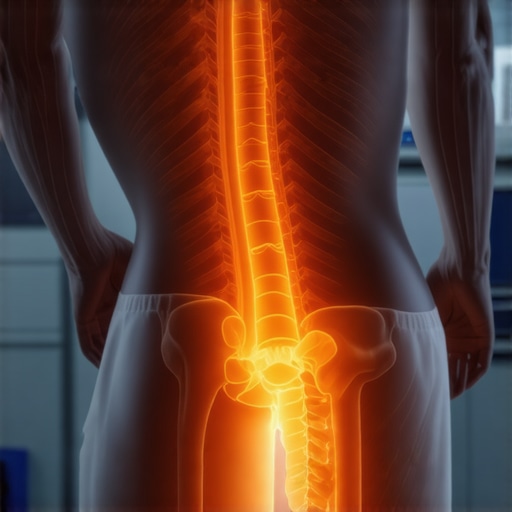
Ever woken up with that sharp, relentless pain in your lower back or felt that nerve-wracking sensation shooting down your leg? I’ve been there. One morning, I couldn’t even get out of bed without that stabbing pain reminding me how much I had taken my mobility for granted. It was a lightbulb moment—realizing that chronic back pain and sciatica aren’t just nuisances but signals from our bodies that something needs to change.
Why You Can’t Ignore Back Pain and Sciatica Any Longer
The truth is, many of us brush off these symptoms, thinking they’ll just go away. But ignoring back pain or sciatic discomfort can lead to a vicious cycle of worsening mobility, increased dependence on painkillers, and a loss of independence I wouldn’t wish on anyone. According to the Mayo Clinic, chronic back pain affects over 80% of adults at some point in their lives, and sciatica is a common culprit behind that persistent pain. Recognizing this early and taking action can make a huge difference.
Have You Faced This Problem?
If you’ve ever experienced a flare-up or wondered whether your pain is serious enough to see a doctor, you’re not alone. I made the mistake early on of dismissing the pain as just a bad day or a pulled muscle. That was a mistake that prolonged my discomfort. Instead, I wish I had known that effective strategies exist — and they’re more accessible than you might think.
In this post, I’ll share proven techniques and lifestyle changes that helped me regain my mobility and keep pain at bay. Whether you’re dealing with nagging discomfort or full-blown sciatica, these strategies can set you on the path toward lasting relief. Ready to stop suffering in silence and start moving freely again? Let’s dive into the practical steps that made all the difference.
Start Moving with Purpose
When I first decided to tackle my back pain, I made a simple but crucial mistake: I tried to ignore it. That approach only made things worse. Instead, I began with gentle movements, like pelvic tilts or knee-to-chest stretches, which helped ease the tension. These exercises act like oiling a squeaky hinge—reducing stiffness and restoring mobility. For a clear guide, check out simple exercises that make a difference.
Implement Daily Mobility Routines
Consistency was key. Every morning, I dedicated five minutes to mobility drills—hip circles, cat-cow stretches, and gentle spinal twists. Think of your spine like a flexible garden hose; the more you move it gently, the less likely it is to kink or seize up. I found that daily routines prevent pain from sneaking back in. For detailed routines, visit daily mobility tips.
Prioritize Proper Posture
Posture is like the foundation of a house: if it’s shaky, everything else suffers. I swapped my slouching habits for ergonomic setups—adjusting my chair height, using lumbar support, and keeping my monitor eye-level. Imagine your spine as a stack of coins; if the coins are uneven, the whole stack wobbles. Proper ergonomics keep your spine aligned and reduce strain. For ergonomic improvements, see ergonomic tips.
Quick Relief Home Remedies
Sometimes, pain strikes unexpectedly. I kept a stash of quick remedies like cold packs and gentle stretches. Applying cold numbs nerve endings and reduces inflammation, much like putting out a small fire. For instant relief, consider home remedies for sciatica. Remember, these are temporary fixes—long-term solutions require consistent movement and lifestyle changes.
Incorporate Strengthening Exercises
Building core strength is like strengthening the foundation of a building—it stabilizes your entire body. I started with simple planks and bridges, which helped support my lower back. Think of your core as the central beam that keeps everything upright; a weak core invites pain. For targeted core workouts, explore core strengthening exercises.
Mind Your Body Mechanics
Every lift or bend is an opportunity to protect or hurt your back. I learned to lift objects by bending at my hips and knees, not my waist, like picking up a fragile vase. This technique distributes weight more evenly and prevents strain. Proper body mechanics are crucial for daily activities—think of it as following a traffic rule to avoid accidents. For detailed tips, see body mechanics and posture.
Seek Professional Help When Needed
While home strategies are effective, persistent or severe pain warrants professional assessment. I visited a specialist who recommended targeted therapies and personalized exercises. Think of this as calling in an expert mechanic for a complex engine problem—sometimes, DIY isn’t enough. For guidance on when to see a doctor, review serious symptoms.
Many individuals believe that back pain, sciatica, or neck discomfort are straightforward issues that can be fixed with simple stretches or painkillers. However, this common misconception overlooks the complex, nuanced nature of these conditions. Let’s dig deeper into what most people get wrong and why understanding these subtleties can significantly impact your recovery journey.
Myth: All Back Pain Comes from a Single Cause
One prevalent mistake is assuming that back pain or sciatica stems from a single source, like a herniated disc or muscle strain. In reality, these symptoms often result from a combination of factors, including poor posture, muscle imbalances, nerve compression, and even psychosocial stressors. For example, chronic pain can be exacerbated by unresolved emotional stress, which influences muscle tension and pain perception. Recognizing this multifaceted nature encourages a more comprehensive approach, including lifestyle changes and stress management, alongside physical therapy. For a more holistic strategy, check out lifestyle modifications for better quality of life.
The Oops Factor: Ignoring the Role of Movement Patterns
Many people fall into the trap of static thinking — they believe rest is always the best remedy. While resting for short periods can relieve acute pain, prolonged inactivity actually weakens supporting muscles and worsens mobility over time. It’s a common mistake to avoid movement altogether. Instead, targeted, purposeful exercises can facilitate healing and improve flexibility. For instance, gentle mobility routines like those found here can accelerate recovery. Remember, the key is “movement with purpose,” not just moving for the sake of moving.
Why You Must Address the Myofascial System
A nuanced point that many overlook is the role of fascia — the connective tissue surrounding muscles. Myofascial restrictions can contribute to pain and limit mobility, yet many treatments focus solely on muscles or joints. Techniques like fascia release or targeted stretching can unlock hidden restrictions, providing significant relief. Incorporate these into your routine by exploring ergonomic and fascia-focused strategies. This deeper layer of understanding can be a game-changer for persistent pain.
Are You Overlooking the Neck and Its Connection to Overall Mobility?
Many think neck pain is unrelated to lower back issues or sciatica, but in fact, the entire kinetic chain is interconnected. Poor neck posture can lead to compensatory movements down the spine, aggravating lower back or sciatic symptoms. Advanced practitioners emphasize a holistic view, considering how cervical mobility affects the entire body. Techniques from neck pain solutions can improve overall mobility and reduce pain throughout the body. Have you ever fallen into this trap? Let me know in the comments.
Understanding these nuanced aspects helps you avoid common pitfalls and adopt a more effective, long-term approach to pain management. Recognize that back pain and sciatica are signals from a complex system that requires a sophisticated response, not just quick fixes. Take the time to explore comprehensive strategies, including lifestyle adjustments, targeted exercises, and addressing myofascial restrictions. Your body will thank you for it.
Maintaining your progress in overcoming back pain, sciatica, and neck discomfort requires more than just exercises and good posture; it involves using the right tools and adopting consistent practices. Over the years, I’ve learned that investing in quality equipment and incorporating effective methods can dramatically enhance your mobility and reduce the risk of setbacks. In this post, I’ll share specific tools and routines I personally rely on to keep my body functioning optimally.
Why Invest in a Foam Roller and Myofascial Release Tools
A foam roller has become a staple in my recovery arsenal. It’s not just about relieving muscle tightness; it’s about actively breaking down myofascial restrictions that contribute to persistent pain. I prefer a dense, high-quality foam roller because it provides enough pressure to target deep fascia, which is often overlooked in traditional stretching routines. I also use a lacrosse ball for pinpointing trigger points in my neck and lower back, helping me release knots that cause discomfort. Regular use of these tools, especially after workouts or long periods of sitting, keeps my tissues supple and my mobility intact.
Smart Home Devices for Posture and Ergonomics
Maintaining proper posture over time is challenging, especially when working at a desk. I recommend investing in ergonomic accessories like adjustable sit-stand desks, lumbar supports, and monitor arms. Additionally, a posture-correcting device such as a smart back brace can remind you to sit upright, preventing slouching that aggravates back and neck issues. I’ve found that these tools serve as constant reminders and help me develop better habits, which are crucial for long-term maintenance. For more tips on ergonomic setups, visit this resource.
Tracking and Mobility Apps to Stay on Course
In today’s digital age, I rely heavily on apps to monitor my mobility progress. Apps like MyFitnessPal or specialized mobility trackers help me log exercises, set reminders, and track improvements over weeks and months. Some apps even include guided routines tailored for back and neck health, making it easier to stay consistent. Using these tools bridges the gap between knowledge and action, ensuring I don’t forget my daily routines. For an in-depth look at mobility routines, check this detailed guide.
Future Trends in Back and Neck Care
Looking ahead, I predict that wearable technology and AI-driven personalization will become mainstream in managing back and neck health. Devices that monitor posture in real-time or provide biofeedback during exercises will enable more precise and effective recovery strategies. As these tools evolve, I encourage you to experiment with integrating technology into your routine to optimize results.
How do I keep my body working over time?
The key is consistency and the right support. Regularly using my foam roller and trigger point tools, maintaining an ergonomic workspace, and utilizing mobility apps form the foundation of my long-term strategy. I also schedule periodic check-ins with a physical therapist or mobility expert to fine-tune my routine. Remember, small daily actions compound over time, leading to lasting relief and improved quality of life. If you’re ready to take your maintenance a step further, try incorporating a fascia release tool into your daily routine, as it can unlock hidden restrictions and keep your tissues healthy long-term.
What I Wish I Had Known About My Back and Neck Journey
- The hardest lesson I learned was that quick fixes only provide temporary relief. True recovery requires understanding the root causes—like fascia restrictions or poor movement patterns—and addressing them holistically.
- I realized that misconceptions about back pain, such as believing rest alone can heal everything, actually prolongs the problem. Movement and targeted exercises are crucial for lasting improvement.
- One lightbulb moment was discovering how interconnected the entire kinetic chain is—neck posture impacts lower back health more than I ever imagined. Sleeping, sitting, and even stress management all play a part.
- Investing in quality tools like a foam roller and ergonomic accessories made a tangible difference in my daily comfort, reinforcing that proper support is a game-changer for long-term health.
- Finally, tracking my progress with mobility apps kept me motivated and consistent, proving that small daily actions build a foundation for sustainable relief.
My Essential Toolkit for Back and Neck Wellness
- High-Quality Foam Rollers and Fascia Release Tools: These helped me break down stubborn restrictions and maintain tissue health. I trust dense foam rollers and lacrosse balls for their deep-reaching effects.
- Ergonomic Workspace Gear: Adjustable sit-stand desks, lumbar supports, and monitor arms transformed my posture and reduced strain during long work hours. I recommend these ergonomic tips for better daily support.
- Mobility and Tracking Apps: Using apps like mobility trackers kept me accountable and helped tailor my routines for maximum benefit.
- Educational Resources and Expert Guides: Books and trusted websites provided insights into complex issues like fascia and nerve involvement, empowering me to make informed decisions. Check out lifestyle modifications for holistic healing.
Your Next Step to a Pain-Free Future
Remember, the journey to overcoming back pain, sciatica, and neck discomfort is uniquely yours. Embrace the process, invest in the right tools, and stay consistent. Your body has remarkable resilience—by understanding its signals and responding with purpose, you can reclaim your mobility and enjoy a vibrant, pain-free life. Don’t wait for pain to dictate your life—take action today and start transforming your health from the inside out. What’s one small change you’re willing to make today to support your back and neck health? Share below and let’s grow stronger together!