
I remember the exact moment I realized my back pain was controlling my life. It was a lazy Sunday afternoon, and I tried to bend down to tie my shoes. Instead of feeling a simple stretch, I was met with sharp pain that shot through my lower back. It was a wake-up call. That uncomfortable, persistent pain made me question everything—my posture, my daily habits, even my ability to enjoy simple activities. If you’ve ever experienced that frustrating moment where movement feels restricted and pain becomes part of your daily routine, you’re not alone. Back pain and limited mobility are common struggles, but here’s the truth: relief is possible, and it doesn’t require a magic cure or endless medication.
Why Back Pain Keeps Us Stuck and How to Break Free
For many of us, back pain isn’t just a fleeting discomfort—it’s a barrier that keeps us from living fully. Whether it’s sciatica, neck pain, or general lower back issues, the impact can ripple through our entire day, affecting our mood, productivity, and even sleep. I found that early on, I made a critical mistake: I ignored the root cause, thinking a quick fix would suffice. That’s a trap many fall into. Instead of addressing the underlying habits or postural issues, I kept piling on temporary relief methods, which only made things worse over time.
But here’s the good news: by understanding what’s really going on and adopting targeted strategies, you can regain control of your mobility. I’ll share proven techniques that helped me, and countless others, move past pain and restore comfort. From ergonomic adjustments to simple exercises, these steps are designed to work with your body—not against it. If you’re tired of living with discomfort, stick around. We’re about to dive into real, actionable solutions that can make a difference starting today.
Is Back Pain Relief Just a Trend or Worth the Hype?
It’s natural to be skeptical, especially with so many quick-fix promises out there. I was once guilty of trying every new supplement or gadget that claimed instant results. The truth is, lasting relief comes from consistent, evidence-based practices. Early in my journey, I overlooked the importance of proper posture and overestimated the power of painkillers, which only masked the problem temporarily. That mistake delayed my recovery and prolonged my discomfort. Today, I know that sustainable back health requires understanding your body’s needs and committing to proven strategies. If you want to learn what actually works, check out this comprehensive guide on back pain relief techniques. It’s an essential resource for anyone serious about improving mobility.
Now, let’s move beyond the myths and dig into practical steps that can help you feel better, move freely, and live without constant pain. Ready? Let’s get started.
Start with Posture Checks and Adjustments
My journey began in my living room when I noticed that slouching at my desk was gradually worsening my pain. To counter this, I used a simple mirror to observe my natural posture and identified areas where I slumped or twisted unnecessarily. Setting up my workspace ergonomically was the first concrete step—adjusting my chair height, monitor position, and keyboard placement. This realignment reduced strain and made a noticeable difference in my daily discomfort. For practical tips on ergonomic improvements, visit these ergonomic tips.
Incorporate Targeted Mobility Exercises
I started doing specific mobility exercises that focused on my lower back and neck. One effective move was gentle spinal twists, which I performed daily—starting messy but gradually improving my form. These exercises helped loosen stiff joints and strengthen supporting muscles. For a structured routine, check out simple mobility exercises. Consistency was key; even if my initial efforts felt awkward, sticking with them paid off over time.
Implement Daily Movement and Breaks
Long periods of sitting worsened my symptoms, so I set a timer to remind me to stand and stretch every 30 minutes. During these breaks, I performed quick stretches like reaching for the ceiling or gentle hip openers. These small actions prevented stiffness and kept my muscles active. Think of your spine like a rusty hinge—regular movement prevents it from seizing up. Incorporate movement routines such as walking or light yoga, which are proven to improve mobility and reduce pain. For quick relief ideas, see home remedies for sciatic pain.
Address Stress and Tension
Stress often manifests physically, tightening neck and back muscles. I noticed my pain worsened when I was stressed, so I added breathing exercises and mindfulness to my routine. Deep breaths helped relax tense muscles, easing discomfort. This holistic approach enhances your body’s ability to heal and recover. To explore this connection further, visit stress management for pain relief.
Evaluate Your Habits and Seek Professional Guidance
Finally, I reviewed my daily habits—like sleeping position and lifting techniques—and made small but impactful changes. When pain persisted, I consulted a specialist who provided tailored exercises and strategies. Remember, persistent pain might indicate underlying issues like herniated discs or nerve impingements. Learn more about symptoms to watch for at serious back pain signs. Professional support ensures your recovery is safe and effective.
Many people believe that back pain is mainly caused by a sudden injury or that resting is the best way to recover. While these can sometimes be true, the reality is often more nuanced. A frequent misconception is that all back pain requires rest and inactivity. In fact, prolonged bed rest can weaken muscles and prolong recovery, as highlighted in recent research published in the British Medical Journal. Instead, controlled movement and targeted exercises tend to promote healing and restore mobility faster.
Another widespread myth is that more pain equals more healing. This misconception can lead individuals to push through pain, risking further injury. Pain is a signal that something needs attention, not a badge of honor. Listening to your body and consulting with a specialist, especially if pain persists, is crucial. Persistent symptoms might indicate underlying issues like herniated discs or nerve impingements, which require professional intervention. For guidance on evaluating your symptoms, visit serious back pain signs.
How can I tell if my back pain is just a muscle strain or something more serious?
Distinguishing between common muscle strains and more serious conditions involves paying attention to specific symptoms. If pain is accompanied by numbness, tingling, weakness in your legs, or loss of bladder control, it’s a sign to seek immediate medical attention. Additionally, pain that radiates down your leg (sciatica), especially if it worsens with movement, should not be ignored. Early diagnosis and intervention can prevent long-term issues and improve outcomes. Regularly reviewing your habits, like lifting techniques and posture, can also prevent aggravating underlying problems. Explore posture and chronic pain for more insights.
Many assume that all back pain stems from the spine itself, but the real issue often lies in the surrounding muscles, ligaments, or nerve pathways. Addressing these with a comprehensive approach—combining ergonomic adjustments, mobility exercises, and stress management—can lead to lasting relief. For advanced strategies, check out proven mobility techniques.
Have you ever fallen into this trap? Let me know in the comments. Remember, understanding the true cause of your pain is the first step toward effective recovery and improved mobility. Don’t settle for quick fixes—invest in your long-term health and well-being.
Once you’ve achieved initial relief from back pain, sciatica, or neck discomfort, the next challenge is maintaining that progress long-term. I’ve found that leveraging specific tools and adopting consistent habits are crucial for ongoing mobility and pain management. In this article, I’ll share the exact tools I use daily and how they help me keep my body healthy and resilient. Plus, I’ll offer insights into where this trend is heading, so you can stay ahead in your recovery journey.
Invest in a Quality Foam Roller for Deep Tissue Release
My go-to tool for maintaining mobility is a high-density foam roller. I personally prefer the TriggerPoint GRID Foam Roller because of its durability and targeted design. Regular use helps break down adhesions in my muscles, especially around my lower back and hips, which are common trouble spots for sciatic pain. The key is consistent rolling, ideally after workouts or long periods of sitting. It stimulates blood flow, promotes flexibility, and prevents muscles from tightening up, which could lead to recurring pain. For detailed guidance, I recommend checking out these mobility exercises.
Utilize Smart Posture and Movement Software
To stay vigilant about my posture, I use Upright GO 2, a wearable device that provides real-time feedback on my sitting and standing alignment. This device gently vibrates when I slouch, reminding me to correct my posture before discomfort sets in. Over time, it has trained me to maintain better ergonomics naturally. As someone who spends hours at a desk, this tool has been transformative, preventing the re-emergence of neck and back pain. Looking ahead, I believe smart wearables will become even more intuitive, integrating with apps and AI to customize posture corrections based on individual needs.
Keep Your Core Strong with Resistance Bands
Building core stability is essential, especially for long-term back health. I use TheraBand Resistance Bands for exercises like pelvic tilts and seated marches. These portable bands allow me to activate my deep abdominal muscles without needing a gym. Consistent core work reduces strain on the spine and supports better posture. The beauty of resistance bands is their versatility—they can be incorporated into daily routines easily. Future innovations might include smart resistance bands that track tension and provide feedback via smartphone, making progress more measurable.
How do I maintain mobility and prevent setbacks?
The secret to long-term relief is routine. I schedule daily mobility sessions and stick to ergonomic practices, continually refining my workspace setup. Additionally, I make a point to address stress, which tightens muscles and worsens pain. Breathing exercises and mindfulness, like those described here, are invaluable for holistic health.
By combining these tools with consistent habits, I’ve managed to keep my pain at bay and improve my overall quality of life. I encourage you to try integrating one or more of these strategies into your routine—sometimes, small adjustments lead to lasting benefits.
Remember, the future of pain management lies in personalized, tech-enabled solutions that make maintenance easier and more effective. Stay proactive, and your body will thank you for it.
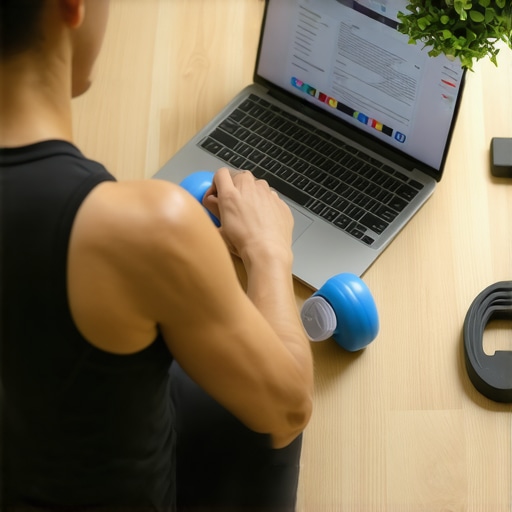
One of the most eye-opening lessons I learned about back pain, sciatica, and mobility is that quick fixes rarely lead to lasting results. It took me months of trial and error to realize that sustainable recovery hinges on understanding your body deeply and adopting habits that support genuine healing. For instance, I used to believe that stretching alone would solve everything, but I soon discovered that strengthening core muscles and managing stress are equally vital. My biggest insight was that patience and consistency outperform any gimmick or miracle cure. If you’re tired of temporary relief, embracing a comprehensive, long-term approach is your best bet for true mobility and comfort.
Another lesson I wish I had known earlier is that posture isn’t just about standing tall — it’s about aligning your entire movement pattern. Small adjustments like elevating your monitor or practicing mindful breathing can prevent pain from creeping back. Lastly, I found that listening to my body’s signals and seeking professional guidance when pain persisted made all the difference. Remember, your journey to better back health is a marathon, not a sprint. The more informed and patient you are, the closer you get to a pain-free life that’s full of movement and joy.
My Essential Toolkit for Back and Neck Mobility
Over time, I’ve curated a set of tools that really make a difference in maintaining long-term relief. First, a high-density foam roller like the TriggerPoint GRID Foam Roller has become my go-to for deep tissue release. Regular rolling helps prevent muscle adhesions that contribute to pain. I also rely on wearable tech such as the Upright GO 2 to keep my posture in check throughout the day. This device gently reminds me when I slouch, training my muscles to hold better alignment naturally. Resistance bands like TheraBand are another essential, allowing me to strengthen my core and support my spine without needing a gym. Lastly, I incorporate daily movement routines, from gentle stretches to brisk walks, which keep my body agile and resilient. These tools, combined with a mindful approach, have helped me stay steady on the path to long-lasting mobility.
For deeper insights into my routine and why these tools work so well, check out these mobility exercises and explore how technology can keep your posture in check. Remember, the key is consistency and listening to your body’s needs — your future self will thank you for it.
Your Next Step Toward a Pain-Free Life
If you’re ready to take control of your back health, don’t wait for pain to become unbearable. Your commitment today can pave the way for a future where movement is a source of joy, not discomfort. Start small, stay consistent, and leverage the right tools and habits for lasting change. The journey to better mobility and relief from sciatica or neck pain is within your reach — and you deserve to live free from pain. So, what’s the first step you’re going to take today? Your body is waiting for you to listen and act.
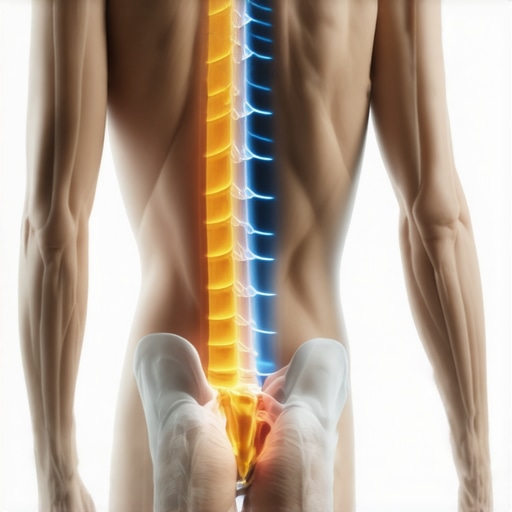


Reading this post really resonated with me, especially the part about small adjustments like ergonomic setup making a noticeable difference. I used to ignore my posture at my desk, thinking it was no big deal, but over time, I started experiencing lower back pain that interfered with my daily activities. Incorporating some simple changes—like raising my monitor and using a supportive chair—helped alleviate some discomfort. What I found especially helpful was regular movement breaks; even short stretches every half hour can prevent stiffness and promote circulation. I’m curious, how do others find maintaining these habits consistently, especially during busy workdays? Any tips on staying motivated to stick with exercise routines or ergonomic practices long-term? It’s inspiring to hear recovery stories that emphasize patience and perseverance—definitely motivating me to keep up with my own back health routine.
This post really hit home for me, especially the part about how lifestyle habits directly influence back health. I’ve learned that integrating small, consistent movements into my day—like quick walks or stretching—has made a huge difference in managing my back discomfort. It’s interesting how sometimes, the simplest adjustments, like ensuring a supportive chair and proper desk height, can prevent many issues before they start. I’m curious—what are some effective ways you all have found to stay committed to these routines, especially when work or daily life gets hectic? I’ve started using a reminder app to prompt me for mini break stretches, which keeps me on track. It’s inspiring to see how patience and small habits build up over time, leading to real improvements. Any additional tips on maintaining motivation during tougher days?