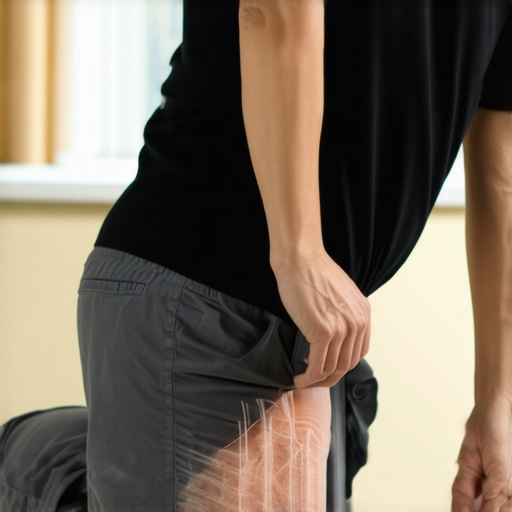
I remember the moment when I realized I was no longer able to enjoy a simple walk without wincing in pain. It was a frustrating, eye-opening experience that made me understand how vital mobility truly is. For months, I struggled with sciatic pain that seemed to steal my independence, and I knew I had to find a solution—fast. If you’re tired of feeling trapped by back or leg pain, you’re not alone. Many of us have been there, feeling helpless and desperate for relief. But here’s the truth: there are effective strategies that can turn things around quickly, restoring your mobility and easing your discomfort.
Why Regaining Your Mobility Matters Right Now
Chronic sciatic pain doesn’t just affect your ability to move. It impacts your entire quality of life—your mood, your sleep, your work, and your relationships. When your body feels stiff, sore, or unresponsive, it’s easy to fall into a cycle of frustration and inactivity. But the good news? You don’t have to accept this as your new normal. Recovery is possible, and it often begins with understanding what’s really going on in your body.
Many people make the mistake of ignoring early signs or relying solely on medication. Early on, I made the mistake of thinking rest was the best cure. I stayed still, hoping the pain would go away. But I learned that movement, guided by the right techniques, is a game-changer. According to research, staying active with proper support can significantly reduce sciatic symptoms and improve your mobility faster than bed rest ever did. So, if you’re wondering whether quick relief is a myth, I’m here to tell you—it’s not. It’s about knowing which strategies to adopt, and that’s exactly what we’re going to cover today.
Is Sciatica Relief Too Good to Be True
One of the biggest skeptics I had early on was whether any treatment could really make a difference fast. I was wary of quick fixes and skeptical about the hype around certain therapies. I also made the mistake of trying to push through the pain without proper guidance, which only worsened my condition. Trust me, the key is to avoid common pitfalls and focus on proven techniques that restore mobility safely. Want to discover those strategies? Keep reading, because I’ll share the methods that helped me—and can help you—get back on your feet.
If you’ve faced this problem, I’d love to hear your story. Have you tried any treatments that worked—or maybe didn’t? Sharing our experiences is the first step toward finding lasting relief and regaining control over our bodies. Remember, you don’t have to suffer in silence. There are ways to break free from the pain cycle, and it all starts with understanding the right approach.
Ready to take action? Let’s dive into the proven strategies that will help you move with confidence again.
Start Moving with Purpose
When I first decided to tackle my sciatic pain, I felt like my body was a stiff, rusty machine. To loosen it up, I began with simple, controlled movements—nothing too aggressive. For example, I lay on my back and gently pulled my knees toward my chest, holding for 10 seconds before releasing. This helped ease the nerve compression without overstressing my muscles. The key is to keep movements deliberate and avoid any sharp, painful stretches. Incorporate gentle spinal twists or pelvic tilts, which are effective in releasing tension and improving circulation. These exercises are foundational and can be done daily to prevent stiffness from settling in. Want a detailed routine? Check out simple exercises that make a difference.
Use Heat and Cold Strategically
I learned that alternating heat and cold packs can significantly reduce inflammation and soothe muscle spasms. I applied a cold pack for 15 minutes to numb sharp pain, then switched to heat to relax tight muscles. Think of it like warming up a frozen pipe to prevent cracks—this approach improves blood flow and speeds recovery. Remember, never apply ice directly to the skin; always wrap it in a cloth. For targeted relief, try a warm towel on your lower back or neck, which can be surprisingly soothing. If you’re unsure, consult effective sciatic treatments for guidance.
Incorporate Targeted Stretching
Stretching was a game-changer for me. I focused on hamstring stretches, as tight hamstrings can aggravate sciatic pain. I gently reached for my toes while keeping my knees slightly bent, avoiding any bouncing. The sensation should be a gentle stretch, not pain. Over time, I increased my flexibility, which helped decompress the sciatic nerve. For a more comprehensive approach, explore neck pain and stress techniques that also benefit back health. Consistent stretching improves mobility and prevents re-injury.
Strengthen Your Core
A strong core stabilizes your spine and reduces strain on your sciatic nerve. I started with simple planks, holding for 20 seconds and gradually increasing as my strength improved. Think of your core as the foundation of a building—if it’s weak, the entire structure becomes vulnerable. Incorporate exercises like bridges or bird-dogs, which target the lower back and abdominal muscles. Proper form is critical; I watched tutorial videos and even consulted a physical therapist to ensure I was doing them correctly. Strengthening my core was one of the most effective long-term strategies I used. For a focused plan, see posture and back pain.
Adjust Your Posture and Ergonomics
Poor posture was a major culprit in my pain. I made immediate changes—sitting upright, using lumbar support, and avoiding prolonged sitting. I also set reminders to stand and stretch every 30 minutes. Think of your spine as a suspension bridge; if the cables are misaligned, stress accumulates. Ergonomic chairs and adjustable desks can make a significant difference. I also paid attention to how I sleep, opting for a firm mattress and proper pillow placement to keep my spine aligned. For detailed ergonomic tips, visit ergonomic tips for everyday comfort.
Adopt Lifestyle Changes for Lasting Relief
Beyond exercises, my lifestyle adjustments played a critical role. I reduced prolonged sitting, incorporated walking breaks, and maintained a healthy weight. These small changes kept my inflammation levels down and prevented flare-ups. I also avoided heavy lifting and twisting motions that could aggravate my nerve. If you want to learn how to make sustainable changes, explore lifestyle changes for better quality of life. Remember, consistency is key—small daily actions lead to significant long-term improvements.
Track Your Progress and Adjust
Every few days, I noted what worked and what didn’t. Pain levels, mobility, and flexibility all provided feedback. If a particular stretch or activity increased discomfort, I scaled back and sought professional advice. Monitoring your progress helps you stay motivated and ensures you’re on the right path. Consider consulting a specialist if pain persists or worsens. You can reach out through contact us for personalized guidance.
Many people fall into traps when dealing with back pain, sciatica, or neck discomfort, often based on myths that hinder effective recovery. Let’s dig deeper into what most get wrong and how to avoid these pitfalls. A prevalent misconception is that rest is always the best remedy. While short-term rest can help, prolonged inactivity actually weakens muscles and prolongs pain. Instead, gentle movement guided by proper techniques accelerates healing and restores mobility. For instance, integrating low-impact exercises like controlled stretches and core strengthening can make a significant difference. Studies, such as those published in the Journal of Orthopaedic & Sports Physical Therapy, support early mobilization to improve outcomes.
Another common myth is that pain is always a sign of serious damage requiring surgery. In reality, most back pain and sciatic issues stem from muscular imbalances, poor posture, or nerve inflammation that can be managed conservatively. Overly aggressive treatments or unnecessary surgeries often do more harm than good. A nuanced understanding involves recognizing the difference between acute pain that needs immediate attention and chronic issues that respond well to targeted therapy.
One advanced question many ask is: How can I tell if my pain is a red flag or something more serious? Red flags include sudden weakness, loss of bladder control, or severe numbness, which require urgent medical attention. For less alarming symptoms, focusing on lifestyle and posture adjustments can lead to lasting relief. To improve your recovery, consider reviewing proven techniques to regain mobility and incorporate daily mobility practices.
Beware of the trap of quick fixes promising instant relief. While some over-the-counter solutions provide temporary comfort, sustainable progress depends on consistent, evidence-based strategies. Avoid rushing into expensive procedures without proper diagnosis or trying unproven therapies. Instead, focus on building a foundation of strength, flexibility, and healthy habits. For personalized guidance, don’t hesitate to reach out through our contact page.
In summary, understanding the nuances—like the importance of movement, the distinction between serious and minor symptoms, and the value of lifestyle changes—can transform your approach to back health. Have you ever fallen into this trap? Let me know in the comments.
Maintaining the progress you’ve made in alleviating back, neck pain, or sciatic discomfort requires more than just initial exercises or treatments. It’s about integrating the right tools and consistent habits into your daily routine to ensure long-lasting mobility and comfort. Over the years, I’ve refined my toolkit to include specific equipment and strategies that make a real difference in sustaining results.
Why Invest in Quality Support Devices
One of the most effective tools I use daily is a high-quality lumbar support pillow. It’s not just about comfort; it’s about maintaining proper alignment during prolonged sitting, whether at work or home. I personally prefer memory foam cushions with adjustable straps, as they adapt to my posture and provide targeted support. This small investment helps prevent the recurrence of pain by reducing strain on the lower back and pelvis.
Similarly, ergonomic chairs with adjustable lumbar support and seat height are game-changers. I’ve found that customizing my chair to my body reduces muscle fatigue and encourages good posture throughout the day. For neck support, I use a cervical roll pillow when I travel or sit for extended periods, which keeps my neck aligned and prevents stiffness.
Effective Mobility Tools for Ongoing Flexibility
To keep my spine and joints mobile, I rely on foam rollers and massage balls. The foam roller, in particular, is excellent for mytriggers points in the back and hips, helping to release tension and improve blood flow. I use it daily, focusing on my thoracic spine, which often gets stiff from poor posture. The key is to roll gently and avoid any pain—think of it as a self-massage that keeps my tissues pliable.
For targeting neck mobility, I use a small massage ball to gently release tension around the shoulders and upper cervical region. This simple tool helps me avoid chronic stiffness and keeps my range of motion optimal. Regular use of these tools, combined with targeted stretches, ensures I stay flexible and prevent long-term issues.
Tracking and Adjusting Your Routine
In today’s digital age, I also recommend using mobility tracking apps or journals to monitor your progress. I personally log my daily exercises, noting what improves my pain levels and which movements cause discomfort. This helps me adapt my routine and avoid setbacks. Consistent review and adjustment are essential for long-term success.
Looking Ahead: The Future of Back and Neck Maintenance
As technology advances, I predict a growing integration of smart devices—like posture sensors and wearable tech—that provide real-time feedback on your habits. These innovations will help us fine-tune our routines, ensuring we maintain mobility and prevent pain before it starts. Staying proactive and embracing these tools will be crucial for lasting health.
How do I maintain my mobility over time?
The key is consistency. Incorporate daily mobility exercises, use ergonomic supports, and regularly assess your posture and habits. Don’t skip your stretching routine or neglect the supportive tools that keep your spine aligned. Remember, small daily actions compound into long-term relief and improved quality of life. If you’re ready to take your maintenance to the next level, try integrating a foam roller session into your routine or investing in an ergonomic chair. These simple steps can significantly extend the benefits of your initial recovery efforts.
By equipping yourself with the right tools and habits, you can keep your body working optimally for years to come. For more personalized strategies, I encourage you to explore proven techniques to regain your range of motion and daily tips to keep your spine and joints healthy. Stay proactive, and your future self will thank you for it.
The Hardest Lesson I Learned About Back Pain, Sciatica, and Mobility
I used to believe that resting was the key to healing, but I discovered that movement, guided by proper techniques, accelerates recovery and prevents long-term stiffness. My biggest lightbulb moment was realizing that gentle, intentional exercises can actually rewire your body’s response to pain, making mobility achievable again.
Why I Trust These Tools to Keep Moving Forward
From ergonomic support to mobility tools like foam rollers, each has played a crucial role in my ongoing journey. The first time I used a lumbar support pillow, I noticed immediate relief, and it became my daily essential, helping me maintain proper posture and avoid setbacks. These tools are not just gadgets—they’re investments in your body’s future.
Embracing Change and Staying Proactive
The most inspiring part of my recovery was realizing that consistency beats quick fixes. Daily stretching, ergonomic adjustments, and mindful movement form a cycle of healing I commit to. It’s about building habits that nurture long-term health, not just temporary relief. My message to you? Small, persistent steps create profound transformations.
Ready to Rewrite Your Story of Pain and Mobility
If you’re tired of feeling limited by back, neck pain, or sciatica, know that your journey toward lasting relief can start today. By adopting proven strategies, embracing the right tools, and staying committed, you can restore your mobility and regain your confidence. Remember, your body is resilient—trust the process and take that first step now.
What’s one change you’re willing to make today to improve your back or neck health? Let me know below—your story might inspire someone else to start their own healing journey.
,

![Stop Stretching Your Sciatica - Try This 2-Minute Reset [2026]](https://bodyrenewtherapy.com/wp-content/uploads/2026/01/Stop-Stretching-Your-Sciatica-Try-This-2-Minute-Reset-2026.jpeg)
Reading this post really resonated with me because I experienced something similar a few months ago. I used to think that rest was the only way to deal with my sciatic pain, but I found that gentle movement and targeted exercises made a huge difference. I started incorporating low-impact stretches and core strengthening routines, which not only improved my mobility but also helped reduce inflammation. The tip about using heat and cold strategically was a game-changer—I now alternate these to manage flare-ups more effectively. It made me wonder, how do others find balancing active recovery with avoiding overexertion? Having a clear approach and listening to your body seems crucial. This article reinforces that recovery isn’t just about quick fixes but building sustainable habits for long-term health. Would love to hear what routines others have found helpful in maintaining their progress over time.