
The Proper Way to Carry a Heavy Backpack for Your Kids
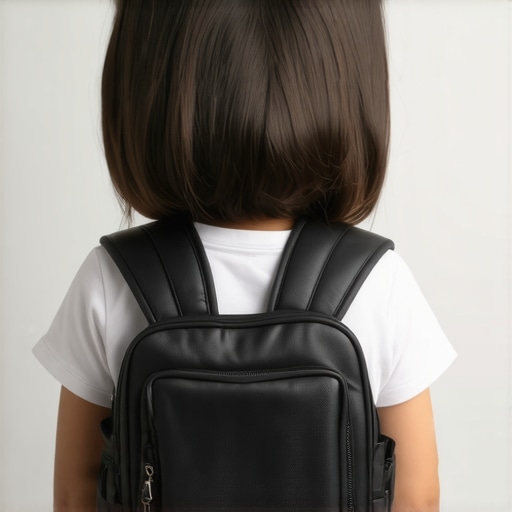
I stood in the hallway last September, watching my son hunch forward like a turtle fighting a gale-force wind. He was leaning so far over to counter the weight of his backpack that I half-expected him to tip right onto his face. When I reached down to hoist the bag for him, my own back let out an angry pop. It felt like I’d just tried to lift a bag of wet concrete. That was my lightbulb moment. We worry about their grades and their screen time, but we are letting them lug around a physical burden that sets them up for a lifetime of mobility struggles and spinal issues. Today, I want to show you how to stop that heavy bag from turning into a permanent problem. We’re going to fix the fit, the weight, and the way they wear it before they end up needing sciatica relief secrets before they even graduate.
The Hidden Cost of the Overstuffed School Bag
It’s easy to dismiss a heavy bag as a rite of passage, but the reality is much grimmer. According to the American Academy of Pediatrics, a child’s backpack should never exceed 10 to 15 percent of their body weight. Yet, I’ve seen kids carrying nearly double that. When that weight pulls backward, the body compensates by arching the spine or slumping the shoulders. I made the classic helpful parent mistake early on—I bought the biggest, sturdiest bag I could find, thinking more room was better. I was wrong. More room just meant more space for unnecessary junk, and soon enough, he was showing signs that his back pain was serious. If we don’t teach them the proper way to carry a load now, we’re just waiting for a crisis. Have you ever weighed your kid’s bag and been absolutely horrified by the number on the scale?
Does a Brand Name Bag Actually Protect Their Spine?
You might think spending a fortune on a mountain-climbing grade pack is the answer. It isn’t. A pro bag doesn’t help if it’s worn with the straps dangling at hip level. I’ve seen so many parents—myself included—think that as long as the bag looks ergonomic, it’s doing the work. But understanding the link between poor posture and chronic back pain taught me that the best gear in the world won’t save a spine that is being compressed by poor habits. We need to talk about how they are actually wearing the thing, not just what the label says. It is time to move past the aesthetics and look at the actual physics of the daily school commute.
Take Control of the Physics Behind the School Commute
Last Friday, I finally pulled out our dusty digital scale and sat it in the middle of the hallway. I told my son, Leo, to put on his fully loaded backpack and step up. The number that flashed back was a wake-up call—it was nearly 22% of his body weight. This is where the ‘meat’ of the problem lies; we often don’t realize how much the load has grown because it happens one textbook at a time. To prevent long-term issues, you need to treat the backpack like a piece of high-performance equipment rather than a mere storage bin. If your child is already showing signs that back pain is serious, such as tingling in the arms or persistent soreness, you need to act immediately to lighten the load and correct the carriage.
Grab Your Bathroom Scale for a Vital Reality Check
The first step is non-negotiable: stop guessing. Every Sunday evening, have your child stand on the scale with and without their bag. Your goal is to keep that weight under 10% of their total mass. When I did this with Leo, we discovered three ‘essential’ binders that hadn’t been touched in months and a literal pound of loose change and rocks he’d collected. Trimming the fat isn’t just about comfort; it is about preservation. Keeping the weight low is the most effective way to enhance back mobility through everyday ergonomic tips. If the bag is still too heavy after a purge, it is time to talk to the school about digital versions of textbooks or keeping a second set of heavy books at home.
Pack the Heaviest Books Against the Back Panel
Think of the backpack like a lever. The further a weight is from the fulcrum (your child’s spine), the more force it exerts on the body. I used to let Leo just toss his stuff in wherever it fit, which usually meant the heavy math book was bouncing around in the outermost pocket. This created a massive backward pull, forcing him to crane his neck forward to stay balanced. Now, we follow a strict rule: the heaviest items, like laptops and large textbooks, must be placed in the compartment closest to the back. Lighter items like pencil cases and gym clothes go in the outer sections. This simple shift in the center of gravity is much like the logic we use to properly carry groceries to balance your spinal load.
Tighten the Straps Until the Bag Hugs the Spine
I remember seeing Leo walking to the bus stop with his bag hanging so low it was practically hitting the back of his knees. He thought it looked ‘cool,’ but it was a disaster for his lumbar spine. A low-hanging bag increases the sway of the load, which puts erratic stress on the discs. The bottom of the backpack should sit two inches above the waist, never below the top of the hips. Tighten those shoulder straps until the bag feels like an extension of the torso, not a separate entity dragging behind. If the bag has a chest or waist strap, use them. They aren’t just for hikers; they redistribute the weight away from the delicate neck muscles and onto the stronger hips. If they complain of shoulder tightness after the shift, you can use the 30-second wall slide for instant shoulder blade relief to reset their posture.
Watch for the Red Flags of Nerve Irritation
Even with a perfect fit, you must stay vigilant. I noticed Leo was constantly rubbing his neck and shaking his hands out after school. This was a red flag for ‘tech neck’ combined with backpack strain. If your child is complaining of numbness or a burning sensation, they might be experiencing early nerve compression. We started implementing simple exercises that make a difference in back mobility every evening just to counteract the hours spent hunched over. Don’t wait for a diagnosis of chronic pain; if they are leaning forward to compensate for the bag, the bag is either too heavy or the fit is wrong. Constant communication about how their back feels is the only way to avoid the need for sciatica relief secrets before they even hit high school.
Stop Reaching for Your Toes When Your Back Hurts
It is a scene played out in living rooms everywhere: a child complains of a stiff back, and the parent immediately tells them to touch their toes. I did this for years until I realized that for many, this is the worst possible advice. Everyone says stretching is the ultimate cure, but in my experience, static stretching can actually irritate an already inflamed nerve. If your child is dealing with radiating discomfort, why stretching your hamstrings often makes your sciatica worse becomes a vital piece of the puzzle. When you pull on a nerve that is already being pinched by a disc or a tight muscle, you aren’t lengthening it; you are agitating it. Advanced biomechanics research, such as the work by Dr. Stuart McGill, suggests that spinal stability often trumps flexibility when it comes to long-term health. Instead of aggressive stretching, we should focus on ‘nerve flossing.’ Using the nerve glide exercise that calms burning leg pain allows the nerve to slide through the surrounding tissues without being over-tensioned.
Is That Sharp Ache a Muscle Knot or Something Deeper?
Many parents mistake nerve irritation for a simple ‘tight muscle.’ This is a dangerous trap because the treatments are polar opposites. If you apply heavy pressure to a muscle knot, it might release; if you do that to a compressed nerve, you might trigger a week-long flare-up. Learning how to tell if your leg pain is sciatica or a deep muscle knot is the difference between a quick recovery and a chronic issue.
The 90-Degree Sitting Myth That Fails Your Spine
We were all taught to sit ‘bolt upright’ at a 90-degree angle, but this is a classic ‘oops’ factor in spinal care. Sitting perfectly straight actually places the highest amount of pressure on the lumbar discs. I spent months corrected Leo’s posture to be perfectly vertical, only to find out why sitting up straight might be giving you more back pain. The human spine prefers a slight recline—about 100 to 110 degrees—which allows the chair back to support some of the upper body weight. Furthermore, don’t ignore the chemical side of the equation. I never realized the sneaky way dehydration makes your spinal discs prone to injury. Discs are like sponges; they need water to maintain their height and shock-absorbing properties. If your child is dehydrated and lugging a heavy bag, those discs are much more vulnerable to the compression we discussed earlier. Have you ever fallen into the trap of thinking a ‘perfect’ posture meant sitting like a statue? Let me know in the comments.
The Simple $10 Tool That Changed Our Sunday Routine
After the initial shock of the hallway weigh-in, I realized that maintenance is where most parents fail. We fix the bag once in September and then forget about it until the child is limping in April. To prevent this, I invested in a simple digital luggage scale that stays permanently clipped to the mudroom bench. It’s my secret weapon. Every Sunday night, we weigh the bag. If it’s over the limit, something has to go. This isn’t just about weight; it is about why maintenance care is better than waiting for a spinal crisis. By making this a weekly habit, we caught a five-pound ‘rock collection’ before it could cause a single day of soreness. Consistency is the only way to achieve mobility mastery through daily tips that keep your spine and joints healthy.
How do I maintain these spinal gains over the entire school year?
Maintenance isn’t just about the bag; it is about the body carrying it. I’ve started setting a ‘posture alarm’ during homework time. A study published in the Journal of Electromyography and Kinesiology found that even slight asymmetric loads—like when a child leans to one side while sitting—increase muscle fatigue in the spinal extensors by over 40%. To counteract this, we use the ’20-20-20 rule’ for movement. Every 20 minutes, my son has to stand up and perform the Bruegger position as a fast way to reset his posture. This isn’t just a break for the eyes; it is a neurological reset for the core muscles that support the heavy bag during the day. We’ve found that why your body needs micro-breaks every 20 minutes to stay mobile is a lesson that applies just as much to an 11-year-old as it does to a CEO.
Why Tablets and Laptops Are Changing the Battleground
As we look toward the future, the ‘heavy backpack’ problem is slowly morphing into the ‘tech neck’ epidemic. While digital textbooks are lighter, they force our kids into a permanent downward gaze. I predict that in the next five years, we will see a massive spike in upper-cervical issues in teenagers that rival the lower-back complaints of previous generations. To get ahead of this, I’ve integrated the 10-second chin tuck to combat tech neck instantly into our morning routine. We are trading lumbar compression for cervical strain, and we need to be ready. If you haven’t yet, I strongly encourage you to grab a scale this Sunday and do a ‘bag audit’ with your kids—it is the single most effective thing you can do to protect their future mobility. Breaking the cycle of neck pain and stress starts with these small, intentional adjustments today.
Three Hard Lessons from the Front Lines of School Commutes
Watching Leo struggle taught me that we cannot treat spinal health as a ‘someday’ issue. First, I realized that ‘growing pains’ are often actually ‘overload pains.’ If your child is constantly rubbing their neck or shoulders, don’t wait; they might need proven techniques to regain their range of motion before the habit becomes permanent. Second, the way they lift the bag matters just as much as how they wear it. Teach them to squat, not bend, to avoid a sudden lumbar snap. Finally, I learned that a heavy bag is a moving target—it grows heavier as the semester progresses, making back pain breakthroughs necessary for long-term health.
My Reliable Resource List for Pain-Free Kids
To keep our routine on track, I rely on a few specific tools that have made a world of difference. I recommend a simple digital luggage scale for your Sunday ‘bag audits.’ It removes all the guesswork and makes the 10% rule easy to follow. I also suggest looking into the ‘McGill Big 3’ exercises for core stability, which are foundational for anyone looking to manage back pain in 2025. For those days when the stress of school results in physical tension, we use a foam roller for very gentle mid-back releases. #IMAGE_PLACEHOLDER_E# If you are already seeing lifestyle-related issues, overcoming sciatica through lifestyle changes is much easier when started early.
Give Your Child the Gift of a Healthy Back
Our children only get one spine, and the habits they form now will dictate their comfort for the next sixty years. By taking ten minutes a week to check their bag and teaching them the ‘center of gravity’ packing method, you are doing more than preventing a sore back; you are ensuring their future mobility remains intact. It’s about being proactive rather than reactive. Don’t wait for a limp or a complaint—start the audit tonight. Have you weighed your child’s backpack recently? What was the heaviest, most unexpected item you found inside? Let me know in the comments below!