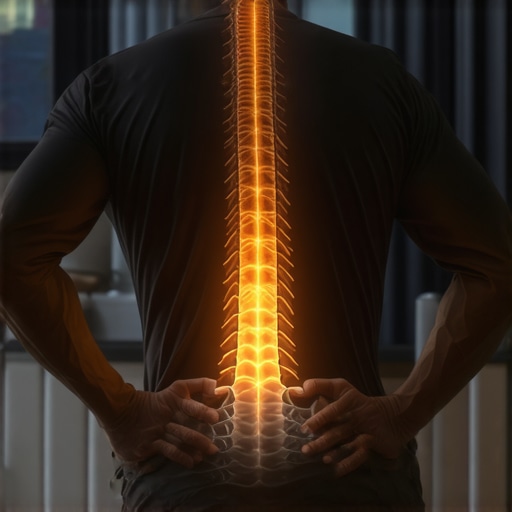
I remember the exact moment I realized how much my back pain was controlling my life. I was reaching for a glass on the top shelf, and suddenly, a sharp twinge shot through my lower back. My knees buckled. For days, I felt stiff, helpless, and frustrated. That lightbulb moment made me understand that ignoring the pain only made things worse. If you’ve ever been there, you know how exasperating it can be to feel trapped in a body that refuses to cooperate. But here’s the truth: you don’t have to stay stuck.
Why Quick Relief and Restoring Mobility Matter Now
Chronic back pain isn’t just about discomfort; it’s about reclaiming your independence and quality of life. Living with persistent pain can lead to a cycle of frustration, stress, and even depression. The good news? There are proven strategies to help you recover faster and get back to moving freely. Taking action today can prevent long-term damage and get you feeling better sooner. I’ve seen firsthand how small adjustments and targeted approaches can make a huge difference, and I want to share that with you.
Before diving into effective techniques, I want to be upfront about one common mistake I made early on. I thought pain was something to push through. Wrong. Ignoring or masking pain with quick fixes only worsened my condition. Instead, I learned that understanding the root causes and addressing them properly is key. For example, improper posture often sneaks in unnoticed, gradually intensifying pain. If you’re curious about how posture affects back health, check out this guide.
Is Back Pain Relief Overhyped or Truly Effective?
Many skeptics ask whether these methods actually work or if they’re just another quick-fix trend. I’ve been there, too. Early on, I dismissed some techniques, thinking they were temporary band-aids. But I found that consistency and proper guidance are what bring lasting relief. Don’t let skepticism hold you back. If you’ve faced this problem—whether it’s sciatica, neck pain, or persistent lower back aches—you’re not alone. The key is to avoid common pitfalls and follow a plan tailored for healing. Ready to discover practical steps that can truly change your life? Let’s get started on that journey to healthier, happier movement.
Start with Gentle Movement
When I first experienced a stiff back after a long day sitting at my desk, I learned that gentle movements can loosen tight muscles and joints. For example, try lying on your back and gently pulling your knees towards your chest, holding for 10-15 seconds. This simple stretch can release tension and increase blood flow. Consistency is key here—do this twice daily to see gradual improvement. Remember, pushing into pain can worsen your condition, so move slowly and listen to your body.
Focus on Posture Correction
Poor posture often sneaks up on us, gradually causing discomfort. I noticed that my slouched sitting habits contributed to my back pain. Correcting this involved setting up an ergonomic workspace, ensuring my monitor was eye-level, and supporting my lower back with a lumbar pillow. These adjustments make a huge difference in reducing strain. To understand the impact of posture on chronic pain, check out this detailed guide.
Incorporate Targeted Stretching and Strengthening
After a messy morning of trying to stretch my tight neck and back muscles, I found that specific exercises made a lasting impact. For neck pain, I use chin tucks and gentle neck rotations to restore mobility. For back pain, I focus on core exercises like planks and bird-dogs which stabilize the spine. These not only reduce pain but also prevent future episodes. To get started, explore these effective exercises.
Practice Deep Breathing and Relaxation
Stress can tighten muscles, worsening back and neck pain. I make it a habit to breathe deeply into my diaphragm for 5 minutes daily. This relaxes my nervous system, easing muscle tension. Techniques like diaphragmatic breathing or progressive muscle relaxation can break the cycle of stress-related pain. For stress and neck tension, see this resource.
Use Heat and Cold Therapy Wisely
Applying heat helped me relax stiff muscles after a long day, while cold packs reduced inflammation. I often alternate between these therapies—using a warm towel for 15 minutes, then a cold pack for 10 minutes. This approach can reduce pain and improve mobility quickly. Remember, never apply ice directly to the skin, and limit cold therapy to 20 minutes at a time. For quick relief, see this guide.
Prioritize Consistency Over Intensity
In my early days, I tried to fix everything with intense sessions, which led to setbacks. Instead, I adopted a consistent routine: 10 minutes of stretching and mobility exercises daily. Over weeks, I noticed significant improvements. Small, regular actions build momentum and foster long-term relief. Don’t rush—progress takes time, but persistence pays off. For daily tips, visit this resource.
Many people believe that back pain is simply a result of a single injury or a temporary strain, but in reality, this misconception can lead to ineffective treatment and even worsen the condition. One widespread myth is that rest is always the best solution. While resting might provide immediate relief, prolonged inactivity often weakens muscles and prolongs recovery. Instead, gentle movement and targeted exercises are far more effective in the long run, as I’ve experienced firsthand. If you’re curious about how to incorporate mobility exercises safely, check out this resource.
Another common misunderstanding is that all back pain requires imaging like MRI scans. But studies show that many people with disc bulges or herniations visible on scans have no symptoms at all. Dr. Stuart McGill, a renowned spine expert, emphasizes that imaging can often lead to unnecessary alarm and interventions. Instead, focusing on functional assessments and movement patterns provides a clearer picture of true issues. To explore more about this, visit this article.
Why Do So Many Misjudge Sciatica and Neck Pain?
Many assume that sciatica or neck pain always originates from a sudden injury. However, these conditions often develop gradually due to poor posture, repetitive strain, or muscle imbalances. Relying solely on pain as a guide can be misleading. For example, persistent neck tension might be linked more to stress and poor ergonomic habits than a specific injury. Addressing these root causes through posture correction and stress management yields better results. Learn more about this approach in this detailed guide.
Be wary of the trap of quick fixes like painkillers or aggressive stretching without proper guidance. These can mask symptoms temporarily but often delay healing or cause further damage. Instead, adopting a nuanced understanding of your body’s signals and focusing on consistent, evidence-based strategies will lead to sustainable relief. Have you ever fallen into this trap? Let me know in the comments.
Maintaining your progress in overcoming back pain, sciatica, or neck discomfort requires more than just initial exercises and stretches. It involves leveraging the right tools, implementing consistent routines, and understanding how to adapt your approach over time. I’ve found that incorporating specific equipment and software can dramatically improve long-term outcomes and help you scale your efforts effectively.
Investing in Quality Support Devices
One of my favorite tools is a high-quality ergonomic chair with adjustable lumbar support. When I first started working long hours at a desk, I noticed my pain worsening. Switching to an ergonomic chair changed everything. It provided the lumbar support I needed to keep my spine aligned, reducing strain and preventing flare-ups. For those who experience neck pain, a cervical pillow or a supportive neck roll can make a significant difference during sleep, ensuring your neck stays in a healthy position overnight.
Utilizing Mobility Aids for Better Movement
Mobility aids like foam rollers or massage balls have become staples in my routine. They help release muscle tightness and improve tissue elasticity, which are crucial for long-term relief. I use a foam roller daily, focusing on my lower back and hips, especially after long periods of sitting. This proactive approach prevents muscle imbalances that often lead to flare-ups. When I feel tense or sore, I turn to my massage ball to target specific trigger points, which accelerates recovery and maintains mobility.
Adopting Apps and Software for Consistency
Tracking progress is essential. I recommend using apps like MyFitnessPal or specific mobility tracking apps that remind you to do your daily exercises. These tools help you stay accountable, visualize your improvements, and adjust your routines based on your progress. For example, I use a posture correction app that provides real-time feedback and helps me maintain proper alignment throughout the day. This kind of ongoing monitoring ensures that your efforts are consistent and targeted.
Future of Back and Neck Health Technologies
Looking ahead, I believe wearable technology will play an even bigger role in managing chronic pain. Devices like posture sensors or biofeedback wearables will enable real-time correction, making it easier to sustain good habits. As these tools become more advanced and affordable, integrating them into your routine will become a standard part of long-term back and neck health management.
How do I maintain my progress over time?
The key is to develop a sustainable routine that incorporates these tools and adapts as your body changes. Regular check-ins with a physical therapist or using remote consultation services can help you stay on track. Keep your exercises varied, listen to your body’s signals, and don’t hesitate to update your tools as needed. Remember, consistency is your best ally in maintaining mobility and relief. If you’re ready to take your routine to the next level, try incorporating a posture sensor or an ergonomic assessment via online tools, which can provide personalized feedback to keep your progress on track.
By integrating these targeted tools and strategies, I’ve seen my own back and neck health improve remarkably over time. Your journey doesn’t end after initial relief; it evolves into a lifelong commitment to mobility and comfort. Stay proactive, and don’t shy away from trying new tech that can enhance your long-term well-being.
What I Wish I Knew About Back Pain That Changed Everything
The hardest lesson I learned was the importance of listening to my body rather than pushing through pain. Ignoring discomfort only led to longer recovery times and more frustration. A simple shift in mindset — prioritizing gentle movement over harsh stretching — accelerated my healing process.
Another revelation was that posture correction isn’t a one-time fix; it’s a daily commitment. Small ergonomic adjustments, like setting my monitor at eye level and supporting my lower back, turned my daily routine into a powerful tool against pain.
Finally, I realized that technology can be a game-changer. Using posture sensors and mobility apps helped me stay accountable and made consistent practice easier. These insights aren’t just lessons; they’re the foundation for sustainable relief.
My Go-To Tools for Better Back and Neck Health
- Ergonomic Chairs: Investing in a quality chair with lumbar support transformed my sitting experience. I trust brands that prioritize adjustable features for personalized comfort.
- Foam Rollers and Massage Balls: My daily routine includes targeted muscle release, which helps prevent tightness and maintains flexibility. I recommend those with firm, durable surfaces for lasting impact.
- Posture and Mobility Apps: Tools like posture correction apps and mobility trackers keep me on track. They offer real-time feedback, which is invaluable for long-term progress.
- Educational Resources: Trusted guides and expert articles, such as those on posture and back pain, inform my approach and ensure I’m practicing evidence-based techniques.
Your Next Step to End Back and Neck Pain
The future of back and neck health is bright, filled with smart tools and personalized strategies. My advice? Stay curious, invest in quality support, track your progress, and adapt as your body changes. Remember, relief isn’t a quick fix — it’s a journey that requires patience and consistency. Take action today, and your future self will thank you.
What’s one change you’re willing to make to improve your back or neck health? Drop your thoughts below — I’d love to hear your story and help you get started.