
The connection between jaw clenching and chronic neck pain
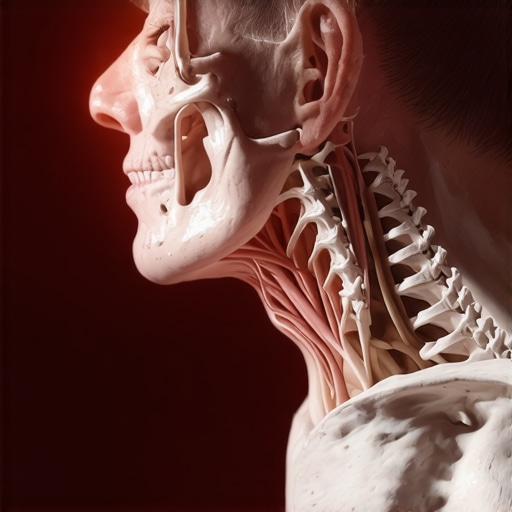
I remember sitting at my desk three years ago, my neck screaming in that familiar, dull ache that usually meant a migraine was coming. I was rubbing my traps for the tenth time that hour, wondering why my expensive new pillow wasn’t doing its job. Then, I noticed it. My teeth were clamped together like a vice. I wasn’t even chewing anything; I was just… holding on for dear life. It was a lightbulb moment that changed everything about how I view neck pain and stress. I realized that my neck wasn’t the problem—it was the victim of a bully living just a few inches higher up. Today, I want to show you exactly how how your jaw tension is quietly causing your upper back knots and, more importantly, how we can finally break that cycle together.
Why My Neck Pain Was Actually Hidden in My Jaw
For the longest time, I made the classic mistake of treating the symptom instead of the source. I spent a small fortune on fancy cervical rolls and even thought why your pillow height is the key to ending waking migraines was the only answer I needed. I was obsessed with the idea that my spine was out of alignment because of my chair or my sleep position. I didn’t realize that my own stress-induced clenching was creating a cascade of tension. The human body is a master of compensation. When you clench your jaw—a habit many of us pick up during a tough commute or a long workday—you aren’t just engaging your face muscles. You’re activating a chain of tension that runs down through your suboccipital muscles and right into your shoulders. I used to think my tech neck was just from slouching, but it was actually fueled by my jaw muscles working overtime. How chronic stress manifests as physical back tension is often a top-down process, and your jaw is the gateway. According to the Mayo Clinic, TMJ disorders can cause persistent pain that radiates directly into the neck and shoulders, making it nearly impossible to find relief through stretches alone. Have you ever caught yourself grinding your teeth while driving or staring at a screen? If so, you’re likely fighting a battle your neck can’t win.
Is it really possible for my teeth to hurt my spine?
It sounds a bit far-fetched at first, right? We’re taught to think of the body in isolated parts—the dentist handles the teeth, the chiropractor handles the back. But the nerves and muscles of the jaw are intimately connected to the upper cervical spine. When those jaw muscles are constantly on, they pull on the delicate structures of your neck, eventually leading to reduced mobility and stiffness that feels permanent. I spent months trying to stretch my way out of it, only to realize I was just pulling on already irritated tissue. It was like trying to fix a leaking roof by mopping the floor. We need a better approach, and it starts with realizing that your jaw might be the primary agitator of your chronic discomfort. My early mistake was ignoring the why and just focusing on the where it hurts. Once I started addressing the clenching, my neck finally got the break it deserved.
Put Your Tongue in the Right Place to Kill the Clench
The most effective way to stop jaw tension is something you can do right now without anyone noticing. It is called the “N” position. Say the letter “N” out loud and notice where the tip of your tongue lands—it is that little ridge just behind your front teeth. Keep your tongue there, keep your lips together, but let your teeth stay apart. This simple alignment signals your masseter muscles to turn off. It sounds small, but the connection between your jaw tension and your constant headaches often starts with your teeth touching when they should be resting. If your teeth are touching and you are not eating, you are essentially redlining your jaw’s engine while sitting in park.
Ditch the “Sit Up Straight” Myth and Use a Real Reset
We have been lied to about posture. Most people try to fix neck pain by pulling their shoulders back and puffing their chest out, but why sitting up straight might be giving you more back pain is usually due to the extreme muscular effort required to hold that rigid, unnatural position. Instead, use the Bruegger position to reset. Sit at the edge of your chair, turn your palms outward, and take a deep breath. It resets the nervous system’s threat level. Pair this with the 10-second chin tuck to combat tech neck instantly to address the mechanical source of the strain.
Drain the Tension from Your Traps with a Simple Tool
I remember one Tuesday stuck in gridlock on I-5; my neck felt like it was in a heavy vice. I got home and, instead of the usual stretching that never worked, I grabbed a tennis ball. I leaned against my hallway wall, placed the ball right in the meaty part of my upper trap, and just breathed. It was messy at first—the ball kept slipping, and I definitely pushed too hard—but once I found the rhythm, the relief was incredible. Learning how to use a tennis ball to release tension in your upper traps is like having a private therapist. You are not trying to crush the muscle; you are inviting it to let go.
Keep Your Joints Fluid Throughout the Day
Your body is like a hinge; if you do not move it, it rusts. This is why why your body needs micro-breaks every 20-minutes to stay mobile is a requirement for spinal health. When you are locked in one position, blood flow slows and waste products build up, leading to that stiff feeling. I incorporate the 30-second wall slide for instant shoulder blade relief at least three times a day. It forces my mid-back to engage and gives my neck a break. These neck pain solutions are about consistency.
Stop Your Eyes from Tricking Your Neck
If you wear glasses or work on a laptop, you might be craning your neck without knowing it. Your body will always follow your eyes. If you cannot see clearly, your chin drifts forward, creating a massive lever effect on your cervical spine. This is why mobility and joint health often starts with your workspace setup. Adjust your screen height so your eyes are level with the top third of the monitor. If you are constantly looking down at a phone, you are essentially hanging an eleven-pound weight off a thin branch.
The “Tight Hamstring” Lie That Keeps You in Pain
Most of us are taught that if a muscle feels tight, we should stretch it until it gives up. I followed that rule for a decade, especially with my hamstrings, thinking I was helping my lower back. But here is the hard truth: why hamstring tightness is a defense mechanism for your back. When your spine or the nerves exiting it feel threatened, your brain puts the hamstrings on “high alert” to limit your range of motion. It is a survival strategy. If you force that muscle to lengthen when it is trying to protect your sciatic nerve, the nerve gets tugged like a guitar string. This often leads to that familiar, deep ache that won’t go away no matter how many yoga classes you attend. 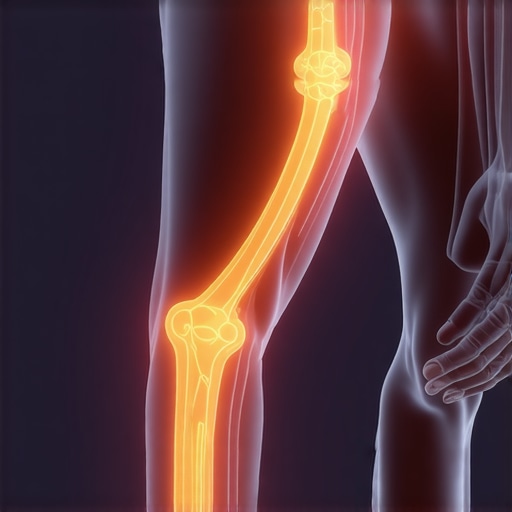 This is the “Oops” factor that keeps people in a cycle of chronic tension—stretching a protector rather than addressing the protected. Have you ever fallen into this trap of stretching a “tight” spot only to have the pain flare up an hour later? Let me know in the comments.
Stop Pulling Your Knees to Your Chest
Another common mistake is the classic “knees to chest” stretch. We have all done it, and while it feels like a relief in the moment, you need to stop pulling your knees to your chest for back relief if you have certain types of disc issues. According to Dr. Stuart McGill, a professor emeritus at the University of Waterloo and a leading spine biomechanics expert, this position can actually increase the hydraulic pressure within a damaged disc, potentially worsening a protrusion. You aren’t just stretching; you are potentially expanding a bulge. True back pain breakthroughs come from stabilizing the core and respecting the natural curve of your spine, not just trying to make everything “loose.”
Is that burning in your leg a disc or a muscle knot?
This is the million-dollar question for anyone dealing with radiating pain. Most people assume all leg pain is “sciatica” caused by a disc, but you must know how to tell if your sciatica is a disc or muscle issue. Sometimes the culprit is the piriformis muscle or a deep glute knot compressing the nerve, but other times it is the lumbar spine itself. Treating a disc problem with muscle-focused stretches can be useless, while ignoring a muscle knot won’t help a healthy disc. If it is a nerve irritation, something like the nerve flossing technique that silences burning thigh pain can provide a way to “glide” the nerve through the tissue without the aggressive pulling of a traditional stretch. Real progress requires moving beyond the basics and looking at how the whole system communicates. Shifting your focus to mobility mastery that emphasizes stability over pure flexibility is often the missing link. Before you reach for your toes again, ask yourself if your body is trying to tell you it needs more support, not more length. Recognizing when is your back pain a sign of something more serious is vital for long-term health and regaining your range of motion safely.Once I realized that my body wasn’t broken, just poorly maintained, my entire philosophy shifted. I stopped looking for a temporary cure and started building a system. This is exactly why maintenance care is better than waiting for a spinal crisis. If you only pay attention to your car when the engine light is blinking red, you are already behind. Your spine operates on the same principle. I transitioned from emergency stretches to daily rituals that prioritize long-term resilience rather than just reactive relief.
Stop Waiting for the Next Crisis to Strike
Maintenance isn’t about being perfect; it is about being consistent. I’ve found that the moments we feel the best are actually the most dangerous because we tend to let our guard down. We stop doing the little things that got us out of pain in the first place. I now view my spinal health like a bank account—every micro-break, every chin tuck, and every core-stabilizing movement is a deposit. When I’m stressed or forced to sit for a long flight, I’m making a withdrawal. By prioritizing enhance your back mobility with ergonomic tips for everyday comfort, I ensure my balance never hits zero.
My Favorite Gear for a Resilience Toolkit
I rely on a few specific tools to keep things moving when I’m away from my home office. I swapped my overly soft office chair for a firm, supportive seat and added a McKenzie-style lumbar roll. It feels strange at first, but it is the only way to keep the natural curve of your low back intact during long deep-work sessions. I also keep a lacrosse ball in my laptop bag. It is much firmer than a tennis ball and allows me to dig deeper into those stubborn hip knots that eventually pull on my lower back if left unchecked.
The High-Tech Future of Feeling Good
Looking ahead to 2025 and beyond, I see a massive shift toward biometric feedback in the world of physical therapy. We are moving toward wearable tech that does not just count your steps but tracks the specific angle of your cervical spine and the micro-tensions in your masseter muscles. Imagine an earbud that gently vibrates when it detects you have been clenching your jaw for more than thirty seconds. This real-time awareness will be one of the neck pain solutions and innovative strategies for fast recovery that defines the next decade of wellness. We won’t have to guess why we are stiff; our clothes will tell us exactly where we are holding tension.
How can I keep my spinal mobility over time?
The secret isn’t more intensity; it is more intelligent consistency. You need to build a shield around your spine using stabilization. A study published in the *Journal of Orthopaedic & Sports Physical Therapy* (JOSPT) found that targeted stabilization exercises—those focusing on core control rather than just global strength—lead to significantly better long-term outcomes for chronic back sufferers. This is exactly why I recommend the dead bug exercise and why it is essential for every back pain sufferer. It teaches your brain how to move your limbs without sacrificing your spinal position. If you want sciatica relief secrets and how to banish pain quickly today, you have to stop thinking about what you can fix in an hour and start thinking about what you can stabilize for a lifetime. My advanced tip for you: Try the Dead Bug exercise for just two minutes tonight before bed. Focus on keeping your lower back glued to the floor. It is the ultimate test of whether you are controlling your spine or your spine is controlling you.
The Hardest Lesson I Learned About My Chronic Stiffness
For years, I believed that if I could just find the right therapist or the right stretch, my pain would vanish instantly. I was looking for a silver bullet when what I really needed was a lifestyle shift. I realized that my constant search for relief was actually preventing me from building long-term resilience. I had to stop seeing my body as a broken car and start seeing it as a garden that requires daily tending.
- The Pop is a Lie: Chasing that satisfying ‘crack’ in my neck often provided a few minutes of relief but left my joints feeling looser and more unstable in the long run.
- Stability Over Stretching: I learned that many of my ‘tight’ muscles were actually weak and trying to protect me, so I swapped aggressive stretching for mobility mastery that focused on control.
- Stress is Physical: My jaw clenching wasn’t just a habit; it was my body’s stress response, and addressing the mental load was just as important as the physical exercises.
My Everyday Toolkit for a Pain-Free Life
I don’t believe in expensive gadgets that collect dust in the corner. Instead, I’ve curated a small selection of tools that have proven their worth over thousands of hours of use. These are the items I personally trust and use to maintain my progress. If you are looking for neck pain solutions that actually stick, simplicity is your best friend.
- A Standard Lacrosse Ball: This is my go-to for deep tissue work. It’s firmer than a tennis ball and perfect for those stubborn knots between the shoulder blades.
- The McKenzie Lumbar Roll: I use this in my car and office chair to ensure I’m not slipping into a slumped posture that puts pressure on my discs.
- Stuart McGill’s ‘Back Mechanic’: This book changed how I view spinal hygiene and taught me how to move without causing micro-trauma to my vertebrae.
- Hydraulic Hygiene: Keeping my discs hydrated and taking micro-breaks are more effective than any supplement I’ve ever tried.
Your Journey Toward True Freedom of Movement
The path to recovery isn’t a straight line. You will have days where you feel great and days where the old tightness creeps back in. The difference now is that you have the knowledge to handle it. You understand that back pain breakthroughs happen when you stop reacting to the pain and start proactively building your strength. Don’t be afraid of the journey; every small adjustment you make today—like fixing your monitor height or relaxing your jaw—is a massive investment in your future self.
By prioritizing maintenance care, you are choosing a life of activity over a life of limitation. If you ever feel stuck, reach out to a professional through our contact page to get back on track. You deserve to move without fear. Which of these common habits—clenching your jaw or over-stretching your hamstrings—do you think is holding you back the most? Let me know in the comments below!