
The 30-second neck tuck to stop tension headaches at your desk
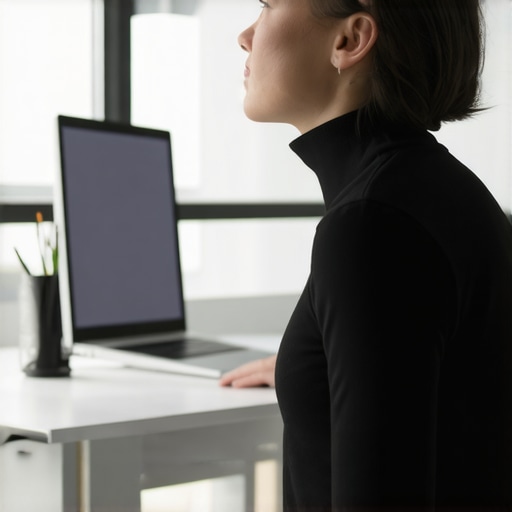
I remember the exact moment my desk job became a physical hazard. It was 3 PM on a Tuesday, and a dull throb behind my eyes had mutated into a full-blown lightning strike across my temples. I couldn’t focus on the email I was writing. I couldn’t even stand the brightness of my dual monitors. My shoulders were practically earrings, and my chin was jutting toward the screen like a turtle trying to escape its shell. For years, I made the classic mistake of thinking I just needed a ‘better chair’ or more caffeine. I even ignored the connection between my jaw tension and those constant headaches, assuming they were totally unrelated. I was wrong. I was treating the smoke while my neck was on fire. I would reach for a third cup of coffee, thinking it was fatigue, when it was actually my nerves screaming for mercy. [image]
Stop the Screen-Induced Skull Crush
We’ve all been there. You start the day with great posture, but by lunch, you’re slumped over like a wet noodle. That forward-head posture is more than just an aesthetic issue; it’s a mechanical disaster. According to research from the Mayo Clinic, the human head weighs about 12 pounds, but for every inch it tilts forward, the effective weight on your neck muscles doubles. If you’re leaning in to read small text, your neck might be supporting a 40-pound load! It’s no wonder your head feels like it’s in a vise. Today, I’m going to show you the exact 30-second neck tuck that saved my sanity. It isn’t just about stretching; it’s about resetting the neurological signals that tell your muscles to tighten up in the first place. You’re essentially telling your brain that it’s safe to let go of the tension. Have you ever reached for the ibuprofen before even checking your posture? Or maybe you’ve wondered if dizziness is coming from your neck alignment because the world starts spinning when the pain gets too high?
Does a 30-second movement really beat a bottle of Advil?
I know what you’re thinking because I thought it too. How can a tiny little movement do what a handful of painkillers couldn’t? The skepticism is real. But here’s the thing: pills mask the signal, while the neck tuck addresses the mechanical strain. If you don’t fix the alignment, the headache just waits for the medication to wear off. I used to spend hundreds on therapeutic massages that only gave me temporary relief because I wasn’t changing how I sat between sessions. You have to break the cycle. For a long time, I actually made things worse by over-stretching the wrong muscles, thinking more intensity meant faster healing. I was just irritating my nerves further. If you’ve been struggling with neck pain and stress, this is your first step toward freedom. In fact, learning how to adjust your monitor is helpful, but if your body doesn’t know how to find ‘neutral,’ no amount of ergonomic equipment will save you. We are going to reclaim your range of motion and stop that mid-afternoon brain fog once and for all.
Slide the Drawer Back: Mastering the Chin Tuck
To fix that ‘crane neck’ feeling, you need to think of your head like a dresser drawer. Most of us walk around with the drawer pulled all the way out, putting immense strain on the glides. When you perform a chin tuck, you aren’t looking down; you are sliding your head straight back over your shoulders. Sit tall, keep your gaze fixed on the horizon, and gently draw your chin inward. You should feel a slight stretch at the base of your skull and, yes, you will probably create a very unattractive double chin. That’s how you know it’s working. I remember sitting in a four-hour strategy meeting last October, feeling that familiar fire starting in my traps. I did ten of these subtle tucks under the table. No one noticed, but the relief was instant—it felt like someone had finally put the bowling ball back on its stand. This move is one of the most effective neck pain solutions to regain your range of motion because it resets the deep stabilizers that usually go dormant when we stare at screens.
Stop Shrugging Your Stress Toward Your Ears
Your shoulders and your ears should never be neighbors. When we get stressed or focused, our upper trapezius muscles hike up, creating a permanent shrug that chokes off blood flow to the head. This is often why your shoulder blade pain is often coming from your lower neck rather than the shoulder itself. To break this, try the ‘anti-shrug.’ Reach your fingertips toward the floor as if you’re trying to touch your ankles while keeping your chest open. This isn’t just about moving muscles; it’s about down-regulating your nervous system. Pair this with the 30-second ear-to-shoulder stretch that actually works to hit those stubborn lateral muscles that contribute to tension headaches. I used to think I needed a deep tissue hammer to fix this, but gentle, consistent resets are far more effective for long-term change.
Open Your Chest to Free Your Spine
The neck doesn’t live in a vacuum; it sits on top of your ribcage. If your chest is tight and collapsed, your neck has no choice but to jut forward. Think of your pectoral muscles like tight guitar strings pulling your shoulders forward into a slump. To counter this, you need to perform the 30-second drill to open your chest after hours of typing. Find a doorway, place your forearms on the frame, and lean through gently. You’re essentially expanding the front of your body so the back of your body doesn’t have to work so hard. It’s like loosening the front laces on a corset to let the ribs expand. When I first started doing this, I realized I hadn’t taken a full breath in years because my chest was so locked down. By opening the ‘front door,’ the tension in my upper back vanished almost overnight.
The Power of the Bruegger Relief Position
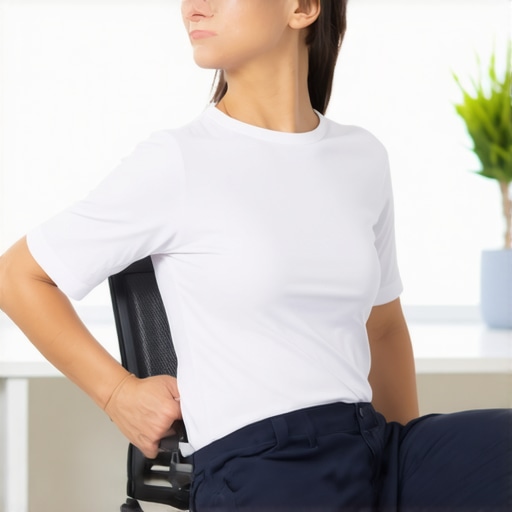
If you only have time for one move during a busy workday, make it the Bruegger position for a fast posture reset. Sit at the edge of your chair, turn your palms outward, spread your fingers, and squeeze your shoulder blades together while performing that chin tuck we talked about. Hold it for thirty seconds. It feels like a total system reboot. I’ve used this in airport lounges, in my car at red lights, and even while waiting for my coffee to brew. It’s the ultimate antidote to the ‘C-shape’ curve our bodies naturally fall into. Instead of fighting against gravity all day, you are teaching your muscles to find ‘neutral’ again without the constant need for external support or medication.
For years, I operated under the assumption that if something felt tight, it needed to be stretched into submission. It seems logical, right? But this is where most of us—myself included—hit a massive wall. In my experience, the ‘tighter’ a muscle feels, the more likely it is actually acting as a protective guard for a sensitive nerve. If you have been aggressively reaching for your toes to fix leg pain, you might be surprised to learn why stretching your hamstrings often makes your sciatica worse. You aren’t just stretching a muscle; you are putting a high-tension load on a nerve that is already inflamed. It is like trying to fix a burnt-out wire by pulling it tighter from both ends. The hidden nuance here is distinguishing between tension and protection. Understanding the difference between muscle soreness and nerve irritation is the ‘aha’ moment that changes everything. When a nerve is unhappy, the muscles around it lock down to prevent you from moving into a range that might cause damage. If you force that range with a deep stretch, your brain simply yells louder, and the cycle of pain continues. Have you ever fallen into this trap where you stretch for twenty minutes only to feel stiffer an hour later? Let me know in the comments below.
Is your favorite relief pose actually fueling the fire?
The most dangerous trap I see people fall into is the ‘knees-to-chest’ reflex. It is the gold standard in most ‘back pain for beginners’ videos, but if your pain is coming from a disc issue, this move is a mechanical disaster. Dr. Stuart McGill, a leading expert in spine biomechanics and professor emeritus at the University of Waterloo, has proven that repeated spinal flexion—the exact movement of pulling your knees up—can actually push disc material further toward the nerve by increasing intradiscal pressure. This is why you must stop pulling your knees to your chest for back relief if you suspect a disc bulge. Instead of stretching, we should be focusing on ‘flossing.’ Learning the nerve glide exercise that calms burning leg pain allows the nerve to move within its sheath without being over-tensioned. It is about mobility, not just flexibility.
Ditch the Sit-Ups to Save Your Spine
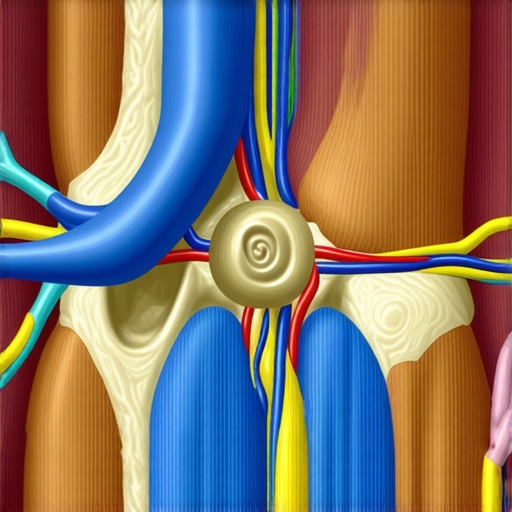
Another common mistake is trying to ‘strengthen your way out of pain’ using the wrong tools. We are told a strong core protects the back, but traditional sit-ups are often the culprit behind the pain rather than the cure. There is a specific reason why your core workout should not include traditional sit-ups: the sheer amount of compression they put on your lumbar discs. True spinal stability comes from resisting motion, not creating it. If you are struggling to figure out the source of your discomfort, it is worth investigating how to tell if your leg pain is sciatica or a deep muscle knot. The solution for a knot is vastly different from the solution for a compressed nerve, and mixing the two up is the fastest way to stay in a chronic pain loop. When you stop treating your body like a collection of tight rubber bands and start treating it like a complex electrical system, the path to recovery finally starts to clear.
I’ve spent thousands of hours and dollars testing gadgets, but the most profound shift happened when I stopped looking at my desk and started looking at the ground. We obsess over lumbar support, yet we forget that our feet are the literal foundation of our kinetic chain. I learned the hard way that why your choice of work shoes matters more than your chair is because a stiff sole or a high heel-to-toe drop forces your pelvis into a permanent tilt. This, in turn, makes your lower back muscles work overtime just to keep you upright. I even tried those popular ‘barefoot’ style shoes, but there is a serious minimalist shoes warning everyone should hear: if you haven’t built up the foot intrinsic strength, you’re essentially removing your body’s primary shock absorbers and sending that force straight into your L5-S1 disc.
How do I keep my spine healthy without making it a full-time job?
The secret isn’t a grueling hour-long gym session; it’s the accumulation of ‘micro-wins.’ Dr. Kelly Starrett, author of ‘Becoming a Supple Leopard,’ often talks about how we need to ‘grease the groove’ of good movement throughout the day rather than trying to fix 8 hours of sitting with 1 hour of stretching. This is why your body needs micro-breaks every 20-minutes to reset the neural tension that builds up while you’re focused. I personally use a simple haptic timer on my watch that reminds me to perform a 10-second hip reset for relief after sitting. It’s a game changer because it prevents the ‘setting’ effect where your fascia begins to solidify in a slumped position. 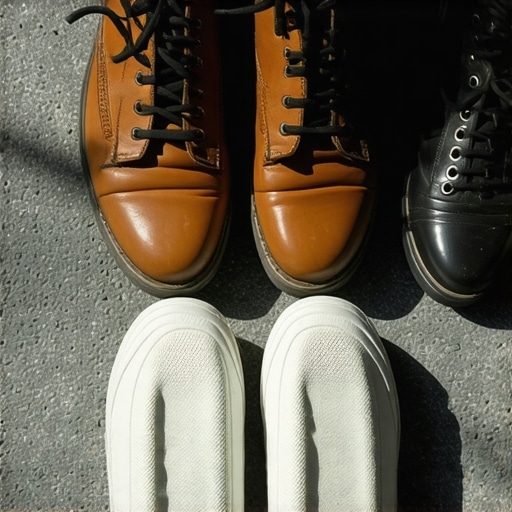
The Future of Posture is Proactive and Wearable
Looking ahead, I predict we are moving away from passive furniture and toward active bio-feedback. We are already seeing the rise of smart shirts and wearable sensors that provide real-time data on spinal curvature. Soon, your workstation won’t just be ‘ergonomic’; it will be ‘responsive,’ adjusting its height and tilt based on your fatigue levels. Until then, you have to be your own advocate. Embracing why maintenance care is better than waiting for a spinal crisis is the only way to stay ahead of the curve. You can find more mobility mastery daily tips to keep your joints healthy, but my biggest advice is to start small. I want you to try this right now: stand up, squeeze your glutes at 20% tension, and take three deep belly breaths. This simple act of enhancing your back mobility through ergonomic tips is the foundation of a pain-free life. Don’t wait for the ‘perfect’ setup—use the tools you have today to reclaim your movement.
The Hardest Lesson I Learned About Chasing Symptoms Instead of Causes
After years of trial and error, the biggest ‘aha’ moment was realizing that where I felt the pain was rarely where the problem actually started. I spent months rubbing my neck when the real culprit was my collapsed ribcage and tight pecs. If you find yourself in a similar cycle, remember that pain is a signal, not just an annoyance. It is your body’s way of asking for a change in how you move. I also learned that understanding the link between poor posture and chronic back pain is about more than just ‘sitting straight’; it’s about creating an environment where your nerves feel safe. Finally, don’t ignore the small things—like how why your choice of work shoes matters more than your chair—because the foundation of your spine starts at your feet.
My Go-To Resources for Staying Mobile in 2025
I don’t expect you to take my word for it alone. My personal recovery was built on the work of specialists who prioritize biomechanics over quick fixes. I highly recommend checking out Back Mechanic by Dr. Stuart McGill for anyone dealing with disc issues; it changed how I viewed spinal stability. For daily movement, I swear by mobility mastery daily tips to keep your spine and joints healthy. I also keep a tennis ball under my desk for quick foot releases and use a simple standing desk converter to avoid the ‘static load’ of sitting all day. These tools aren’t just gadgets; they are my support system for unlocking mobility expert tips on managing back pain in 2025 and beyond.
[image]
Your Journey Back to Pain-Free Movement Starts Now
Recovery isn’t a straight line, and there will be days when you feel a bit stiffer than others. The key is not to panic but to return to your ‘baseline’ movements—the chin tucks, the Bruegger reset, and the chest openers. You are the architect of your own physical freedom. By staying proactive and looking for back pain breakthroughs navigating your path to restored mobility, you are already ahead of 90% of the population. Don’t wait for a crisis to care for your spine. Start small, be consistent, and listen to what your body is trying to tell you. Have you ever tried a stretch or a ‘relief’ move that actually made your pain feel worse? Let me know in the comments below!