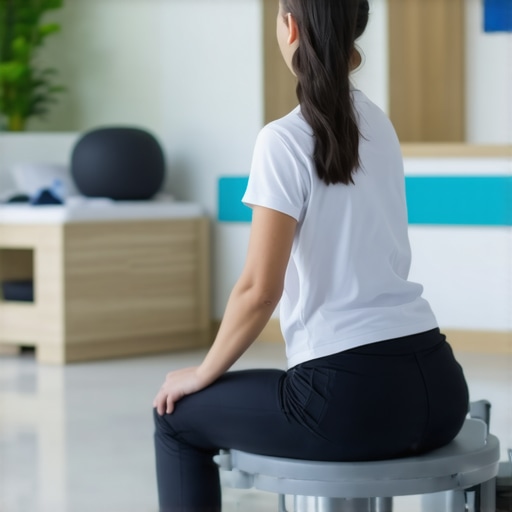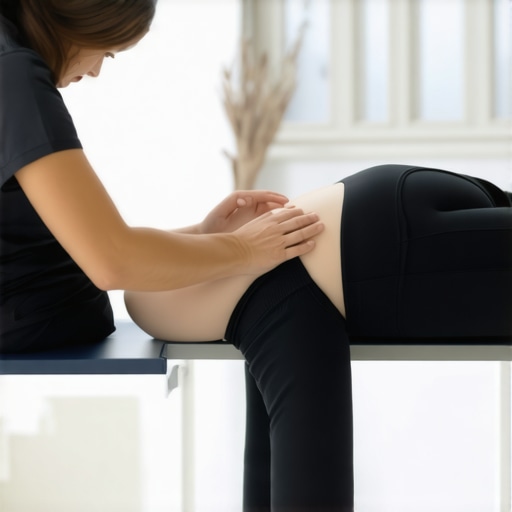
I remember feeling paralyzed by that sudden, stabbing pain shooting down my leg after a long day. It was as if my mobility had vanished overnight. Each step became a cautious effort, and simple tasks felt daunting. That lightbulb moment hit me hard—this isn’t just discomfort; it’s a signal. And I knew I had to find a way out fast. Maybe you’ve been there too, waking up to that dull ache or sharp lurch that limits your every move.
Your Road to Faster Sciatica Relief
Living with sciatica can make everyday life a challenge. But here’s the truth: you don’t have to accept persistent pain as your new normal. There are proven strategies, backed by experience and science, that can significantly boost your mobility and reduce that nagging discomfort. Today, I want to share the steps that helped me—and can help you—get back to moving freely in record time. Because no one should have to endure pain in silence.
Is Immediate Relief Just Hype or Real?
Early on, I made the mistake of assuming that relief would come just by resting and waiting it out. Turns out, inactivity feeds the problem—making recovery slower and more frustrating. It’s a common blunder and one I wish I’d avoided. Real progress comes from targeted exercises and lifestyle adjustments. If you’re skeptical, I get it—trust me, I was too. But the good news is, with the right approach, you can experience noticeable improvement quickly, often within days.
Research shows that active management, including specific stretches and ergonomic tweaks, can make a dramatic difference. For example, incorporating simple stretches daily can help alleviate nerve pressure and restore mobility faster than you might expect. Curious about what exactly worked for me? Stay tuned, because I’ll be walking you through actionable steps that have transformed my life and could do the same for you.
If you’ve faced similar struggles or are tired of feeling limited, this is your chance to take control. Let’s explore effective, fast-acting strategies to get you back on your feet and moving with confidence. Ready to dive in? Visit this guide for some practical exercises that really work.
Targeted Stretches for Immediate Nerve Relief
One powerful way to ease sciatic pain is through specific stretches that gently decompress the sciatic nerve. I recall a morning when I was stiff and uncomfortable, but after dedicating just five minutes to a hamstring stretch—lying on my back and pulling my leg towards my chest—I felt a noticeable decrease in pain. To do this yourself, lie on your back, bend one knee, and gently pull it towards your chest while keeping the other leg straight. Hold for 20 seconds, then switch sides. This movement lengthens the hamstring muscles, which often press against the sciatic nerve when tight. Consistent practice of these stretches can reduce nerve pressure and boost mobility rapidly. Want more effective stretch routines? Check out this guide.
Mastering the Art of Gentle Movement
Standing still in pain is like trying to fix a leaking pipe by ignoring it; you get nowhere. I remember initially avoiding all movement, but that only worsened stiffness. Instead, I adopted a routine of very gentle walking, focusing on maintaining a straight back and small steps. Think of your spine like a flexible hose; gentle movement prevents it from becoming brittle while promoting blood flow, which aids healing. Start with 5-minute walks around your home or yard, gradually increasing duration as tolerated. It’s crucial to avoid jarring motions or heavy lifting at this stage. For ergonomic tips to support this process, explore ergonomic adjustments. Moving intentionally and gently helps rebuild strength and flexibility, paving the way for quicker relief.Many people believe that pushing through pain or resting completely is the best approach for mobility issues, but in reality, such misconceptions can hinder recovery. For instance, the myth that avoiding all movement will speed healing is widespread; however, evidence indicates that *strategic movement* actually promotes faster recovery by maintaining blood flow and preventing stiffness. In fact, aggressive rest can lead to muscle deconditioning, making mobility problems more persistent over time. This is a common advanced mistake—many think rest is always best, but over-resting can cause joint stiffness and weak muscles, which worsen back, neck, or sciatic pain.
Another misconception is that all pain signals damage beyond repair. Contrarily, pain is often a sign of protective reflexes and misfiring nerve signals, especially in cases of sciatica or chronic back pain. Understanding this nuanced difference helps prevent unnecessary fear or immobility. According to a 2018 review in the Journal of Orthopaedic & Sports Physical Therapy, *appropriate dosage of movement tailored to the injury accelerates healing and restores function*. Recognizing the importance of nuanced, controlled activity over blanket rest or overexertion is crucial.
A less obvious but critical nuance involves the assumption that pain is solely caused by structural damage. While injury can cause pain, many cases of chronic neck or back pain are influenced heavily by stress, emotional tension, or poor ergonomics. For example, stress-related muscle tension can perpetuate pain cycles, making stress management an indirect but powerful component of treatment. Exploring this, I recommend checking out strategies detailed in this guide on neck pain and stress which highlights mind-body interventions for lasting relief.
Advancing further, many overlook the importance of proper technique during exercises. Performing stretches or strengthening routines with improper form can not only be ineffective but cause additional harm. An example is the classic mistake of overstretching hamstrings without proper alignment, risking nerve impingement instead of relief. Ensuring correct posture and movement mechanics is vital—taking the time to learn proper form can mean the difference between relief and setbacks. For detailed guidance on safe exercise, you can consult this simple exercise routine tailored for quick results.
Finally, the importance of psychological factors in mobility remains underappreciated. Fear-avoidance behaviors, where patients avoid movement due to pain fears, can cause muscle atrophy and chronic disability. Addressing mental barriers through education and gentle exposure to movement is an advanced strategy that accelerates healing. Remember, overcoming these misconceptions requires a nuanced, patient-centered approach that combines physical techniques with mental strategies.
Have you ever fallen into this trap? Let me know in the comments. For comprehensive guidance on avoiding these pitfalls and optimizing your recovery, explore related articles like lifestyle changes for sciatic relief or proven tips to restore neck mobility. Recognizing these nuanced truths can empower you to manage pain more effectively and achieve better long-term results.
Keep It Working: Essential Tools and Methods for Sustained Mobility
Once you’ve experienced relief from neck pain, sciatica, or back discomfort, the goal shifts to maintaining those gains. To do this effectively, I rely on a combination of targeted tools, consistent routines, and smart technology that promote long-term health and prevent setbacks.
Among my favorite equipment is a high-quality foam roller. I personally use a dense, slightly textured foam roller because it allows me to perform my own myofascial release therapy at home. Regularly rolling out my hamstrings, glutes, and lower back helps prevent muscle tightness that can reignite pain. Pairing this with a set of resistance bands, which I use for gentle strength stretches, enhances flexibility and supports muscles that stabilize the spine.
But physical tools aren’t enough—technology plays a crucial role. I highly recommend using digital mobility guides or apps that track your progress. For instance, the exercises detailed in this resource have become part of my daily routine. Using reminders and progress tracking features helps me stay committed and ensures I don’t lose gains over time.
Another underestimated tool is ergonomic support. Quality lumbar cushions, footrests, or adjustable standing desks help optimize posture throughout the day. I personally switched to an ergonomic chair with proper lumbar support—it’s been a game-changer in preventing recurrent strain, especially during long work hours. Incorporating ergonomic principles into your environment minimizes the strain on vulnerable areas and acts as a proactive approach for ongoing well-being.
Looking ahead, I believe the trend points toward smarter, AI-driven devices that adapt to your body’s signals. Wearables that monitor posture or muscle activation are emerging, offering personalized feedback and corrections in real-time. Such innovations could revolutionize long-term maintenance by making it accessible, effortless, and tailored specifically to your needs.
How do I maintain neck, back, and nerve health over time?
The key is consistency. Incorporate daily mobility routines, use supportive tools, and stay informed about ergonomic best practices. For example, I make it a point to do quick stretching sessions and self-massage exercises each morning—these tiny daily investments compound into significant, lasting relief. Also, exploring resources like this guide can give you tailored strategies for ongoing health. One advanced tip I suggest trying today is using a resistance band to perform gentle hip flexor stretches; it’s simple, effective, and can help prevent sciatica flare-ups. Maintaining your mobility is an active process—invest in the right tools, stay consistent, and watch your long-term results improve.
Over the years, I’ve uncovered that some of the biggest breakthroughs in managing mobility issues stem from personal experiences and hard-earned insights. These lessons often come with a touch of humility and a lot of trial and error. Sharing my journey might just illuminate your own path to lasting relief and renewed confidence.
Three Surprising Truths I Wish I Knew About Sciatica and Mobility
- Patience Outperforms Quick Fixes: Early on, I believed that instant solutions existed—heat packs, pills, or short-term stretches. But real progress required consistent effort over weeks, not days. This taught me that sustainable relief is built on patience and persistence.
- Movement Is Medicine, Even When It Hurts: Initially, I thought avoiding movement would prevent further injury. Instead, gentle, strategic movement became my best ally, helping to reduce nerve pressure and restore function faster than rest alone.
- My Mind Plays Tricks on My Pain: The mental component of pain can be underestimated. Learning to reframe my mindset, practicing stress reduction, and confronting fears about movement made a huge difference in my healing journey.
Tools That Really Made a Difference on My Road to Recovery
- Foam Rollers: I trust a dense foam roller to perform self-myofascial release at home. It helps keep muscles supple and prevents knots that could reignite nerve pain.
- Resistance Bands: These versatile tools support gentle stretching and strengthening routines, crucial for stabilizing my spine and hips.
- Guided Apps: Digital resources and apps have kept me accountable—tracking progress and reminding me of daily routines that promote mobility and reduce discomfort.
- Ergonomic Supports: From lumbar cushions to adjustable desks, ergonomic tools create a foundation for pain-free movement during daily tasks. Investing in this support has been transformative.
What It Means to Keep Moving and Stay Strong
The key to lasting mobility isn’t just about quick fixes; it’s about integrating small, consistent habits that prioritize gentle movement, proper posture, and mental resilience. Remember, setbacks are part of the process—each step forward builds a stronger, healthier body. Embrace the journey and celebrate every improvement, no matter how small.
If you’re ready to deepen your understanding and accelerate your recovery, I encourage you to explore resources like this guide on simple exercises and this article on stress and neck pain. Combining knowledge with action is the most powerful way to restore your mobility and reclaim your life.
Remember, your body has an incredible capacity to heal when given the right tools, patience, and mindset. Trust in this process, and you’ll discover that pain doesn’t have to define your story.