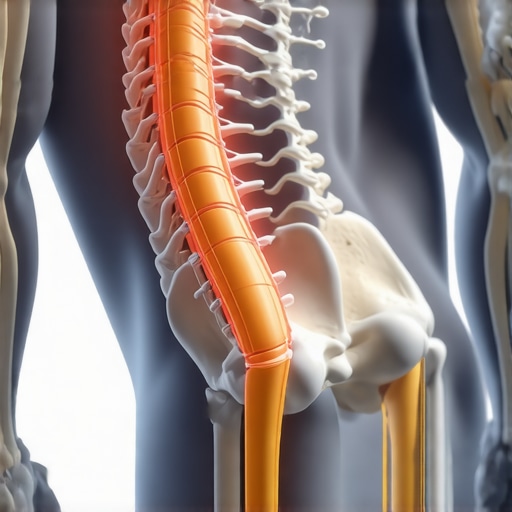
I remember the exact moment I realized my back pain was more than just an occasional discomfort. It was a sharp, shooting sensation down my leg that made every step feel like walking on thin ice. For weeks, I tried to ignore it, hoping it would just go away. But it didn’t. Instead, it worsened, turning everyday activities into dreaded challenges. That lightbulb moment hit me hard—I couldn’t afford to accept a life limited by pain anymore.
Why Maintaining Mobility Matters When Dealing with Sciatica
Living with sciatica can feel like you’re trapped in your own body. The pain, numbness, or tingling can be so overwhelming that it affects your mood, sleep, and overall quality of life. The good news? There are proven strategies to *improve mobility* and *reduce pain*, helping you regain control and enjoy the activities you love.
Many people underestimate how crucial movement is in managing sciatica. Staying active keeps your spine healthy, prevents stiffness, and accelerates healing. However, the mistake I made early on was thinking rest was always the best remedy. In fact, prolonged immobility can make sciatica worse. According to a study published in the Journal of Orthopaedic & Sports Physical Therapy, appropriate exercise can significantly reduce sciatica symptoms and improve mobility over time.
So, if you’ve been struggling with persistent pain and limited movement, know that effective, evidence-based approaches can make a real difference. In the sections ahead, I’ll share what worked for me and many others—simple, practical steps you can take today to start feeling better.
Before diving into the solutions, I want to ask: Have you ever felt the frustration of trying to move or sit comfortably, only to be stopped by sciatic pain? If so, keep reading. Your path to relief might be closer than you think, and it starts here.
Start Moving with Purpose
My first breakthrough came when I committed to gentle movement every morning. Picture your spine as a garden hose—when it’s stiff and tangled, water can’t flow freely. Similarly, stiff muscles restrict nerve signals, intensifying sciatica. I set a timer for 5 minutes and did simple stretches, focusing on loosening tight areas. This initial effort made a tangible difference, reducing pain and increasing flexibility. You can do the same by incorporating targeted mobility exercises, like those recommended in simple exercises that make a difference. Regular movement keeps your spine lubed up and reduces inflammation.
Identify and Correct Posture Habits
Think of your body as a building—poor posture is like a foundation crack that worsens over time. I found that sitting hunched at my desk exacerbated my sciatica. I started paying close attention to my posture, keeping my back straight and shoulders relaxed. Using ergonomic tools like lumbar support cushions, as detailed in ergonomic tips for everyday comfort, helped me maintain proper alignment. Break long sitting periods with brief walks; movement resets your posture and relieves nerve pressure.
Engage in Targeted Strengthening
Weak core and back muscles can let your spine sag, worsening sciatica. I added specific exercises, such as bird-dogs and pelvic tilts, inspired by techniques in boost your back mobility. These are like tightening the concrete foundation of a building—building strength prevents further damage. Start slow, performing 10 repetitions twice daily, and gradually increase as your muscles adapt. Consistent strength training supports your spine, helping to keep nerves from pinching.
Incorporate Gentle Stretching
Flexible muscles reduce pressure on the sciatic nerve. I found relief by gently stretching my hamstrings and piriformis muscles, which often become tight and contribute to nerve compression. Use techniques from proven mobility techniques to guide your stretches. Always stretch within a pain-free range—overextending can backfire. Think of stretching as tuning a guitar: gentle, steady adjustments produce the harmonious sound of pain relief.
Practice Consistent Breathing and Relaxation
Stress tightens muscles and crowds your nervous system, aggravating sciatica. I adopted deep breathing exercises, focusing on diaphragmatic breathing, as described in breaking the stress cycle. Regular practice helps relax tense muscles, making movement smoother and less painful. Like cooling off after a workout, calming your nervous system restores balance and promotes healing.
Monitor Symptoms and Adapt
Your body is your guide. I kept a journal to note which movements or routines provided relief and which worsened pain. Recognizing patterns allowed me to modify my approach—adding or reducing certain exercises. For persistent symptoms, consulting specialists via professional guidance ensures tailored strategies. Think of this process as steering a boat: continuous adjustments keep you on course toward better mobility.
Many believe that rest is the best remedy for back pain, but in my experience, this is a common misconception that can hinder recovery. Resting excessively allows muscles to weaken further, contributing to prolonged discomfort. Instead, active engagement with targeted movement often accelerates healing, as highlighted in research published in the Journal of Orthopaedic & Sports Physical Therapy. Another widespread myth is that pain always indicates damage needing surgery, but most back pain, including sciatic issues, resolve with conservative measures like physical therapy and proper ergonomics. Over-reliance on imaging studies can also be misleading; many people have disc abnormalities visible on MRI, yet remain asymptomatic. Understanding the distinction between structural findings and functional pain is crucial, and consulting professionals who focus on evidence-based approaches ensures you don’t fall into this trap.
Are There Hidden Factors Affecting Your Back and Neck Pain?
While it’s tempting to focus solely on physical causes, factors like stress and emotional health play a significant role in pain perception and muscle tension. Chronic stress can tighten muscles, exacerbating pain and limiting mobility, a point supported by Dr. Esther Sternberg’s work on stress and inflammation. Recognizing your body’s complex response system allows for a more holistic approach, combining physical exercises with stress reduction techniques. This broader perspective can lead to faster, more sustainable relief, avoiding the common mistake of ignoring these influential hidden factors. For guidance on integrating stress management with physical recovery, visit how stress impacts neck pain or explore the link between posture and chronic back issues. Remember, your body is an interconnected system—addressing only one part may leave other contributing factors uncorrected. Have you ever fallen into this trap? Let me know in the comments.Maintaining your progress in overcoming back and neck pain requires the right tools and consistent efforts. One essential device I personally rely on is a high-quality foam roller, which helps release muscle tension and improve flexibility. I use the [TriggerPoint GRID Foam Roller](https://bodyrenewtherapy.com/boost-your-back-mobility-simple-exercises-that-make-a-difference) daily after my stretching routines, targeting tight areas around the hamstrings and piriformis that often contribute to sciatic discomfort. This simple yet effective tool enhances blood flow and promotes tissue recovery, making it a cornerstone of my routine.
Another game-changer is a posture correction brace, like the [Truweo Posture Corrector](https://bodyrenewtherapy.com/enhance-your-back-mobility-ergonomic-tips-for-everyday-comfort). I wear mine during work hours to maintain proper spinal alignment, especially during long periods of sitting at my desk. Consistent use of ergonomic tools and reminders ensures I don’t slip back into poor habits that could reignite pain.
For software solutions, I recommend mobility tracking apps such as ‘NeuroTrack’ or ‘PostureMinder.’ These help me monitor my daily movement patterns, remind me to take breaks, and ensure I perform my exercises regularly. While wearable devices, like posture sensors, are becoming more advanced, integrating smartphone apps provides a user-friendly way to stay accountable and make small adjustments for lasting benefits.
In addressing long-term results, I find that incorporating a structured routine that combines physical tools, mindful ergonomics, and digital tracking sets the foundation for sustainable health. Looking ahead, I believe technological advancements will make personalized, real-time feedback more accessible, further optimizing injury prevention and recovery.
**How do I maintain my mobility and prevent setbacks over time?** Consistency is key. I schedule daily mobility exercises, regularly update my ergonomic setup, and adapt tools as I learn what my body needs. For instance, if I notice increased tightness, I add targeted foam rolling or deepen my stretches based on insights from [research by the National Institute of Neurological Disorders and Stroke](https://bodyrenewtherapy.com/sciatica-treatment-tips-to-improve-mobility-reduce-pain-fast) which emphasizes early intervention and tailored routines. Try incorporating one of these tools—like the foam roller—to see immediate benefits and set the stage for long-term relief.
The Hardest Lesson I Learned About Back Pain and Mobility
One of the most eye-opening realizations in my journey was understanding that persistence matters more than intensity. I initially believed that pushing through pain would hasten recovery, but I learned that listening to my body and steadily progressing was key. This taught me to appreciate small victories and celebrate consistent effort rather than quick fixes.
My Eye-Opening Discovery About Common Myths
I used to buy into the myth that complete rest was the best remedy for sciatic pain, only to find it prolonged my discomfort. Through research and trial, I discovered that gentle, purposeful movement accelerates healing. Challenging these misconceptions was pivotal in shifting my approach toward active recovery and embracing mobility exercises tailored to my needs.
What I Wish I Knew About Stress and Pain Interconnection
A turning point was realizing how stress intensifies muscle tightness and amplifies pain signals. Incorporating relaxation techniques like diaphragmatic breathing not only eased my symptoms but also improved my overall well-being. Addressing emotional well-being alongside physical routines created a balanced pathway to relief that I now recommend wholeheartedly.
My Favorite Resources for Long-Term Back and Neck Health
Over the years, I found valuable tools and trusted sources that support my journey. The [TriggerPoint GRID Foam Roller](https://bodyrenewtherapy.com/boost-your-back-mobility-simple-exercises-that-make-a-difference) became essential in releasing tension and enhancing flexibility. I also rely on ergonomic supports like the [Truweo Posture Corrector](https://bodyrenewtherapy.com/enhance-your-back-mobility-ergonomic-tips-for-everyday-comfort) to maintain alignment during daily activities. These resources empower sustained progress and serve as reliable companions in my mobility routine.
Believe in Your Power to Change—Your Future Starts Today
Every step you take toward understanding and managing neck, back pain, or sciatica adds up. Don’t underestimate the impact of small, consistent actions—they build momentum for lasting mobility and comfort. Remember, your body is resilient, and with the right mindset and tools, you can reclaim your freedom of movement. Start today, and trust that progress will follow.
What’s one thing you’re willing to change today to improve your back or neck mobility? Share your thoughts below and let’s support each other on this journey.
,

![3 Bedtime Habits to Stop Morning Sciatica Flares [2026]](https://bodyrenewtherapy.com/wp-content/uploads/2026/02/3-Bedtime-Habits-to-Stop-Morning-Sciatica-Flares-2026.jpeg)
![3 Common Moves Making Your Sciatica Pain Worse [2026]](https://bodyrenewtherapy.com/wp-content/uploads/2026/01/3-Common-Moves-Making-Your-Sciatica-Pain-Worse-2026.jpeg)