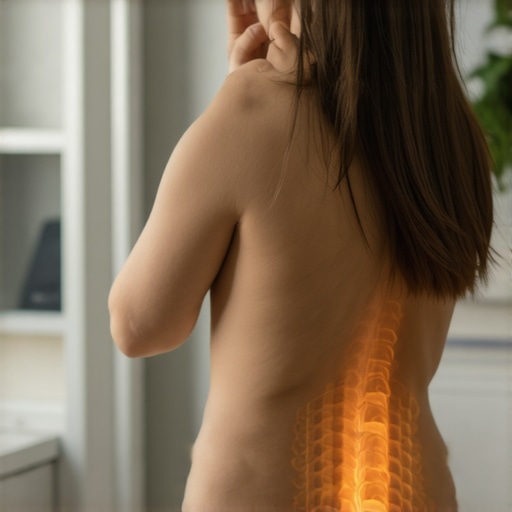
It was a day like any other, until I suddenly felt a sharp, shooting pain down my leg that left me breathless. That moment was a wake-up call—my body was telling me I couldn’t keep ignoring the signs. Like many, I brushed off the discomfort, thinking it would pass. But it didn’t. Instead, it worsened, stealing my mobility and my peace of mind.
If you’ve ever experienced that nagging ache or the fiery sensation shooting from your lower back into your leg, then you know how it can hijack your everyday life. That persistent pain can turn even simple tasks—like bending to tie your shoes or sitting for a long drive—into daunting challenges. It’s frustrating, disheartening, and often bewildering. I remember feeling helpless, searching for solutions that actually worked—and I know many of you are in the same boat.
Today, I want to share a promise. Together, we’ll explore practical and effective ways to improve your mobility and reduce your pain fast. No fancy gadgets or miracle cures—just honest, tried-and-true techniques that I personally tested and refined. These approaches have helped me regain control and move freely again, and I believe they can do the same for you.
But first, let’s tackle a common question that holds many back: “Is all this effort really worth it?” Well, studies show that timely intervention can drastically cut down recovery time and prevent chronic issues. For example, according to the American Chiropractic Association, early movement and appropriate treatment are key to avoiding long-term disability from sciatic nerve pain. That’s why taking proactive steps now isn’t just about relief—it’s about reclaiming your life.
That said, I must admit I made a crucial mistake early on: I assumed that resting was the best way to heal. It slowed my progress and only made my pain worse. The truth is, movement—when done correctly—is essential. To avoid my pitfalls, I started learning about the right exercises and posture adjustments—resources like [this comprehensive guide](https://bodyrenewtherapy.com/understanding-the-link-between-poor-posture-and-chronic-back-pain) were invaluable.
So, if you’re tired of letting pain dictate your day-to-day, let’s dive into effective techniques you can implement right now to boost your mobility and soothe that nagging discomfort. The relief you seek might be just a few mindful movements away.
Start with Gentle Stretching
One of the most straightforward ways to enhance your mobility is through daily gentle stretching. I remember once attempting to stretch without proper guidance, which led to more discomfort. Instead, focus on controlled, slow movements targeting your lower back, hips, and legs. For example, hamstring stretches are great for sciatic relief but only if done correctly—avoid bouncing or forcing the stretch. Incorporate stretches such as the seated forward bend or knee-to-chest pose, holding each for 20-30 seconds. These help release muscle tightness that contributes to nerve compression.
Practice Specific Mobility Exercises
Engage in targeted exercises designed to restore range of motion. I started with simple supervised movements, like those demonstrated in this routine. Exercises such as pelvic tilts, cat-cow stretches, and gentle spinal twists improve flexibility and strengthen supporting muscles, preventing further injury. Consistency is key—dedicate 10-15 minutes daily. Initially, my movements felt awkward and uncoordinated, but gradually, I noticed less stiffness and better control over my lower back.
Optimize Your Posture Throughout the Day
Poor posture exacerbates nerve compression, leading to increased pain. I realized I was slouching during work sessions, which worsened my symptoms. To correct this, I adjusted my workspace ergonomic setup following tips from this guide. Keep your monitor at eye level, feet flat on the ground, and support your lower back with a lumbar pillow. When sitting, avoid crossing your legs or leaning forward. These habits support spinal alignment, reducing strain and allowing nerves to recover.
Implement Self-Massage and Myofascial Release
Myofascial techniques helped loosen tight tissues around my lower back and hips. I used a foam roller to target muscles like the glutes and piriformis, which often entrap sciatic nerves. Think of it as kneading dough—you apply gentle pressure over tender spots to release knots. The process was initially uncomfortable, but it brought noticeable relief. Regular self-massage promotes blood flow and reduces inflammation, which is crucial for recovery. For detailed instructions, consider exploring methods outlined in this resource.
Incorporate Controlled Movements for Active Recovery
Active movement is essential, but it has to be controlled. I avoided strenuous activities initially, opting instead for low-impact walking or swimming. These gentle activities stimulate circulation without aggravating nerve inflammation. Remember, the goal isn’t to push through pain but to keep your joints and muscles moving. When I started integrating daily walks, I noticed my pain levels decreased, and my flexibility improved. Use progressions and listen to your body’s signals—consulting a professional through this contact page can offer personalized guidance.
Stay Consistent and Monitor Progress
Finally, consistency is vital. I kept a journal to track my mobility improvements and pain levels. Small daily gains compound over time, leading to lasting relief. Avoid the temptation to skip days; establish routines that fit into your lifestyle. If temporary setbacks occur, don’t get discouraged—adjust your approach accordingly, possibly by revisiting resources like this guide. Regularly reassess and adapt your exercises to continue progressing toward pain-free movement.When it comes to managing mobility issues and pain, many believe that stiffness, discomfort, or nerve pain are simply unavoidable parts of aging or injury. However, this perspective is a common misconception rooted in oversimplification. The truth is, there’s a nuanced landscape involving how we approach treatment, posture, and movement patterns that many overlook. For example, a prevalent myth is that resting completely is the best way to recover from back or neck pain. In reality, prolonged inactivity can exacerbate stiffness and weaken supporting muscles, making recovery slower and more difficult. Experts like Dr. Stuart McGill emphasize that controlled, strategic movement is essential for healing, as inactivity leads to muscle atrophy and joint stiffness, complicating rehabilitation.
Why do so many well-intentioned approaches fall short in resolving persistent pain?
It’s often because individuals underestimate the importance of addressing underlying movement patterns and postural habits. Merely performing isolated stretches or exercises without correcting daily postural behaviors can lead to temporary relief but fail to prevent or reverse chronic issues. For example, using a new foam roller or engaging in aggressive stretching may seem beneficial initially, but without understanding the body’s specific compensations, these techniques can sometimes reinforce poor mechanics or cause micro-injuries. I’ve seen many cases where people push through pain, believing that increasing intensity will accelerate healing, only to worsen their condition. The key is to aim for consistent, mindful movement that respects your body’s signals and targets weak links in your kinetic chain. Incorporating ergonomic adjustments recommended in this guide can make a significant difference in maintaining healthy function. Also, understanding the difference between pain and harm is critical; pushing through pain in hopes of quick relief often leads to setbacks. An advanced approach involves systematic assessment and correction of movement patterns, which can be more effective than generic routines. This is especially true for nerve-related issues like sciatica, where misaligned hips or poor lumbar support aggravate the problem. Regularly revisiting your habits with professional guidance can help prevent flare-ups. For deeper insights, check out this in-depth resource. Making these adjustments early on prevents the trap of persistent pain becoming a chronic cycle. Remember, quick fixes rarely address root causes, and true mobility improvement hinges on understanding and correcting one’s unique biomechanics. Have you ever fallen into this trap? Let me know in the comments.Maintaining your progress in overcoming neck pain, sciatica, or back issues requires more than just initial effort; it calls for the right tools and consistent upkeep. Personally, I rely heavily on a combination of specific equipment and digital resources to keep my mobility at its best. One essential tool I’ve found invaluable is a high-density foam roller. Rather than generic rollers, I use a textured, 6-inch diameter roller that targets my piriformis and quadratus lumborum muscles precisely, helping release tension that could irritate nerves. Regular self-massage with this device supports my recovery and prevents flare-ups. Additionally, I integrate a set of resistance bands into my routine, which allow me to perform active mobility exercises and strengthen muscles supporting the spine, crucial for long-term resilience.
How do I keep my neck and back healthy over time?
Consistency in using ergonomic aids is key. An adjustable lumbar support cushion and an ergonomic chair setup at my workstation remind me to maintain good posture throughout the day. I also use a digital posture reminder app that prompts me to check my alignment every 30 minutes, ensuring I avoid harmful slouching. This approach aligns with guidance from this resource, which emphasizes ergonomic adjustments as foundational to long-term spinal health. To monitor my progress and troubleshoot emerging issues, I keep a mobility journal, noting exercises performed and discomfort levels. This helps identify patterns and adapt my routine as needed. Looking ahead, I predict wearable tech with biofeedback sensors will become standard for real-time posture correction, making maintaining mobility even more effortless and precise. In the meantime, I recommend implementing regular self-assessment with tools like a mirror or smartphone camera to ensure you’re practicing correct movement patterns. For example, try incorporating a daily session of focused myofascial release with your foam roller, as recommended in this guide. It’s a proactive step toward ensuring your hard-earned mobility is preserved over time and scales effectively as your needs evolve.
The Hardest Lesson I Learned About Back and Neck Mobility
One of the most impactful lessons was realizing that quick fixes often mask underlying issues. I used to rely solely on stretches and ignore postural habits, only to find the pain returning unexpectedly. It became clear that true progress required addressing everyday movement patterns and ergonomic habits instead of temporary relief techniques.
Why Ignoring Small Discomforts Led to Bigger Problems
Overlooking minor aches taught me that consistency is key. Even subtle signs of tightness or stiffness can signal deeper problems if left uncorrected. Regular self-assessment and proactive movement routines prevented my pain from escalating into persistent conditions, reinforcing that prevention is better than cure.
What Professionals Rarely Mention About Chronic Pain
Many practitioners focus on isolated exercises, but understanding your unique biomechanics is crucial. Personalized assessments and mindful adjustments made a significant difference in my recovery. Exploring resources like this guide opened my eyes to the importance of correcting everyday postural habits along with targeted exercises.
Curated Tools That Made a Difference in My Journey
A high-quality foam roller became my go-to for releasing muscle tightness—especially around my piriformis, which often irritated my sciatic nerve. Resistance bands provided effective strength training that supported my spine’s stability. Ergonomic accessories, like adjustable lumbar supports and posture reminder apps, kept me mindful of maintaining proper alignment daily. These tools collectively helped me sustain my mobility gains over the long term, and I recommend exploring similar options tailored to your needs.
Embrace Your Power to Change Your Mobility Story
Taking the first step can feel daunting, but remember, every small effort adds up. By integrating mindful movement, ergonomic practices, and consistent self-care, you’re actively shaping a pain-free future. Don’t let fear or past setbacks hold you back—your journey toward improved mobility and comfort starts today. Think about the small adjustments you can make now that will lead to lasting relief—what’s one thing you could change immediately? Share your thoughts below and start your transformation.


![Is Resting Your Leg Making Sciatica Worse? [2026 Case Study]](https://bodyrenewtherapy.com/wp-content/uploads/2026/02/Is-Resting-Your-Leg-Making-Sciatica-Worse-2026-Case-Study.jpeg)