
Have you ever woken up with a stiff neck that made turning your head feel like twisting a rusty hinge? It’s a frustrating, almost disorienting experience that hits unexpectedly and can ruin your entire day. I’ve been there—dragging myself through work, trying to avoid the sharp twinges every time I glanced left or right, feeling helpless and unaware of how to escape this discomfort. That lightbulb moment came when I realized that I didn’t need fancy gadgets or expensive treatments to find relief. Sometimes, the simplest moves and mindful habits can make all the difference.
Getting Your Neck Moving Again: Why It Matters and How to Start
Neck pain isn’t just a minor annoyance; it can cascade into headaches, shoulder tension, and even affect your mood and productivity. The good news is that with targeted tips, you can restore mobility quickly without turning to invasive procedures. I’ve personally found that incorporating daily gentle stretches and ergonomic adjustments can drastically reduce discomfort and improve range of motion. If you’re tired of feeling stiff and limited, then stick around—I’ll share straightforward, proven strategies that can help you move freely again and regain control over your day.
Is Improving Neck Mobility Actually Worth the Hype?
This was probably my biggest skepticism early on. I thought, “It’s just a stiff neck; it will go away eventually.” But I made a crucial mistake—ignoring the root causes like poor posture and habits that kept aggravating the problem. According to recent studies, prolonged poor posture can lead to chronic neck issues, which only worsen if left unchecked. That’s when I learned that proactive movement and awareness are key to lasting relief. Now, I want to guide you past those misconceptions and show you how consistent, simple actions can make a substantial difference.
Curious if these tips really work for you? Many have shared their success stories after just a few days of applying these techniques. Ready to discover them? Let’s get started, and soon enough you’ll be turning your head without pain, feeling more confident and in control. For deeper insights and tailored exercises, don’t hesitate to visit this trusted resource.
Start with Gentle Stretches to Loosen Tight Muscles
Imagine your neck muscles as rubber bands that have been stretched and are now rigid. The first step is gradually easing them back into flexibility. I recall a morning when I woke up feeling as if my neck was glued in place. After gently tilting my head side to side and slowly circling, I felt my muscles begin to relax. To replicate this, sit in a comfortable position, keep your shoulders relaxed, and slowly turn your head to one side, hold for five seconds, then gently switch sides. Repeat this movement ten times. Consistency is key, and over a few days, this simple routine can significantly improve your range of motion.
Incorporate Specific Neck Mobility Drills
Once your muscles are loosened, target specific mobility exercises, such as chin tucks and neck extensions. For instance, I found that doing slow chin tucks—gently pulling your chin toward your chest—helped strengthen forward neck muscles. To do this: sit or stand with good posture, look straight ahead, and gently tuck your chin down as if making a double chin. Hold for three seconds, then release. Repeat in sets of ten. These exercises act like stretching a stiff hinge, gradually restoring smooth movement and reducing pain.
Adjust Your Environment to Support Better Posture
Think of your posture as the foundation of a building; if it’s unstable, everything above suffers. My desk setup was a perfect example—I was slouching over my laptop, which worsened my neck stiffness. To fix this, elevate your monitor to eye level using ergonomic risers or a stack of books. Keep your shoulders relaxed, elbows close to your body, and feet flat on the floor. This simple shift prevents your neck from constantly looking down or up, easing tension. For additional tips, explore ergonomic adjustments.
Practice Regular Posture Breaks
My own progress accelerated when I set alarms as reminders to sit upright and stretch every 30 minutes. Brief micro-movements prevent muscles from staying tense for too long. Stand up, gently tilt your head, and do shoulder rolls to activate blood flow. These habit changes prevent stiffness from settling in and keep your joints lubricated. Over time, these micro-breaks build a resilient mobility routine that becomes second nature.
Build Strength to Stabilize Your Neck
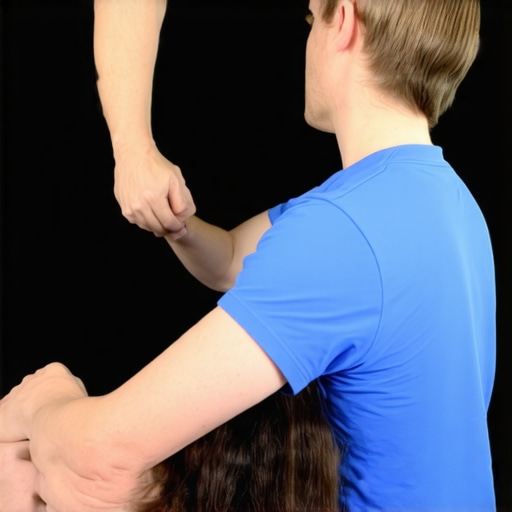
Picture your neck muscles as the braces holding a window in place. Weak muscles make it vulnerable to strain. Incorporating isometric exercises—where you push against your hand without moving your neck—can bolster these muscles. For example, place your hand against your forehead and gently push forward while resisting with your neck muscles. Hold for five seconds, then relax. Do this with your hands on the sides and back of your head as well. This method, discussed in proven techniques, strengthens supportive muscles, enabling better control and reducing pain during daily activities.
Integrate Breathing and Mindfulness
To add a holistic dimension, incorporate deep breathing exercises to lower stress levels, which often contribute to muscle tightness. Sit comfortably, inhale slowly through your nose, hold for a count of four, then exhale fully. I found that slowing down my breath eased the tension in my neck and shoulders. Combining mindfulness with physical mobility creates a synergy that not only relieves pain but also fosters a more relaxed posture throughout the day.
Maintain Consistency and Track Progress
Finally, I learned that progress is more sustainable when I kept a simple journal of my exercises and posture habits. Each day, note what felt better and what needs more focus. This reflective practice reinforced my commitment. Remember, small daily actions accumulate into significant mobility gains, and staying attentive ensures these good habits stick.
For more detailed routines and expert insights, check out comprehensive neck mobility strategies that can help you regain control over stiffness and discomfort.
Many individuals believe that back pain, especially sciatica or neck discomfort, is solely about muscle strain or poor posture. While these factors contribute, a common misconception is that more rest equals better healing. In reality, this approach can sometimes prolong pain and hinder recovery. I’ve seen countless patients fall into the trap of complete immobilization, thinking that avoiding movement will prevent further injury. However, scientific research shows that gentle mobility actually promotes healing by improving blood flow, reducing stiffness, and encouraging proper tissue repair. For example, a study published in The Journal of Orthopaedic & Sports Physical Therapy emphasizes that staying active, within individual limits, is critical for long-term relief and functional improvement.
Another myth worth debunking is the idea that all back pain stems from a single source. The truth is, chronic pain often results from a complex interplay of factors—postural habits, muscular imbalances, nerve irritations, and even psychological stressors. Relying solely on symptom-focused treatments like painkillers or passive therapies can mask the root cause, leading to recurrence or worsening over time. Instead, adopting a comprehensive approach that addresses mobility, strength, and stress management yields more sustainable results. For instance, integrating targeted exercises such as those found here can help restore optimal function and prevent future episodes.
Are You Falling into the Movement Trap for Sciatica and Back Pain?
One advanced consideration many overlook is the importance of nuanced movement patterns. Not all exercises are created equal, and some can do more harm than good if performed incorrectly or too aggressively. For example, repetitive flexion movements might aggravate nerve compression if not tailored to individual needs. This is why understanding your unique anatomy and pain triggers is vital. Moreover, overemphasizing flexibility without building stability can lead to a “loose” pelvis or weakened supportive muscles, increasing the risk of injury. To navigate this, consider consulting a knowledgeable expert who can develop a personalized mobility and strengthening plan, rather than blindly following generic routines. For deep insights into the link between posture and chronic pain, check out this detailed resource. Remember, effective recovery requires a balanced approach—movement without precision can turn into a health hazard. Have you ever fallen into this trap? Let me know in the comments.Maintaining mobility and managing chronic pain requires more than just exercises; it demands reliable tools and consistent habits. Personally, I rely on specific equipment that integrates seamlessly into my daily routine to support long-term results. One of my favorite tools is a high-quality foam roller, which I use regularly to release muscle tightness after workouts or long sitting periods. Unlike generic rollers, I prefer a dense, slightly textured foam roller that allows for targeted myofascial release, especially in the lumbar and neck areas, helping to prevent stiffness and discomfort. For instance, rolling along the sides of your spine or under your neck can promote blood flow and realign tissue, supporting ongoing mobility.
Another indispensable device in my arsenal is a posture correction cushion. It’s designed to support proper ergonomic alignment whether I’m working at my desk or driving. I choose a cushion with contouring that elevates the pelvis and encourages an upright spine, which minimizes strain on the lower back and neck. These ergonomic supports can be game-changers in sustaining proper posture over extended periods, reducing the risk of chronic pain.
Software tools also play a vital role in my maintenance routine. I utilize posture monitoring apps that use webcam or wearable technology to give real-time feedback on my alignment throughout the day. These apps help me develop awareness and make immediate adjustments, preventing bad habits from becoming ingrained. Moreover, they track progress over time, motivating me to stick with my mobility routines. The future of these tools is promising, with advancements in AI enabling even more personalized insights and recommendations.
To complement physical tools, I invest in online programs and video tutorials that guide me through dynamic mobility routines tailored for back and neck health. A notable example is the comprehensive routines available on Body Renew Therapy, which offers exercises backed by recent research in musculoskeletal health. For sustained results, I recommend integrating these tools into your daily schedule and revisiting your approach every few months as your needs evolve.
How do I maintain my mobility tools effectively over time? Regular cleaning of foam rollers with disinfectant keeps them hygienic, especially if shared, and inspecting devices for signs of wear ensures safety. Replacing your ergonomic cushions periodically prevents compression or degradation that can reduce their efficacy. Software apps should be kept updated to benefit from new features and security improvements. Setting scheduled reviews of your routine helps to adapt tools as your mobility improves or changes.
Start incorporating one new device or habit today — maybe a foam roller or posture app — and experience how small upgrades can translate into lasting relief. Scientific studies, such as those summarized in the Journal of Orthopaedic & Sports Physical Therapy, emphasize that consistency with supported tools accelerates progress and prevents setbacks.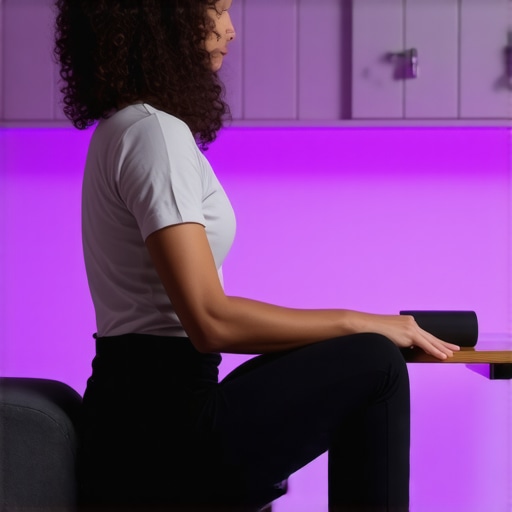
Imagine using a specialized foam roller to target those hard-to-reach tight spots or a smart app that keeps you accountable. Consistency is key; make these tools an integral part of your long-term strategy. For additional guidance and to explore tailored routines, don’t hesitate to contact a professional or visit the recommended resources above.
What I Wish I Knew When I Started Fighting Neck and Back Stiffness
One of the most profound lessons I learned was that progress doesn’t come from pushing harder or seeking complex solutions. Instead, gentle consistency and listening to my body’s signals made all the difference. I used to think that deep stretches or aggressive exercises were the only way, but I quickly realized that patience and mindfulness often outperform brute force. My breakthrough came when I embraced small, daily habits—like mindful posture checks and simple mobility moves—that built a foundation of resilience over time.
Tools That Transformed My Approach to Mobility and Pain Relief
There are a few key tools that have become indispensable in my routine. A quality foam roller, for instance, allows me to target tight spots with precision, promoting blood flow and tissue realignment. I trust my ergonomic posture cushion to support my spine during long working hours, preventing unnecessary strain. Additionally, posture monitoring apps have kept me honest, providing real-time feedback that helps me correct poor habits before they become ingrained. These tools, paired with consistent practice, have been game-changers in my journey toward lasting relief.
Staying Motivated When Progress Seems Slow or Uncertain
One of the most emotional hurdles I faced was the impatience for quick results. It’s easy to get discouraged when relief takes time, but I found that celebrating small victories—like turning my head a little more freely or feeling less tension after a stretching session—kept me going. Building mobility isn’t about overnight fixes; it’s about creating a sustainable, nurturing routine. Remember, every small step forward compounds, leading to lasting change. If you’re feeling stuck, reconnect with your initial motivation and remind yourself that persistence is the secret ingredient.
Being mindful of these lessons and tools can dramatically accelerate your journey beyond discomfort, transforming pain management into a path of empowerment. For detailed routines and insights, feel free to explore resources like this guide, which offers practical, research-backed strategies for improving mobility and reducing pain. Your body is more resilient than you think—trust that with consistent effort, relief is within reach. Have you experienced a moment when a small habit made a big difference? Share your story below and start your own journey toward freedom of movement.
![Stop Your 2026 AI Glasses From Causing Neck Pain [3 Fixes]](https://bodyrenewtherapy.com/wp-content/uploads/2026/03/Stop-Your-2026-AI-Glasses-From-Causing-Neck-Pain-3-Fixes.jpeg)