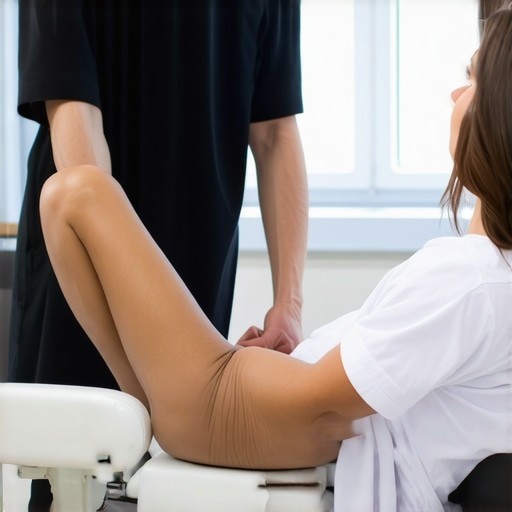
I remember the exact moment I realized I couldn’t ignore my back pain anymore. It was after a long day at my desk, and I felt that familiar ache turn into a sharp, unrelenting discomfort. That dull annoyance had become a relentless enemy, impacting my mood, productivity, and even my sleep. It wasn’t just a nuisance; it was a signal that something needed to change. If you’ve experienced that frustrating feeling of your mobility slipping away—whether in your back, neck, or sciatic area—you know how it saps your energy and cloud your days. But here’s the good news: small, effective adjustments can turn things around.
Why Your Back, Neck, and Sciatica Are Trying to Tell You Something
Our bodies are smart. They send signals—pain, stiffness, discomfort—to tell us we’re doing something wrong or neglecting an essential need. Often, poor posture, lack of movement, or stress can slowly erode our mobility without us noticing until the pain becomes unbearable. In my early days of ignoring these signs, I made a crucial mistake: I thought resting was enough. But what I needed was to learn how to move smarter, not just less.
Research shows that engaging in targeted mobility exercises and making ergonomic adjustments can dramatically improve quality of life. For instance, a study published in the Journal of Physical Therapy Science emphasizes that regular movement and posture correction can reduce chronic pain significantly. That’s why I want to share practical strategies—grounded in real experience and backed by science—that help you regain lost mobility and live comfortably again.
Now, I invite you to ask yourself: Have you ever felt that nagging back or neck pain creeping up during your day, stealing your focus and energy? If so, you’ll want to stay tuned. Because what follows are proven tips that can make a real difference. Whether you’re just starting to notice stiffness or battling persistent discomfort, these insights are designed to help you move better, feel stronger, and enjoy your days without pain holding you back.
Is Everything Under Control Or Is Your Pain More Serious Than You Think?
Early on, I made the mistake of dismissing mild discomfort as temporary. It’s a common trap—assuming pain will go away on its own. But ignoring persistent aches can lead to more serious issues, or prolonged recovery times. If you’re unsure about the severity of your pain, it’s worth visiting a professional for an assessment. Some symptoms, like numbness, weakness, or radiating pain, could indicate deeper problems that require specific treatment. For reliable guidance, check out this resource that outlines key warning signs to watch for.
Start Moving with Purpose
To improve mobility, set aside 10 minutes daily for targeted exercises. My first attempt was clumsy—I jiggled into a simple pelvic tilt, wobbling and feeling awkward. But consistency turned that chaos into progress. Begin by doing gentle stretches like knee-to-chest and cat-cow, which loosen tight muscles and improve flexibility.
Implement Ergonomic Adjustments
Alter your workspace to promote better posture. I replaced my standard chair with an ergonomic one, and positioned my monitor at eye level. This simple tweak prevented my neck from straining forward and reduced headaches. Use ergonomic accessories like lumbar cushions or adjustable desks to support natural spinal curves and reduce strain during long hours.

Incorporate Strengthening Techniques
Strengthening core muscles is crucial. I added planks and bridges into my routine, feeling initially unstable—like balancing a stack of books on my back. Over weeks, my posture improved, and pain lessened. Focus on engaging your abdominals and back muscles to create a strong ‘corset’ around your spine, preventing injuries and facilitating better movement.
Practice Deep Breathing for Stress Relief
Stress tightens muscles and exacerbates pain. During a rough day, I paused to do diaphragmatic breathing—inhale deeply through my nose, expansion visible in my belly, then exhale slowly. This eased muscle tension and cleared mental fog. Regular breathing exercises help maintain relaxation, core to mobility and pain management.
Schedule Consistent Rest and Activity
Alternating periods of movement with rest prevents overexertion. I learned to set timers—45 minutes work, 15 minutes stretching or walking. This balance boosted blood flow, loosened stiff joints, and avoided burnout. Remember, overrest can worsen stiffness, so keep moving within comfortable limits to maintain mobility gains.
Seek Professional Guidance When Necessary
If pain persists or worsens, consult a specialist. I visited a physiotherapist who recommended specific drills tailored to my needs. Personalized assessments can identify underlying issues and prevent further injury. Don’t ignore warning signs—advanced problems are much harder to fix.
Many people assume that back pain, sciatica, and neck discomfort are straightforward issues that can be fixed with simple stretches or ergonomic tweaks. However, as an expert in mobility and pain relief, I can tell you that this mindset often leads to misunderstandings about what truly drives lasting recovery. One common myth is that pain is always directly linked to structural problems like herniated discs or pinched nerves, but in reality, pain perception is a complex interplay involving the nervous system, muscle memory, and emotional stress. For example, chronic tension from unresolved stress can sensitize your pain pathways, making mild discomfort feel unbearable, a phenomenon backed by neuroscientific research demonstrating how the brain amplifies pain signals under stress here.
Another nuance often overlooked is how overemphasizing stretching without strengthening can sometimes worsen mobility issues. Stretching is essential, but without corresponding core and stabilizer strengthening, it may lead to joint laxity or instability, increasing the risk of injury. This can be especially problematic when people try to stretch ‘every day’ without proper form or guidance, leading to overuse injuries or increased symptoms. A balanced approach, integrating mobility exercises with targeted strength routines, offers superior results, as discussed in our back mobility tips.
It’s also a mistake to think that pain relief is purely a physical process. Psychological factors such as fear-avoidance — where individuals restrict movement out of fear of worsening pain — can significantly hinder progress. This behavioral response can induce muscle guarding and stiffness, creating a vicious cycle of pain and limited mobility. Recognizing and addressing this aspect through education and gradual exposure is vital for a comprehensive recovery. For actionable strategies, visit our guide on neck pain relief techniques.
Curious about how advanced understanding can change your outcomes? Consider the role of neuroplasticity — the nervous system’s ability to adapt and rewire — in pain management. Recent studies highlight that targeted movement and cognitive behavioral strategies can literally retrain your brain to perceive less pain, even in chronic cases here. Implementing such approaches requires nuance, patience, and expert guidance, but the payoff is a significant boost in mobility and quality of life.
So, are you still relying solely on common advice that might miss these subtler factors? It’s time to dig deeper and adopt a more holistic view. Don’t let myths and misconceptions keep you stuck—embrace the complexity of pain and mobility recovery. Have you ever fallen into this trap? Let me know in the comments, and together, we can explore smarter strategies to reclaim your movement.Maintaining your mobility improvements over time requires the right combination of tools, practices, and mindset. Personally, I rely on specific equipment and routines that have proven effective in my ongoing journey to stay pain-free. One of my essential tools is a high-quality foam roller, which I use daily to release muscle tightness and improve circulation. Foam rolling helps maintain tissue elasticity and prevents myofascial restrictions that can trigger pain or stiffness. I particularly favor the TriggerPoint GRID foam roller because its textured surface enables targeted deep tissue massage, which I do for 10 minutes after workouts or long periods of sitting.
To complement physical tools, I use mobility tracking apps like the *Mobility Mastery* app, which I find invaluable for tracking progress, setting reminders, and ensuring consistency. This digital support keeps me accountable and helps identify patterns or areas needing attention. Incorporating consistent routines from reputable resources—such as [this comprehensive guide](https://bodyrenewtherapy.com/mobility-mastery-daily-tips-to-keep-your-spine-and-joints-healthy)—has been instrumental in preserving my mobility long-term.
In addition, I recommend investing in ergonomic accessories tailored to your workspace, such as adjustable desks and lumbar supports. These tools aid in maintaining proper posture and prevent habits that could undo your gains. Regularly reassessing your ergonomic setup, based on feedback from your body, ensures sustained benefits.
Looking ahead, I believe the future of mobility maintenance lies in smart technology—wearables that monitor posture and muscle activity in real time. Companies are developing sensors that can alert you when you’re adopting poor positioning, allowing immediate correction before pain develops. Embracing such innovations could dramatically reduce setbacks and take personalized mobility management to the next level.
So, how can you keep your progress sustainable? I invite you to try integrating targeted self-massage with a foam roller into your daily routine. Not only does this habit reinforce tissue health, but it also empowers you to proactively manage discomfort before it becomes a problem. For personalized guidance, consider consulting a specialist via our contact page. Remember, consistent use of these tools combined with science-backed routines is key to long-term mobility and pain prevention. To deepen your understanding, explore strategies outlined in [this resource](https://bodyrenewtherapy.com/neck-pain-and-stress-how-to-break-the-cycle-for-good). Small, dedicated efforts today can lead to lasting relief and greater freedom of movement tomorrow.
Throughout my journey managing back, neck, and sciatica discomfort, I discovered that true progress often comes from embracing the less obvious lessons. These insights, born from personal experience and ongoing learning, reveal how a deeper understanding can transform your movement and well-being beyond simple tips.
Three Surprising Truths That Changed My Approach to Pain Relief
- Myth Busting Is Essential: I initially believed that pain meant structural damage that could only be fixed with intense therapy. Later, I realized that much of chronic pain is intertwined with stress, posture habits, and emotional factors, which means addressing only the physical symptoms rarely yields lasting results. Recognizing this allowed me to incorporate stress management techniques, like deep breathing exercises, into my routine, which made a significant difference.
- Consistency Trumps Intensity: Short, daily sessions of gentle mobility and ergonomic adjustments proved more effective over time than sporadic, intense efforts. This taught me that sustainable change relies on regular, manageable habits—something I now emphasize to anyone eager to regain their mobility without burnout or frustration.
- Holistic Care Is a Game Changer: Combining physical solutions like foam rolling and strengthening with psychological work—such as reframing fear-avoidance beliefs—created a comprehensive approach that addressed the root causes of pain. Exploring resources like this guide on stress and pain helped me understand the importance of mind-body connection, which I now see as pivotal.
My Top Equipment and Resources for Back and Neck Renewal
- Foam Rollers That Make a Difference: I swear by the TriggerPoint GRID foam roller for releasing muscle tension. Its textured surface provides deep tissue massage, helping me maintain tissue elasticity daily. Regular foam rolling isn’t just a quick fix; it’s a foundational step for long-term mobility. For a comprehensive routine, check out simple exercises that make a difference.
- Tech Tools to Keep You Accountable: Using apps like *Mobility Mastery* has kept me consistent and aware of my progress. Setting reminders and tracking small wins prevents stagnation. Technology combined with expert-approved routines, found in articles like this resource, makes a tangible difference.
- Ergonomic Upgrades for Daily Comfort: From adjustable desks to lumbar cushions, these simple tools support proper alignment during work and relaxation. Regularly reevaluating my workspace has prevented old habits from creeping back in, ensuring my mobility improvements stick.
Fuel Your Progress with Compassion and Patience
The most vital takeaway is embracing patience. Recovery isn’t linear, and setbacks are part of the journey. Celebrating small victories—like a pain-free morning or improved posture—builds momentum. Remember, your body’s ability to adapt through neuroplasticity means that consistent, mindful movement can rewire pain pathways over time, as highlighted in recent studies here.
Now, it’s your turn to apply these lessons. Whether you’re starting fresh or deepening your existing routines, trust that meaningful change is possible with the right mindset, tools, and support. Don’t wait for pain to dominate your day—take proactive steps today to reclaim your mobility and confidence.