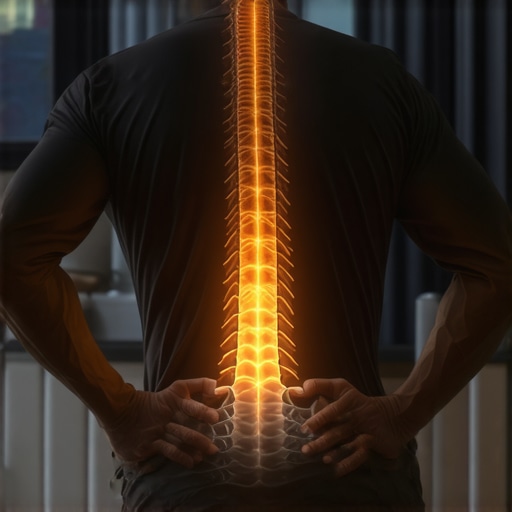
It was just another morning when I realized reaching for my coffee mug was suddenly a herculean task. My back stiffened like an old floorboard, and I felt that familiar pang of frustration sinking in. I’d been there before, but this time, it felt different — more intense, more persistent. That moment was a lightbulb flickering overhead, reminding me that I couldn’t keep living with this constant discomfort. I knew I had to find a way to improve my mobility and ease my pain, once and for all.
Why Back Pain Can Feel Like an Uninvited Guest That Never Leaves
Living with back pain is more than just a physical challenge; it impacts your entire day, your mood, and your outlook on life. You’re not alone in this struggle — I’ve spoken with countless people who share that same feeling of being held hostage by their own bodies. The worse part? Many of us are unknowingly sabotaging our recovery by making simple mistakes, like ignoring warning signs or trying to tough through the pain without proper guidance.
So, why does back pain linger and become such a nuisance? Well, the truth is, our lifestyle choices, posture habits, and even stress levels play a huge role in shaping the health of our spine and muscles. According to a study published in the Journal of Pain, chronic back pain affects nearly 20% of adults worldwide, and most cases could be significantly alleviated with targeted strategies (source: [https://bodyrenewtherapy.com/effective-back-pain-sciatica-relief-for-improved-mobility-in-1432](https://bodyrenewtherapy.com/effective-back-pain-sciatica-relief-for-improved-mobility-in-1432)).
Understanding this dynamic was an eye-opener for me. It made me realize that my pain wasn’t just a fluke or random happenstance; it was a signal from my body that something was out of alignment.
But here’s the good news: you don’t have to accept discomfort as your new normal. The key lies in adopting proven strategies that restore movement and reduce pain. Overcoming back issues isn’t about quick fixes; it’s about making consistent, mindful adjustments. And trust me, with a little guidance, I managed to turn my situation around.
Are you tired of feeling limited by your back symptoms? If so, stay with me — in the following sections, we’ll explore practical, science-backed steps to reclaim your mobility and find lasting relief. I’ve learned through experience, and now I want to share these insights with you to help you live more comfortably and confidently.
Begin with Gentle Stretching to Loosen Tight Muscles
Imagine your muscles as rubber bands; when they’re too tight, movement becomes restricted. I started my journey by incorporating gentle stretches every morning, focusing on my hamstrings and hip flexors. One simple move was the seated forward bend, where I sat on the floor and reached for my toes. The first few days were messy—I wobbled, and my back felt stiff. But persistence paid off, and over time, the tightness eased, allowing for more natural movement.
Practice Core Strengthening for Better Support
Your core muscles are like the foundation of a building—they stabilize your spine. I added planks and bird-dogs into my routine. During my first attempt at planks, I could barely hold for 10 seconds before my back sagged. Through consistent practice, I learned to activate my abdominal muscles properly, which took pressure off my lower back. Strengthening these muscles acts like a supportive belt, preventing strain during daily movements.
Improve Posture with Ergonomic Adjustments
Think of your posture as the way you carry a tray filled with glasses—balance is crucial. I realized my workstation was a problem; my monitor was too low, causing me to crane my neck. I elevated my screen, adjusted my chair height, and used a lumbar roll to support my lower back. This set-up was initially awkward, and I had to consciously remind myself to sit upright. Gradually, good posture became natural, reducing strain and allowing my muscles to relax.
Incorporate Movement Breaks Throughout the Day
Prolonged sitting is like a garden hose left still—water stagnates, and the flow becomes sluggish. I set a timer to remind myself to stand and move every 30 minutes. Simple steps like walking around or doing spinal rotations eased stiffness. My first attempt felt clumsy, and I even forgot a few times. However, consistency turned these micro-movements into habits, keeping my spine flexible and reducing pain flare-ups.
Apply Heat or Cold Therapy Judiciously
Think of heat therapy as a warm hug for sore muscles, promoting blood flow; cold reduces inflammation. I used a heating pad after a long day and an ice pack immediately after intense activity. Even when I was unsure about which to use, I experimented—sometimes sticking to one, other times alternating. This approach helped me manage discomfort more effectively and prevented minor injuries from escalating.
Seek Professional Guidance When Needed
Self-care is vital, but sometimes you need expert advice. I contacted a physiotherapist who specialized in back health. During my first session, I was nervous, feeling like a novice. The therapist assessed my movements, identified weaknesses, and tailored exercises specific to my needs. Rapidly, I learned what my body was missing—supportive stability and mobility. Don’t hesitate to reach out via this contact link if you’re ready for personalized help.
Consistency Makes All the Difference
Building these habits is like planting seeds; progress is slow at first but accelerates over time. I kept a journal, noting daily activities, pain levels, and improvements. Some days were discouraging, but persistence was key. Over months, I regained a surprising amount of mobility, turning daily tasks from painful chores into manageable routines. Remember, real change requires patience and commitment, but the rewards are worth every effort.When it comes to chronic back and neck pain, many believe they understand the basics — poor posture, injury, or aging. However, as I delved deeper into the science and shared experiences, I uncovered subtle nuances that often get overlooked, yet dramatically influence recovery outcomes. One common myth is that pain always correlates directly with tissue damage. Actually, persistent pain can exist even when imaging shows minimal or no damage, thanks to neuroplastic changes and central sensitization, as highlighted by neuroscientist Lorimer Moseley. This means pain isn’t just a mechanical issue but involves complex nervous system processes that can persist despite tissue healing. Recognizing this is crucial because it shifts the focus from exclusively fixing tissues to also retraining the nervous system for lasting relief.
Can You Really ‘Stretch’ Away Chronic Pain or Is There More?
Many swear by stretching, but in my experience, overdoing static stretches can sometimes exacerbate issues by irritating inflamed tissues or overstretching muscles that are already vulnerable. Instead, integrating dynamic mobility exercises and understanding individual limitations fosters better outcomes. An example is the importance of timing and intensity; aggressive stretching without proper warm-up can worsen conditions. According to a 2019 study in the Journal of Bodywork and Movement Therapies, personalized movement strategies outperform generic stretching routines in managing chronic pain. Therefore, tailoring approaches based on pain triggers and body responses can make a significant difference. Another overlooked aspect is stress and emotional health. Chronic stress tightens muscles and amplifies perception of pain through hormonal pathways. Mindfulness, stress management, and proper sleep quality are often underestimated tools in tackling persistent pain. Remember, your nervous system and emotional state form an integral part of your mobility and comfort. For a comprehensive method, I recommend exploring professional guidance for personalized therapy options, including *ongoing* assessments to adapt strategies over time, which you can learn more about in my article on [mobilty mastery](https://bodyrenewtherapy.com/mobility-mastery-daily-tips-to-keep-your-spine-and-joints-healthy). Don’t fall into the trap of thinking quick fixes are sufficient; lasting change demands nuanced understanding and sustained effort. Have you ever fallen into this trap? Let me know in the comments.Maintaining your progress in back and neck health requires more than just exercises; it demands the right tools and habits that support long-term mobility and pain relief. One of my favorite investments is a high-quality foam roller, specifically the Deep Tissue Massage Roller, which I use daily to release muscular tension and improve tissue flexibility. Its firm yet pliable surface helps target tight bands in my thoracolumbar region and neck muscles, preventing stiffness from creeping back in. Another essential is a lumbar support cushion—like the Coccyx Orthopedic Seat Cushion—which makes a significant difference during prolonged sitting, whether working or driving, by maintaining proper spinal alignment and reducing pressure on discs. For precise muscle activation and stabilization, I rely on resistance bands, particularly the Loop Resistance Bands, which are inexpensive yet versatile for strengthening my core and supporting structures, preventing future injuries. Importantly, I incorporate a posture correction app such as Upright GO, which gently vibrates to remind me to sit upright during computer work. This continuous feedback trains my brain to maintain better posture over time. To complement physical tools, I also use a progressive mobility tracking method through apps like MyFitnessPal, which helps me set goals, monitor progress, and stay motivated. Looking ahead, the trend is moving towards integrating wearable technology with real-time biofeedback, offering personalized guidance based on movement patterns and muscle activation data—similar to advancements seen in neuroplasticity-focused therapies. If you’re serious about sustaining your mobility improvements, I strongly recommend trying a combination of a foam roller and posture correction app today. How do I keep my gains over time? Consistency is key—schedule daily brief sessions using these tools, and don’t forget to screen your environment for ergonomic support. For more tips on ergonomic setup, visit [this guide](https://bodyrenewtherapy.com/enhance-your-back-mobility-ergonomic-tips-for-everyday-comfort). Remember, investing in the right tools isn’t just a one-time fix but a way to embed healthy habits into your daily routine, ensuring pain-free movement remains sustainable.Throughout my journey to overcome persistent back and neck pain, I uncovered lessons that radically shifted my approach—and could do the same for you. One of the most profound realizations was that pain often isn’t just about damaged tissues; it’s rooted in the complex dance between nervous system signals and emotional health. Ignoring this connection can lead to endless cycles of frustration. I also learned that static stretching isn’t a one-size-fits-all remedy. Sometimes, gentle, dynamic movements tailored to individual needs promote better, longer-lasting relief. Finally, consistency in applying small daily habits—like proper ergonomic setups and mindful movement—can profoundly reshape your mobility landscape.