![Stop Stretching Your Sciatica - Try This 2-Minute Reset [2026]](https://bodyrenewtherapy.com/wp-content/uploads/2026/01/Stop-Stretching-Your-Sciatica-Try-This-2-Minute-Reset-2026.jpeg)
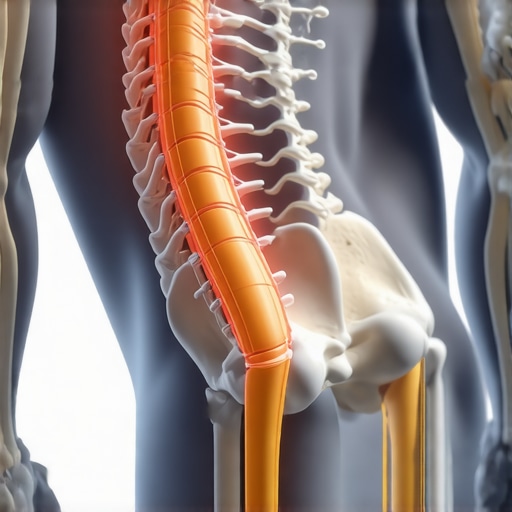
I remember the moment quite vividly—stuck in bed, aching from the tiniest movement, feeling frustrated and hopeless. It was like my sciatic nerve was teasing me, making every step a gamble. I had tried everything—stretching, exercises, even resting—and yet, the pain persisted, sometimes worse than before. That lightbulb moment hit me when I realized I was missing a simple but powerful trick that takes just two minutes. It sounds too good to be true, but I promise, it’s a game changer.
Why Most Remedies Fail Actually Tried Everything — Except This
If you’ve been battling with sciatic pain, chances are you’ve tried countless stretches and therapies to find relief. But here’s the truth I learned early on—most stretching routines might do more harm than good if done incorrectly or if your body isn’t ready for them. I fell into the trap of constantly stretching my hamstrings and piriformis, thinking I was doing the right thing. Turns out, some of those routines can tighten up your muscles further or even irritate your nerve more. It was a mistake I made early on, and I want you to avoid it. Instead, there’s a surprisingly simple movement—just two minutes—that can recalibrate your nervous system and ease the pain.
Is This Technique Really Worth the Hype?
Let me be honest—initially, I was skeptical. I wondered if this quick reset could really make a difference. But after trying it myself, I noticed immediate relief. It’s not about a magic cure; it’s about giving your body a fresh start without complex or exhausting routines. This approach is backed by experts in mobility and nerve health, emphasizing how quick, mindful movements can reset nerve tension and improve circulation.
If you’re tired of endless stretching that sometimes makes your pain worse, I strongly encourage you to give this a shot. You might find yourself cruising through your day with less discomfort and more mobility. Curious? I’ll walk you through the exact step in the next section. But first, ask yourself—have you ever experienced a moment where nothing seemed to help? If that sounds familiar, keep reading. You’re about to discover something that might just change how you view sciatic relief forever.
For more insights on improving your mobility and reducing pain, I recommend checking out effective back pain relief techniques. Now, let’s dive into this simple, two-minute reset that could transform your days.
Start with Proper Positioning
Lie flat on your back on a firm surface, ensuring your legs are extended comfortably. Placing a pillow under your knees can reduce lower back pressure, simulating how proper support maintains spinal health. I recall a morning when I tried this after waking up stiff—initially awkward, but I felt a gentle release in my lower back within minutes, setting the stage for more significant mobility improvements.
Engage Your Core Gently
Place your hands lightly on your stomach and take slow, deep breaths, intentionally engaging your abdominal muscles. Think of your core as a foundation—activating it stabilizes your hips and pelvis, easing nerve tension. During my first attempt, I focused on slow inhalations, which calmed my nervous system and made subsequent movements feel less painful.
Slowly Mobilize Your Hips and Pelvis
Move 1: Gentle Pelvic Tilts
While lying on your back, tilt your pelvis upward, flattening your lower back against the surface, then tilt it downward, arching slightly. Repeat slowly for about 30 seconds. I found this movement akin to a slow rocking chair—gradually loosening tension without forcing anything. Doing this helped my sciatic nerve feel less pinched and more mobile.
Move 2: Knee-to-Chest Stretch
While still on your back, pull one knee toward your chest, keeping the other leg flat, then switch legs. Hold each for a few seconds. This stretch targets the piriformis and hamstrings—common culprits in sciatica. I accidentally pulled a bit too hard at first, but I learned to keep movements gentle, which made a tangible difference in pain reduction.
Activate Spinal Flexibility with Controlled Movements
Sitting up slowly, gently twist your torso side to side, keeping your hips stable. Think of your spine like a flexible straw—bending smoothly without snapping. I was initially hesitant, worried about aggravating pain, but moving slowly allowed me to feel where I was tight and where I could bend without discomfort.
Gradually Integrate Deep Breathing
Finish with deep diaphragmatic breathing, inhaling for four counts, then exhaling for four. This step relaxes your nervous system, amplifying the benefits of the earlier movements. I noticed that adding focused breathing made my muscles more receptive to mobility efforts and helped reduce residual tightness.
Remember, the goal isn’t to push through pain but to gently reset your nervous system, much like rebooting a sluggish computer. Consistency is key—doing this routine daily can dramatically improve overall mobility and minimize flare-ups. If you want to explore more about boosting your spinal health or learn other mobility techniques, visit Mobility Mastery Tips. For personalized guidance, reach out through Contact Us. Incorporate this simple ritual into your routine, and witness how your body begins to reclaim its natural, pain-free movement.Many people believe that increasing flexibility through relentless stretching is the key to overcoming sciatic, neck, or back pain. However, this common misconception can sometimes exacerbate issues. Experts emphasize that not all stretches are beneficial for everyone, especially if performed prematurely or improperly.
For instance, aggressive hamstring stretches can tighten muscles further if your nervous system perceives them as threats, leading to increased pain and stiffness. Instead, a nuanced approach focusing on gentle mobilization and nerve gliding techniques proves more effective. According to a study in the *Journal of Bodywork and Movement Therapies*, overstretching can activate the body’s protective mechanisms, reinforcing tightness and pain—a classic case of the “more is better” fallacy.
Why Quick Fixes Often Backfire When Dealing with Nerve-Related Pain
Many jump into intense routines or rely solely on foam rolling, thinking acceleration will cure their chronic issues. But this oops can reinforce the problem, especially if fascia or nerve tension isn’t addressed properly. Overcompression or deep tissue work without understanding nerve dynamics can increase inflammation or pinched nerves. Instead, focus on synchronized breathing, light mobilization, and nerve flossing to restore movement. For more advanced strategies, check out expert nerve release techniques.
One of the most overlooked aspects is misdiagnosing the root cause. Not every stiff or painful area is muscle or joint—it may be nerve entrapment or postural maladaptation. For example, chronic poor posture can cause subtle yet profound neurological effects, impairing mobility over time. Therefore, a comprehensive assessment is essential for effective treatment. To understand the link between posture and pain, visit this detailed resource.
Is Your Solution Really the Right One
Have you ever fallen into this trap? Relying solely on general advice or peer tips without considering your unique condition can delay recovery. Tailored strategies that incorporate nerve mobility, ergonomic adjustments, and mindful approaches are crucial. Consistently applying this nuanced perspective distinguishes quick relief from long-term healing. If you’re unsure where to start, I recommend reaching out for personalized guidance through professional consultation.
Remember, true progress lies in understanding your body’s specific needs and respecting its limits. Embrace a mindset of informed patience rather than quick fixes. For a broader overview of mobility principles that truly matter, explore mobility mastery tips. Don’t forget—your body responds best when approaches are gentle, targeted, and consistent. Have you ever fallen into this trap? Let me know in the comments.
Keeping your mobility intact over the long haul requires more than just understanding effective routines; it involves incorporating reliable tools and consistent practices into your daily life. One essential instrument I personally rely on is a high-quality foam roller with moderate firmness. I prefer this over softer options because it provides enough pressure to release fascial tightness without causing discomfort, effectively reducing muscle knots that can contribute to sciatic and neck pain. Regular rolling helps maintain muscle flexibility, improves circulation, and prevents the buildup of adhesions that often lead to chronic issues. Learn how foam rolling can be your long-term ally.
Another must-have is a set of resistance bands. I use them daily for targeted mobility exercises such as hip openers and shoulder mobilizations. Their versatility and affordability make them perfect for gradual strength building, which is crucial in maintaining spinal health and preventing deterioration. For example, integrating band-assisted stretches has helped me avoid re-injury and sustain progress—especially important when scaling up routines or adapting as my body changes. Take time to select bands with appropriate resistance levels for your current capacity to avoid overstretching or strain. Discover the benefit of resistance bands in your mobility regimen.
Beyond physical tools, I advocate for software applications that track your progress. Apps like MyFitnessPal or specialized mobility trackers promote accountability and help identify patterns that lead to setbacks. They also remind you to perform daily mobility drills, reinforcing consistency. The future of mobility maintenance is trending toward integrating biofeedback devices and AI-powered programs that analyze your movement and provide personalized exercises. Staying ahead of these innovations can empower you to adapt your routines proactively and achieve sustained results.
Best Practices for Longevity and Scaling Your Routine
Consistent maintenance isn’t just about repeating exercises; it’s about gradual scaling. As your body adapts, increasing the intensity or duration of mobility drills—using your tools strategically—prevents plateaus and encourages ongoing progress. For example, I have found that gradually advancing from basic foam rolling to targeted trigger point therapy can make a significant difference in reducing flare-ups of sciatic and neck pain. Remember to listen to your body and avoid pushing into pain, which can negate the benefits and cause setbacks.
Monitoring your progress and adjusting tools accordingly ensures that your routine remains effective as your mobility improves. For ongoing support, I recommend exploring mobility mastery tips that include advanced strategies for scaling. Incorporating ergonomic assessments and posture corrections, supported by specialized tools, further enhances long-term health. Planning periodic assessments with a mobility specialist can help identify new areas for improvement and prevent regression. To stay informed, consider subscribing to trusted health and mobility resources that provide updates on emerging tools and techniques.
How do I maintain mobility over time without regression?
Developing a sustainable maintenance plan involves a blend of consistent routines, strategic use of tools, and mindful scaling. Incorporate daily mobility exercises with your preferred tools, like foam rollers and resistance bands, adjusting complexity as your flexibility and strength improve. Use tracking apps to stay accountable and identify when it’s time to modify your approach. Additionally, integrating ergonomic adjustments at work and in daily activities can prevent the recurrence of issues. Regular check-ins with a professional can provide tailored guidance to keep your progress on track. Embrace this comprehensive approach, and you’ll be well on your way to lasting mobility and pain reduction. For personalized support, don’t hesitate to reach out through contact us.
The Hardest Lesson I Learned About Sciatica and Mobility
One of the most eye-opening realizations I had was how often I was told to push harder or stretch further when dealing with sciatic pain. I believed more effort meant faster recovery, but I discovered that this approach often backfires, deepening the nerve tension instead of easing it. Patience, gentle movement, and understanding that recovery isn’t linear became my guiding principles. This shift transformed not only my approach to mobility but also my mindset about healing—remember, progress is a gentle slope, not a steep climb.
My Trusted Tools for Genuine Progress
To truly support my mobility journey, I rely on tools like a quality foam roller—choosing one that’s firm enough to release fascial knots without causing additional strain—and resistance bands that help gradually increase flexibility safely. These affordable yet powerful tools enable me to maintain consistent mobility routines without risking setbacks. For deeper insights on how to integrate tools effectively, check out these proven strategies.
Your Next Step Toward Lasting Relief
Remember, your journey to overcoming sciatic pain and enhancing mobility is uniquely yours. Embrace patience, leverage reliable tools, and stay consistent. You have the power to regain control over your body and enjoy days free from discomfort. Ready to take the next step? Consider exploring daily mobility tips to sustain your progress and protect your newfound flexibility.
What’s one small change you’re willing to try today to improve your mobility? Share your thoughts below—I’d love to hear your experiences!
,