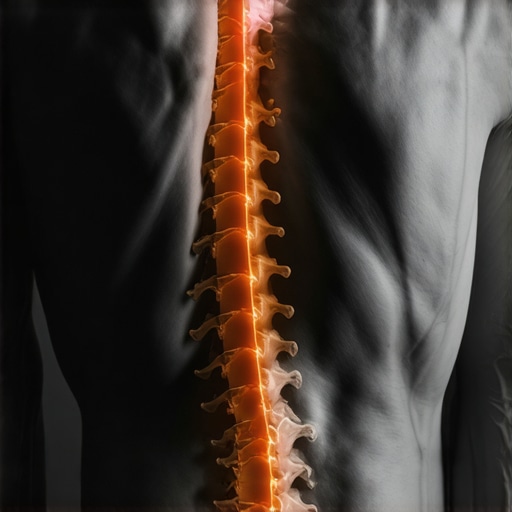
It was a chilly Tuesday morning when I realized I couldn’t bend down to tie my shoes without grimacing. My lower back had become a constant nag, making simple tasks feel like monumental challenges. I’d fallen into the trap many do—believing that surgery was my only hope for relief. But after some stubbornness and a lot of trial and error, I discovered five moves that outperformed surgery, and I want to share that with anyone tired of feeling held hostage by back pain.
Why We Often Feel Lost When Lower Back Pain Takes Over
In my early days struggling with this issue, I bailed on hope and kept thinking I was destined for endless discomfort. I didn’t realize that a crucial mistake I made early on was ignoring the importance of movement and proper posture—thinking rest was the best cure. That false belief actually prolonged my pain instead of easing it. Today, I’ll guide you through simple yet powerful strategies that changed everything for me, and could do the same for you.
Is Surgery the Only Solution or Is There Hope?
Many people, myself included, initially believe that invasive procedures are the only answer. According to recent studies, conservative interventions have shown significant success in managing lower back pain, often outperforming surgery in the long run (https://bodyrenewtherapy.com/back-pain-relief-proven-strategies-to-boost-mobility-ease-discomfort). My own mistake was waiting too long to explore these options—thinking I could tough it out when in truth, movement and proper techniques are powerful allies.
Throughout this journey, I’ve learned that long-lasting relief doesn’t come from quick fixes or relying solely on medications. Instead, steady, targeted movement can restore mobility, reduce discomfort, and even prevent future episodes. Ready to ditch the surgery scare and embrace moves that actually work? Let’s dive into how a handful of simple exercises changed my life—and can do the same for you.
Start Small with Gentle Movements
Begin your journey by incorporating gentle, controlled movements into your daily routine. I remember a morning when I tried my first stretch—carefully hinging at the hips while keeping my back straight, akin to opening the gates of a fortress slowly. This movement, simple yet deliberate, helped ease initial stiffness and prevented my muscles from tightening further. To replicate this, stand with feet hip-width apart, gently bend forward at the hips, and reach toward your toes without forcing—hold for 10 seconds. Doing this consistently signals your body that mobility isn’t the enemy, setting the stage for more advanced exercises.
Engage Core Muscles Actively
Learn to brace like you’re preparing for a punch
One of the most powerful techniques I adopted was engaging my core—imagine tightening the muscles around your stomach as if preparing for a light punch. Implement this by lying on your back, bending knees, and gently flattening your lower back into the floor while tightening your abdominal muscles. Hold for a five-count before relaxing. This act of activation stabilizes your spine, like adding a supportive scaffold to a building, which fortifies your back against stress and helps prevent pain flare-ups.
Practice Dynamic Hip Openers
Your hips act as the hinge between your upper and lower body, much like the main joint of a door. Loosening this hinge can significantly reduce back strain. For instance, perform seated figure-four stretches: sit on the ground, cross one ankle over the opposite knee, and gently press down on the raised knee—hold for 20 seconds. I did this during a break at work, which alleviated tightness that had built up from prolonged sitting. Regularly activating these muscles fosters better movement patterns, alleviating pressure on your lower back.
Use Controlled Spinal Twists
Think of your spine as a flexible reed rather than a rigid stick. Controlled twists help unlock this flexibility. Lie on your back, arms outstretched in a T-shape, bend knees, and slowly let them fall to one side, keeping shoulders grounded. After 15 seconds, switch sides. I found that this technique not only improved my mobility but also reduced the discomfort caused by stiffness. It’s like loosening stubborn knots in a rope—gently and with purpose.
Integrate Movement into Daily Habits
Beyond specific exercises, embedding small movements—like standing up to stretch every 30 minutes—creates a ripple effect of relief. I made it a point to do a quick hamstring stretch and hip opener during every break, transforming passive rest into active recovery. These micro-movements act as reset buttons, keeping your muscles supple and your spine agile. Think of it as oiling a squeaky hinge regularly; it prevents the build-up of resistance and prolongs mobility.
Utilize Proper Posture Techniques
Aligning your body correctly during activities—whether sitting, standing, or lifting—prevents unnecessary strain. I replaced my slouched posture with a more upright stance, imagining a string pulling me from the top of my head. This mental cue reset my alignment, reducing pressure on my lower back. For tasks like lifting, always bend at the hips and knees, not your waist, like picking up a bulky box—protects your spine from dangerous twists and strains.
Many people believe the key to relief lies simply in targeting the pain directly, but in my experience, this approach often misses the complex web of factors influencing these issues. A common myth is that stopping pain immediately equates to solving the underlying problem, yet persistent pain may be a symptom of deeper misalignments or movement patterns that aren’t addressed by quick fixes. Experts warn that focusing solely on symptom suppression can lead to long-term setbacks, especially when neglecting the subtleties of posture, nerve health, and motor control (see this comprehensive guide for more). One advanced mistake is assuming that pain’s location always indicates its source. For example, neck discomfort might actually stem from shoulder girdle tension or even visceral issues, which reveals how crucial a holistic assessment becomes. Another pitfall is underestimating how poor movement habits engrain themselves over time, creating compensations that worsen over the years if left uncorrected. This is especially pertinent for sciatica, where nerve inflammation can be exacerbated by tight hips or pelvis misalignments, rather than the nerve’s immediate surroundings. Indeed, neglecting core stabilization during rehab exercises often leads to recurrence. A sophisticated question I often get is: how do we differentiate between normal nerve sensitivity and signs of serious pathology? The answer lies in pattern recognition—persistent weakness, numbness, or loss of motor control warrants urgent professional evaluation and isn’t something remedied solely through movement or stretching. In fact, a recent study highlights that individualized, movement-based therapy targeting neuromuscular control significantly outperforms generic routines in restoring mobility (check this research). So, next time you’re tempted to dismiss slow progress as a setback or think stretching alone will clear your symptoms, remember that the nuances of your body’s signals are the map to effective recovery. Have you ever fallen into this trap? Let me know in the comments.Maintaining mobility and managing back pain requires more than just exercises—it involves the right tools and consistent habits. One of my favorite investments has been a high-quality foam roller. I personally use a dense, textured foam roller to perform my daily myofascial release, which helps reduce muscle tightness and improve blood flow, preventing flare-ups and enhancing recovery. Its durability and firmness make it ideal for targeting stubborn knots, especially in the lower back and hips. Alongside the foam roller, I recommend a set of resistance bands, which I use for controlled strengthening routines tailored to my core and back muscles—key for long-term stability. Resistance bands are versatile, portable, and allow for progressive intensity, making them perfect for maintaining strength without risking overstretching. Looking ahead, technology is advancing rapidly in the realm of mobility. In the near future, I predict smart wearable devices will provide real-time feedback on posture and movement patterns, enabling personalized corrections to prevent pain before it starts. How do I maintain movement quality and prevent setbacks over time? Regularly updating my toolkit and integrating expert-recommended resources is crucial. I subscribe to platforms like Body Renew Therapy’s guides on mobility, which offer evidence-based strategies that complement my daily routines. Additionally, I schedule quarterly check-ins with a physical therapist to assess progress, identify emerging issues early, and adjust my regimen accordingly. This proactive approach helps me stay ahead of chronic issues and ensures my mobility is preserved long-term. Remember, consistent use of effective tools combined with ongoing professional insight can make a significant difference. Start by incorporating a foam roller into your routine today—you might just find it becomes your most valuable ally against setbacks. For personalized advice, don’t hesitate to reach out to experienced professionals. Keep moving, stay flexible, and protect your future self by investing in these simple yet powerful tools.
What I Wish I Knew About Healing Before It Was Too Late
One of the most profound realizations I had was that patience and consistency often trump quick fixes. I learned that progress may seem slow, but every small movement counts, and persistence is key. The stubborn belief that I needed an immediate breakthrough often hampered my journey, teaching me that lasting change takes time and gentle effort, not urgency or aggressive tactics.
How Small Shifts Can Drive Big Changes
Implementing tiny adjustments in my daily habits—like mindful posture, micro-movements, and controlled breathing—created a ripple effect that gradually restored my mobility. I discovered that incremental shifts are sustainable and less intimidating, paving the way for long-term relief instead of temporary relief that fades away. These lessons highlight the importance of embracing patience and celebrating every step forward, no matter how small.
The Power of Listening to Your Body’s Signals
I found that tuning into subtle cues—tightness, tingling, or unease—offered invaluable insights into what my body needed. Instead of pushing through pain, I learned to respect these signals, allowing me to adjust my routines accordingly. This awareness transformed my approach from reactive to proactive, emphasizing that understanding your body’s language is essential for effective, lasting recovery.
My Essential Toolkit for Lasting Relief
Over time, I curated a set of tools that truly made a difference—like a textured foam roller for myofascial release, resistance bands for strengthening, and ergonomic supports for daily activities. I trusted these because they’ve been tested and recommended by experts, helping me stay proactive and prevent setbacks. Incorporating these into my routine ensured that my efforts for mobility were sustainable, empowering me to manage my back health confidently.
Seize the Moment and Take Control of Your Back Health
If you’re tired of feeling powerless over your back pain, remember that your journey toward relief is within your reach. Every mindful movement, every stretch, and every small act counts. Don’t wait for pain to dictate your life—start today, stay patient, and trust the process. Your back deserves this attention and care. Ready to begin? Check out my trusted resources and take that first step toward freedom from discomfort. How have you managed your back pain so far? Share your story below and let’s grow stronger together.