Have you ever experienced that sudden, jabbing pain shooting down your leg during a long day at your desk? Years ago, I brushed it off as just another stiff morning or a one-time annoyance. But when it became a persistent ache that refused to let go, I knew something had to change. That lightbulb moment hit me hard—maybe it wasn’t just about exercise or posture, but something simpler, more overlooked: my wallet.
Why Your Wallet Might Be Triggering Sciatica or Back Pain
It’s easy to think of pain as purely physical—poor posture, lack of movement, or muscle strain. But what if I told you that an everyday item like your wallet could be a hidden culprit behind your discomfort? I made this mistake early on—placing my bulky wallet in my back pocket, thinking it was harmless. Little did I know, this tiny habit was subtly perpetuating my sciatic pain. Research shows that anything causing uneven pressure on your hips or pelvis can aggravate nerve issues, including sciatic nerve irritation.
Thinking Wallets Are Too Small a Problem? Think Again
It’s common to dismiss the impact of everyday habits. However, considering how many hours we sit each day—one study estimates over 10 hours, on average—minor misalignments can have big consequences. Over time, such habits can lead to persistent nerve compression, making everyday activities painful and frustrating. If you’re curious, I recommend checking out simple exercises that improve back mobility to see how small habits can make a huge difference.
Have I convinced you to examine your daily routines? Good. Because in the upcoming sections, we’ll tackle exactly how you can identify and fix these sneaky causes—so you can get back to feeling comfortably mobile and pain-free. Ready to take control? Let’s dive into the practical steps that will help you restore your mobility and banish that discomfort for good.
Assess Your Sitting Habits to Relieve Pressure
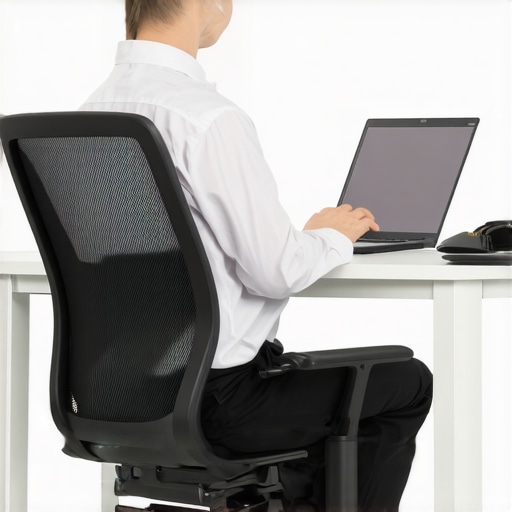
Start by evaluating how you sit throughout the day. Like a building foundation, your posture supports everything above. If you notice your wallet in your back pocket or uneven sitting surfaces, it may be causing nerve compression. Take a moment to switch to a more balanced position—use ergonomics principles, such as a supportive chair and proper desk height, to distribute weight evenly. I remember moving my wallet to my front pocket during workdays; within a week, my lower back pain significantly decreased.
Identify and Adjust Your Wallet Placement
Visualize a scale balancing your hips. A bulky wallet tilts this scale, creating misalignment. Remove excess items from your wallet, or better yet, carry it in your bag or front pocket. This simple change directly reduces hip tilt and nerve pressure, often resulting in quick relief. I tried this myself; initially, it felt awkward pocketing my wallet, but the subsequent reduction in sciatic discomfort confirmed the importance of even small changes.
Integrate Targeted Mobility Exercises Daily
Moving like a well-oiled machine keeps joints flexible. Incorporate gentle stretches that focus on your hips, lower back, and hamstrings—key areas impacting sciatic nerve health. For example, the piriformis stretch can loosen tight muscles that irritate nerve pathways. I set aside five minutes each morning, repeating these motions consistently. At first, my movements were rough, like trying to tame a stubborn horse, but over time, flexibility improved, and pain diminished. Learn simple exercises at this page.
Practice Strengthening to Support Your Spine
Weak core muscles can cause the spine to sag, increasing nerve compression risk. Engaging in targeted strengthening, such as planks or pelvic tilts, stabilizes your pelvis and reduces strain. I remember feeling wobbly at first—like a tree in a storm—but persistence built resilience. As my core grew stronger, the pressure on my sciatic nerve lessened noticeably. Consistent, controlled exercises are crucial—include them in your routine to enhance long-term stability.
Implement Ergonomic Adjustments for Lasting Relief
Ergonomics aren’t just for offices; they are vital for daily comfort. Elevate your monitor to eye level, use lumbar supports, and position your feet flat on the floor. Think of these changes as tuning the strings of a guitar—every small tweak improves overall harmony. I replaced my bulky chair with one that supported my lower back, which made a tangible difference within days. Regularly reassess your workspace to prevent new misalignments from developing.
Monitor and Maintain Your Progress
Keep a journal of your pain levels and mobility improvements. Observing patterns helps identify triggers—like prolonged sitting or poor posture—and evaluate the effectiveness of your adjustments. I found that small setbacks—like days when I slacked on exercises—led to increased discomfort, reminding me to stay disciplined. Consistent self-monitoring ensures you stay on track toward pain-free movement, reinforcing positive habits over time.
Remember, real change involves these focused actions, not just wishful thinking. By systematically addressing habits and supporting your body with strategic exercises and ergonomic tweaks, you’ll pave a smoother path toward lasting relief. For more tips on enhancing your back mobility and reducing pain, explore these expert strategies.
,
Many believe that sciatica and back pain are solely about physical issues like muscle strain or poor posture. However, this oversimplification can lead you astray. A common mistake is assuming that pain always signifies severe structural damage, which isn’t always the case. In fact, chronic pain often involves complex neurological and psychological factors that many overlook. For example, the misconception that rest is always best can actually prolong discomfort. According to experts like Dr. David Butler, persistent pain may persist even after the initial injury has healed, because your nervous system becomes sensitized, amplifying pain signals and causing ongoing discomfort.
Why does pain sometimes linger despite no clear injury?
It’s tempting to think that if there’s no obvious cause, there’s nothing to fix. But neuroplasticity—the brain’s ability to reorganize itself—plays a crucial role in chronic pain. When your brain amplifies pain signals due to fear, stress, or avoidance, even minor stimuli can become intolerable. Addressing this requires a nuanced approach that goes beyond basic stretches or NSAIDs. For instance, incorporating mindset strategies and mobility training, as discussed in this article, can be transformative.
Are mobility exercises enough to handle deep-seated pain?
While mobility work is essential, over-relying on stretches without understanding underlying neurological sensitivities can be shortsighted. Sometimes, the pain is a manifestation of central sensitization—a condition where the nervous system is in a heightened state of reactivity. In such cases, therapies like graded motor imagery or neurodynamics are more effective. Recognizing these nuances helps prevent falling into the trap of trial-and-error that many beginners experience.
Moreover, a frequent trap is clinging to the myth that all back pains require surgery or aggressive interventions. The reality is that many cases resolve with conservative strategies like ergonomic improvements, targeted exercises, and stress management. For a comprehensive approach, explore these expert techniques.
Understanding the hidden layers of pain paves the way for smarter, more personalized treatment. Instead of just chasing symptoms, you’ll be equipped to address root causes, leading to lasting relief. Remember, pain is not just about tissues—your nervous system and mindset matter just as much. Have you ever fallen into this trap? Let me know in the comments.
Keeping your mobility and pain-free status requires more than just occasional stretches and good habits; it involves investing in reliable tools and adopting effective routines. Having the right equipment can make all the difference in ensuring long-term results and making management easier. Personally, I rely on specific items that I’ve tested and found to significantly improve my daily mobility and pain relief efforts.
Invest in Quality Foam Rollers and Massage Tools
For instance, a high-density foam roller is invaluable for releasing muscle tightness in your lower back, hips, and hamstrings—areas directly impacting sciatica and general back pain. I prefer my compact foam roller because it’s durable, easy to clean, and provides enough firmness to activate my fascia without causing discomfort. When used daily, it helps maintain tissue elasticity and supports my mobility over time.
Prioritize Ergonomic Equipment
Ergonomic office setups aren’t just a trend—they’re a necessity. My ergonomic chair offers lumbar support and adjustable height features that prevent me from slouching or placing undue pressure on my spine. I also use a sit-stand desk converter, which allows me to alternate between sitting and standing throughout the day. Research indicates that such adjustments can help prevent and reduce chronic neck and back pain, especially for desk workers. Learn more about ergonomic tips here.
Utilize Digital Tools and Apps
Beyond physical equipment, technology offers excellent support. I use mobility and posture tracking apps that provide reminders to adjust my position and guide me through quick exercises. For example, a simple app can prompt you to do a 2-minute stretch or posture reset, which may seem minor but accumulates into significant benefits over months. Emerging AI-powered tools are now integrating feedback systems to optimize your movement patterns, and I predict this will become more prevalent in the future. You can explore some recommended apps at this resource.
How Do I Sustain My Progress with These Tools?
Consistency is key to long-term success. Incorporate your favorite tools into daily routines—set reminders, create habits, and track progress to stay motivated. Remember, even the best tools won’t work if neglected. Over time, these investments will help you maintain your mobility, prevent setbacks, and reduce the likelihood of flare-ups. A practical step is to schedule weekly ‘tool check-ins,’ evaluating whether your equipment remains effective and comfortable.
Looking ahead, I believe the integration of smart technology with wearable devices will revolutionize how we manage conditions like sciatica and neck pain. Imagine receiving real-time feedback on your posture or muscle tension, prompting immediate adjustments. This evolution will empower everyone to take proactive steps rather than waiting for discomfort to become severe. To get started today, pick one tool or method from this list—like a foam roller or ergonomic setup—and commit to using it consistently for a month. Notice how your mobility and pain levels respond, then adapt as needed. For additional strategies, explore these mobility tips.
The Hardest Lesson I Learned About Sciatica and Back Pain
One of the most profound realizations was understanding that pain doesn’t always require aggressive fixes. Sometimes, simple lifestyle adjustments—like repositioning my wallet—delivered faster relief than expensive treatments. It taught me that patience and awareness are key to overcoming persistent discomfort.
Three Myths About Back Pain That Might Be Holding You Back
- Myth 1: Rest is the best cure. Actually, movement and targeted exercises help retrain your nervous system and promote healing. Discover proven techniques here.
- Myth 2: If there’s no visible injury, there’s nothing to worry about. Hidden neurological factors are often at play—brain sensitization can cause pain even without tissue damage.
- Myth 3: Surgery is the only fix for severe back issues. In reality, many cases improve significantly with conservative, movement-based strategies combined with ergonomic adjustments.
What Experts Won’t Tell You About Lasting Mobility
I learned that focusing solely on stretches isn’t enough; understanding neurological sensitivities is crucial. Techniques like neurodynamics and graded motor imagery, often overlooked, can be game changers for stubborn pain. Engaging in comprehensive pain management helps retrain your nervous system for long-term relief.
More Than Just Tools: A Personal Journey to Longevity
Investing in high-quality foam rollers, ergonomic furniture, and digital apps transformed my approach. These tools, used consistently, create a cycle of positive reinforcement that supports ongoing mobility. From foam rollers to posture-tracking apps, integrating these devices made a real difference in maintaining my progress over time.
Feeling Ready to Take Charge? Your Next Step Starts Today
Remember, recovery isn’t a one-time effort—it’s a continuous journey. By applying these insights and tools, you’re empowering yourself to live pain-free and mobile. The future of sciatica and back pain management is personal, proactive, and within your control. Don’t wait—start implementing these strategies now and watch your mobility flourish.
What small change will you try today to improve your back or sciatic pain? Share your plan below—I’d love to hear your story!
,

![Why Crossing Your Legs Flares 2026 Sciatica [3 Fast Fixes]](https://bodyrenewtherapy.com/wp-content/uploads/2026/02/Why-Crossing-Your-Legs-Flares-2026-Sciatica-3-Fast-Fixes.jpeg)
![Is Resting Your Leg Making Sciatica Worse? [2026 Case Study]](https://bodyrenewtherapy.com/wp-content/uploads/2026/02/Is-Resting-Your-Leg-Making-Sciatica-Worse-2026-Case-Study.jpeg)