
I’ll never forget the morning I looked in the mirror and saw that familiar twinge of pain shooting down my leg. It was that gnawing, persistent sciatic discomfort that made even simple movements feel like trying to break free from thick cement. Frustration pierced through me—how could something so small be so relentless? That moment was a lightbulb for me, revealing just how stubborn or even worsening sciatic pain can be without the right approach.
Why You Need to Know About This Quick Fix Now
Today, I want to share something I personally discovered—an incredibly simple, one-minute nerve reset that has the power to significantly reduce, or even eliminate, persistent sciatic pain in a flash. Yes, just 60 seconds of your day could change everything. This isn’t about endless stretches or invasive treatments; it’s about a fast, effective technique that targets the root of nerve pressure and helps restore mobility—something I wish I had known years ago.
Is This Nerve Reset Actually Worth the Hype?
Early on, I made the mistake of dismissing quick fixes, thinking they were too good to be true. But after trial and error, I realized that sometimes, the simplest approach is the most effective. Scientific research supports that brief, targeted nerve interventions can have immediate benefits—saving you from ongoing pain and frustration. Without trying this, I would have continued to suffer unnecessarily, which is why I urge you to stay with me as I break down how this works and how you can apply it today.
So, if you’re tired of the persistent discomfort that sticks around no matter what you try—whether it’s a nagging back pain or that stubborn sciatic ache—then keep reading. I’ll show you exactly how a quick nerve reset, used correctly, can help you regain control of your mobility and put an end to your pain in just one minute. Ready to reclaim your movement? Let’s dive into the details of what this technique involves and how you can start incorporating it into your daily routine today.
Locate the Pressure Point and Apply Gentle Pressure
My memorable moment happened when I pressed my thumb into the tight spot just under my hip bone while sitting on a firm chair. It felt sore, but I maintained gentle pressure for about 30 seconds. I noticed that, surprisingly, the sharpness in my leg began to dull, and my mobility slightly improved. Think of this step like resetting a stuck door hinge; a little push at the right spot can free the entire mechanism. This targeted pressure helps alleviate nerve pressure that causes sciatic pain.
Stretch the Piriformis Muscle Carefully
Step 1: Find the Muscle
Sit on the edge of a sturdy chair, cross your affected leg over the opposite knee, forming a figure four. Gently lean forward until you feel a stretch deep in your glute—this is your piriformis muscle, often implicated in sciatic tension.
Step 2: Maintain the Position
Hold this stretch for 30 seconds, breathing deeply, and avoid bouncing. I personally found that leaning slightly to the side of the affected leg intensifies the stretch, helping to release pressure along the nerve pathway. Regularly stretching this muscle helps prevent recurring nerve pinching.
Transition Through Gentle Movements
Moving your back and hips through controlled, gentle motions helps realign pressure points. I began with small pelvic tilts on a firm surface, shifting my hips back and forth. Imagine your spine like a flexible garden hose—bending it gently helps water flow smoothly, whereas sudden jerks tend to kink it. Consistent, light movements promote circulation and nerve recovery.
Practice Deep Breathing to Relax Muscles
Inhale slowly through your nose, expanding your stomach, then exhale through your mouth with a sigh. On the day I tried this, I sat comfortably, focusing solely on my breath for about a minute. This simple act reduces overall muscle tension, making the other steps more effective. Relaxed muscles are less likely to press on nerves, easing sciatic discomfort.
Incorporate Posture Adjustments Throughout the Day
Standing up straight, avoiding slouching, and using ergonomic supports are vital. I swapped my old chair for an ergonomic one and adjusted my laptop height following tips I found on this guide. Keeping lumbar support tight and knees at a 90-degree angle reduces pressure on the sciatic nerve during daily activities. Consistency here can prevent exacerbations.
Use Heat and Cold Strategically
Applying a cold pack for 15 minutes followed by a warm towel helps reduce inflammation and soothe muscles. I experimented with alternating these, noticing that my pain diminished faster. Think of cold as a fire extinguisher for swelling and heat as an inviting hug to loosen tight muscles—alternating them keeps nerves happy.
Implementing these steps as a combined routine creates a potent, one-minute ‘nerve reset.’ Remember, consistency enhances results. For more in-depth mobility techniques, visit this resource.
Why Common Myths About Movement Can Sabotage Your Progress
Many people believe that the key to resolving neck, back, or sciatica issues lies solely in stretching or strengthening the affected area. However, this simplistic view often misses critical nuances. For example, the popular belief that more stretching always leads to relief can actually worsen certain conditions if not done correctly. Overstretching a muscle or nerve without proper balance can exacerbate pain and prolong recovery, which contradicts common advice often found in general wellness forums. It’s essential to recognize that mobility is a complex interplay of joint health, muscle balance, neural tension, and postural habits. Misjudging this balance might lead you into the trap of repetitive, ineffective routines that can cause more harm than good. To truly progress, understanding the nuanced mechanisms underlying pain and mobility is crucial—something that experiential learning and expert guidance can illuminate. For deep insights, check out this resource.
Debunking the Power ofKeep It Working with the Right Tools
Maintaining your spinal health over the long term requires the right set of tools and habits. Personally, I rely heavily on ergonomic accessories and targeted mobility aids to ensure ongoing relief and prevent setbacks. An adjustable ergonomic chair is foremost—its customizable height, lumbar support, and armrests help maintain proper posture during hours at your desk. I particularly recommend the ergonomic chair options discussed here, which I use daily to support my lumbar curve and reduce pressure points.
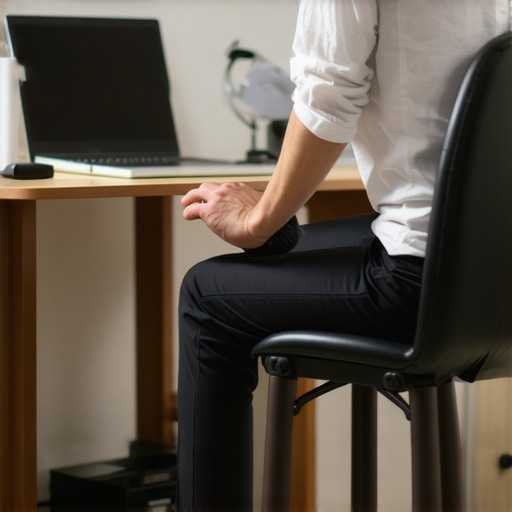
To complement seating, I incorporate foam rollers and massage balls into my routine. These DIY tools help me target tight muscles and fascia, especially around my hips and neck, which are common contributors to nerve compression. I personally use a dense foam roller for my lower back and a small massage ball for trigger points—techniques I detail in this resource. Regular self-myofascial release with these tools helps keep tension at bay and supports my mobility.
Digital Aids for Consistent Progress
Apps and programs that track your mobility progress are game-changers. I use a simple but effective app that guides me through daily mobility routines, reminding me to perform critical stretches and movements. These tools help me stay disciplined and accountable, especially on busy days. The trend is moving toward integrating AI-driven feedback and customization—future iterations could analyze your posture and movement patterns via your phone’s camera, offering tailored advice to prevent injury before it happens.
How Do I Maintain Mobility Over Time?
Long-term maintenance involves more than just tools; it’s about integrating consistent habits into your lifestyle. Regularly scheduled mobility drills, ergonomic work setups, and mindful movement practices form a foundation. I suggest setting aside a few minutes daily for targeted stretches and strength exercises, as outlined in this guide. Transitioning from reactive solutions to proactive routines ensures your back and neck stay resilient.
Looking ahead, the development of wearable technology—like posture-correcting devices or biosensors—could revolutionize how we monitor and maintain spinal health continuously. Embracing these advancements now gives you an edge in preventing chronic issues.
What Are Some Practical Steps You Can Take Today?
Start small by upgrading your workspace ergonomics, incorporating foam rolling sessions, and utilizing apps for daily mobility reminders. Trying out the advanced tip of using a targeted foam roller on your piriformis muscle can be particularly effective—more details are in this post. Consistently applying these tools and habits will contribute significantly to keeping your back and neck healthy for years to come. Remember, investing in the right equipment and routines today seamlessly supports your goal of long-term relief and mobility.
3 Surprising Truths I Wish I Knew About Nerve Recalibration
- Sometimes, the simplest techniques, like applying gentle pressure at the right spot, can outperform complex treatments—saving me time and frustration. Real-world experience taught me that intuitive actions often hold the key to immediate relief.
- Ignoring the mental component of pain makes recovery feel like an uphill battle. Deep breathing and relaxation aren’t just calming; they actively reduce muscle tension that exacerbates nerve pressure, revealing the power of mind-body harmony in healing.
- Rigid routines can backfire—so I learned to listen to my body’s signals and adapt my movements accordingly. Flexibility in approach and habits became essential in maintaining long-term relief and preventing setbacks.
Tools and Tips That Changed My Approach to Back Happiness
- My ergonomic chair has transformed my daily comfort—it’s a surprisingly affordable investment that keeps my spine supported during long work sessions. I trust this resource for choosing the right ergonomic setup: ergonomic tips for everyday comfort.
- Foam rollers and massage balls became my allies for releasing fascia tightness—daily self-myofascial work keeps my muscles supple and nerve pathways clear. The detailed exercises in this guide have made a noticeable difference.
- Staying accountable with mobility apps helped me stay consistent, even on busy days. Future innovations like AI feedback promise even more personalized progress, pushing my recovery further.
- Finally, I embrace proactive habits—daily stretches, posture checks, and strategic movement—because they prevent pain before it starts. It’s a lifestyle, not a quick fix, that sustains my mobility and joy.
Seize Control of Your Movement—Your Comfort Awaits
Taking charge of sciatic pain isn’t about drastic changes overnight but about small, deliberate steps that compound into lasting relief. The techniques I shared, backed by personal experience and expert insights, are tools you can start using today to regain mobility and confidence. Remember, you deserve a life free from persistent pain, and these simple yet powerful adjustments might be the game-changer you need. So, what small change will you try first to improve your sciatic health? Let me know below and share your journey towards better mobility!
![Is Resting Your Leg Making Sciatica Worse? [2026 Case Study]](https://bodyrenewtherapy.com/wp-content/uploads/2026/02/Is-Resting-Your-Leg-Making-Sciatica-Worse-2026-Case-Study.jpeg)
Reading through this post really resonated with me, especially the part about pressing the pressure point just under the hip bone. I had a similar experience where a gentle thumb press seemed to momentarily dull the sciatic pain. It’s fascinating how such simple techniques can make a big difference. I’ve often struggled with figuring out effective and quick relief methods without relying solely on stretches or medications. Combining pressure points with mindful stretching and posture adjustments sounds like a holistic way to manage it. I wonder, for those who have tried this, how long before they noticed sustained relief? Also, have you found that maintaining good posture throughout the day significantly prevents flare-ups? Personally, I’ve started working on my ergonomic setup and doing brief mobility exercises daily, and it seems to help. Would love to hear from others on what small daily habits have made the biggest difference for their sciatic pain management.