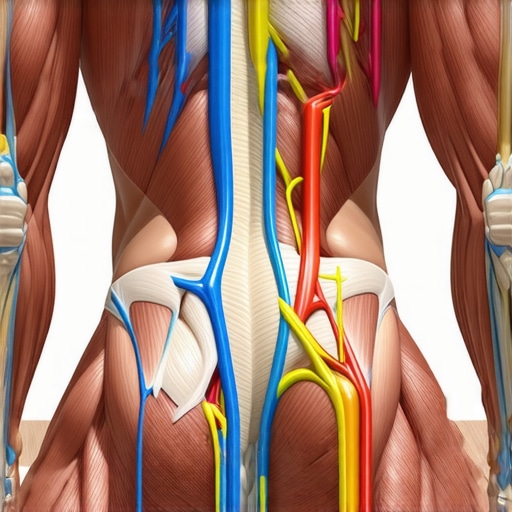
Have you ever felt that sudden, sharp jolt down your leg after attempting a deep squat during your workout or even while picking up groceries? I remember the exact moment I realized my favorite exercise was turning into my enemy. One afternoon, after pushing myself into a deep squat, my lower back and leg started throbbing with a fiery intensity I couldn’t ignore. It was a lightbulb moment that made me question everything I thought I knew about movement and pain management.
Why Deep Squats Might Be Flaring Your Sciatica in 2026
Deep squats are often celebrated in fitness circles for their ability to strengthen the glutes, hamstrings, and core. But for many, especially those dealing with chronic sciatic nerve pain, they can be a nightmare. When I first started exploring why my pain worsened, I learned that forcing the hips into a deep flexion can aggravate the nerve root, especially if your posture isn’t perfect or if there are underlying issues like poor mobility or joint restrictions. According to a study published in the Journal of Physical Therapy Science, improper form during deep squats can increase pressure on the lumbar spine, leading to nerve irritation (source: [bodyrenewtherapy.com](https://bodyrenewtherapy.com/understanding-the-link-between-poor-posture-and-chronic-back-pain)).
So, why does this happen? Well, it’s often because we unknowingly compromise our form or ignore warning signs. I made the mistake early on of pushing through discomfort, thinking pain was just part of a good workout. That only made my symptoms worse and prolonged my recovery. If you’ve experienced similar setbacks, don’t worry—you’re not alone. There are quick, effective fixes that I wish I’d known sooner.
Is It Really Worth Ditching Deep Squats?
First, let me reassure you: deep squats aren’t inherently bad. But if you’re experiencing flare-ups, it’s crucial to evaluate how you’re doing them and whether they’re suitable for your current mobility level. Sometimes, the problem isn’t the exercise itself but how we perform it. Small tweaks or alternative movements can be game-changers. If you want to keep squatting safely or learn how to modify your routine to prevent flare-ups, I’ll guide you through practical, evidence-based solutions shortly. And if you’re curious about other common mistakes that might be aggravating your condition, check out this article.
Ready to stop suffering in silence and start moving smarter? Let’s dive into these quick fixes so you can get back to doing what you love—without the pain holding you back.
Focus on Proper Movement Mechanics
Start by assessing how you perform basic movements. When I first tried to fix my sciatic flare-up, I paused during a squat and intentionally slowed down to analyze each phase. I realized I was collapsing my lumbar spine and letting my knees cave inward. To correct this, I consciously engaged my core and kept my chest lifted, which reduced the pressure on my lower back and nerves. Think of your spine like a stack of books; keep them aligned as you move. This simple shift prevented further irritation and set the foundation for safer exercises.
Engage Your Core Before Lifting or Bending
Bracing your core is akin to tightening a belt around your waist—stability comes from within. Before bending to pick a heavy object or doing a movement like a deadlift, hollow out your stomach slightly and tighten your abdominal muscles. I made a habit of doing this before every lift, especially during a challenging workout. One time, I forgot to brace during an awkward lift and felt a sharp twinge. Immediately, I slowed down, re-engaged my core, and proceeded with caution. This practice reduces the load on your lower back and keeps your nerves from getting pinched.
Stretch and Mobilize Smartly
Targeted stretching can drastically improve mobility, but doing it blindly can do more harm than good. Focus on gentle, controlled stretches like the pelvic tilt or hip flexor releases. I often used a modified cat-cow stretch, which mimics the movement of a rolling wave—flexing and extending the spine gradually. This helped loosen tight areas that might be pulling your pelvis out of alignment, a common contributor to sciatic pain. Remember, avoid overstretching and listen to your body’s signals.
Implement Dynamic Warm-Ups
Before engaging in any physical activity, ramp up with dynamic warm-ups. Leg swings, gentle lunges, or hip circles prepare your muscles and joints for movement, reducing stiffness. I included these in my routine before every workout, noticing how much smoother my movements became and how the nerve pain didn’t flare up as often. Think of warm-ups as priming your system—like warming up a car engine before a drive.
Modify Your Daily Habits
Long sitting periods or poor posture can silently worsen sciatic symptoms. I caught myself slouching endlessly at my desk, which increased my pain. To counteract this, I set a timer to stand and move every 30 minutes. Even a quick walk or some gentle stretches at my desk helped realign my pelvis and relieve pressure. Using ergonomic supports and adjusting chair height played a vital role—if your setup is off, you might be unknowingly aggravating your nerve irritation. For detailed ergonomic tips, explore this article.
Incorporate Low-Impact Cardio
Engaging in low-impact activities like walking or swimming enhances blood flow and promotes healing without stressing your spine. I started with 10-minute brisk walks, focusing on maintaining upright posture and engaging my core. Over time, this reduced stiffness and gave me confidence in my movement. Remember, the goal is gentle, sustained activity that fosters recovery—pushing too hard can intensify nerve irritation.
Seek Professional Guidance When Necessary
Persistent pain warrants expert assessment. I scheduled a consultation with a physical therapist who guided me through specific mobility drills and manual therapies tailored to my needs. They evaluated my movement patterns, identified restrictions, and provided personalized exercises, which accelerated my recovery process. For more specialized strategies, consider visiting this resource.
Why Popular Myths About Sciatica Can Mislead You
Many believe that sciatic pain always results from a pinched nerve or a herniated disc, but in reality, the condition’s complexity often makes this a simplified misconception. Evidence shows that factors like muscle imbalances, poor posture, and even stress can play significant roles in nerve irritation. For example, a comprehensive review published in the Journal of Physical Therapy Science emphasizes that nerve compression isn’t the sole contributor; underlying muscular efficiency and alignment are crucial. In my experience, focusing solely on disc herniations often delays the adoption of holistic approaches that address lifestyle and mobility nuances.
Beware the One-Size-Fits-All Solution
Common advice suggests that stretching or using certain exercises universally alleviates back pain. However, this can be a trap, especially if the movement exacerbates specific biomechanical issues. For instance, aggressive hamstring stretching can sometimes tighten the lower back further in prone individuals. An advanced mistake I see is neglecting individual mobility assessments—what works for one person may hinder another. Tailoring your approach, such as deliberate mobility drills outlined in this resource, is essential for sustainable relief.
How Do Chronic Stress and Emotional Factors Impact Pain?
Many overlook how psychological stress can sensitize neural pathways, amplifying pain perception. The cycle of tension and discomfort creates a feedback loop, making recovery more elusive. Expert insights, like those from Dr. Lorimer Moseley, highlight that pain is not solely a physical event but also a brain perception influenced by emotional states. Recognizing this hidden nuance allows you to incorporate stress-reduction techniques into your recovery plan. For example, practices such as mindfulness or breathing exercises can rewire your pain response, a strategy supported by recent neuroplasticity research.
Being aware of these misconceptions and nuances is vital. It encourages a personalized, layered approach—combining physical mobility, stress management, and lifestyle modifications—that promotes lasting relief. Remember, quick fixes might provide temporary relief, but true progress comes from addressing these deeper layers. Need detailed strategies? Check out this guide to effective lifestyle changes for long-term recovery. Have you ever fallen into this trap? Let me know in the comments.
Invest in Your Recovery Toolbox
To ensure lasting relief from sciatica, neck pain, and back discomfort, it’s vital to have a set of reliable tools and practices. I personally rely on a combination of mobility devices, targeted exercises, and digital resources to maintain progress. One of my favorite equipment pieces is a high-density foam roller, which I use daily to release tight fascia and muscle knots that can aggravate nerve pain. Unlike generic foam rollers, I prefer the dense, textured variants because they offer precise pressure and simulate hands-on therapy, making my self-myofascial release sessions more effective.
Additionally, I incorporate resistance bands into my routine to strengthen supporting muscles. For instance, I use light resistance bands for scapular stabilization exercises, which directly impact neck and upper back health. These bands are versatile, portable, and allow for controlled, progressive resistance. Software-wise, I rely on mobility apps—such as dedicated guided routines or timers—to keep myself accountable. These apps prompt me to perform specific stretches or exercises throughout the day, preventing stiffness and promoting circulation.
Optimize Long-Term Results with Consistency
Consistency remains the cornerstone of any successful recovery plan. I set aside dedicated time daily—just 10-15 minutes—for mobility drills using my foam roller and resistance bands. Tracking my progress with a simple journal creates accountability and helps me notice improvements over time. For those looking to scale their efforts, investing in ergonomic equipment like adjustable sit-stand desks and supportive chairs can make a profound difference, especially when combined with proper movement habits. Check out this guide for ergonomic tips that complement your toolset.
Planning for Longevity and Adaptability
Looking ahead, I predict a growing trend toward integrating tech with manual practices. Wearable devices that monitor posture and activity levels are becoming increasingly sophisticated, providing real-time feedback and personalized recommendations. This means your journey from pain to freedom isn’t just about static routines but evolving with your lifestyle. I anticipate that in the near future, AI-driven apps will tailor mobility and strengthening plans specifically for your anatomy, making maintenance more accessible and precise.
How do I maintain progress over time?
Regularly revisiting key strategies is crucial. I recommend setting monthly check-ins to reassess your mobility and symptom levels, adjusting tools and routines as your body adapts. Incorporating variation—alternating between stretching, strengthening, and mobility work—prevents plateaus and keeps your tissues resilient. Also, stay informed through trusted resources like this comprehensive guide to lifestyle changes for long-term relief. Try integrating a quick 2-minute nerve reset exercise into your daily routine; small, consistent actions like this can yield significant improvements for nerve health and overall mobility.
Unspoken Truths About Healing That No One Told Me
- One of the hardest lessons I learned was realizing that pain isn’t always a sign of damage—it’s often a signal to listen more carefully. Ignoring subtle warning signs and pushing through discomfort only prolonged my recovery and made me resistant to healing.
- I also discovered that holistic approaches—combining movement, stress management, and lifestyle tweaks—accelerate progress beyond mere exercises. Focusing solely on symptom treatment left me chasing symptoms instead of addressing root causes.
- Surprisingly, embracing patience and consistency was key. Short-term fixes gave quick relief, but long-term change required daily habits and understanding my body’s unique responses, not just generic routines.
- My most profound insight was recognizing the power of mind-body connections. Psychological stress and emotional tension can intensify nerve sensitivity, making recovery more complex. Managing stress became as crucial as physical therapy.
- Lastly, personalized guidance from professionals transformed my journey. Tailoring exercises and habits to my specific needs proved far more effective than following generic advice, reinforcing the importance of expert support in recovery.


![Stop Stretching Your Sciatica - Try This 2-Minute Reset [2026]](https://bodyrenewtherapy.com/wp-content/uploads/2026/01/Stop-Stretching-Your-Sciatica-Try-This-2-Minute-Reset-2026.jpeg)