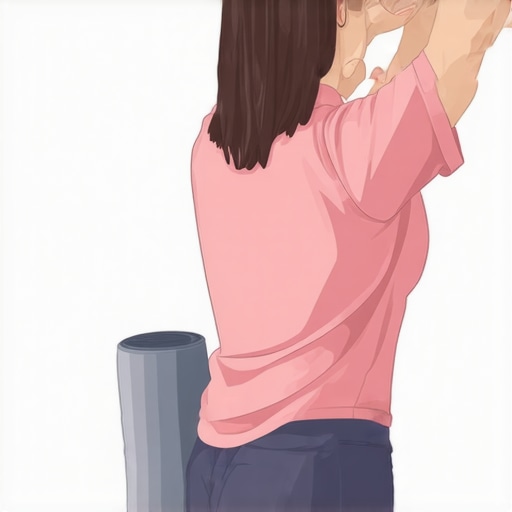
It was a rough morning. I woke up with that familiar ache in my lower back, regret bubbling up as I realized I had unknowingly re-enrolled in the same painful cycle. Standing up, I reached for the doorframe, only to be greeted by a sharp flare of discomfort shooting down my leg. That moment was a lightbulb for me—you’re not alone if mornings like this define your days. Early on, I made a costly mistake: neglecting the simple yet powerful start I used to lower my risk of disc compression. If you’re tired of waking up stiff, sore, or risking longer-term damage, then today’s promise is for you. We’re going to uncover the *3 morning reach fixes* that can help you protect your discs and regain your mobility, starting tomorrow morning.
Begin with Gentle Spinal Mobilization
Right after waking, avoid jumping out of bed and rushing into your day. Instead, perform a gentle spinal twist — lie on your back, bend your knees, and slowly let them fall to one side while turning your head in the opposite direction. Remember how I struggled with mornings where even getting out of bed felt like a battle? I tried this simple move and noticed an immediate decrease in stiffness. Over time, this routine helps keep your discs decompressed, much like releasing pressure from a squeezed sponge. Practice this for 30 seconds on each side to set a foundation for pain relief.
Focus on Controlled Breathing
Deep, diaphragmatic breathing not only relaxes your nervous system but also reduces muscle tension around your spine. When I first started doing this, I felt like I was recharging my back. Sit comfortably, place one hand on your chest and the other on your belly, and breathe in slowly through your nose, expanding your diaphragm. Exhale fully through your mouth. This practice increases oxygen flow, helping your muscles loosen and improving blood circulation, which is vital for disc health. Incorporate 3 minutes of mindful breathing into your morning routine for noticeable benefits.
Adjust Your Posture Before Your Feet Hit the Floor
Slipping into a good posture—whether sitting up in bed or standing—prevents the re-engagement of harmful spinal pressures. I remember once waking up and immediately slumping onto my side, which only worsened my discomfort. Now, I roll onto my side, support my weight with my arms, and slowly press up to a seated position with my back straight. This transition helps you avoid jarring disc compression. A quick tip: focus on keeping your ears aligned with your shoulders as you stand, much like stacking blocks—steady and balanced. Proper alignment in the morning can significantly impact your overall mobility and pain levels.
If you’re dealing with ongoing nagging pain, consider exploring more targeted strategies at lifestyle changes or consult a professional to tailor a plan specific to your needs. Remember, small repeated actions in your morning routine build a resilient spine, helping you start each day with less pain and more mobility.
Many people believe that back pain, sciatica, and neck discomfort stem solely from poor posture or individual injuries, but in reality, these assumptions can hinder effective treatment. A prevalent misconception is that resting completely will speed up healing—that’s often the opposite of what’s beneficial. Active movement, even gentle exercises, stimulates circulation and promotes disc health, aligning with research suggesting that prolonged inactivity can slow recovery (see the insights from experts at BodyRenew Therapy in their guide on back mobility). Additionally, a common myth is that pain always correlates directly with tissue damage; however, pain perception is complex, involving nerve sensitivity and brain processing, which means symptoms can persist long after the initial injury has healed.
Why Do We Default to Rest and How Can That Be a Mistake?
Resting excessively can actually prolong pain by weakening supporting muscles and reducing spinal stability. Instead, I recommend controlled, gradual movement—something often overlooked in initial self-care routines. An advanced mistake is neglecting the nuanced role of movement patterns in chronic pain cycles. For example, poor ergonomic habits or compensatory movements can reinforce pain, making it crucial to assess your daily habits thoroughly. Focusing solely on symptomatic relief without addressing underlying motor patterns may result in recurring issues. For those uncertain whether your pain signifies something more serious, it’s vital to consult experts and get a proper assessment—more information can be found at our key symptoms page. Recognizing these less obvious factors is essential for true recovery. The good news? Improving awareness of these nuances helps prevent common pitfalls and accelerates mobility restoration. Now, ask yourself: Have you ever fallen into this trap? Let me know in the comments.Maintaining your back health over the long term requires more than just occasional stretches; it involves investing in the right tools and establishing consistent routines that support mobility and pain relief. One of my go-to devices is a high-quality foam roller, specifically the dense, textured variety. I use it daily to release tension in my muscles and fascia, which prevents knots and reduces strain that can lead to sciatica flare-ups. The reason I prefer a textured roller is that it provides targeted myofascial release, helping to improve blood flow and enhance tissue flexibility, as supported by research from the Journal of Bodywork and Movement Therapies. I recommend dedicating five minutes after your workouts or upon waking to rolling out key areas like the glutes, hamstrings, and lower back.
When it comes to software or apps, I rely on guided mobility routines through platforms like YouTube or specialized programs such as GOWOD, which tailor daily mobility exercises based on your feedback. These apps are invaluable for tracking progress and ensuring you don’t neglect critical areas over time. Consistency is key; I set a reminder every morning to perform a quick mobility drill, which has profoundly impacted my long-term spinal health.
In addition to physical tools, maintaining a proper ergonomic workspace is essential, especially for those who spend hours at a desk. An adjustable standing desk combined with an ergonomic chair helps distribute pressure evenly across your spine. I personally use a sit-stand desk with a monitor arm that aligns my screen at eye level, promoting correct neck posture. Regular ergonomic assessments and adjustments prevent cumulative strain, a point reinforced by insights on spinal mechanics from BodyRenew Therapy.
Looking ahead, I believe technology will continue to evolve, offering smarter wearables and AI-guided routines that adapt to your daily movements and warning signs of strain. Imagine a device that alerts you when your posture deviates from healthy norms or guides you through micro-movements during the workday—making proactive maintenance effortless.
How do I keep my back and neck healthy over time? I incorporate a daily routine of targeted exercises, use specific tools like foam rollers and apps for guided mobility, and stay vigilant with ergonomic setups. It’s also crucial to regularly review and adjust these tools to match your progress — for example, upgrading to a more advanced massage gun as your muscles adapt or consulting professionals for assessment and personalized recommendations.
Remember, a proactive approach combined with the right equipment can dramatically reduce the risk of long-term issues. I encourage you to try the 2-minute hip reset exercise I mentioned earlier, or explore ergonomic adjustments tailored to your workspace. Small, consistent actions accumulate into a resilient, pain-free spine. For more personalized advice or professional assessments, don’t hesitate to reach out through our contact page. Protect your mobility today and enjoy healthier mornings starting now!
The Hidden Truths I Wish I Knew Sooner About Back and Neck Pain
One of the biggest lessons I’ve learned on my journey to better mobility is that pain isn’t always what it seems. It took me years to realize that persistent discomfort often stems from overlooked habits and misconceptions—like the belief that rest alone will heal, or that pain equals damage. These insights helped me shift from frustration to proactive care, empowering me to maintain lasting relief. Understanding my own patterns has been a game-changer in breaking free from cycles of agony and regaining control of my spine health.
The Key Tools That Changed How I Address Back and Sciatica Challenges
My toolbox isn’t just about fancy gadgets; it’s about informed choices. Using a textured foam roller daily, along with guided mobility routines—like those found on [BodyRenew Therapy’s mobility resources](https://bodyrenewtherapy.com/mobility-mastery-daily-tips-to-keep-your-spine-and-joints-healthy)—has transformed my approach. I trust these because they’re backed by research and tailored to real-world applications. Additionally, ergonomic adjustments and posture-awareness apps provide ongoing support, making consistency achievable even during busy days.
Find Your Path — The Future of Back and Neck Wellbeing
Believe me, your journey toward a pain-free life is just beginning. Embracing small daily habits—like mindful stretching, proper ergonomics, and listening to your body—can unlock profound long-term benefits. The future holds exciting innovations, including smarter wearables and AI-guided routines that personalize your recovery. But the most crucial step is taking that first move today. Remember, your back and neck deserve ongoing attention—start building resilience now, and enjoy a healthier, more mobile tomorrow.