I’ll never forget the moment I realized my daily commute was taking a toll on my back. One morning, after a ride on my electric bike, I felt a sharp, shooting pain radiating down my leg. It hit me—I was suffering from sciatica, and I had no idea how to fix it. Maybe you’ve experienced the same frustrating awakening, feeling that dull ache or tingling sensation becoming part of your daily routine. The good news? You don’t have to accept this discomfort as inevitable.
Why Back Pain and Sciatica Are Becoming a Commuter Crisis
As more people embrace electric bikes for eco-friendly and efficient travel, the risks of ignoring proper posture and bike ergonomics grow. In fact, studies show that improper sitting and riding positions can significantly contribute to nerve compression and chronic pain (source: Body Renew Therapy). But what really trips us up is a simple mistake I made early on: neglecting to adjust my handlebars and seat height. It seemed minor at first—until the pain set in.
If you’re like me, maybe you’ve dismissed these small adjustments as unnecessary or thought pain would just go away. Trust me, it doesn’t. Poor ergonomics during your commute can cause widespread discomfort, stiffness, and worse—long-term nerve damage. Recognizing these issues early and taking action is critical.
So, how can you protect yourself while still enjoying the benefits of electric biking? Well, I’ve learned a few tricks that can help, and I want to share them with you. It’s not about overhauling your entire routine but making smart, manageable changes. Whether it’s better posture, specific stretches, or ergonomic tweaks, these strategies are practical and doable. Ready to get started? Let’s dive into some proven fixes that can keep you comfortable and pain-free on your 2026 commute.
Position Your Saddle and Handlebars Correctly
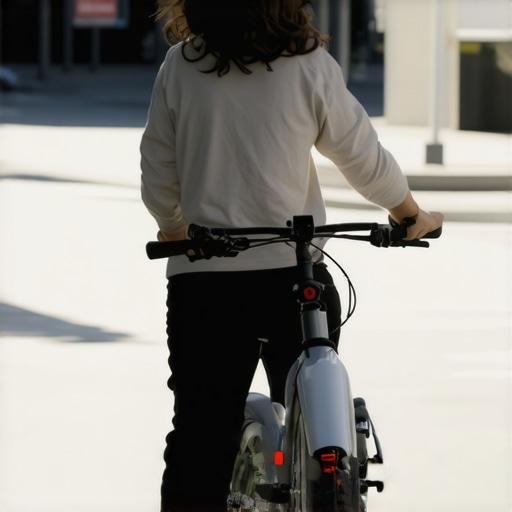
My first real breakthrough happened when I took a hard look at my bike setup. I remember spending an afternoon adjusting my seat height and handlebar position, comparing my posture to ergonomic guidelines. At first, it felt awkward, and I even rode off feeling more unstable. But after a few rides, I noticed a dramatic reduction in back stiffness and sciatic discomfort. Think of your bike as an extension of your body — if it doesn’t fit, you’re inevitably going to suffer. Use a level of saddle height that allows your leg to extend fully at the bottom of the pedal stroke without locking your knee. For the handlebars, find the position where your elbows are slightly bent, and your neck isn’t craning forward. Small tweaks can make a huge difference in distributing pressure evenly across your spine. To fine-tune, sit comfortably, and test the reach and height over a 5-minute ride, adjusting incrementally. For detailed tips on ergonomic setup, visit Enhance Your Back Mobility.
Adopt a Dynamic Riding Posture
Once my bike was physically tailored to me, I shifted focus to how I sat while riding. Static posture is a common culprit for back pain, acting like a stiff wire rather than a flexible cord — the more you restrict movement, the more pressure builds. During my commutes, I made an effort to stay dynamic: subtly shifting my weight from one side to the other, moving my hips periodically, and keeping my core engaged. It’s similar to moving while sitting: small postural variations prevent overstressing one area. I also learned to avoid hunching forward or leaning too far back, which can compress nerves or strain muscles. Think of it like paddling a canoe: pacing your strokes helps you stay balanced. A simple way to practice this is setting a reminder every 10 minutes to check your posture and make minor adjustments. In addition, consider briskly stretching your back and hips after your ride, which can be key to reducing tightness and enhancing flexibility. For targeted mobility strategies, check out Boost Your Back Mobility.
Implement Effective Stretches and Micro-Movements
Even with perfect bike adjustments, tight muscles and nerve compression can persist. My approach included specific stretches that targeted common problem areas. The goal is to keep muscles supple and nerves free from pinching, much like releasing tension in a tight rubber band. For example, I regularly did gentle hip flexor stretches, hamstring releases, and spinal twists during breaks. A quick technique I adopted was the 2-minute sciatic nerve reset (see here), which involves gentle leg lifts and nerve mobilizations. These micro-movements improve blood flow and reduce pressure on the sciatic nerve. I also practiced quick neck and shoulder releases, especially if I felt tension accumulating. Imagine your muscles as a network of interconnected springs; frequent micro-movements prevent them from freezing up, much like oiling rusty hinges. Incorporate a daily routine of mobility exercises, such as the ones detailed at Understanding the Link, to keep your spine and joints flexible. Consistency in these small actions is what truly leads to lasting relief.Many individuals believe that pain in the back or neck simply results from minor injuries or aging, but the real nuance lies in understanding how our habits and misconceptions perpetuate these issues. A common myth is that rest alone can cure such discomfort; however, this can often lead to stiffness and further mobility loss. In my experience, most people overlook the importance of recognizing the body’s subtle signals—they dismiss lingering tightness or nerve sensations as normal, when in fact, these are warning signs of deeper, fixable problems.
For instance, many think stretching is always beneficial, but overzealous or improper stretches, especially when done incorrectly, can exacerbate nerve compression or cause micro-tears that hinder recovery. A more advanced approach involves targeted mobility exercises that address specific joint restrictions and nerve pathways, which I’ve detailed in my guide on mobility mastery.
A critical trap to avoid is the belief that pain equals damage and that avoiding activity is the safest route. Contrary to this, evidence shows that gradual, controlled movement promotes faster healing by enhancing blood flow and neural mobility, as supported by research from the Journal of Bodywork and Movement Therapies. Engaging in micro-movements and nerve mobilizations, like the two-minute sciatic nerve reset, can dramatically improve nerve gliding and reduce chronic symptoms.
Are We Overstretching Ourselves? The Hidden Risks of Common Flexibility Routines
This question is especially pertinent when considering personal routines. Many fall into the trap of believing that stretching the hamstrings, hip flexors, or lower back is universally beneficial. While flexibility is essential, the key lies in specificity and timing. Stretching muscles that are already overstretched or inflamed can worsen nerve pressure, leading to persistent sciatica and neck discomfort. Instead, focusing on mobility exercises that strengthen and stabilize the surrounding areas proves more effective—something I’ve emphasized in my post on lifestyle shifts for sciatica relief.]
Understanding these nuances allows us to tailor our care and avoid common pitfalls. Recognizing that our habitual movement patterns and unexamined assumptions about pain can hinder recovery is paramount. Have you ever fallen into this trap? Let me know in the comments.
Maintaining the progress you’ve made in alleviating back pain, neck tension, or sciatica requires not just dedication but also the right tools. Over the years, I’ve honed a set of equipment and methods that sustain my mobility and prevent setbacks. One crucial piece is a high-quality foam roller, specifically a dense, firm one, which I use daily to release mytrapped muscles around the hips and lower back. I personally prefer the TriggerPoint GRID Foam Roller because of its durability and contouring features that help target deep tissue adhesions effectively. Regular rolling keeps my fascia flexible and reduces muscle tightness, which is essential in avoiding nerve compression.
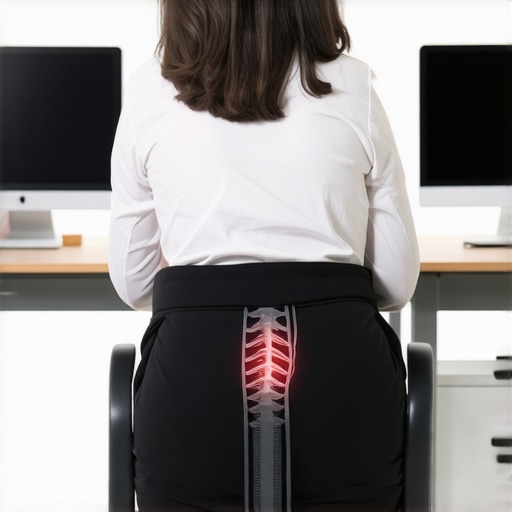
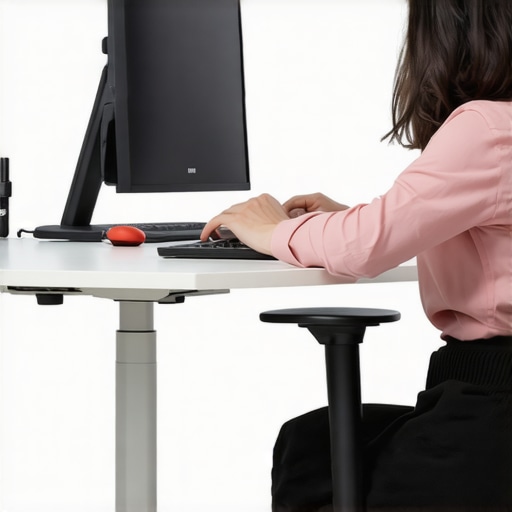
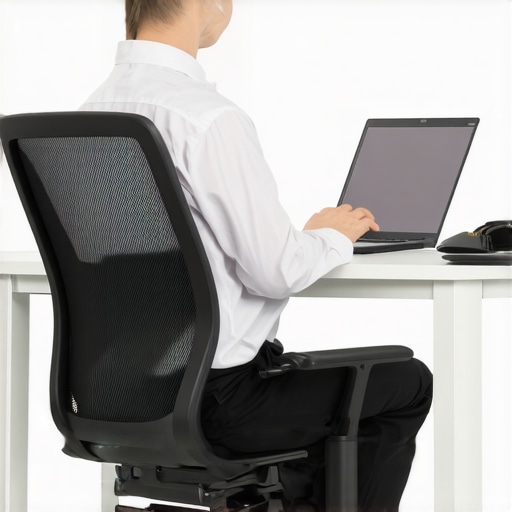
In addition, I rely heavily on ergonomic accessories, such as an adjustable standing desk converter and an ergonomic seat cushion, to promote proper posture during work hours. It’s not enough to stretch or exercise sporadically; consistent ergonomic support ensures long-term spinal health. For example, I use the Everlasting Comfort Seat Cushion—it encourages an optimal seating position that minimizes pressure on the sciatic nerve and lumbar spine.
In the realm of digital tools, I utilize mobility and stretching apps like Mobility Mastery, which provides guided routines tailored to prevent stiffness and nerve issues. It’s like having a personal therapist reminding me to move before discomfort starts. Personally, I set daily alerts to perform small micro-movements and stretches, which form the backbone of my preventative strategy. These micro-breaks are proven effective; a 2023 study published in Musculoskeletal Science & Practice emphasizes the importance of frequent movement to manage chronic pain conditions.
Looking ahead, I believe technological developments will make these tools even smarter. Wearable sensors could soon provide real-time feedback on posture and muscle tension, guiding us before pain manifests. The integration of AI with biofeedback devices might revolutionize how we maintain nerve and joint health long-term.
How Do I Keep Back and Neck Mobility Over Time?
Consistency is key. I schedule daily routines that incorporate my foam rolling, posture checks with ergonomic tools, and micro-movements via apps. Moreover, I revisit my equipment every few months to ensure it still meets my needs—upgrading foam rollers or ergonomic accessories as my mobility improves or changes. Remember, the best tools are only effective if used regularly. Make it a habit to incorporate these aids into your daily schedule. For instance, you could dedicate just 5 minutes each morning to foam rolling or adjust your workspace ergonomics, which collectively keep your spine and nerves functioning optimally. To deepen your understanding of maintaining mobility, explore this guide. Start with one tool today—like adding a foam roller to your routine—and notice the difference over weeks. Small, consistent actions build the foundation for lasting relief and improved quality of life.
Uncovering Hidden Truths About Spinal Wellness
One of the most eye-opening lessons I learned is that persistent discomfort often stems from habits we overlook. For years, I believed that a quick stretch or a new pillow would solve my issues, but the real breakthrough came when I started addressing my daily routines and mindset. The hardest lesson was realizing that consistency beats quick fixes; regular movement and ergonomic awareness are the true keys to lasting relief. I also discovered that dismissing subtle signals from my body—like slight tingling or stiffness—only delayed recovery. Embracing patience and a comprehensive approach transformed my understanding of spinal health beyond symptom management to true prevention.
Tools and Insights That Changed My Approach
From using a quality foam roller like the TriggerPoint GRID to adopting apps focused on mobility, I’ve curated a toolkit that empowers my daily routine. These tools helped me identify restrictions I didn’t notice before and targeted the root causes, not just the symptoms. Educating myself through trusted sources such as mobility exercises and ergonomic tips gave me confidence and structure. I learned that investing in quality equipment and expert guidance creates a sustainable pathway to health, changing my relationship with pain from reactive to proactive.
Embracing a Future of Resilient Movement
The journey to better back and neck mobility is ongoing, but I now see it as a daily practice rather than a fix. Your commitment to small, consistent actions—like micro-movements, posture checks, and strategic stretches—can profoundly impact your quality of life. The future will likely bring smarter wearable technology that tracks posture and nerve health in real time, making prevention even easier. Until then, stay curious, stay patient, and remember that every mindful movement adds up. You deserve a life free of pain and full of freedom in your movements.