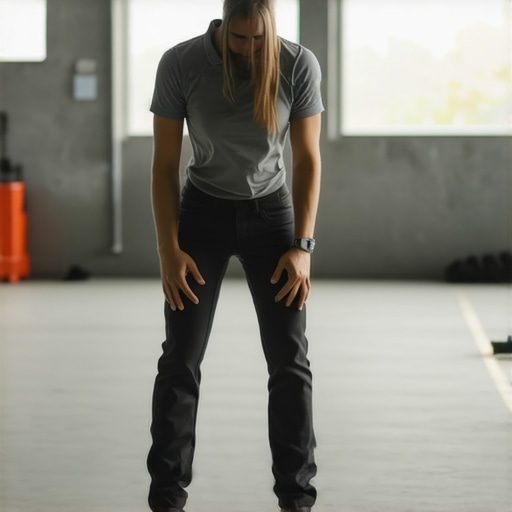
It was a morning like any other, stiff and sore from a simple task that I naively believed was safe—a quick bend to pick up a box in my own living room. But that one movement set off a chain reaction of back discomfort that lingered for days. It was a lightbulb moment for me: I had been doing something fundamental all wrong, and I wasn’t alone.
Many of us underestimate the importance of proper lifting techniques, often thinking it’s only a concern for weightlifters or movers. But the truth is, everyday activities—slipping into the car, picking up groceries, or even reaching for something off the floor—can cause long-term damage if not done with care. Did you know that poor lifting habits are a leading cause of lower back pain, affecting nearly 60% of adults at some point in their lives? (Source: National Institute of Occupational Safety and Health)
In today’s post, I promise to share the *three safest lifts* I’ve adopted to protect my back, especially as we approach 2026 with even more ergonomic concerns and wearable tech influencing how we move. You’ll learn practical adjustments that can become habits, helping you lift smarter, not harder.
The Hidden Risks of Ignoring Proper Lifting
Before we dive into the fixes, it’s worth understanding why so many of us stumble here. The mistake I made early on was neglecting the importance of engaging my core and keeping my back straight during lifts. That simple oversight turned small strain into persistent pain.
If you’ve ever pulled your back after a seemingly harmless bend or twist, you’re familiar with how frustrating and limiting it can be. Chronic back issues can seriously impact your daily independence, and the good news is—most injuries are preventable with proper technique and awareness. For more information on how posture affects long-term back health, check out [Understanding the Link Between Poor Posture and Chronic Back Pain](https://bodyrenewtherapy.com/understanding-the-link-between-poor-posture-and-chronic-back-pain).
Next, I’ll walk you through the three safer methods I rely on now, which not only protect my spine but also make lifting easier and more efficient. Ready to rethink your approach and avoid future pain? Let’s go!
Engage Your Core Before You Lift
Start with a strong brace—imagine tightening your muscles as if preparing for a gentle punch to the stomach. I recall a time when I hesitated before lifting a heavy box in my garage and instinctively tensed my abdominal muscles. The result? My back felt supported, and I avoided strain. This simple habit forms the foundation of safe lifting. To deepen your understanding of maintaining spinal health, visit mobility mastery tips.
Keep Your Back Straight and Use Your Legs
Picture a sturdy tree rooted in the ground. Your legs are that base—strong and capable. When I needed to move a bulky piece of furniture, I made a conscious effort to bend at my hips and knees, rather than my waist. By doing so, I engaged my leg muscles, reducing load on my spine. Remember, your legs are designed to do the heavy lifting. Avoid the trap of bending over with a rounded back; instead, squat down like you’re sitting into an invisible chair. For exercises that bolster your mobility, check simple mobility exercises.
Nuance: Maintain a Natural Curve
Keep your spine in its natural ‘S’ curve—don’t hyperextend or collapse your lower back. During a recent household move, I watched a friend lift without this awareness and end up with a painful twinge. Aligning your head, shoulders, and hips in a straight line minimizes strain. Practice mirror checks or use a camera to ensure proper form until it becomes second nature.
Plan Your Lift Carefully
Visualize a successful lift—essentially, picture yourself executing it flawlessly. When I helped a neighbor carry groceries, I first assessed the weight and planned my grip and trajectory. This forethought ensures you don’t rush, which can lead to unsafe movements. Clear your path, ensure a firm grip, and ask for help if needed. Safe lifting isn’t just a posture but a mindful process.
Micro-Story: Turning a Mess into a Lifelong Habit
Once, I was in a hurry to grab a box from the floor. Instead of rushing, I paused, engaged my core, and lifted with my legs. My back remained pain-free, and I realized that these quick checks prevent injuries. Consistently applying these steps transforms your daily routines into safer habits, reducing chronic strain and discomfort.
When it comes to managing mobility issues or chronic pain, many believe that simple stretches or generic exercises are enough. However, this oversimplification misses critical nuances that can make or break your recovery. One common myth is that all pain comes from tight muscles that need stretching. While flexibility is important, ignoring the underlying joint health, nerve sensitivity, or postural habits often leads to temporary relief at best and worsening at worst. In fact, focusing solely on stretching may cause you to overlook essential factors like joint stability and neuromuscular control, which are crucial for long-term healing.
What’s the biggest trap people fall into when trying to fix sciatic nerve pain?
Many fall into the trap of applying aggressive self-treatment, like deep nerve stretches or excessive foam rolling, thinking they will accelerate recovery. But according to experts, aggressive techniques can irritate nerves or inflamed tissues further, prolonging the pain. Instead, adopting gentle, targeted mobility exercises—such as those outlined in simple mobility exercises—can promote healing without aggravating nerve sensitivity. It’s essential to understand the distinction between safe mobilization and risky overextension. Developing this awareness is key to avoiding setbacks and fostering true recovery.
Are chronic neck pains often just a symptom of something else?
Absolutely—many people believe that neck pain is only due to poor posture or muscle strain. However, advanced cases often reveal deeper issues, including cervical spine degeneration, thoracic mobility restrictions, or even jaw misalignments. According to recent research, addressing only superficial symptoms without assessing the entire kinetic chain can lead to recurring discomfort. Techniques like those discussed in proven neck mobility strategies emphasize comprehensive assessments that target root causes for lasting relief. Taking a holistic approach prevents your pain from becoming a chronic cycle, saving you both time and frustration.
One frequently overlooked aspect is the role of posture during daily activities, which can silently contribute to both back and neck issues. Simple adjustments, along with consistent mobility work, could be the key to long-term health. If you’re trying to fine-tune your recovery or prevent future issues, integrating these nuanced insights is essential. Remember, real progress comes from understanding these hidden layers, not just the surface fixes.
Have you ever fallen into this trap? Let me know in the comments. For more tailored advice or personalized strategies, don’t hesitate to reach out.Maintaining your mobility and managing back or neck pain requires the right tools and consistent habits. I personally rely on a few specialized pieces of equipment and software that have transformed my daily routine and long-term health. First, a high-quality foam roller has become indispensable for me. Specifically, I use a dense, textured foam roller to target my fascia layers and release tight muscles, especially after long sitting periods or intense mobility sessions. Unlike smooth foam rollers, textured ones like the TriggerPoint GRID have proven more effective in breaking up scar tissue and improving circulation, which aids in speedy recovery. I incorporate daily mobility drills from resources like simple mobility exercises that benefit from the foam roller’s effects.
For tracking progress, I turn to wearable tech such as a smart posture device that vibrates when I slouch. Devices like Upright GO have helped reinforce awareness about spinal positioning, which is crucial for avoiding long-term issues. Similarly, I use ergonomic apps that remind me to stretch or change positions periodically, making my posture correction more sustainable. As these tools become more sophisticated, I anticipate a future where AI-powered sensors and real-time feedback will personalize mobility routines even further, making self-care more effective and accessible.
Additionally, I recommend investing in an adjustable sit-stand desk, which allows seamless transition between sitting and standing. Regularly changing positions not only alleviates pressure on your lumbar spine but also boosts circulation and energy levels. For detailed ergonomic tips tailored to your workspace, visit ergonomic adjustments. Combining these tools with consistent practice ensures that your efforts translate into lasting results instead of temporary relief.
So, how do I keep my back healthy over the long term? The key is integrating and maintaining these tools into a disciplined routine. Consistency outweighs intensity when it comes to mobility and pain prevention, and smart tools make adherence easier and more precise. I suggest setting daily reminders to use your foam roller and wear your posture device. Tracking progress over weeks reveals patterns and motivates continuation. Remember, technology like smart devices is only as good as the habits you cultivate, so use these tools to build sustainable practices.
Looking ahead, I believe the trend toward personalized mobility solutions will only accelerate, incorporating AI and machine learning to adapt routines dynamically. This personalized approach will empower more people to manage their pain proactively. For an advanced tip, try implementing regular foam rolling sessions combined with posture awareness devices, which together can produce exponential benefits. Give it a try today and see how this integrated approach improves your mobility and reduces discomfort over time.
What I Wish I Knew About Staying Pain-Free
One of my biggest lightbulb moments was realizing that pain isn’t just about immediate fixes; it’s about understanding the habits that shape our long-term mobility. I used to think stretching alone could solve everything, but I learned that consistent, mindful movement and posture awareness are essential for lasting relief. Additionally, I discovered that tools like ergonomic devices and daily mobility routines are game-changers—once I committed to them, my recovery accelerated and pain episodes became less frequent. Lastly, I realized that patience is vital. Recovery isn’t linear, and embracing small, sustainable changes over time yielded the best results for my back and neck health.
My Top Picks for Long-Term Back and Neck Health Tools
I personally rely on several resources that have transformed my approach. The simple mobility exercises guide is part of my daily routine, helping me maintain flexibility and reduce tension. A high-quality textured foam roller, like the TriggerPoint GRID, helps me release fascia tightness after long hours at my desk. I also use a smart posture device, such as Upright GO, which vibrates when I slouch—this constant feedback keeps me mindful of my spinal alignment, especially during work or screen time. These tools have empowered me to stay consistent and prevent recurring pains. For ergonomic improvements, I turn to ergonomic tips tailored to my workspace, making sure my sitting and standing positions support my spine. Investing in these practical tools has made my mobility journey more manageable and effective.
Take Action and Keep Moving Forward
Remember, your mobility and pain management are within your control. The key is integrating these habits and tools into your daily routine, making them second nature. Small, consistent steps can lead to remarkable improvements over time—don’t wait for pain to become overwhelming before making changes. Now is the perfect moment to start prioritizing your back and neck health. Whether it’s setting reminders to stretch, investing in ergonomic gear, or exploring mobility exercises, every effort adds up. Imagine a future where you wake up feeling refreshed and pain-free—achieving that begins today. Share your experiences or questions below, and let’s support each other in this journey toward lasting mobility and comfort.